The worst drinks for cholesterol: Avoid these drinks if you want a Healthier Heart
Maintaining healthy cholesterol levels is critical for reducing the risk of cardiovascular diseases, such as heart attacks and strokes. While food plays a significant role in managing cholesterol, the drinks you consume can have an equally profound impact. Some beverages can raise your cholesterol levels, worsen existing conditions, and contribute to heart disease in the long run.
In this article, we’ll dive into the worst drinks for cholesterol and explain why they should be avoided to ensure better heart health.
Sugary Soft Drinks
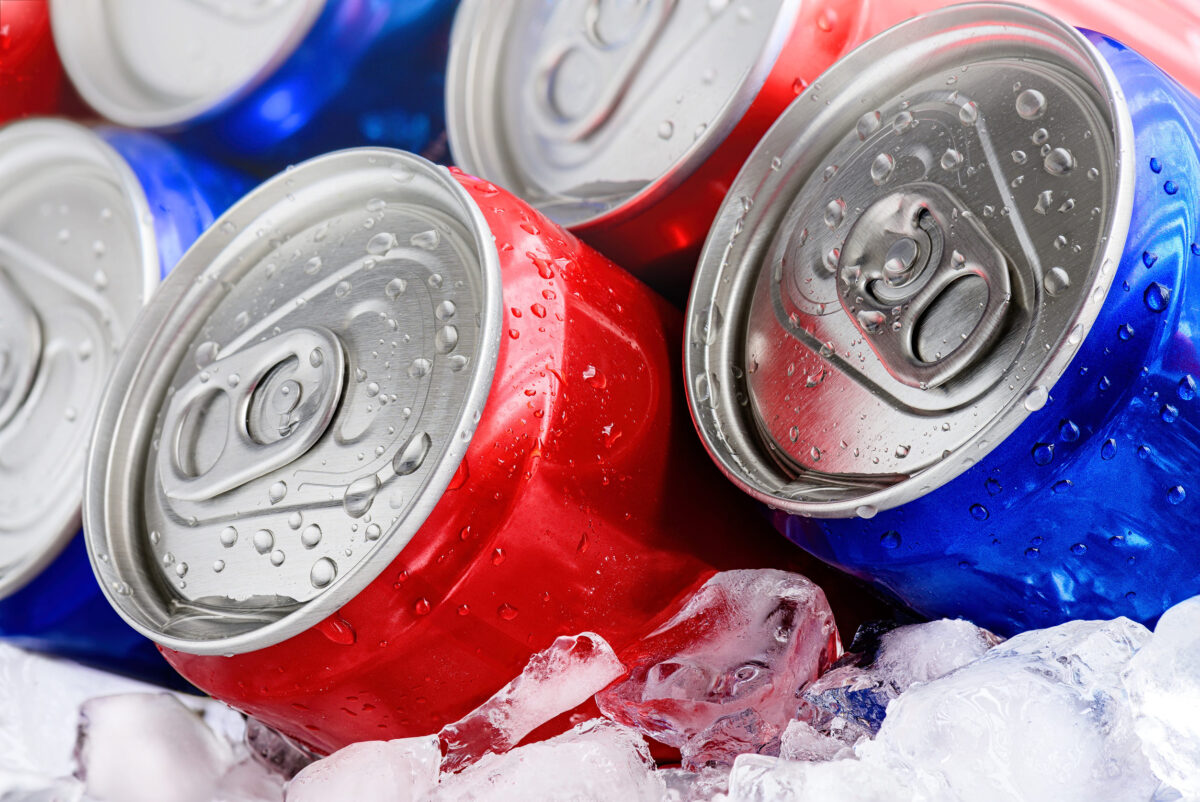
Sugary soft drinks are one of the leading contributors to unhealthy cholesterol levels. These beverages are loaded with high-fructose corn syrup (HFCS) and excessive amounts of refined sugars, which can lead to an increase in low-density lipoprotein (LDL) or “bad” cholesterol.
When you consume too many sugary sodas, your body struggles to process the excessive sugar and fat, causing an increase in the production of triglycerides and cholesterol. Over time, this accumulation leads to artery blockages, which contribute to the risk of heart disease.
Why to Avoid:
- Excessive Sugar: Raises LDL cholesterol and triglycerides.
- Artificial Sweeteners: Often used in diet sodas, they can lead to an increase in fat storage.
- No Nutritional Value: Empty calories that provide little to no nutritional benefits.
Fruit Juices with Added Sugar
While fruit juices are often considered healthy, the added sugars and artificial sweeteners found in many commercially available juices can be harmful to cholesterol levels. According to a meta-analysis published in PLOS ONE, fruit juice supplementation did not significantly affect total cholesterol or LDL cholesterol levels. Choosing whole fruits remains a better option, as they provide more fiber and antioxidants than fruit juice.
Why to Avoid:
- Added Sugars: Contribute to unhealthy triglyceride and cholesterol levels.
- Lack of Fiber: Juices lack the fiber found in whole fruits, which helps manage cholesterol levels.
- Blood Sugar Spikes: Can lead to insulin resistance, further increasing heart disease risk.
Energy Drinks
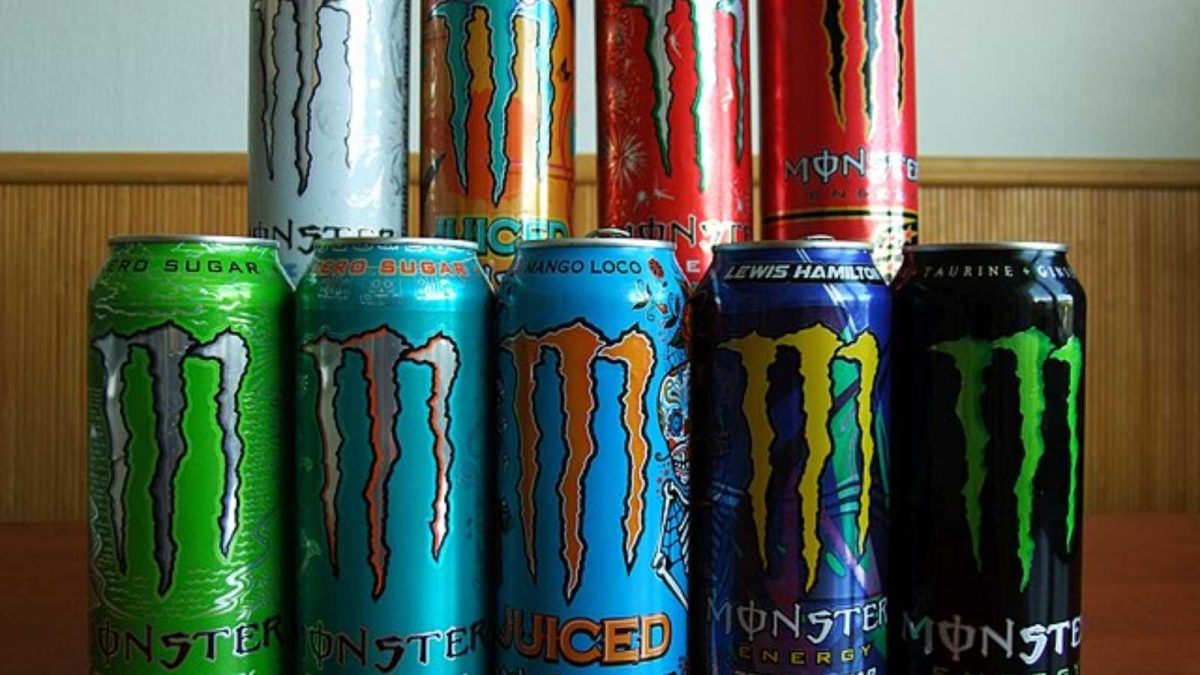
Energy drinks are loaded with caffeine, sugar, and artificial additives that can wreak havoc on your cholesterol levels. While the caffeine gives you a temporary energy boost, it also increases blood pressure, which can indirectly affect cholesterol levels by contributing to arterial damage. The high sugar content can increase triglyceride levels, leading to a rise in LDL cholesterol.
Frequent consumption of energy drinks has been associated with an increased risk of heart disease, particularly in individuals already prone to high cholesterol.
Why to Avoid:
- High Caffeine Content: Increases blood pressure and affects cholesterol metabolism.
- High Sugar Levels: Directly linked to higher triglyceride and LDL cholesterol levels.
- Risk of Heart Disease: Increased likelihood of heart disease due to frequent consumption.
Alcohol
While moderate alcohol consumption may have some benefits for heart health, excessive drinking can significantly harm your cholesterol levels. Heavy drinking increases triglyceride levels, which are closely linked to higher LDL cholesterol levels. Moreover, alcohol-induced liver damage can interfere with how your body processes fats, leading to unhealthy cholesterol buildup.
Heavy drinking not only raises “bad” cholesterol but also reduces “good” cholesterol (HDL), which is essential for cleaning out excess fats from the bloodstream. This balance between good and bad cholesterol is crucial in maintaining heart health.
Why to Avoid:
- Raises LDL and Triglycerides: Both are harmful to heart health.
- Lowers HDL Cholesterol: Reduces the protective factor against plaque buildup in arteries.
Full-Fat Dairy Beverages

Full-fat dairy drinks, such as whole milk and cream-based beverages, have a complex relationship with cholesterol and heart health, according to a report from Mayo Clinic Press. These drinks are rich in saturated fats, which increase the production of LDL cholesterol in the liver. Saturated fats are known to raise the “bad” cholesterol, clogging arteries and increasing the risk of cardiovascular diseases.
Switching to lower-fat alternatives like skim milk, almond milk, or oat milk can reduce your intake of harmful fats and improve cholesterol management.
Why to Avoid:
- High in Saturated Fats: Increases LDL cholesterol.
- Affects Heart Health: Contributes to artery blockages and raises the risk of heart disease.
- Rich in Calories: Excessive calorie intake from full-fat dairy can lead to weight gain and worsening cholesterol levels.
Iced Tea and Sweetened Beverages

Many iced teas, especially those sold in bottles, contain high amounts of added sugars, artificial sweeteners, and preservatives. These ingredients contribute to increased triglyceride levels and a reduction in HDL cholesterol, further elevating the risk of heart disease. While tea itself, particularly green tea, has been shown to have potential health benefits, sweetened versions often negate these benefits.
Opt for unsweetened iced tea or brew your own tea at home to ensure a healthier option that won’t negatively affect cholesterol levels.
Why to Avoid:
- Added Sugars: Increases triglyceride and LDL cholesterol levels.
- Artificial Sweeteners: Can cause fat accumulation and metabolic issues.
- Preservatives: Can contribute to poor fat metabolism and unhealthy cholesterol production.
Conclusion
The drinks we consume play a critical role in managing cholesterol and maintaining heart health. Sugary soft drinks, full-fat dairy, alcoholic beverages, fruit juices with added sugars, and energy drinks are some of the worst offenders. These drinks raise LDL cholesterol, lower HDL cholesterol, and contribute to an unhealthy balance of fats in the bloodstream.
To support a healthier heart, opt for beverages like water, herbal teas, black coffee (without added sugar), and fresh, unsweetened fruit juices. By making smarter choices about what you drink, you can take significant steps toward maintaining healthy cholesterol levels and lowering your risk of cardiovascular disease.