Top Foods to Avoid When Managing High Cholesterol for a Healthier Heart
High cholesterol is one of the major risk factors for heart disease, stroke, and other serious cardiovascular conditions. While medications and lifestyle changes can help manage high cholesterol, diet plays a pivotal role in maintaining healthy cholesterol levels.
Certain foods, especially those rich in saturated fats, trans fats, and cholesterol, can exacerbate high cholesterol levels and increase the risk of heart disease. This article delves into the foods that should be avoided if you have high cholesterol and offers helpful alternatives to help you make heart-healthy choices.
Red Meat

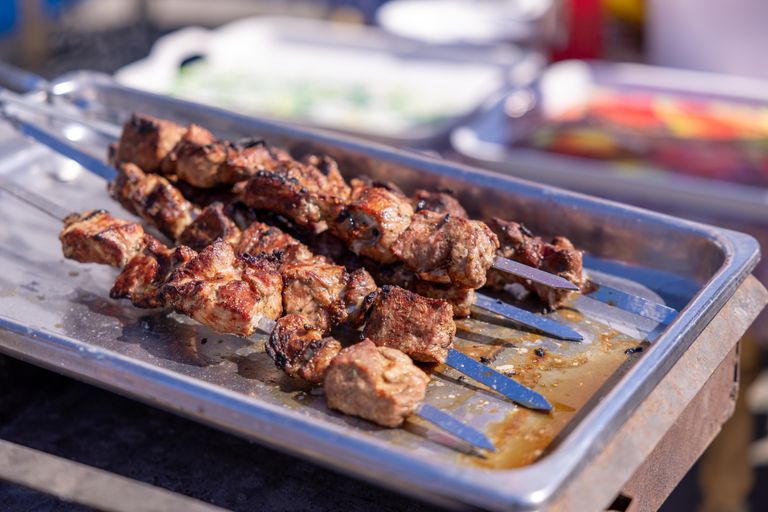
Red meat, including beef, pork, and lamb, is often high in saturated fats. Saturated fats are known to raise low-density lipoprotein (LDL) cholesterol, commonly referred to as “bad” cholesterol. LDL contributes to the formation of arterial plaque, which can restrict blood flow and lead to heart disease.
To keep your cholesterol in check, limit your consumption of red meat. Instead, opt for lean protein sources like skinless poultry, fish, and plant-based proteins such as beans, lentils, and tofu. If you do consume red meat, choose lean cuts like sirloin or tenderloin, and trim any visible fat before cooking.
Full-Fat Dairy Products
Full-fat dairy products, such as whole milk, cheese, butter, and cream, are also high in saturated fats. These fats can raise LDL cholesterol levels and increase your risk of heart disease.
To reduce your intake of saturated fats, switch to low-fat or fat-free dairy options. For example, opt for skim milk, low-fat yogurt, and reduced-fat cheese. You can also explore plant-based alternatives, such as almond milk, soy milk, or coconut yogurt, which can be lower in fat and provide essential nutrients without the harmful effects of saturated fats.
Fried Foods

Fried foods, including French fries, fried chicken, and doughnuts, are often high in both trans fats and saturated fats. Trans fats, which are artificially created by hydrogenating oils, can significantly raise LDL cholesterol and lower high-density lipoprotein (HDL) cholesterol, the “good” cholesterol. This double whammy makes fried foods a top contender for foods to avoid when managing high cholesterol.
Instead of frying, consider grilling, baking, steaming, or sautéing with heart-healthy oils like olive oil. Opt for healthier cooking methods and season your food with herbs and spices to enhance flavor without added fat.
Baked Goods
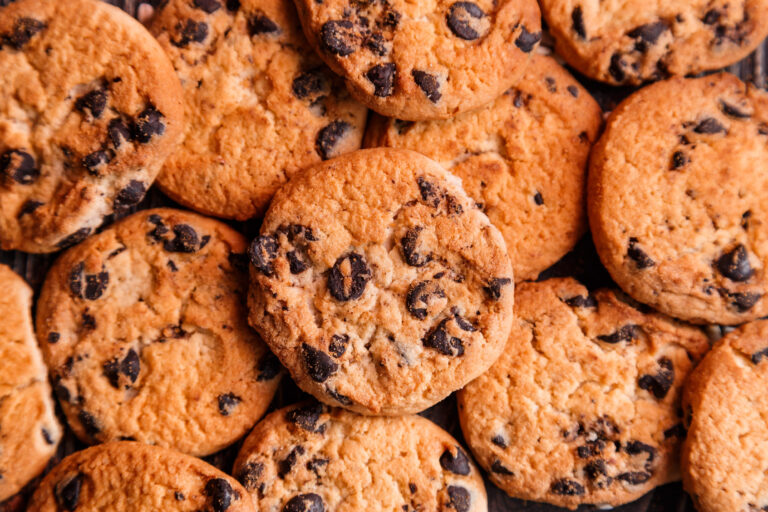
Store-bought pastries, cookies, cakes, and other baked goods often contain high levels of trans fats because they use partially hydrogenated oils. These trans fats are found in many commercially processed products and can raise LDL cholesterol while lowering HDL cholesterol, thereby increasing the risk of cardiovascular disease.
To satisfy your sweet tooth without compromising your cholesterol levels, try baking at home using healthier ingredients. Use applesauce or mashed bananas in place of butter, and opt for whole-grain flours rather than refined white flour. You can also experiment with plant-based sweeteners like stevia or agave syrup to reduce sugar content while still enjoying a treat.
Processed Meats
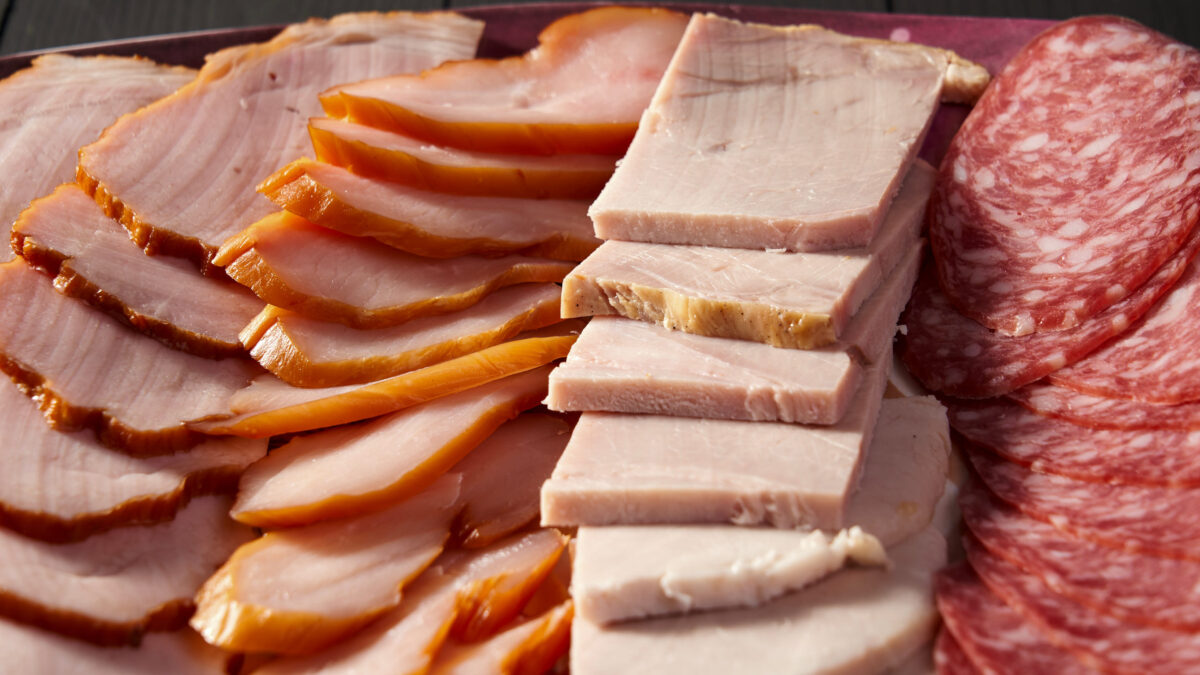
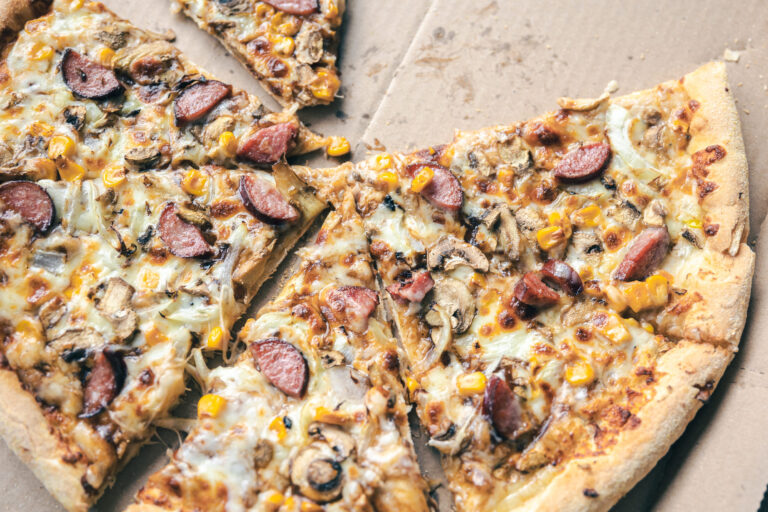
Processed meats, including bacon, sausages, hot dogs, and deli meats, are not only high in sodium but also in unhealthy fats. These meats often contain both saturated and trans fats, which can raise LDL cholesterol levels. Additionally, processed meats are typically loaded with preservatives, such as nitrates, that may have negative effects on cardiovascular health.
To protect your heart, limit your consumption of processed meats. Choose lean, unprocessed meats, or explore plant-based protein options like tempeh, seitan, and veggie burgers. If you do eat processed meats, try to consume them in moderation and look for lower-sodium, nitrate-free options.
Egg Yolks
Eggs are a popular source of protein, but egg yolks are high in cholesterol. A single large egg yolk contains around 186 milligrams of cholesterol, which can contribute to raising blood cholesterol levels when consumed in excess. While dietary cholesterol has a lesser impact on blood cholesterol levels for some people, it’s still a good idea to limit egg yolk consumption, particularly if you have high cholesterol or are at risk for heart disease.
Instead of whole eggs, consider using egg whites or cholesterol-free egg substitutes in your cooking. Egg whites are a rich source of protein and contain no cholesterol, making them a heart-healthy alternative.
Trans Fats
Trans fats, which are often found in margarine, packaged snacks, and fast food, are the worst type of fat for your cholesterol levels. These fats not only raise LDL cholesterol but also lower HDL cholesterol, significantly increasing the risk of heart disease. While trans fats have been largely phased out of many food products, they can still be found in some processed foods, such as baked goods, microwave popcorn, and frozen meals.
Always check food labels for partially hydrogenated oils, which are a key source of trans fats. Opt for products that list “0 grams of trans fat” and choose whole, minimally processed foods whenever possible.
Sugary Drinks
Sugary drinks, including soda, sweetened coffee, and energy drinks, can contribute to high cholesterol levels in more indirect ways. These beverages are often high in added sugars and can lead to weight gain, insulin resistance, and inflammation, all of which are risk factors for high cholesterol and heart disease.
To keep your cholesterol in check, cut back on sugary beverages and opt for water, herbal teas, or unsweetened drinks. If you need a little sweetness, try adding a slice of lemon or a few fresh mint leaves to your water for a refreshing twist.
Refined Carbohydrates
Refined carbohydrates, such as white bread, white rice, and pasta, are stripped of their natural fiber and nutrients. These foods cause rapid spikes in blood sugar levels and can contribute to weight gain, which in turn can raise cholesterol levels. Moreover, they may increase the risk of developing type 2 diabetes, another condition that can affect heart health.
To improve your cholesterol levels, replace refined carbs with whole grains like brown rice, quinoa, whole-wheat bread, and whole-wheat pasta. These options are rich in fiber and can help regulate blood sugar levels while keeping you fuller for longer.
Alcohol
While moderate alcohol consumption can offer some health benefits, excessive alcohol intake can lead to elevated cholesterol levels and other health problems. Heavy drinking can raise triglyceride levels, a type of fat found in the blood, and increase the risk of heart disease and stroke. Additionally, alcohol can contribute to weight gain, which further exacerbates cholesterol issues.
If you drink alcohol, do so in moderation—this means up to one drink per day for women and up to two drinks per day for men. Be mindful of your overall caloric intake and try to choose heart-healthy beverages like red wine, which contains antioxidants.
Conclusion
Managing high cholesterol requires more than just taking medication; it also involves making mindful dietary choices. By avoiding foods high in unhealthy fats, cholesterol, and refined sugars, you can protect your heart and reduce your risk of cardiovascular disease. Instead, focus on incorporating heart-healthy alternatives such as lean proteins, whole grains, fruits, vegetables, and healthy fats into your daily meals.
Making these changes may take time, but with consistent effort, you can enjoy a healthier heart and improved cholesterol levels. Always consult with a healthcare professional before making significant dietary changes to ensure that your choices align with your specific health needs.