10 Signs You’re Definitely The Mooch Of Your Friend Group
In any friendship, balance is key. Both parties need to give and take, ensuring that the relationship remains healthy and fulfilling for everyone involved. But what happens when one friend starts taking more than they give? You might find yourself wondering if you’re the one doing all the taking. If you’re often relying on your friends for favors, money, or emotional support without reciprocating, you might just be the “mooch” of your group.
Here’s the thing: realizing you’re a mooch isn’t about self-blame, but about growth. Once you understand these signs, you can work toward healthier, more balanced relationships.
Always Asking for Favors Without Giving Back
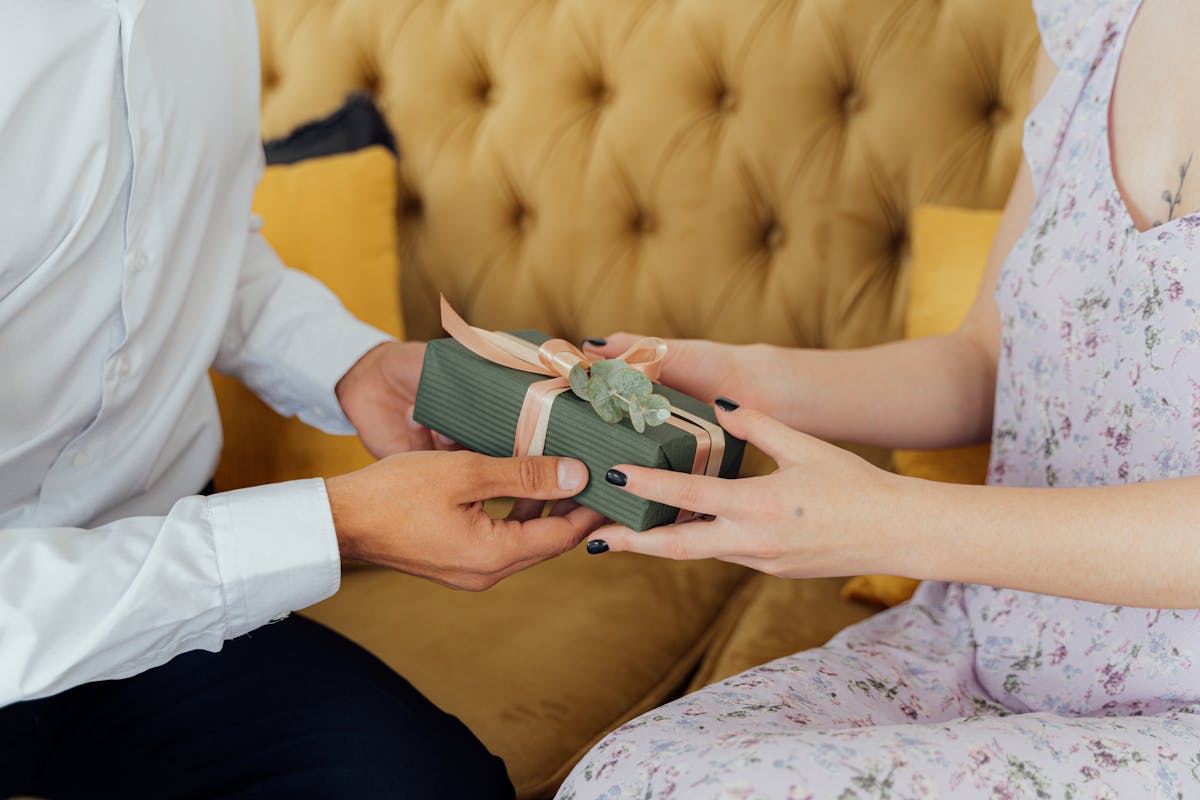
You’ve probably done it before, asked a friend for help with something minor, only for it to turn into a routine. If you’re consistently asking for favors from your friends without ever returning the favor, it’s a sign you may be leaning into the “mooch” role.
Friendships thrive on give-and-take, but when you’re constantly on the receiving end and rarely offer help in return, it creates an imbalance. This one-sided dynamic can slowly erode the bond you have with your friends, and over time, they may feel like they’re carrying all the weight.
So, the next time you ask a friend to do something for you, ask yourself: “Would I be willing to do the same for them?” If the answer is no, it might be time to reassess your behavior.
Never Contributing Financially
We’ve all been in situations where friends chip in for dinner or split a bill at a group event. But if you consistently avoid contributing financially, whether it’s splitting the check or contributing to group gifts, your friends might start noticing the pattern.
A mooch doesn’t always pull out their wallet when it’s time to contribute. They might make excuses, like not having enough money or forgetting their wallet at home. While occasional lapses happen, if this behavior is a regular occurrence, it’s a sign that you might be taking advantage of the group.
Don’t be that friend. Contribute, even if it’s a small amount, to show that you value the relationship and respect the efforts of those around you.
Taking Advantage of Others’ Generosity

If your friends are the generous type, it’s easy to let them shoulder the responsibilities of planning group events or buying rounds at the bar. After all, they’re offering, right? But there’s a fine line between graciously accepting generosity and repeatedly taking advantage of it.
Being a mooch means allowing others to give and give, while you do little to reciprocate. If you’re the one who always accepts help, offers, and invitations yet never offer the same in return, it may be time to rethink your role in the group. Generosity is a two-way street, and without mutual effort, it can leave your friends feeling drained.
Using Excuses to Avoid Responsibilities
One of the most noticeable traits of a mooch is their tendency to avoid responsibilities, especially when it comes to group tasks. Whether it’s helping with cleaning up after a party or organizing the next meet-up, a mooch will always have an excuse ready.
“I’m too busy,” “I’m not feeling well,” or “It’s just not my thing” are the classic go-to lines of someone who doesn’t want to pitch in. While everyone has a busy life and needs time for themselves, consistently avoiding responsibilities can create resentment among your friends, who will end up feeling like they’re doing everything.
Constantly Complaining Without Action

Moochers often complain about various aspects of life: work, relationships, and personal goals, but rarely take any action to fix these issues. They expect their friends to lend an ear and offer solutions, but they themselves don’t take the initiative to improve their situation.
If you’re constantly venting but never trying to change or improve your circumstances, you’re likely putting the emotional burden on your friends without offering them any meaningful support in return. Complaining without action not only drains your friends but also weakens the foundation of your friendships.
Lack of Genuine Support for Friends’ Goals
In a healthy friendship, you should feel genuinely excited about each other’s successes and goals. But if you’re only focusing on your own aspirations and ignoring or dismissing your friends’ achievements, you may be unintentionally hoarding all the emotional support.
A mooch rarely invests in their friends’ growth. If you’re not celebrating your friend’s accomplishments or offering help when they need it, it can make them feel unimportant or unsupported. Friendships thrive on mutual encouragement, so take the time to support your friends, whether it’s attending their events or simply offering words of encouragement.
Disappears When Things Aren’t Free
Mooches have a remarkable ability to disappear when there’s a cost involved. If a friend is hosting an event that requires a fee or contribution, they might conveniently become unavailable. They will make excuses to avoid paying or participating, preferring to attend only when things are free. This tendency to only show up when it’s convenient or cost-free is a classic mooch behavior. While it might seem like a minor issue, it can build resentment among your friends who are picking up the slack.
Always Taking, Never Giving Compliments

Compliments are a small but powerful way to show appreciation for others. Yet, a mooch rarely offers them. They are more likely to take and expect compliments, but never return the favor. If you constantly seek validation from your friends without offering genuine praise or recognition in return, it creates an uneven dynamic. Friendships are built on mutual respect, so take a moment to appreciate your friends and acknowledge their efforts, talents, and qualities.
A Pattern of One-Sided Conversations
Moochers tend to dominate conversations, making them all about their problems or achievements. If you find yourself always talking about your own struggles and never asking your friends about their lives, you may be taking more than your fair share of attention. Friendships are a two-way street, and healthy communication requires listening just as much as speaking. Make an effort to balance the conversation, giving your friends the space to share their thoughts and feelings as well.
Never Takes Accountability for Mistakes
Everyone makes mistakes, but a mooch rarely owns up to theirs. They will often blame others for their shortcomings, whether it’s a forgotten favor, missed event, or an unsaid word. Taking responsibility for your actions is essential in any relationship. If you constantly deflect blame and avoid taking accountability, it not only damages your friendships but also prevents personal growth. Acknowledging mistakes and learning from them is a sign of maturity and respect in friendships.
Conclusion
Recognizing that you might be the mooch in your friend group is the first step toward positive change. Friendships thrive when both sides contribute and support each other. By taking responsibility for your actions, setting boundaries, and offering help in return, you can build stronger, more balanced relationships.
Now that you’ve identified the signs of mooching, it’s time to make a change. Remember, the best friendships are those where both individuals give and receive in equal measure, creating a space of mutual respect, support, and trust.