10 Steak Grilling Mistakes That Can Ruin Dinner Fast
A great steak should feel like a reward, not a regret. Yet grilling steak is one of those backyard rituals that look simple from across the patio and turn stressful the moment expensive meat hits the hot grates. The source article warns that even experienced home cooks can sabotage a steak with a few avoidable mistakes, such as weak seasoning or skipping the resting time.
The good news is that bad steak usually isn’t due to bad luck. It happens because of impatience, poor heat control, or bad habits at the wrong moment. Once you know what to avoid, grilling steak becomes less of a gamble and more of a skill you can repeat with confidence every single time.
Not Preheating the Grill Properly
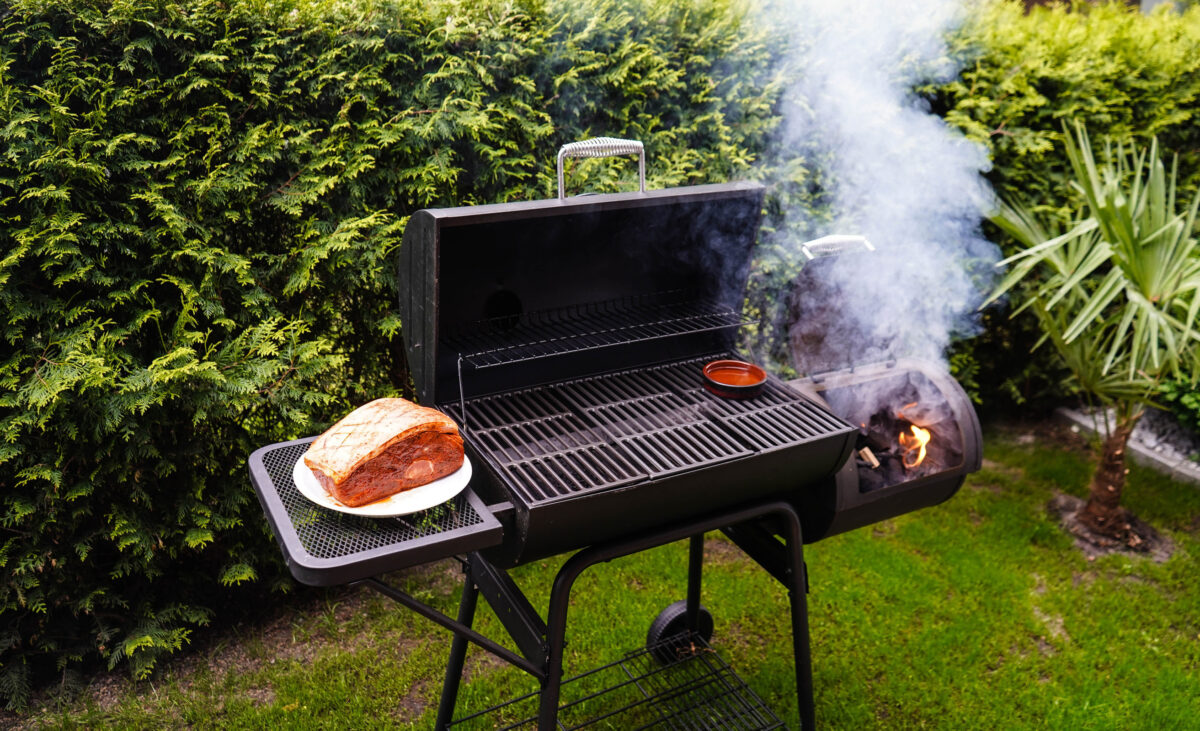
One of the fastest ways to wreck a steak is to throw it onto a grill that is technically lit but not truly hot. Flames alone do not mean the grates are ready. The source explains that the grill itself needs time to heat up, usually about 10 to 20 minutes with a closed lid, and longer for charcoal, or the meat may stick and fail to develop the deep crust people expect from a good steak.
That first contact between steak and grill matters more than many people realize. A properly heated grate helps create immediate browning, better grill marks, and less tearing when it is time to flip. A rushed start often leaves the steak pale, stuck, and steaming rather than searing, which is a disappointing start for something that should taste rich and bold.
Using Heat Like It Has Only One Setting
Many people assume steak needs aggressive, nonstop heat from start to finish. That sounds logical until the outside turns black and the center stays stubbornly raw. Cheapism notes that especially thick cuts can burn on direct heat before the inside catches up, which is why moving the steak to a cooler part of the grill and closing the lid can help it cook more evenly.
Good grilling is not about fire for fire’s sake. It is about control. A steak should be seared over strong heat, then cooked over gentler heat when it needs time. Treating every cut the same way is how a beautiful ribeye becomes a burnt shell wrapped around an undercooked middle.
Using Lighter Fluid and Hoping for the Best
Lighter fluid may feel like a shortcut, but it can turn a premium cut into something that tastes harsh and chemical. The source warns that its smell can seep into the food, leaving behind a gasoline-like flavor that no amount of seasoning can hide. It recommends using a chimney starter instead for charcoal grilling.
This mistake feels especially painful with steak because steak is supposed to taste clean, beefy, and full. When the fire source competes with the meat, the whole meal loses its point. If you are paying good money for a cut with real flavor, it makes no sense to perfume it with something from the garage.
Buying the Cheapest Cut and Expecting Magic
A grill can do many impressive things, but it cannot create marbling where none exists. Cheapism stresses that fat marbling is a major factor in juicy, flavorful steak and points readers toward cuts such as ribeye and New York strip, while also noting that USDA Prime and USDA Choice usually perform better than USDA Select.
That does not mean you need the most expensive steak in the butcher case. It does mean you should stop pretending every bargain pack will deliver steakhouse results. A grill can highlight quality, but it cannot invent it. Choosing a better cut from the start gives you flavor, tenderness, and a forgiving texture, which is exactly what you want when cooking over open heat.
Skipping the Dry Surface Step
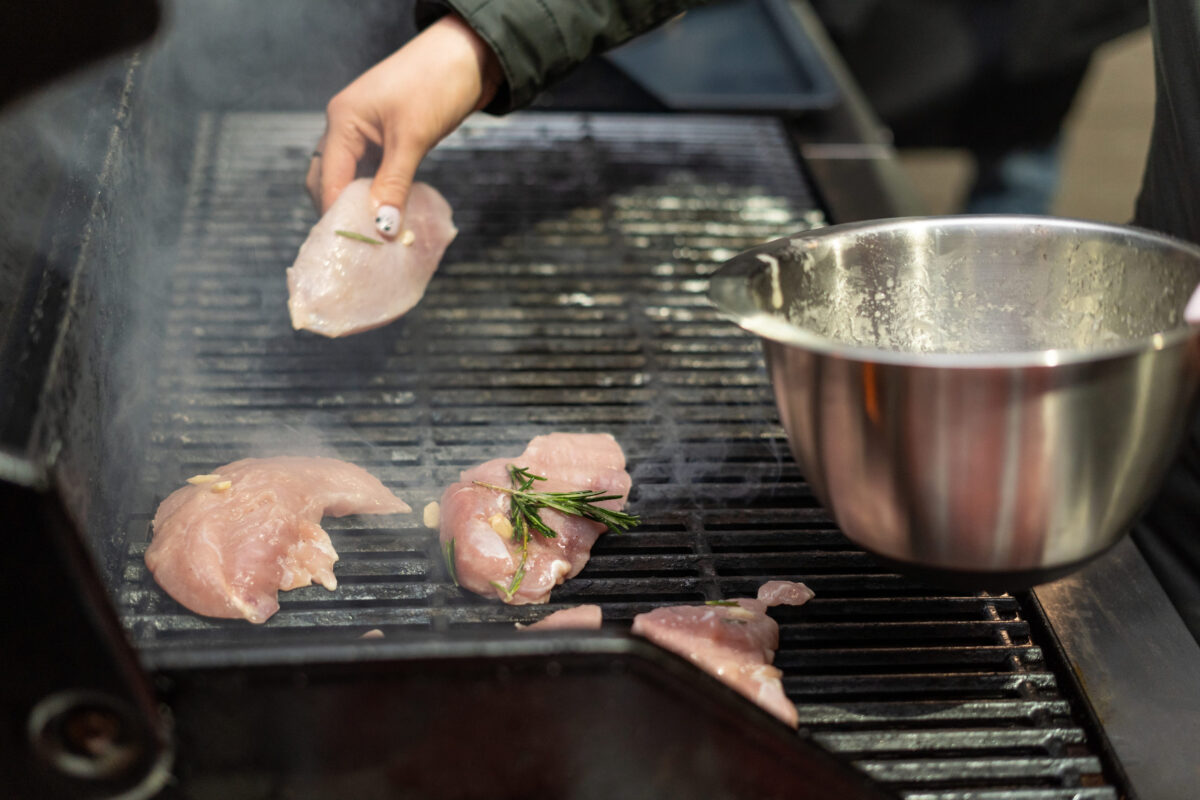
Moisture is the enemy of a serious sear. According to the source article, patting steak dry before grilling helps prevent surface liquid from turning to steam, which interferes with browning and keeps you from getting that crusty exterior.
This small step looks almost too simple to matter, which is why people skip it. But steak rewards little acts of discipline. A dry surface meets heat more efficiently, browns faster, and looks better on the plate. If your steaks often come off the grill gray instead of gloriously caramelized, this is probably one of the reasons.
Cooking It Too Long
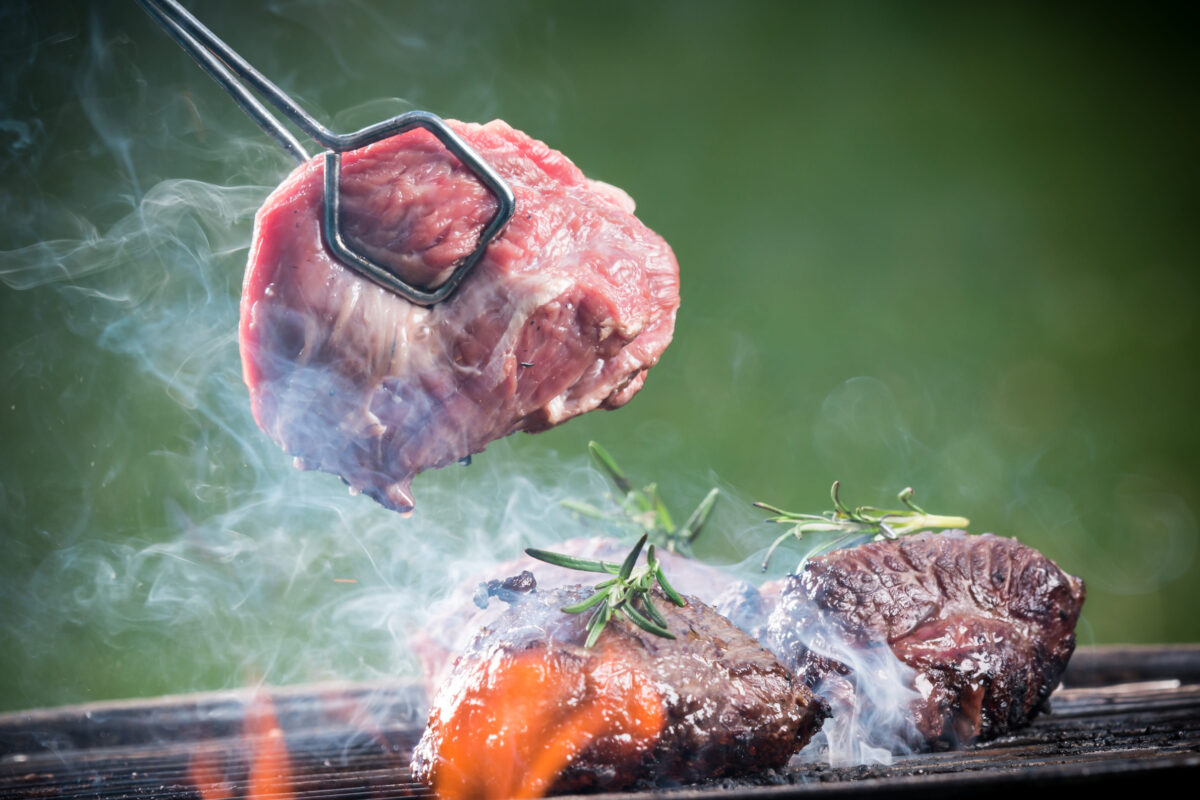
Overcooking steak is the classic heartbreak of backyard cooking. Cheapism points out that carryover cooking continues after the meat leaves the grill, meaning the internal temperature keeps rising for a few minutes even off the heat.
That detail changes everything. If you wait until the steak looks perfectly done on the grill, you may already be too late. A smart griller pulls the steak just before the finish line, not after it. That is how you protect tenderness and keep the inside from drifting into dry, joyless territory.
Holding Back on Seasoning
People get strangely timid around steak seasoning, as if a few grains of salt should somehow flavor a thick slab of beef. The source argues the opposite, noting that steaks can tolerate a generous amount of salt and pepper because their surface area is limited relative to the amount of meat, especially on larger cuts.
Underseasoned steak is one of the quietest grilling failures because it may still look gorgeous. It has the grill marks, the juices, the dramatic slice, and then the flavor lands with a thud. A steak should taste assertive. It should not need rescue from the sauce because the seasoning never showed up.
Poking, Pressing, and Harassing the Meat
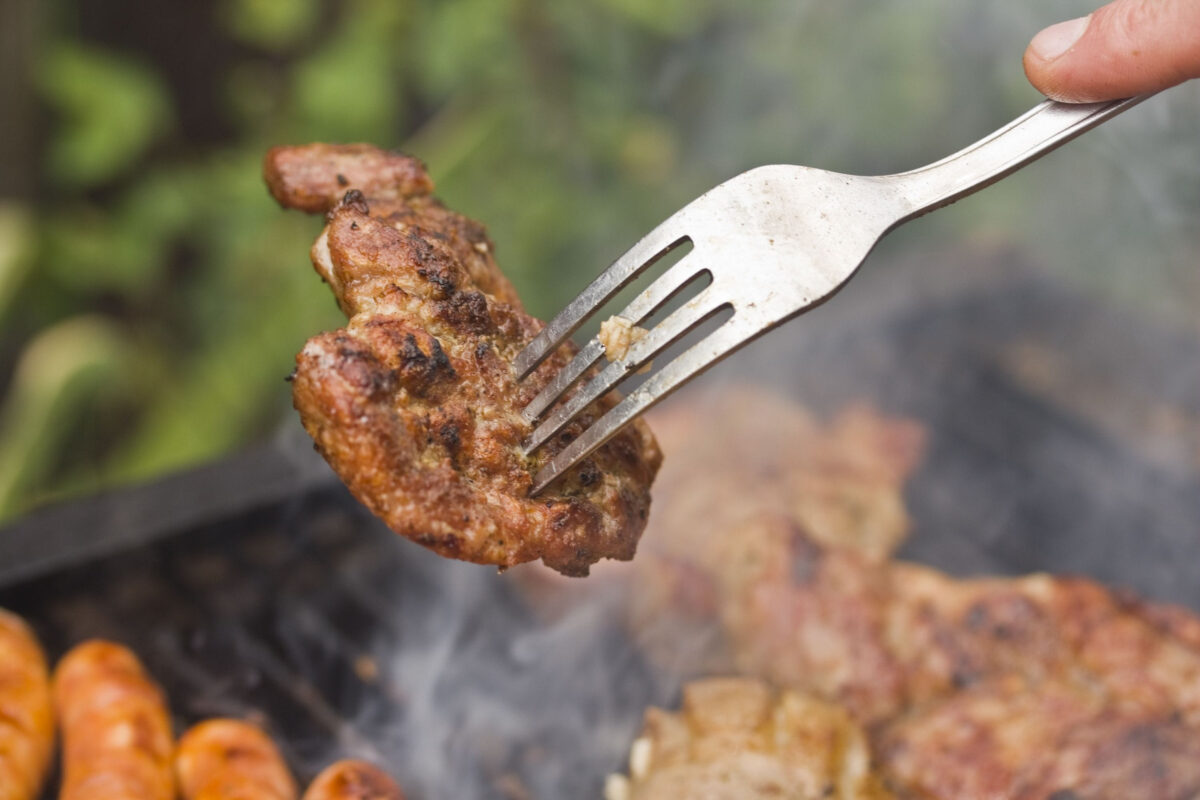
Some grillers simply cannot leave steak alone. They stab it with forks, press it with tools, flip it too often, and generally behave as if the steak owes them answers. Cheapism warns that piercing the meat lets juices escape and recommends using tongs or a spatula instead.
A steak needs heat, timing, and space. It does not need constant interrogation. Every unnecessary poke risks losing moisture that should stay inside the meat. Constant fussing also interrupts browning and makes people react to the grill rather than cook with intention.
Refusing to Use a Meat Thermometer
Guesswork has ruined more steaks than any spice mistake ever could. The source clearly states that a meat thermometer is the best way to gauge doneness and avoid overcooking an expensive cut. It also notes that most modern thermometers have narrow tips, so they do not leave damaging holes in the meat.
Too many people still cling to old habits like pressing the steak or cutting into it to check the center. That is not confidence. That is gambling. A thermometer gives you clarity in seconds, and clarity is what turns grilling from a nerve-wracking ritual into something precise and repeatable.
Cutting It Too Soon
A steak straight off the grill smells irresistible, which is exactly why so many people ruin it in the final minute. Cheapism recommends letting the steak rest for 5 to 10 minutes so the juices can redistribute rather than rushing it onto the cutting board.
This is the mistake that feels the most unfair because dinner is technically already cooked. But resting is part of cooking, not a delay from it. Slice too early and the juices spill away before they can settle. Wait a few minutes, and the reward is a steak that tastes fuller, feels juicier, and looks far more impressive when served.
Conclusion
Grilling steak well is not about memorizing chef jargon or turning your backyard into a steakhouse. It is about respecting a few simple rules that protect flavor, texture, and value. Preheat the grill, control the heat, skip the lighter fluid, choose a decent cut, dry the surface, season boldly, stop poking the meat, trust a thermometer, and let the steak rest.
In other words, the best steak on the grill usually comes from restraint, not chaos. When you remove these common mistakes, steak stops feeling like a high-risk purchase and starts becoming the kind of meal people remember for the right reasons. That is the difference between serving dinner and serving a disappointment with grill marks.