10 Political Scandals That Shook Nations and Triggered Mass Uprisings
Political scandals are often the hidden force behind seismic shifts in a country’s political landscape. These scandals don’t just rattle governments; they galvanize entire populations, turning discontent into public uprisings. When corruption, secrecy, or injustice reaches a breaking point, the streets fill with passionate protesters demanding accountability. These moments aren’t just about uncovering hidden wrongs; they’re about a collective cry for change that echoes through cities, bringing down political figures and reforming entire systems.
Here are 10 political scandals that ignited mass protests, reshaping political history and illustrating the power of public outrage.
Iceland’s Prime Minister Toppled by the Panama Papers
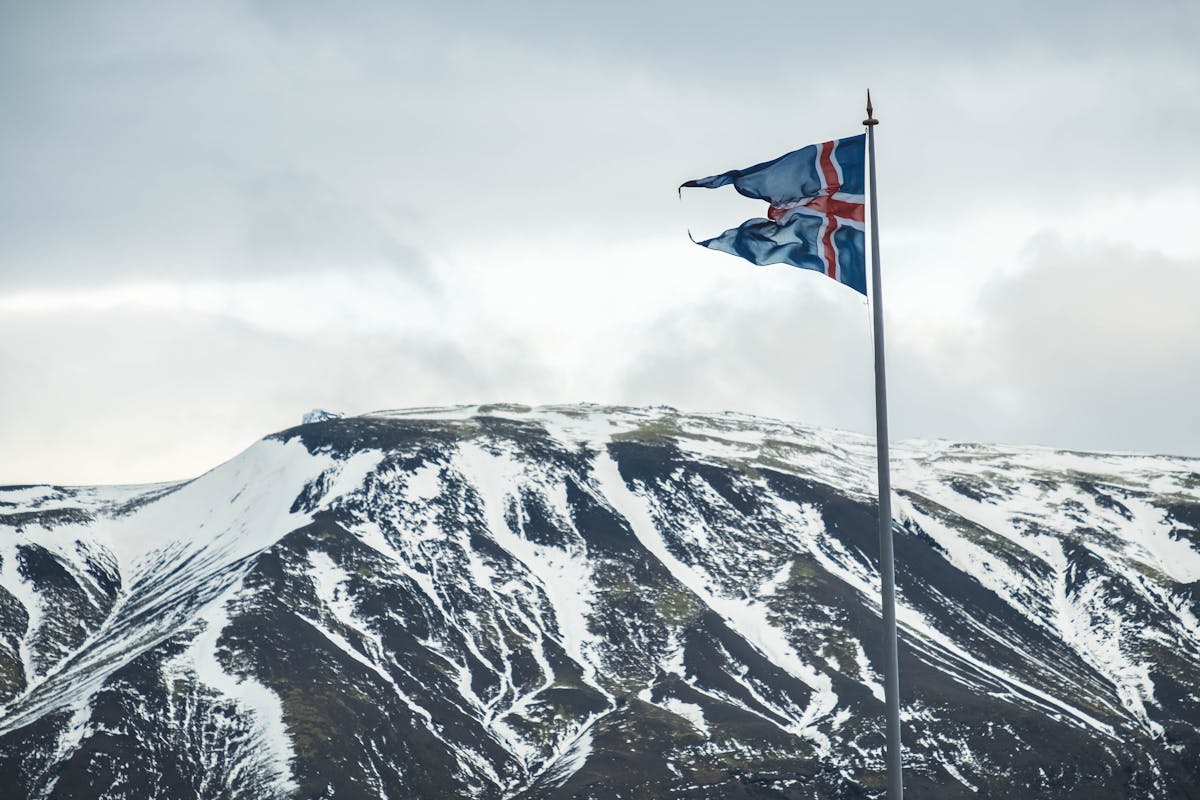
In 2016, Iceland’s Prime Minister became the first world leader to step down after being exposed in the Panama Papersa massive leak that revealed how the wealthy and powerful use offshore accounts to hide assets. The revelations shocked the nation, as the Prime Minister, who had promised transparency and reform, was found to have held millions in a secret offshore company. The public outcry was swift and fierce, with protests erupting across the capital, Reykjavik.
The Prime Minister’s inability to respond convincingly to the scandal, combined with the rapidly spreading public anger, forced him to resign after days of massive protests.
Brazil’s Operation Car Wash
In 2015, Brazil’s largest political scandal in modern history, Operation Car Wash, exposed the staggering scale of corruption involving the state-owned oil company Petrobras, construction firms, and billions in laundered funds. Although President Dilma Rousseff wasn’t personally implicated, the scandal tarnished her leadership.
As the scandal grew, it sparked nationwide protests, with millions of Brazilians marching against corruption and demanding her impeachment. Despite efforts to downplay the situation, Rousseff was eventually impeached in 2016, marking the end of her presidency.
The Greek Wiretap Scandal

In 2004, Greece became the epicenter of one of the most unsettling political crises in its history. Known as the Vodafone or Greek Wiretap scandal, it began with mysterious phone malfunctions that escalated into a full-blown privacy invasion. Over 100 prominent figures, including the Prime Minister and high-ranking officials, were secretly surveilled through a sophisticated wiretap system.
The real shock came when a Vodafone engineer, who helped uncover the scandal, was found dead under suspicious circumstances, raising fears of a government cover-up. Protests flooded Athens, with citizens demanding transparency and accountability. The unanswered questions left a deep scar, fueling distrust in the government that lingers to this day.
South Korea’s Candlelight Revolution
In 2016, South Korea experienced one of the most dramatic and emotional political uprisings in its history. The scandal centered on President Park Geun-hye and her secret confidante, Choi Soon-sil, who wielded immense power over the presidency despite holding no official position. Choi was accused of influencing presidential policies and extorting massive corporate donations.
The scandal sparked massive protests, with millions of South Koreans taking to the streets, holding candles in peaceful demonstrations. The protestors’ resilience led to Park’s impeachment, making her the first South Korean president to be removed from office by impeachment.
Ukraine’s Cassette Scandal
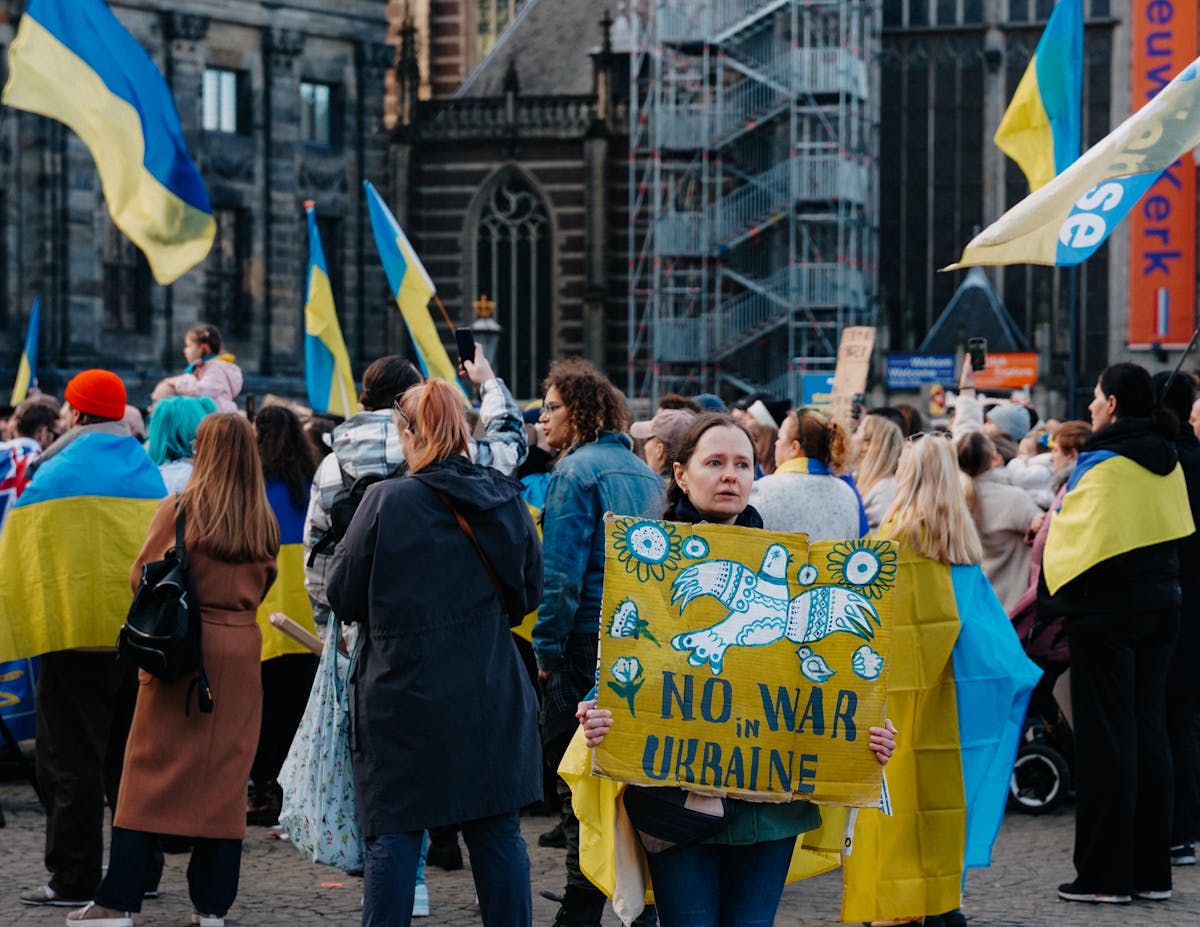
In 2000, Ukraine was rocked by the Cassette Scandal, which involved the secret recordings of President Leonid Kuchma’s conversations. These tapes suggested that Kuchma and his officials were involved in the murder of journalist Georgiy Gongadze, whose headless body was discovered shortly after his disappearance. The scandal fueled mass protests, as Ukrainians took to the streets demanding justice and accountability.
The protests culminated in the “Ukraine Without Kuchma” movement, laying the groundwork for future revolutions in the country, including the Orange Revolution and the 2014 Maidan uprising.
Romania’s “We Are Not Leaving!” Protest
In 2017, Romania’s government attempted to push through a controversial decree that would have decriminalized several corruption offenses, sparking an immediate backlash. The public viewed this as a move to protect corrupt officials, and the streets quickly filled with protesters demanding justice. The massive demonstrations, which saw hundreds of thousands of Romanians marching in the cold, were marked by creative and bold expressions of resistance, including laser projections on government buildings and glowing city squares lit by phone lights.
The government eventually reversed the decree under immense pressure, showing that even in a post-communist country, citizens could confront corruption through non-violent means.
The Watergate Scandal
Perhaps the most famous political scandal in U.S. history, Watergate began as a break-in at the Democratic National Committee headquarters in Washington, D.C., and quickly evolved into a massive cover-up that implicated the highest levels of government. As investigations uncovered the extent of the conspiracy, President Richard Nixon was forced to resign in 1974.
The scandal shattered public trust in the American government, and the phrase “Watergate” became synonymous with political scandal. Nixon’s downfall and the public outrage it sparked have remained a defining moment in U.S. political history, symbolizing the power of investigative journalism and public accountability.
The “We Are the 99%” Movement
While not confined to a single country, the 2011 Occupy Wall Street movement and its global offshoots sparked widespread protests against economic inequality, corporate greed, and the influence of the 1% in politics. The movement was a direct response to the global financial crisis, which many believed was exacerbated by political corruption and corporate influence. Occupy protesters set up camps in major cities, demanding a more equitable economic system.
The movement became a rallying cry for people who felt marginalized by the political elite, and its legacy continues to influence global discussions about wealth inequality.
The Arab Spring
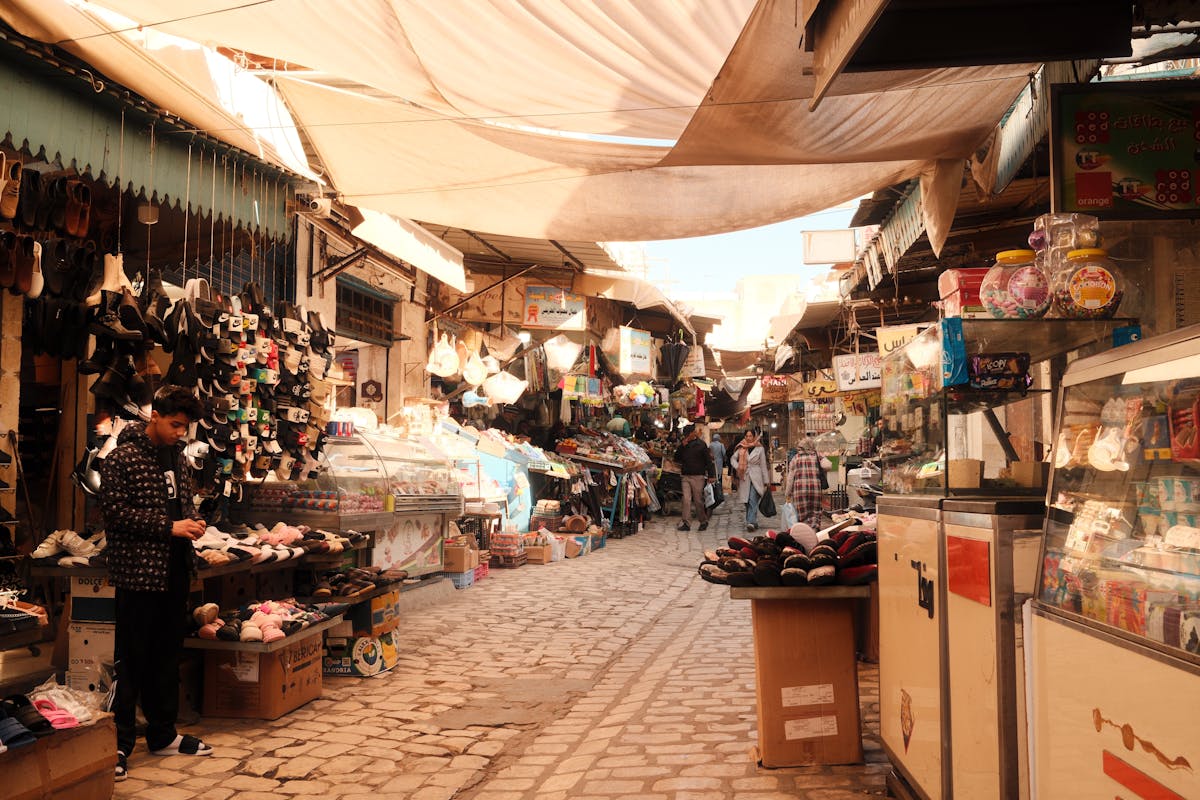
The Arab Spring, a series of uprisings that swept through the Middle East and North Africa in 2010 and 2011, was fueled by long-standing frustrations with authoritarian regimes, corruption, and economic hardship. The movement was sparked by the self-immolation of Mohamed Bouazizi, a Tunisian street vendor, in protest of police corruption. His act of defiance ignited protests across Tunisia, which quickly spread to other countries, including Egypt, Libya, and Syria.
The Arab Spring demonstrated how political scandals, in this case, government corruption and the harsh treatment of citizens, could catalyze widespread social movements. Though the outcomes of the uprisings varied, the message was clear: the streets are a powerful arena for political change.
The British MPs’ Expenses Scandal: A Political Battlefield
In 2009, the United Kingdom was hit with a scandal so absurd that it became a laughingstock, and the public demanded action. The MPs’ Expenses Scandal, which involved British lawmakers charging taxpayers for everything from extravagant home renovations to luxury items like chandeliers and duck houses, quickly escalated into an outrage-fueled movement.
Protesters gathered outside the Houses of Parliament, holding signs demanding accountability and repayment. The scandal shook public trust in the government, leading to resignations and reforms, and ignited a national conversation about the culture of entitlement in British politics.
Key Takeaway
These political scandals highlight how the public’s response to corruption, betrayal, and abuse of power can reshape the political landscape. Whether through mass protests, revolutions, or social movements, these events demonstrate the importance of accountability in a functioning democracy.