10 Shocking Things You Won’t Believe Are Really in Your Favorite Snacks
We all love to snack. Whether it’s a mid-afternoon pick-me-up, a quick bite between meals, or something to munch on during movie night, snacks are a staple of modern life. But while we often assume that snack foods are harmless indulgences, the reality is far from simple.
Many of our favorite snacks are packed with ingredients that are downright shocking, and not in the “good-for-you” way. From artificial sweeteners to unhealthy fats, here are 10 things you might not know are lurking in your go-to snacks,and how they could be impacting your health.
High-Fructose Corn Syrup in Granola Bars
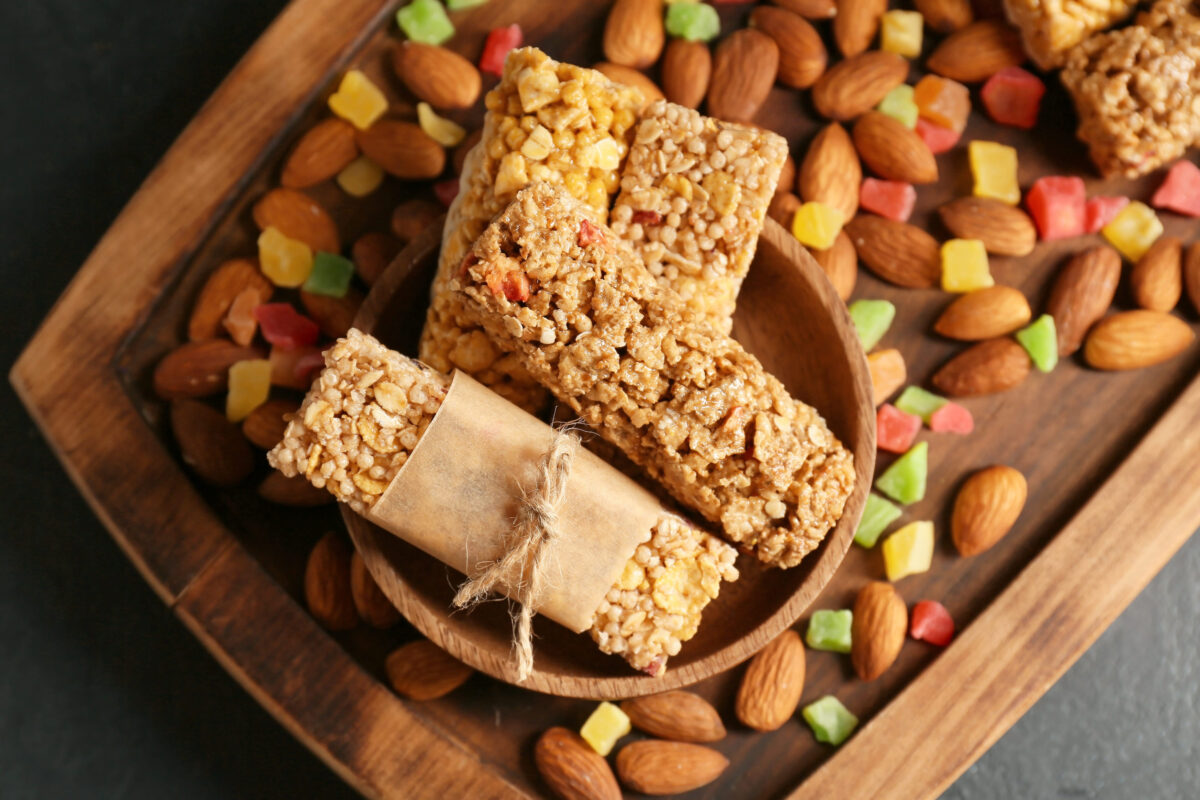
Granola bars are often marketed as a healthy option. They’re convenient, portable, and typically loaded with oats, fruits, and nuts. But dig deeper into the ingredients list, and you’ll likely find high-fructose corn syrup (HFCS) lurking in many of these so-called “health foods.” HFCS is a sweetener that’s been linked to obesity, diabetes, and liver disease when consumed in excess. It’s cheap to produce and can quickly sweeten foods, but it’s far from harmless. The surge in sugary granola bars has made HFCS a common ingredient, and while it might enhance flavor, it also increases health risks.
Additionally, many granola bars also contain palm oil, a highly processed fat that’s rich in saturated fat. This combination of refined sugars and unhealthy fats is a far cry from the “wholesome” image that these bars often project. So, the next time you reach for a granola bar, remember that you’re likely getting a sugar overload masked as a nutritious snack.
Trans Fats in Potato Chips
Potato chips are one of the most beloved snack foods worldwide. Their salty, crispy texture makes them nearly impossible to resist. However, behind that satisfying crunch lies a hidden danger: trans fats. Trans fats are created through a process called hydrogenation, where unsaturated fats are turned into solid fats to increase shelf life. While they improve texture and extend the shelf life of chips, trans fats are known to raise bad cholesterol (LDL) levels and lower good cholesterol (HDL), increasing the risk of heart disease and stroke.
Many chip brands also use artificial flavors and preservatives, such as butylated hydroxyanisole (BHA), to make them more addictive and longer-lasting. These additives can be harmful to your health, with BHA being linked to cancer in animal studies. So, next time you open a bag of chips, think twice about what’s going into your body.
Artificial Colors in Yogurt
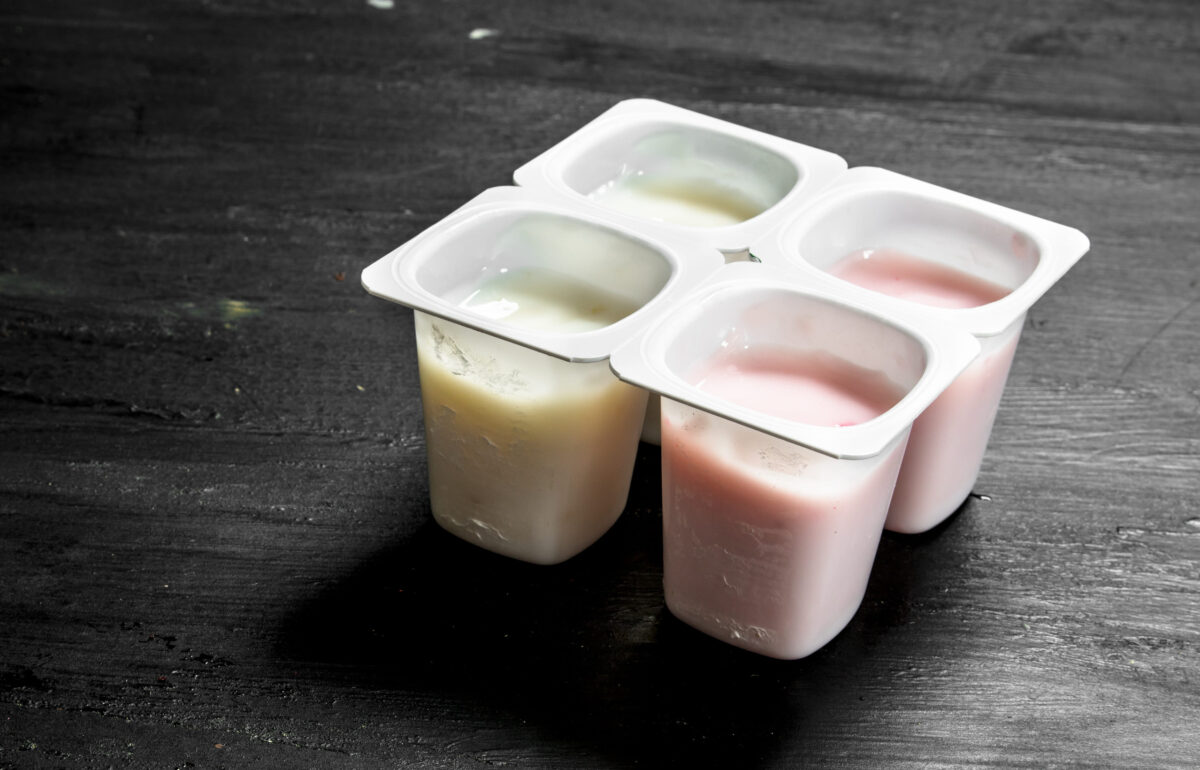
Yogurt has long been considered a healthy snack, especially for its probiotic benefits for gut health. But what most people don’t realize is that many flavored yogurts are packed with artificial colors. For instance, Red 40 and Yellow 5 are commonly used to give yogurts a vibrant, appetizing look, but these artificial dyes have been linked to hyperactivity, allergic reactions, and even potential cancer risks.
Beyond the colors, many yogurts also contain added sugars, such as corn syrup, to make them sweeter and more palatable. These sugary additives may undo the benefits of probiotics and turn an otherwise healthy snack into a sugar bomb that spikes your blood sugar. When choosing yogurt, it’s best to go for plain varieties with no added sugar and to add fresh fruit for sweetness instead.
MSG in Candy Bars
Candy bars are the ultimate sweet indulgence, but they often contain more than just sugar and chocolate. One ingredient you might not expect is monosodium glutamate (MSG), a flavor enhancer found in a surprising number of snack foods, including candy bars. MSG enhances the taste of food, making it more savory, but it comes with its own set of issues. While it’s generally recognized as safe, some people experience headaches, sweating, or even a sensation of burning in the chest after consuming MSG.
In addition to MSG, many candy bars also contain hydrogenated oils, a source of trans fats, as well as corn syrup and artificial flavorings. These ingredients can turn a seemingly innocent treat into a calorie-dense snack that’s harmful to your long-term health.
Refined Vegetable Oils in Cheese Puffs
Cheese puffs are a classic snack that’s loved by many for their cheesy goodness and crispy texture. However, they’re not as innocent as they seem. Most cheese puffs are made with refined vegetable oils, like soybean or cottonseed oil, which are high in omega-6 fatty acids. While omega-6 fats are essential for the body, an excess of them, combined with low omega-3 intake, can promote chronic inflammation, which has been linked to conditions such as heart disease, diabetes, and arthritis.
Furthermore, the “cheese” flavoring in these snacks is often made from artificial cheese powder, which contains MSG and other flavor enhancers. The bright orange hue comes from synthetic colorings like Yellow 6 and Yellow 5, which are commonly found in processed foods and have been associated with hyperactivity and allergic reactions in some individuals.
Preservatives in Packaged Cookies

Pre-packaged cookies are another popular snack, but the convenience of these ready-to-eat treats comes with a cost. Many cookies contain artificial preservatives, such as BHT (butylated hydroxytoluene), which help them stay fresh longer. However, BHT has been linked to various health issues, including cancer and liver toxicity. In addition, these cookies are often made with partially hydrogenated oils, which contribute to trans fat content and further raise the risk of heart disease.
Cookies also tend to be high in refined sugars, including corn syrup and white sugar, which cause blood sugar spikes and increase the risk of obesity and diabetes over time. While cookies might offer a quick sugar fix, they do little for your health in the long run.
Palm Oil in Crackers
Crackers are a popular snack, especially when paired with cheese or dip. But what many people don’t realize is that many crackers contain palm oil, a type of fat that’s high in saturated fats. These fats are linked to an increased risk of heart disease, particularly when consumed in large quantities. While palm oil is often used because it’s cheap and has a long shelf life, it’s not the healthiest option.
Additionally, many crackers are made with refined flour, which lacks the fiber and nutrients found in whole grains. The combination of empty carbs and unhealthy fats makes these seemingly innocent snacks more harmful than you might think.
Added Sugars in Microwave Popcorn

Microwave popcorn is a convenient snack, perfect for movie nights or a quick treat. However, the chemicals used to create that delicious, buttery taste can be harmful to your health. Many microwave popcorn brands contain artificial butter flavoring, which often includes diacetyl, a chemical linked to lung disease in factory workers who inhale it during production.
Moreover, microwave popcorn is often loaded with added sugars and trans fats to enhance the flavor and texture. Partially hydrogenated oils are often used in popcorn production, contributing to unhealthy fats that negatively affect heart health.
Excessive Sodium in Snack Foods
From chips and pretzels to frozen snack foods, sodium is one of the most common additives in processed snacks. While sodium is necessary for the body in small amounts, excessive consumption can lead to high blood pressure, kidney damage, and an increased risk of heart disease. Snack foods are often packed with sodium to enhance flavor, but eating too much can have long-term health consequences.
Even snacks that don’t taste particularly salty, like certain breakfast bars or crackers, can contain hidden amounts of sodium. It’s essential to be aware of the sodium content in packaged snacks and opt for lower-sodium alternatives whenever possible.
GMO Ingredients in Many Snack Foods
Genetically modified organisms (GMOs) are common in many snack foods, especially in products made with corn, soy, or cottonseed oil. These ingredients are often genetically engineered to be resistant to pests and herbicides, but the long-term health effects of consuming GMOs are still a topic of debate. Some studies suggest that GMOs may be linked to digestive issues, allergic reactions, and other health concerns.
Additionally, GMOs are often sprayed with pesticides, which can end up in the final product, contributing to a potential buildup of harmful chemicals in the body. If you’re concerned about GMOs, look for snacks that are labeled non-GMO or organic.
Conclusion
The next time you reach for a snack, take a moment to consider what’s really inside. Many of our favorite snacks are packed with artificial flavors, unhealthy fats, hidden sugars, and preservatives that may be doing more harm than good. While it’s okay to indulge occasionally, it’s essential to be aware of what you’re consuming regularly. By choosing snacks with fewer ingredients and opting for whole, unprocessed foods whenever possible, you can make healthier choices that benefit your long-term health. So, the next time you’re in the snack aisle, remember that a little knowledge can go a long way.