8 Secrets About the Food Industry They Don’t Want You to Know
The food industry is a behemoth, one that feeds millions daily while quietly maintaining a few skeletons in its closet. From deceptive marketing tactics to hidden ingredients, there’s much about what goes into our food that’s kept in the shadows. While we often take our meals for granted, the truth behind the scenes can be quite unsettling. Let’s peel back the curtain and expose 8 industry secrets that many prefer to keep under wraps.
The “Fresh” Produce Trick
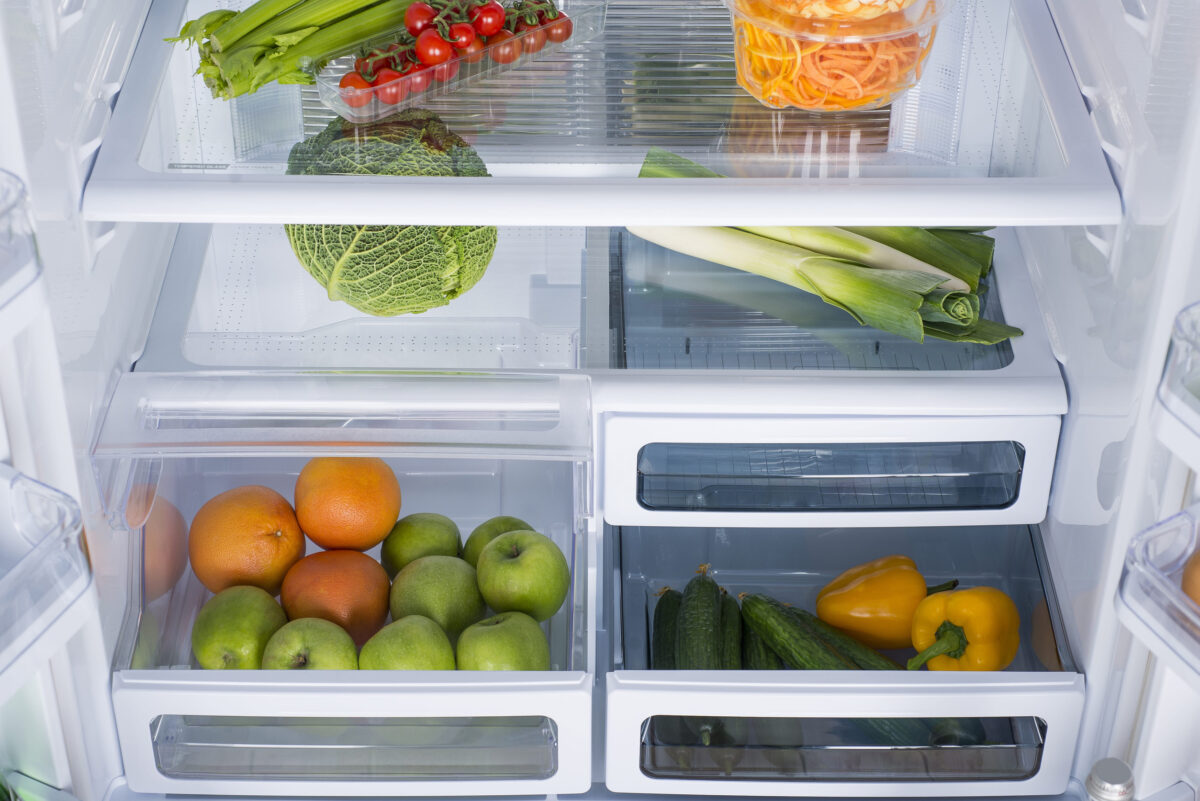
Have you ever wondered why your “fresh” produce often lasts longer than expected? That’s because many fruits and vegetables are sprayed with preservatives to extend their shelf life. While these chemicals are generally safe, they can give consumers a false sense of how fresh their produce actually is. Additionally, produce is often harvested before it’s fully ripe to ensure it can withstand shipping and handling, meaning you might not always be getting the peak of freshness.
The Dark Side of Factory Farming
Factory farming is responsible for a significant portion of the world’s food production, but it comes at a terrible cost to both animals and the environment. Mass-produced meat is often grown in confined spaces, where animals suffer from poor living conditions, stress, and disease. Not to mention, these farms contribute heavily to pollution, deforestation, and greenhouse gas emissions. The demand for cheap, mass-produced food leads to ethical compromises, yet many consumers are unaware of the real consequences behind the food on their plates.
Food Labels Aren’t Always What They Seem
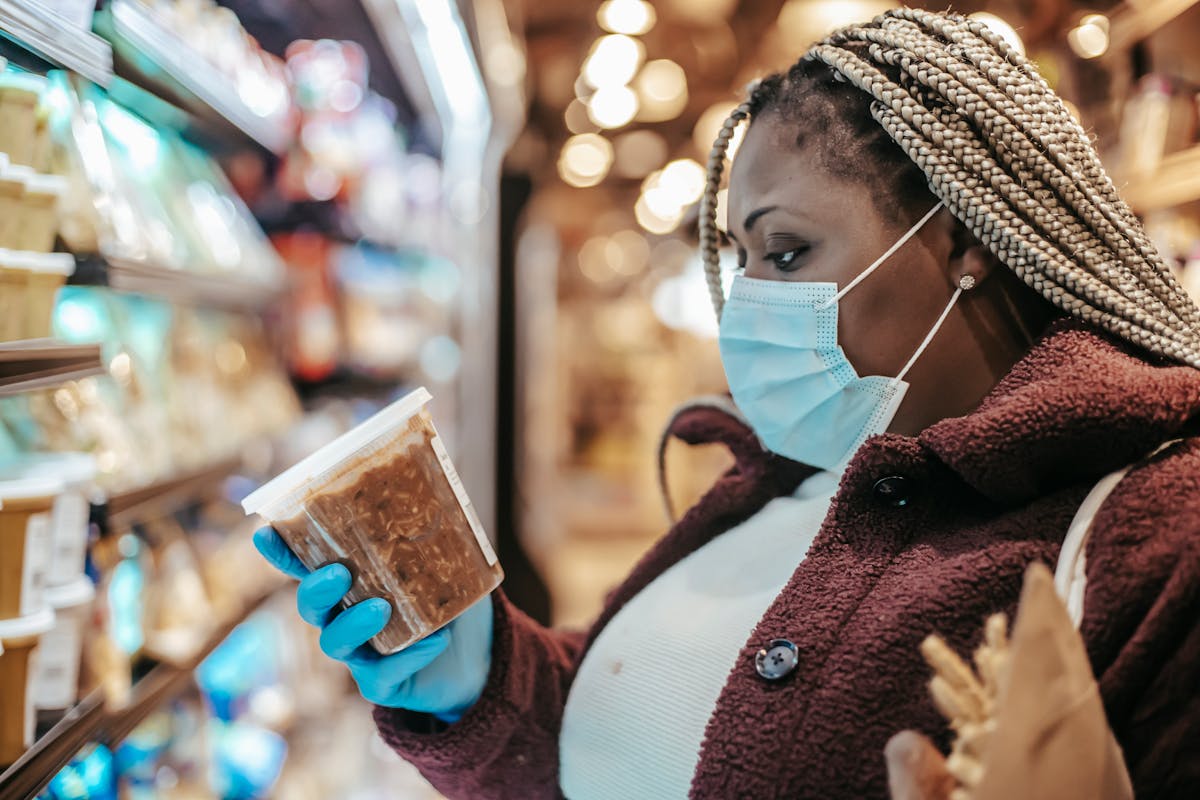
The terms “organic,” “natural,” and “gluten-free” have become buzzwords, but they’re not as strictly regulated as you might think. “Natural” food can still contain pesticides and artificial additives. “Gluten-free” products might be packed with other processed ingredients to make up for the texture and flavor that gluten provides.
And just because something is labeled as “organic,” doesn’t mean it’s entirely free from harmful chemicals; certain pesticides are still allowed in organic farming. It’s a case of marketing savvy, not necessarily healthier choices.
Big Food and Big Pharma Are Connected
The relationship between the food industry and the pharmaceutical industry is closer than you think. Many companies that manufacture processed foods also have ties to pharmaceutical giants, leading to potential conflicts of interest. For example, the overuse of processed foods contributes to obesity, diabetes, and heart disease, conditions that are often treated with prescription drugs. This creates a cycle where unhealthy food leads to more healthcare needs, driving up profits for both industries.
The Obsession with Low-Fat Foods

For years, food marketers have pushed low-fat products as the healthier option. However, in many cases, low-fat foods are packed with sugar and chemicals to compensate for the loss of flavor that fat provides. The truth is, not all fats are bad. Healthy fats, like those found in avocados, nuts, and olive oil, are essential for our bodies. But low-fat, high-sugar alternatives may actually be contributing to the obesity epidemic, while healthy fats are demonized.
The Unseen Effects of GMOs
Genetically modified organisms (GMOs) have become a staple in modern agriculture, allowing food producers to increase crop yields and resist pests. However, the long-term environmental and health effects of GMOs are still debated. Many countries have strict regulations on GMOs, while others, like the U.S., are more lenient. Critics argue that the lack of thorough testing on GMOs could lead to unforeseen consequences, both for our health and for the planet.
Fast Food Isn’t Really Fast
When you think of fast food, you might imagine it’s quick and easy, but what you don’t see is the hidden supply chain that goes into each burger, taco, or pizza. Most fast food restaurants source their ingredients from large, industrial farms and factory processing plants. This “fast” food is often processed, frozen, and chemically treated before it reaches the kitchen, making it far less fresh than it seems. The illusion of convenience is built on efficiency and cost-cutting at every step.
Hidden Sugar in Everyday Foods

We all know sugar is bad for our health, but what many don’t realize is just how much sugar is hidden in processed foods. It’s not just limited to candies and soft drinks; sugar is lurking in bread, sauces, and even salad dressings. Manufacturers add sugar to enhance flavor, preserve the product, or even mask less desirable ingredients. Even the “healthy” granola bar you pick up might contain more sugar than a chocolate bar, making it essential to read labels carefully.
Conclusion
As consumers, it’s important to question what we’re being told and make informed choices. The food industry is not always transparent, and many companies are more interested in profit than in providing you with healthy, sustainable options. By being aware of the hidden truths behind the food we consume, we can start making smarter, more ethical decisions at the store. The more we know, the less we can be manipulated by clever marketing and misleading labels.