The 10 Foods You Should Never Buy Organic
When you see the word “organic” on a food label, your mind may jump to the idea that it’s the healthier and safer option. And while organic produce can indeed be a great choice for some, not all foods are worth paying the premium for.
Organic foods are grown without synthetic pesticides and fertilizers, but they can be expensive,often 50% more than their non-organic counterparts. So, if you’re looking to save a few bucks while still eating healthily, it’s important to know which foods are actually okay to buy conventionally grown. Here are the top 10 foods you should never buy organic.
Avocados

Avocados are widely loved for their creamy texture and rich flavor, but they don’t need to be organic to deliver on those qualities.
Avocados have thick skins that protect the inner fruit from pesticides. The pesticide residue on avocados is minimal, so the organic version may not be worth the extra cost. Non-organic avocados tend to be just as nutritious, so unless you’re particularly focused on the environmental impact of their production, save your money and stick with conventionally grown ones.
Bananas
Bananas are another fruit that doesn’t need to be purchased organic.
Their thick peel acts as a barrier between the fruit and any pesticides used in farming. While the peel may contain pesticide residues, you’re not eating it, so it’s a non-issue when it comes to the fruit itself. Conventional bananas are inexpensive and available year-round, so there’s no need to splurge on the organic variety. Plus, bananas are among the least contaminated fruits when it comes to pesticide residues.
Cabbage
Cabbage is another affordable and nutritious vegetable that doesn’t require organic status.
It has a tough outer layer that can protect it from pesticide contamination. Even if pesticides are used during the growing process, they don’t typically penetrate the cabbage itself. If you’re buying cabbage to add to salads, soups, or stir-fries, you can save money by choosing conventional over organic without compromising on nutritional value.
Sweet Corn
Sweet corn is one of the most commonly grown crops in the United States, and it doesn’t need to be organic to be a healthy choice.
While growing, corn may be treated with pesticides, but its outer husk protects the kernels, which are the edible part. As a result, the level of pesticide residue on sweet corn is minimal. If you’re purchasing corn on the cob or canned corn, conventional options will usually suffice. Organic corn can be a bit of a splurge, with little health benefit.
Pineapple
Pineapples have a tough exterior that shields the fruit from most pesticide exposure. The outer skin is not edible, so any pesticides applied during growth don’t affect the interior of the fruit.
Buying conventional pineapples is an easy way to save some money without sacrificing taste or quality. Moreover, pineapples are grown in tropical regions where pesticide use is typically well-regulated, making it unnecessary to opt for the organic variety.
Onions
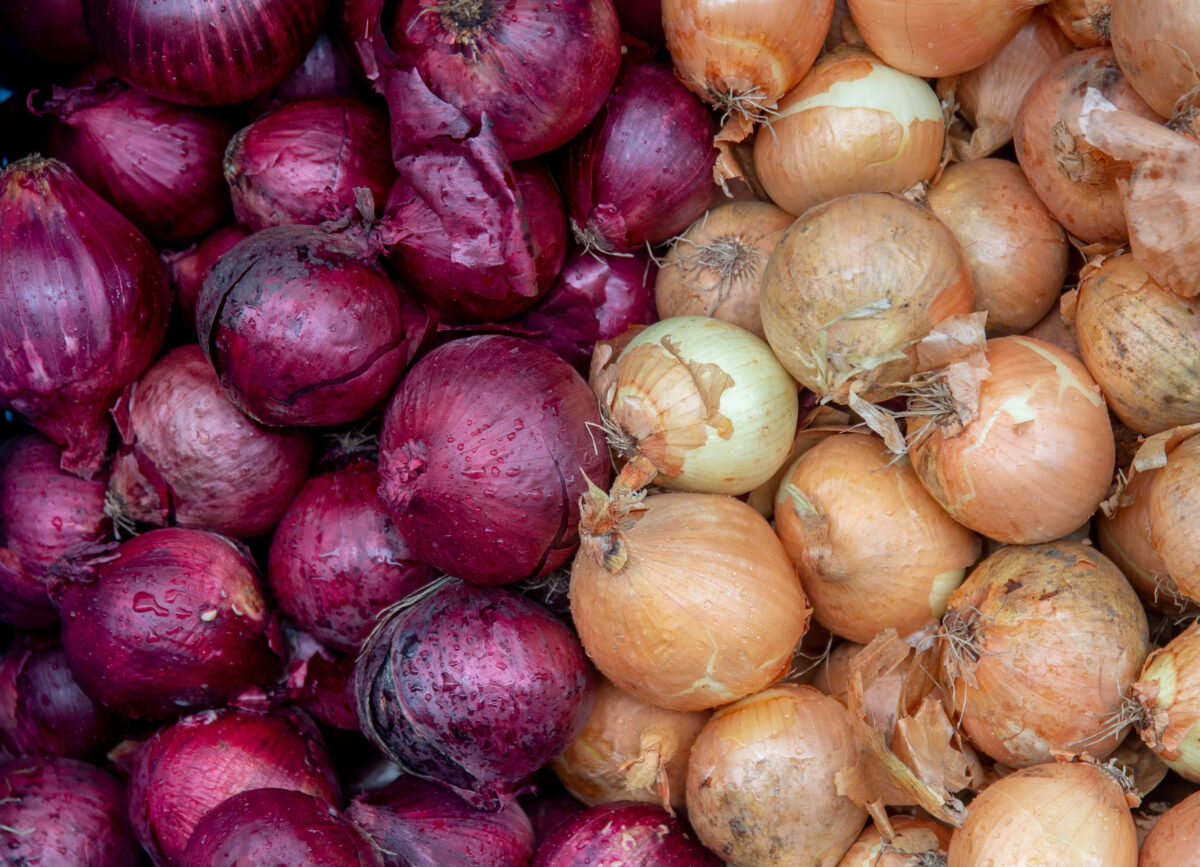
Onions are one of the most pesticide-resistant vegetables because they have a natural protective layer. The papery skin that coats the onion prevents pesticides from reaching the edible flesh.
Whether you’re using them for flavor in soups, stews, or salads, conventional onions are just as safe as organic ones. There’s no reason to pay extra for organic onions when the regular ones do the job just as well.
Watermelon
Watermelon is another fruit that has a thick rind that protects the flesh from external contaminants. The flesh is where all the sweetness lies, and it’s not exposed to pesticides.
Watermelons, like many other fruits with tough exteriors, are safe to buy in their conventional form. When you’re purchasing watermelon for a refreshing treat, save your budget by avoiding the organic version; it’s not necessary for your health or flavor.
Mangoes
Mangoes have a tough outer skin that helps to shield the sweet, juicy flesh inside. Pesticides typically stay on the skin and don’t seep into the fruit.
Mangoes are also grown in countries with regulated pesticide use, further reducing the need for an organic label. If you’re craving this tropical fruit, opt for the conventional version and save yourself the extra cost. The difference in taste and nutrition between organic and non-organic mangoes is negligible.
Asparagus
Asparagus is relatively low in pesticide residue, and its tough stalks act as a barrier to contamination. Most pesticides used during cultivation are sprayed onto the soil and remain on the outer skin, which is not eaten.
Unless you’re concerned about the environmental impacts of conventional farming, purchasing organic asparagus is an unnecessary expense. The taste and nutritional benefits of non-organic asparagus are nearly identical, so you can comfortably buy it without breaking the bank.
Cucumbers

Cucumbers are a popular vegetable in salads, sandwiches, and smoothies, but they don’t require organic status. The skin of cucumbers can be peeled if you’re concerned about pesticide residues, making it unnecessary to splurge on the organic variety.
While cucumbers do have some pesticide exposure, it’s unlikely that those residues will affect your health. If you’re eating cucumbers raw or adding them to a dish, save your dollars for other organic options and choose conventional cucumbers instead.
Conclusion
When buying organic, it’s essential to consider both environmental impact and health benefits. While organic food may seem like the healthier choice, it’s not always necessary to buy everything organic.
The foods listed here,avocados, bananas, cabbage, sweet corn, pineapple, onions, watermelon, mangoes, asparagus, and cucumbers, are perfectly safe and nutritious in their conventional form. Their natural protective skin or outer layer reduces pesticide residue, making them less likely to carry harmful chemicals into your body.
Ultimately, saving money on these foods means you can focus your organic food budget on items that benefit more from the organic label, such as leafy greens or berries, which are more susceptible to pesticide contamination. By making informed choices about where to spend your money on organic products, you can enjoy a healthy diet without breaking the bank. So, next time you’re at the grocery store, remember: not every food item requires the organic label.