Foods That Should Never Be Refrigerated
Refrigerators are often seen as the go-to solution for preserving food, with many believing that the colder the environment, the longer their food stays fresh.
However, contrary to popular belief, not all foods belong in the fridge. In fact, storing certain items in the refrigerator can actually cause them to deteriorate faster or lose their flavor and texture. Let’s explore the common foods you should never refrigerate, and why doing so can be a costly kitchen mistake.
Tomatoes
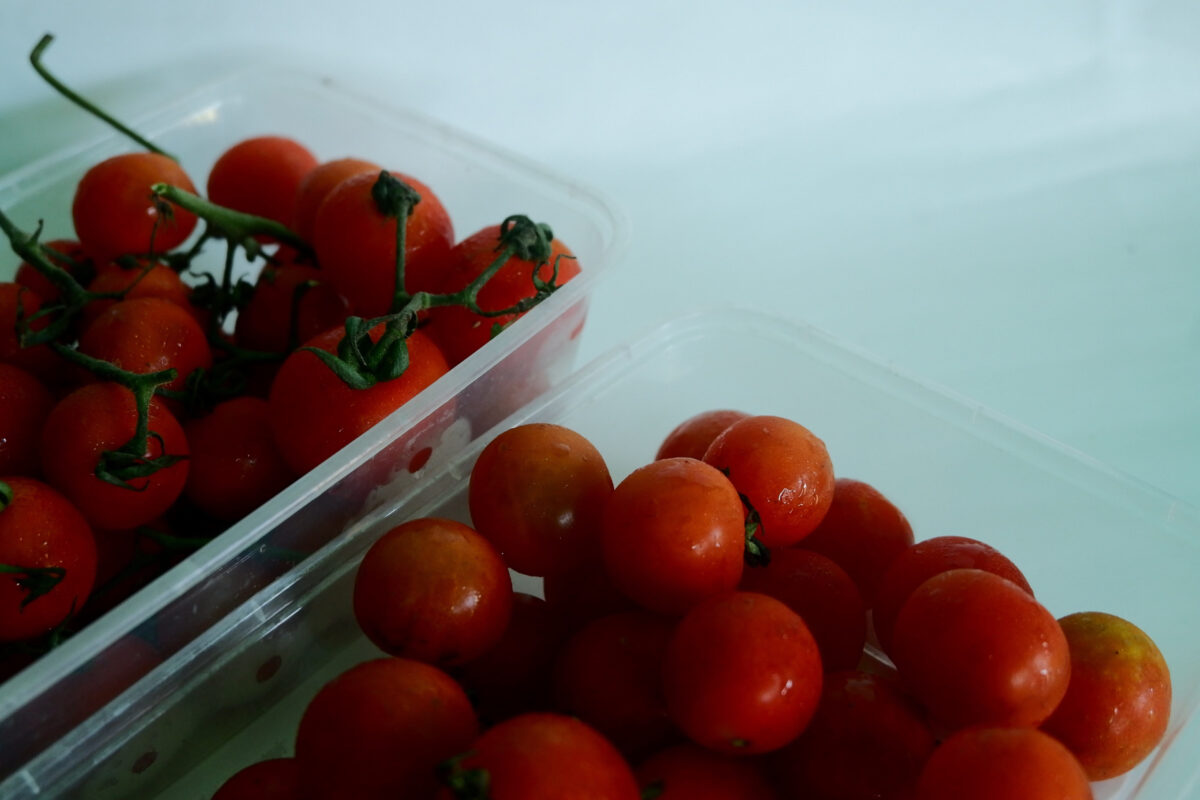
Tomatoes are best stored at room temperature, away from direct sunlight. When refrigerated, tomatoes lose their natural sweetness and flavor. The cold causes their cells to break down, altering their texture and making them mealy and unappetizing. By keeping them on your kitchen counter, you can help tomatoes ripen evenly and retain their full, rich flavor.
Many people may argue that refrigerating tomatoes prolongs their freshness, but in reality, they lose more of their flavor and quality when stored in the fridge. A simple trick is to store tomatoes in a bowl with the stem side facing down. This reduces exposure to air and prevents premature ripening.
Potatoes
While potatoes may seem like an obvious candidate for refrigeration, they are better off stored in a cool, dark place such as a pantry or cupboard. Refrigeration alters the starch in potatoes, turning it into sugar, which results in an unpleasant sweet taste and a grainy texture when cooked. Moreover, the cold temperatures can cause the potatoes to develop dark spots and sprout more quickly.
A good rule of thumb is to store your potatoes in a breathable container, such as a paper bag, and avoid sealing them in plastic bags, which can trap moisture and cause rot.
Bread
Bread, whether fresh or toasted, should never be kept in the fridge. While refrigeration can extend bread’s shelf life, it does so at the expense of its taste and texture. When stored in the fridge, bread dries out and goes stale much faster due to the cold. The bread’s moisture is drawn out, resulting in a dense, crumbly loaf that’s far less appealing than its soft, freshly baked counterpart.
Instead, if you plan to keep bread for a longer period, freezing it is a much better option. Simply slice it first, then place it in an airtight bag. This ensures you have fresh bread when you need it, without compromising on quality.
Avocados
Avocados are one of those fruits that should never see the inside of a fridge until they are fully ripe. If you store an unripe avocado in the fridge, it will slow its ripening, leaving you with a hard, unappetizing fruit. Instead, leave them on the counter until they ripen, which typically takes a few days depending on their level of maturity.
Once ripe, you can refrigerate your avocado to extend its freshness for a couple of days. Just be sure to store it in an airtight container or wrap it tightly in plastic wrap to prevent oxidation, which can cause browning.
Honey
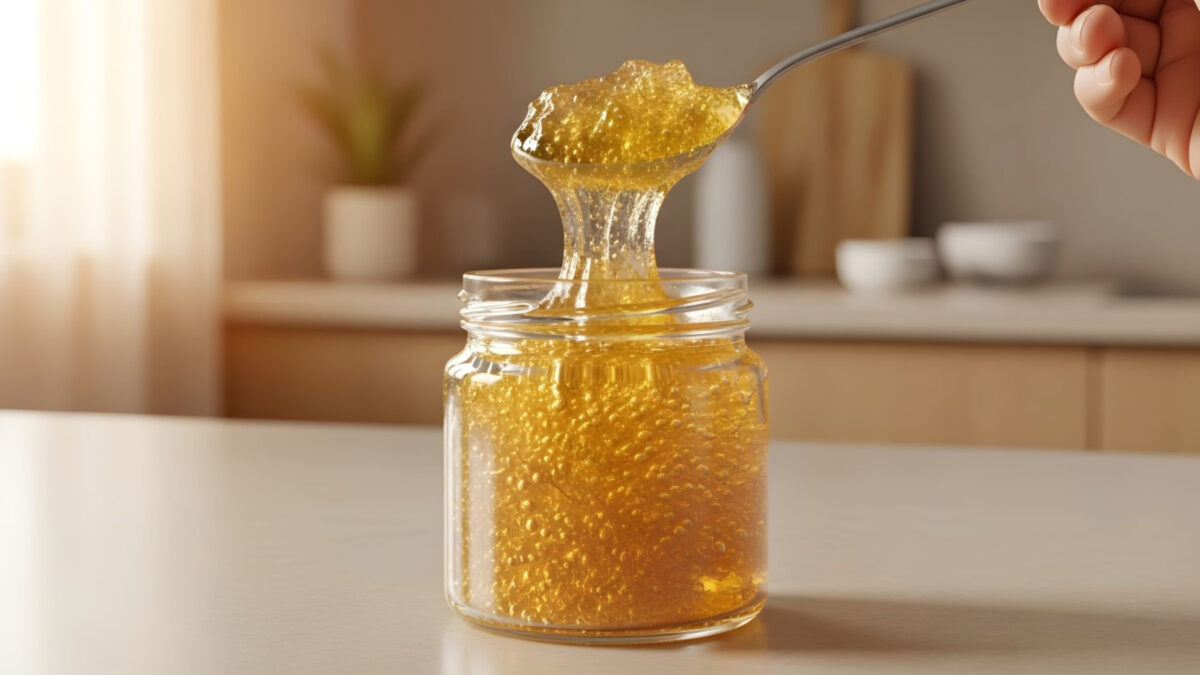
Honey is one of the few foods that never spoils. Thanks to its high sugar content and low moisture, honey is naturally resistant to bacteria and mold. Storing honey in the refrigerator can cause it to crystallize and harden, making it difficult to use. Instead, keep your honey at room temperature in a cool, dry place. It will remain smooth and easy to drizzle for months or even years.
If your honey does crystallize, don’t panic. Simply place the jar in warm water for a few minutes, and it will return to its liquid state without losing any flavor.
Garlic
Garlic is another kitchen staple that is best kept out of the fridge. Storing fresh garlic in the refrigerator can encourage mold growth and sprouting. The cold and moisture can also cause it to lose its pungent flavor. Garlic should be stored in a cool, dry place, such as a basket or mesh bag, away from sunlight and humidity.
If you have a surplus of garlic, try storing it in a hanging braid, which allows air to circulate around each bulb. This not only prolongs its shelf life but also adds a rustic charm to your kitchen.
Bananas
Bananas are notorious for ripening quickly in the fridge, and although the skin may darken, the fruit inside won’t stay firm and fresh for long. The cold temperature interrupts the ripening process and negatively affects their texture, making them mushy and unpleasant. Bananas should always be kept at room temperature, preferably in a bowl or hung from a hook to prevent bruising.
If you find yourself with an overripe banana, don’t throw it away! Overripe bananas are perfect for baking banana bread or smoothies, where their sweetness and softness can shine.
Apples
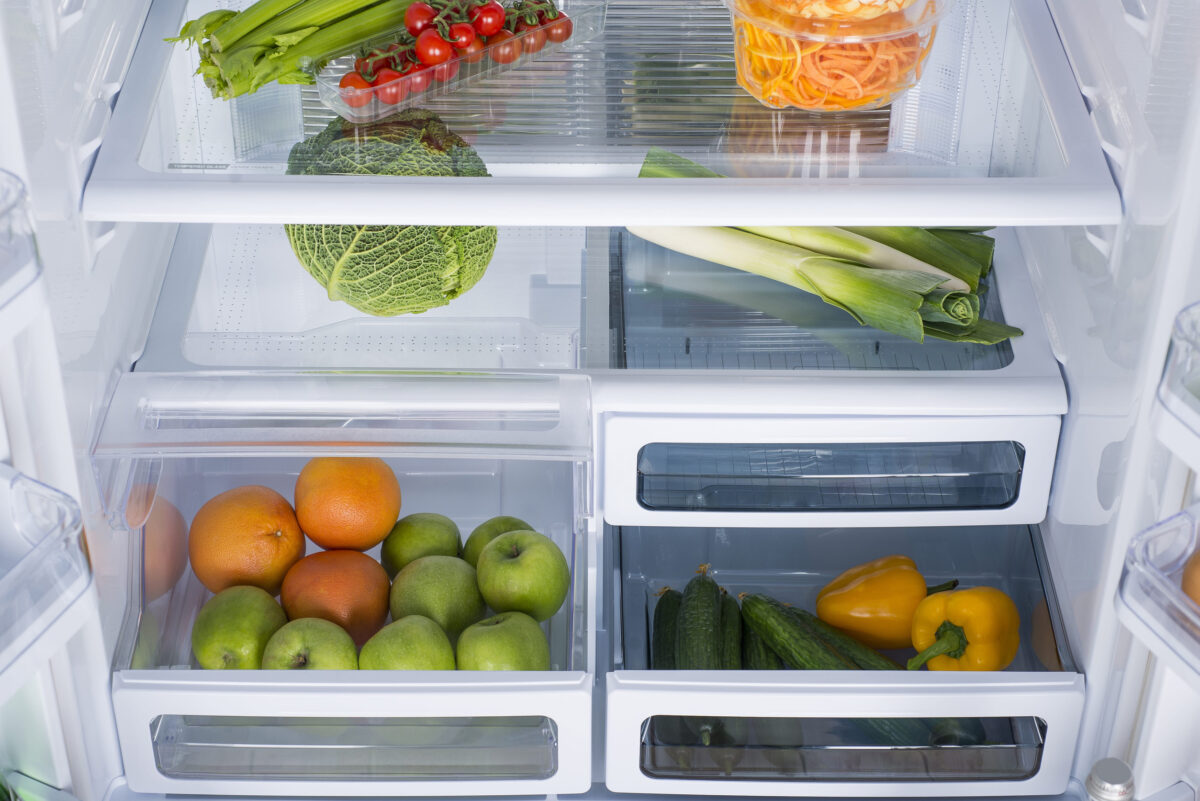
Although many people store apples in the fridge to keep them crisp, apples actually do best when kept at room temperature, especially when they’re freshly picked. Storing apples in the fridge can lead to a loss of flavor and texture, as the cold air dulls their sweetness and causes a waxy film to form on their skin. Apples are naturally suited for storage at room temperature, which preserves their full flavor and crunch.
To prolong apple freshness, store them in the fridge once ripe, but remember that room-temperature storage is ideal for enjoying them at their peak.
Cucumbers
Cucumbers, much like tomatoes, do not belong in the fridge. Refrigerating cucumbers makes them soggy, wilt, and lose their crispness. The cool air can damage their delicate skin, leading to a lackluster texture and flavor. Instead, cucumbers should be stored in a cool, dry place, away from direct sunlight.
If you have leftover cucumbers, wrap them in a dry cloth and store them in a drawer or on the counter. This will help retain their freshness without compromising their crunch.
Melons
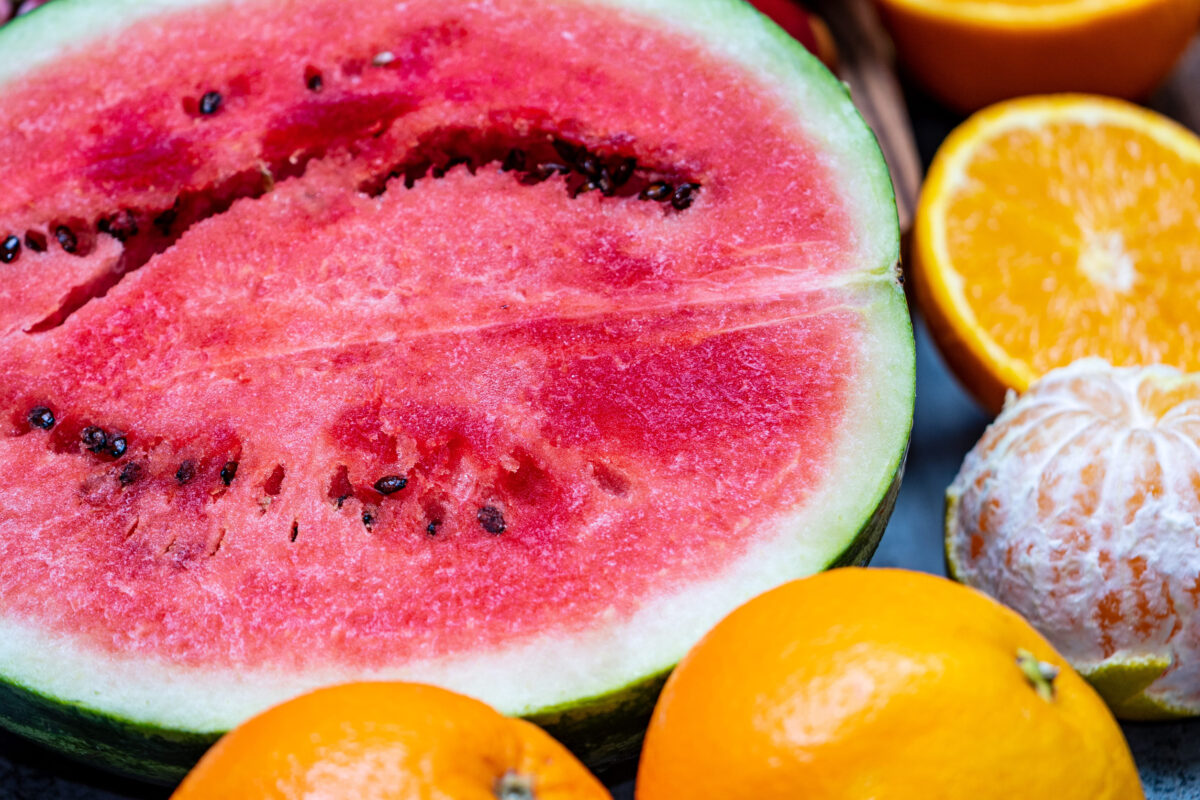
Melons such as watermelon, cantaloupe, and honeydew should be refrigerated only after cutting. Storing whole melons in the fridge can cause them to lose their flavor and become watery. The cold also reduces their sweetness and makes the flesh less juicy. Whole melons should be stored at room temperature to ripen properly and develop their full flavor.
After cutting melons, however, they should be wrapped tightly and stored in the fridge for a few days to maintain freshness.
Conclusion
Storing food correctly is essential for maintaining its taste, texture, and nutritional value. While refrigeration is undoubtedly a useful tool for preserving many foods, it is not always the best option. As we’ve seen, certain foods, such as tomatoes, potatoes, bread, and honey, can suffer when stored in the fridge.
By understanding the needs of different ingredients and providing the right environment, you can ensure your food stays fresh and flavorful longer. So, the next time you’re organizing your kitchen, remember these guidelines and avoid making the common mistake of refrigerating foods that don’t belong there.