The 6 Foods That Went From Poor People Staples to Rich People Trends
Food trends come and go, but some foods have risen from humble beginnings to become luxury items. While some would argue that food’s value is tied to quality or scarcity, others would point out that a change in perception is all it takes to elevate a dish from a poor person’s staple to a trendy indulgence among the elite.
There are foods that were once associated with low-income households and resourcefulness, but over time, they have become symbolically tied to a more exclusive lifestyle. Let’s explore six such foods, and how they went from humble roots to appearing on expensive restaurant menus and in the pantries of the wealthy.
Mac and Cheese
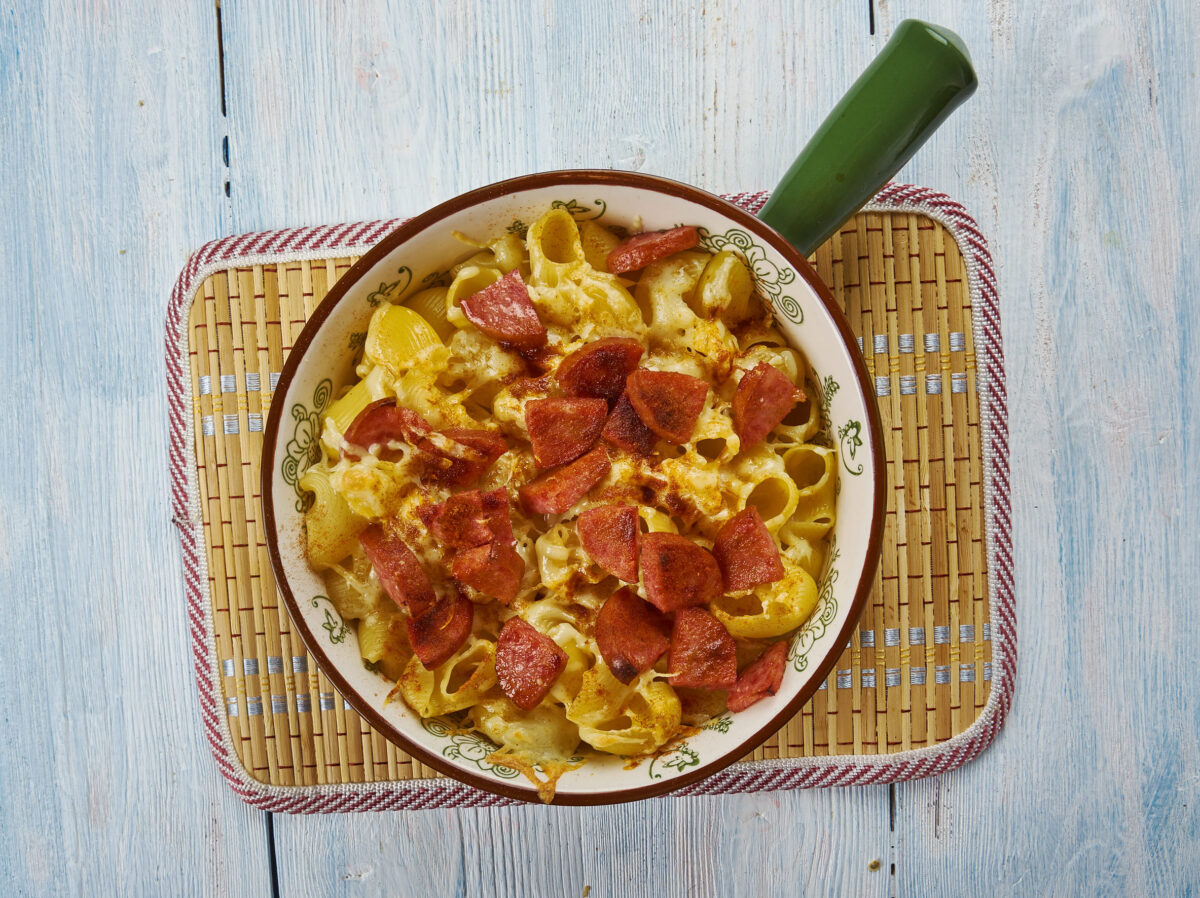
For many years, mac and cheese was the quintessential comfort food. It was a budget-friendly meal made of simple ingredients like pasta, cheese, and milk. A dish most commonly seen in working-class households, it was the go-to for quick and inexpensive meals, particularly during tough times.
However, in recent years, mac and cheese has undergone a high-end makeover. No longer just the box version, prepared with a few simple ingredients, the dish now graces the tables of gourmet restaurants. Chefs have introduced various forms of mac and cheese, like truffle-infused versions, lobster mac and cheese, and even mac and cheese topped with caviar. Some high-end restaurants serve this dish for prices upwards of $40, and it has become a luxury food item served as a starter or side dish in upscale establishments.
The humble macaroni dish’s reinvention reflects how a once-affordable, utilitarian meal can be transformed into a rich person’s indulgence by adding luxury ingredients.
Caviar
Caviar, widely known today as a symbol of wealth and exclusivity, has a humble history. Originally, caviar was enjoyed by the common folk of Russia, where it was seen as an affordable source of protein. In fact, it was so inexpensive in the early days that it was often served in taverns and eaten by the working class.
As the Russian aristocracy began to adopt the delicacy and demand for it grew, caviar became synonymous with royalty and nobility. With the rise of global luxury culture, caviar’s price skyrocketed, making it one of the most expensive foods in the world today. The fish eggs, once a simple snack, are now a lavish treat served with champagne at fancy events, placed delicately on blinis, or as an accompaniment to expensive dishes like foie gras.
This transformation from a cheap snack to a luxury indulgence is a prime example of how food culture evolves through societal shifts and class differentiation.
Ramen
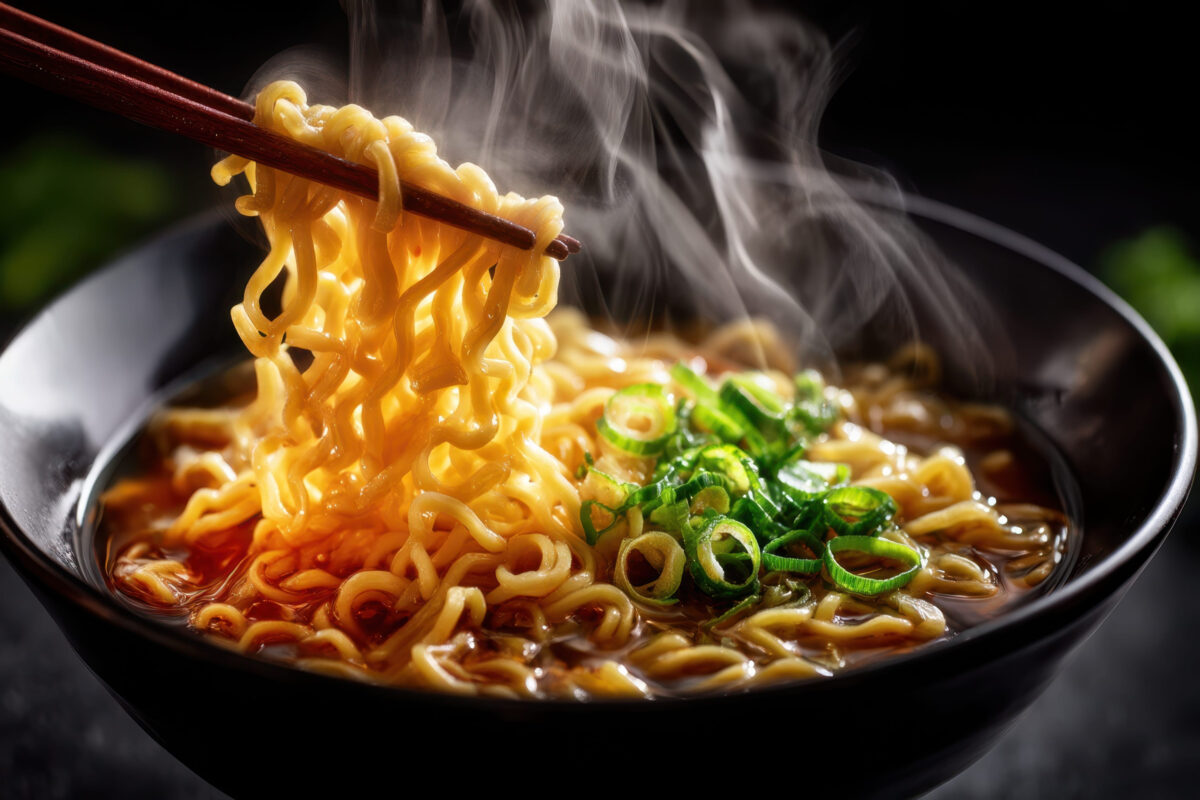
Ramen is another dish with a fascinating transformation. In Japan, ramen was originally a cheap, filling meal that was often eaten by workers and students on a tight budget. Its simplicity, low cost, and quick preparation made it a go-to comfort food. Instant ramen, particularly, became iconic in many countries, offering a meal for mere cents.
But in recent years, ramen has been rebranded as a sophisticated culinary experience. Some of the world’s most celebrated chefs have put their spin on the humble ramen, incorporating high-quality broths, gourmet toppings, and rare ingredients such as wagyu beef, truffles, and even gold flakes. Gourmet ramen bars now charge up to $50 for a bowl, showcasing how an inexpensive dish can be elevated into an extravagant dining experience.
Ramen’s transformation from a student meal to a luxury food option reflects a broader trend of nostalgia-driven luxury foods, in which simple dishes are reimagined and given an extravagant makeover.
Fried Chicken
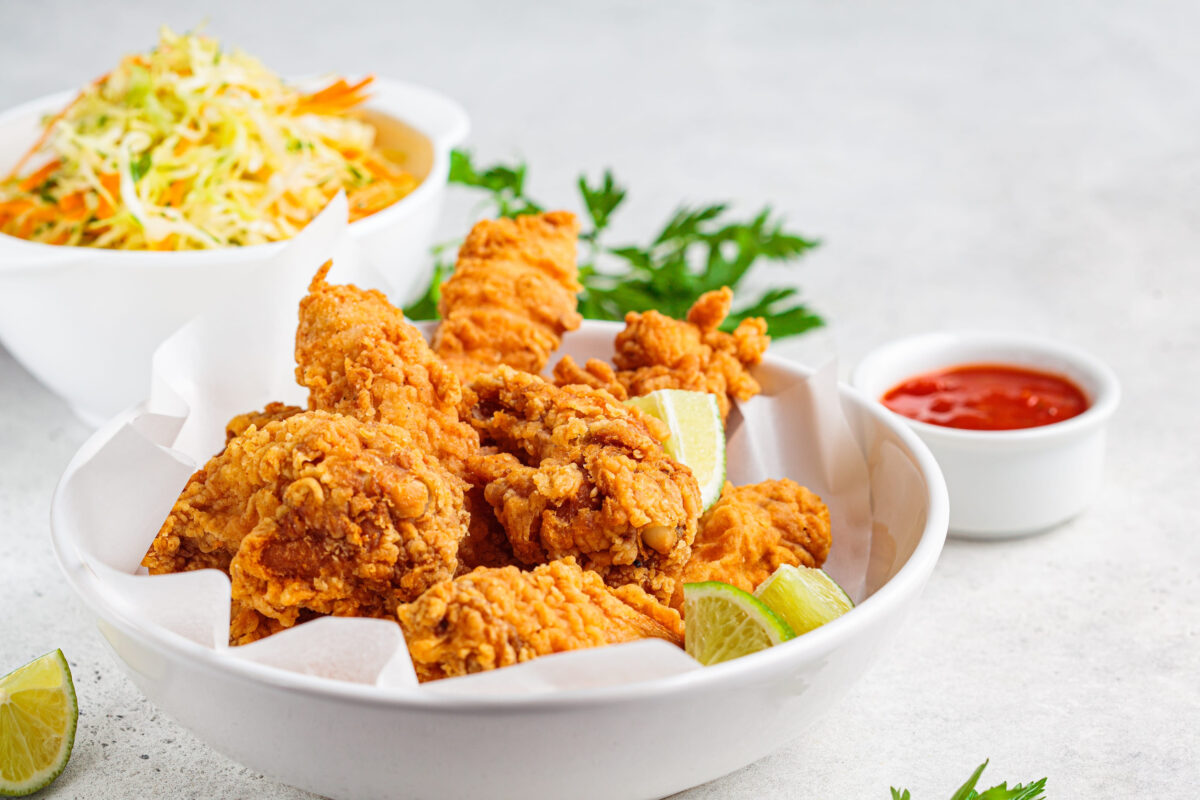
Fried chicken has long been considered a staple of Southern comfort food and working-class households across the United States. Its crispy exterior, tender meat, and rich flavor made it a beloved dish for generations, typically served alongside affordable sides like mashed potatoes and collard greens.
However, over the years, fried chicken has been given a gourmet twist. High-end restaurants have started serving variations of the dish with exotic seasonings, premium cuts of chicken (such as free-range or organic), and high-quality oils like truffle oil. The rise of “fancy” fried chicken restaurants, where a single serving can cost upwards of $30, shows just how far this comfort food has come. Some establishments even serve fried chicken with high-end sides like foie gras, elevating a once humble meal to luxury status.
Fried chicken’s upscale transformation is part of the broader trend of comfort foods being reinterpreted and rebranded for a new, wealthier audience.
Tacos
Tacos, a quintessential street food originating in Mexico, were once considered a low-cost, simple meal enjoyed by the working class. Street vendors would serve up tacos stuffed with inexpensive meats like beef, pork, and chicken, accompanied by fresh salsas, all for a minimal price.
Over time, tacos have found their way into fine-dining establishments, where chefs serve gourmet variations of the street classic. From taco fillings made with exotic meats like duck, lobster, or Kobe beef, to the addition of luxury ingredients like avocado and truffle oil, tacos are no longer just a quick snack but a refined dish for the rich. Today, it’s not uncommon to find a taco on a high-end restaurant menu priced at $15 or more, an astonishing leap from its original price.
This shift is a perfect example of how food, once associated with everyday life and affordability, can become an exclusive luxury item through creative reinterpretation and the incorporation of rare ingredients.
Oysters
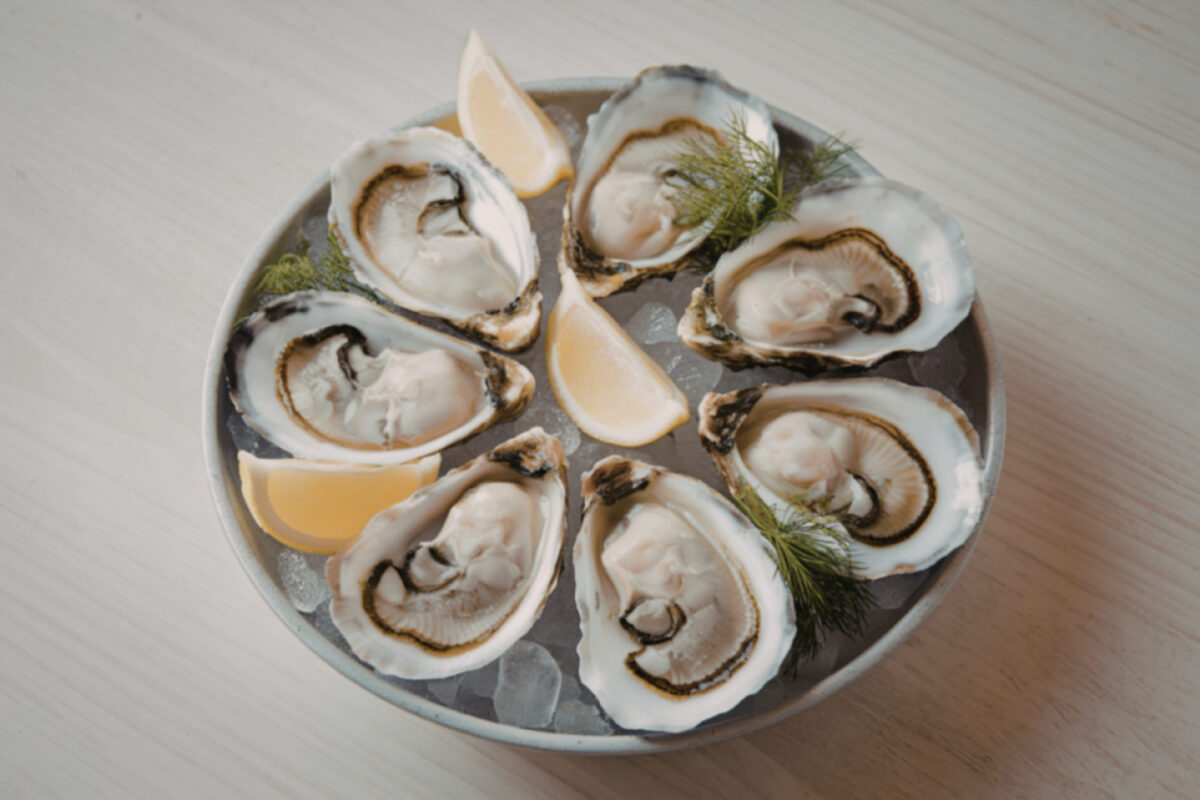
Oysters, like caviar, were once eaten by the working class in coastal regions and were often considered a cheap, accessible protein. In the past, oysters were harvested and consumed in large quantities by lower-income communities along the East Coast of the United States and parts of Europe.
Today, oysters are a hallmark of fine dining, served on ice at high-end restaurants and seafood bars across the world. The price of oysters has increased dramatically, with the rarest varieties fetching hundreds of dollars per dozen. They are often served with champagne, and their appeal has been solidified by their association with luxury and exclusivity. In fact, oysters are now considered an aphrodisiac, and the rich indulge in them as part of extravagant feasts, making them a symbol of refined taste and indulgence.
Oysters’ shift from a common food to an elite status symbol highlights how perceptions of food are shaped by trends, marketing, and class distinctions.
Conclusion
These six foods demonstrate how the value of a dish is not always tied to the cost of its ingredients but rather to its cultural significance and perception. What was once a meal for the masses can, over time, be transformed into a luxurious indulgence through creative reimagining, a shift in societal norms, and the infusion of high-end ingredients.
From mac and cheese to oysters, the foods once staples of the working class have been rebranded as trendy dishes for the wealthy. As our tastes evolve and food trends come and go, one thing is clear: a dish’s value can be as much about perception as it is about the price tag.