The 10 Foods You Should Never Cook on Cast Iron
Cast iron skillets are a staple in many kitchens, offering durability, even heat distribution, and a naturally non-stick surface when properly seasoned. However, some foods simply don’t mix well with this kitchen tool.
While cast iron is versatile, certain dishes and ingredients can damage the cookware, alter your food’s flavor, or even ruin your dish. If you want to keep your cast-iron skillet in top shape and make sure your meals come out tasting perfect, it’s essential to know which foods should be avoided in the skillet.
Tomatoes
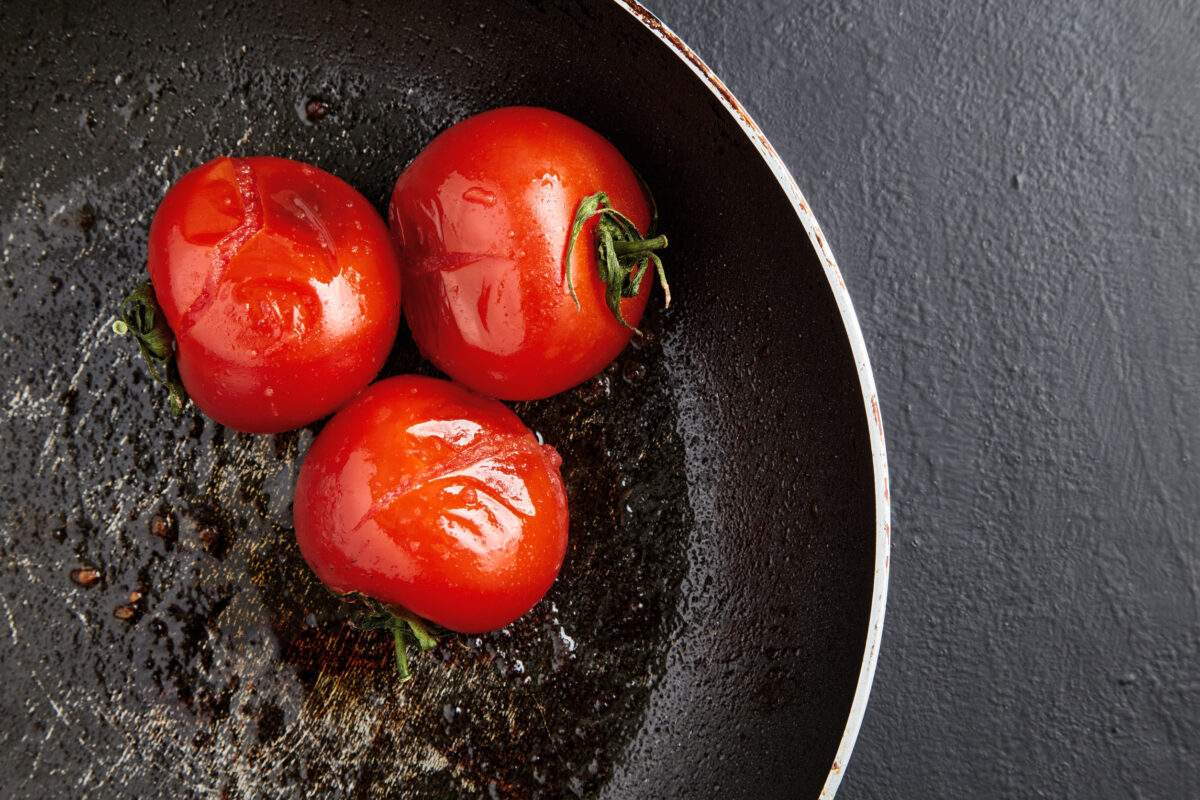
Tomatoes, along with other acidic foods, can be problematic when cooked in a cast-iron skillet. The acid in tomatoes reacts with the metal, which can strip the seasoning layer, leaving a metallic taste in your food. This is particularly true when cooking tomato sauces or dishes that involve a lot of tomatoes.
The acidity breaks down the seasoning over time, and without this protective layer, your cast iron can rust more easily. While a few tomatoes in a dish won’t do immediate harm, cooking large amounts for extended periods is best avoided.
Delicate Fish
While hearty fish like salmon or tuna can fare well in a cast-iron skillet, delicate fish like tilapia or flounder are a different story. These tender fish are prone to sticking to the skillet, even when well-seasoned, due to their fragile texture.
Overheating delicate fish can cause them to fall apart, leading to a messy cleanup. It’s better to use non-stick pans for these more fragile proteins. Save the cast iron for thicker cuts of fish that can withstand the intense heat without falling apart.
Eggs
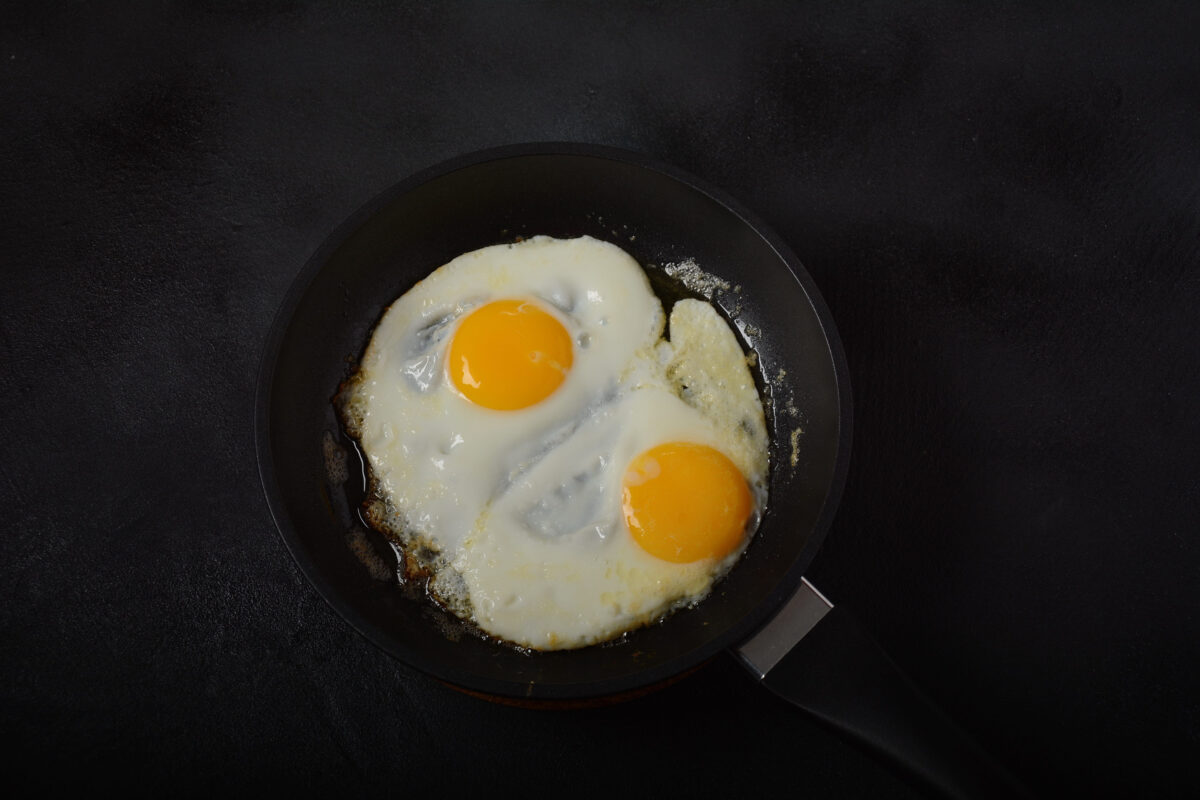
Eggs might seem like an easy food to prepare in a cast-iron skillet, but they can be a bit tricky. Eggs, especially scrambled or fried, tend to stick to the surface if they’re not perfectly seasoned or the pan isn’t hot enough. Cast iron requires the right amount of heat and oil to keep eggs from sticking.
Without this, you may end up scraping eggs off your skillet instead of serving them. It’s worth noting that if you’re working with a well-seasoned pan, you can get a pretty decent result, but non-stick pans still win for eggs.
Anything Sticky
Cooking sugar-based dishes in a cast-iron skillet, like caramel or syrup-based sauces, can be disastrous. Sugar can burn quickly at high temperatures, leaving a sticky residue that is a nightmare to clean.
Even when properly seasoned, sugar can cling to the skillet, ruining both the seasoning and the food. If you want to make a caramel sauce or cook with syrup, stick with a stainless steel or non-stick pan. These materials are much easier to clean after sugar-based cooking.
Acidic Fruits
Like tomatoes, acidic fruits like pineapple, citrus, and berries can also wreak havoc on cast iron. The high acidity can interact with the seasoning, breaking it down over time. This also leads to an undesirable metallic flavor that can ruin the dish.
While a quick stir-fry with a few pieces of pineapple may not cause immediate harm, it’s better to avoid cooking entire fruits or dishes where the acidity would dominate, such as in fruit compotes or tarts.
Wine
Cooking with wine in a cast-iron skillet, especially for a long period, can be detrimental. While a splash of wine in a sauce may not harm the skillet, simmering wine in the pan can strip the seasoning from the skillet.
As with tomatoes and citrus, the wine’s acid reacts with the metal. The long cooking time required for wine-based sauces also increases the risk of damaging your skillet’s seasoning layer. For a smoother cooking experience, reach for a glass or stainless-steel pan when cooking with wine or any wine-heavy dish.
Sticky Sauces
Barbecue sauce, teriyaki sauce, and other sticky, sugary sauces can be tough to clean from cast-iron skillets. These sauces tend to burn onto the surface, particularly when cooked at high heat, and can be very difficult to scrub off.
Even with a well-seasoned skillet, these sauces often leave a mess behind, damaging the seasoning and making it harder to clean the cookware. When making a dish with sticky sauces, like ribs or chicken wings, it’s best to use a stainless steel or non-stick pan for better cooking and cleaning.
Cheese
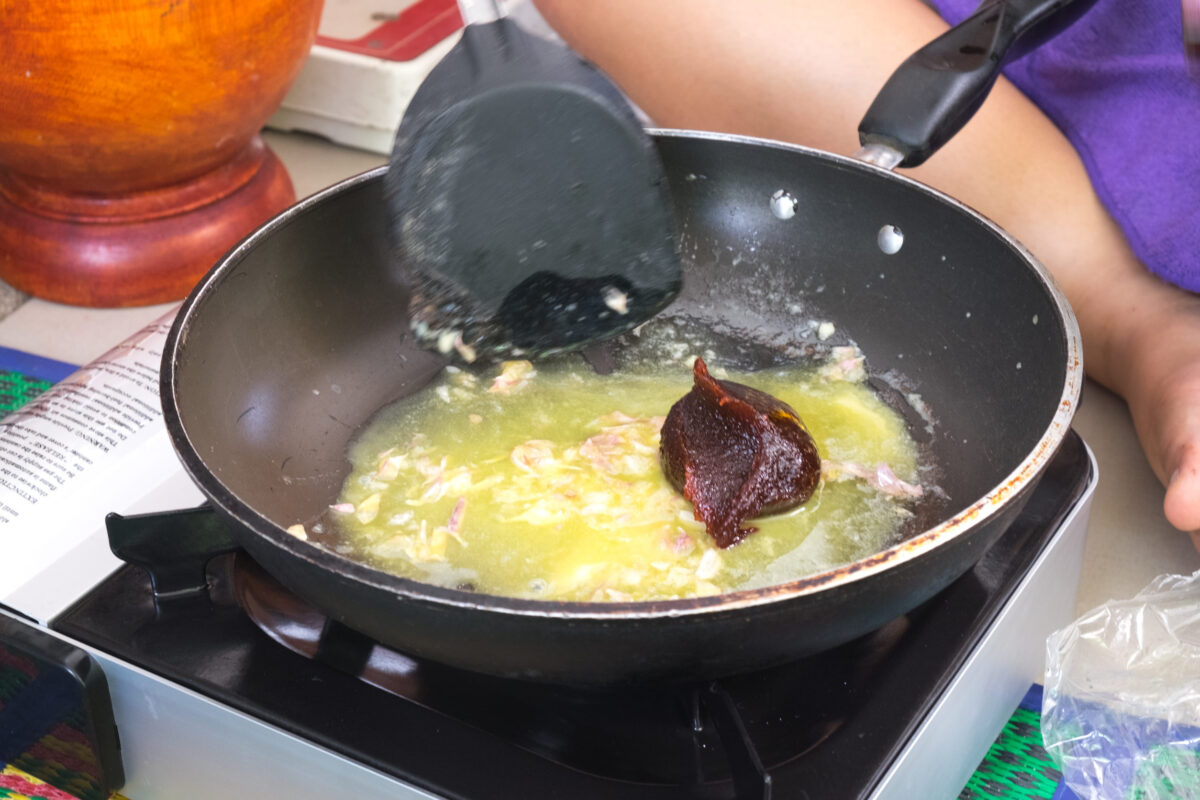
Cheese can be a delightful addition to many dishes, but when melted in a cast-iron skillet, it can become a sticky nightmare. Cheese is often difficult to remove from any surface, but it’s particularly troublesome on cast iron. The melted cheese clings to the pan, leaving a mess that requires much more scrubbing than other foods.
Even with a well-seasoned skillet, melted cheese can compromise the seasoning. For cheese-heavy dishes like fondue or grilled cheese sandwiches, stick to a non-stick or stainless-steel skillet for easier cleanup.
Crispy Foods
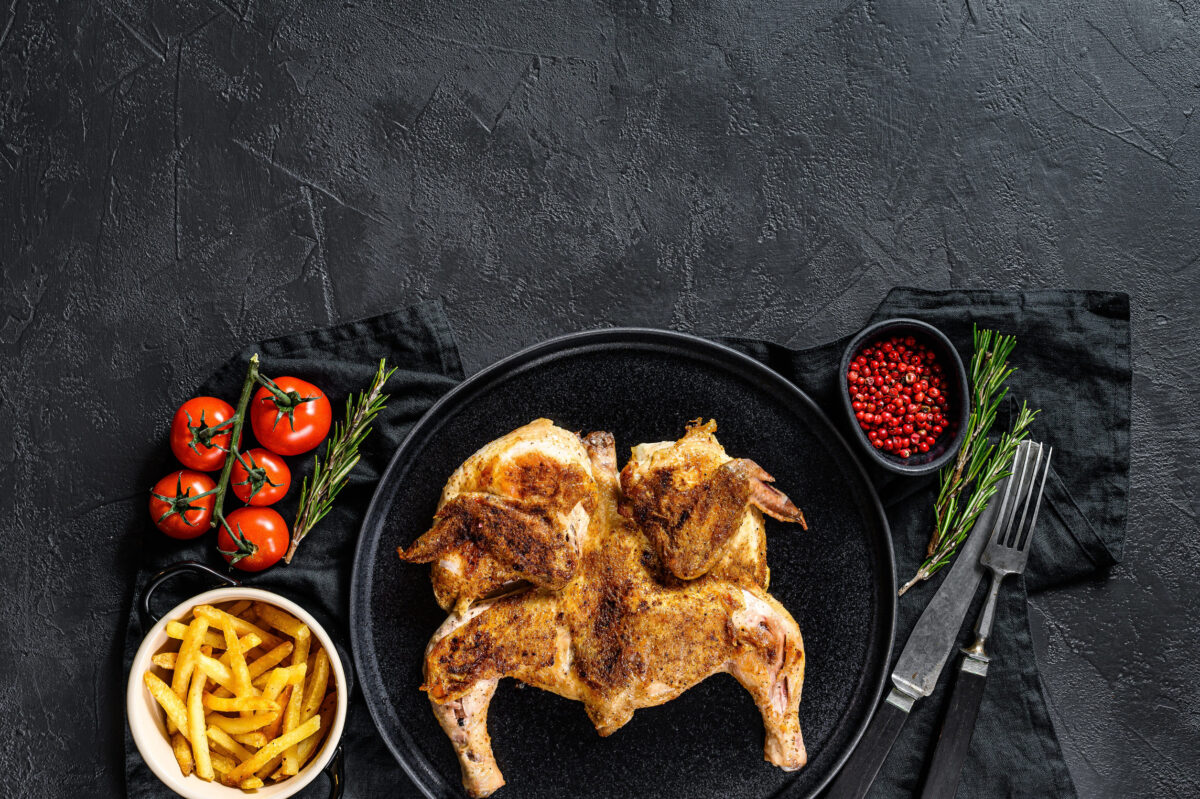
When preparing crispy foods like fried chicken or French fries, cast iron is a great option because it holds heat well and provides even cooking. However, the oil needed to create that crispy exterior can leave behind residue that’s difficult to clean.
Excess oil can also affect the skillet’s seasoning, especially if it gets too hot and burns. If you want to avoid the hassle of cleaning up after frying, consider using a deep fryer or a stainless steel pan. Cast iron may be too much of a hassle for deep frying or making crispy foods.
Foods That Require Low, Even Heat
Cast iron is an excellent choice for high-heat cooking, but it’s not ideal for foods that require low, even heat over a long period.
Dishes like delicate sauces or slow-cooked stews are best suited for pots and pans that distribute heat evenly at lower temperatures, such as enamel-coated cast iron or stainless steel. If you’re making a delicate soup or slow-cooking a sauce, the intense heat retention of cast iron can cause burning or uneven cooking, making it difficult to control the dish. Opt for a slower cooking method with the appropriate cookware.
Conclusion
While cast-iron skillets are incredibly durable and versatile, they do have limitations. Certain foods and ingredients can interact with the metal, damage the seasoning, or create a sticky mess that is difficult to clean.
To preserve the quality of your cookware and your meals, it’s important to avoid cooking acidic foods, delicate proteins, sticky sauces, and other ingredients that can damage your skillet or make cleanup difficult. With the right care and knowledge of what to avoid, your cast-iron skillet can remain a valuable tool in your kitchen, providing great meals and lasting for generations.