Foods You Should Never Cook in Aluminum Foil
Aluminum foil is often considered a kitchen essential for its versatility and convenience. From wrapping leftovers to cooking delicate fish, it seems like a miracle material.
However, did you know that certain foods should never be cooked in aluminum foil? While it’s easy to assume that aluminum foil is harmless, there are potential risks associated with cooking specific foods in this common kitchen item. In this article, we’ll dive into the foods that pose hidden dangers when cooked in aluminum foil and explain why you should reconsider using it for some cooking tasks.
The Hidden Dangers of Aluminum Foil
Before we explore the foods to avoid, it’s important to understand why aluminum foil can be problematic. When you cook certain foods wrapped in aluminum foil, the food can react with the foil, causing aluminum to leach into your food.
This interaction may increase your aluminum intake, which has been linked to various health concerns. Research is still ongoing, but some studies suggest that excessive aluminum exposure can contribute to health issues like Alzheimer’s disease and kidney problems. While occasional use of aluminum foil may not pose a significant risk, repeated exposure, especially when cooking acidic or salty foods, could cause harm.
Tomatoes and Other Acidic Foods
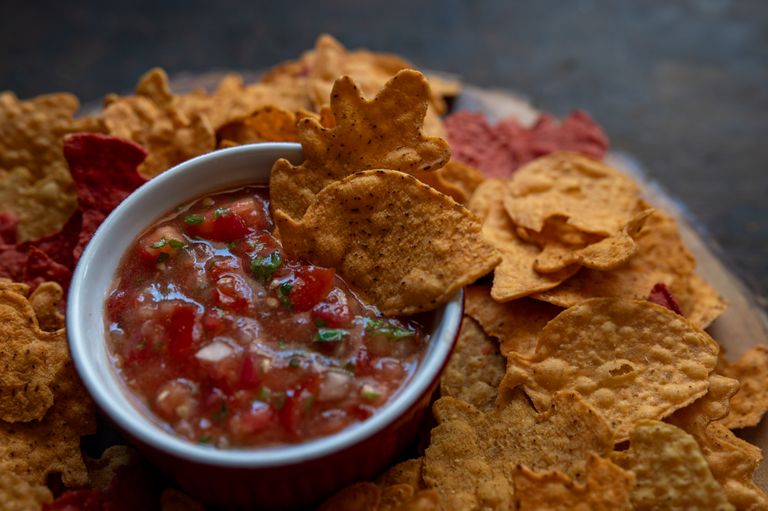
Acidic foods such as tomatoes, citrus fruits, and vinegar-based dishes should be avoided when cooking with aluminum foil. The acidity in these foods reacts with the aluminum, triggering a chemical reaction that can cause aluminum to leach into the food.
This reaction not only affects the dish’s taste but also poses health risks. The aluminum can give off a metallic flavor that may ruin the intended taste of the food.
Additionally, cooking acidic foods in aluminum foil can cause them to absorb potentially harmful aluminum particles, which may accumulate over time. It’s best to use alternatives like parchment paper or ceramic cookware when preparing tomato-based dishes, lemony treats, or other acidic foods.
Potatoes
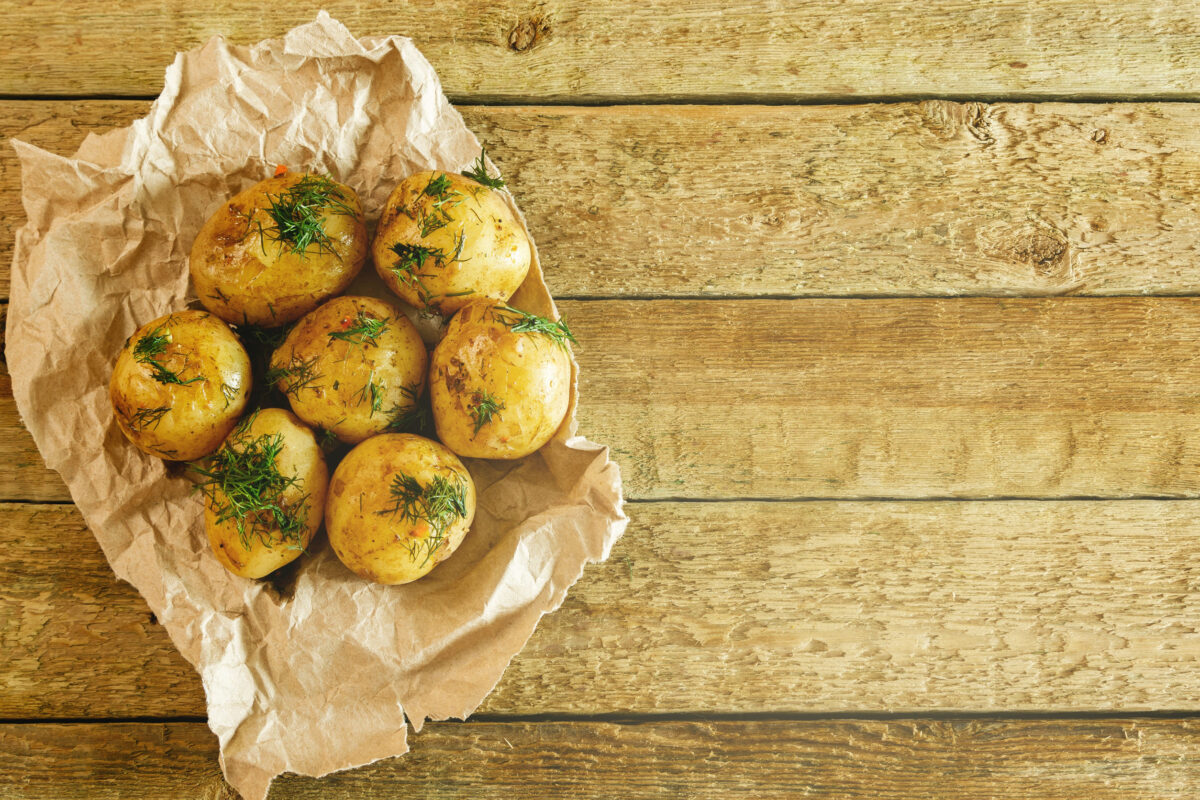
Potatoes are another food that doesn’t pair well with aluminum foil. While it’s common to wrap potatoes in foil for oven baking, the foil can make the skin soggy and cause the potato to lose its crispy texture. The higher moisture content in potatoes makes them prone to reacting with aluminum foil, especially when cooked for an extended period.
Additionally, there are concerns about aluminum exposure when baking potatoes wrapped in foil. While it’s unlikely that you would consume harmful amounts of aluminum from this cooking method, it’s best to avoid unnecessary risks. Instead, bake your potatoes without foil or opt for alternatives like roasting them directly on a baking sheet.
Fish
Fish, especially fatty varieties like salmon and trout, is often cooked in aluminum foil for its moisture-locking properties. While this method can keep the fish moist, it’s not always the safest option. Fish is naturally rich in omega-3 fatty acids, which can interact with aluminum foil, leading to oxidation. This oxidation process can change the texture and taste of the fish and, more importantly, may increase the amount of aluminum that leaches into the food.
If you’re craving moist fish, try using parchment paper, a fish steamer, or a dedicated fish grilling basket to avoid the potential health risks associated with aluminum foil.
Citrus Fruits
Like tomatoes, citrus fruits such as oranges, lemons, and grapefruits should not be wrapped in aluminum foil. The acids in these fruits can react with aluminum foil, resulting in a metallic taste that can alter the fruit’s flavor. Cooking citrus fruits in aluminum foil can also increase the risk of aluminum leaching into the food.
Whether you’re preparing baked citrus chicken or simply roasting citrus-infused veggies, it’s a good idea to leave the aluminum foil out of the equation. Parchment paper, ceramic, or glass cookware are better alternatives that won’t interfere with the citrus’s natural flavors.
Garlic
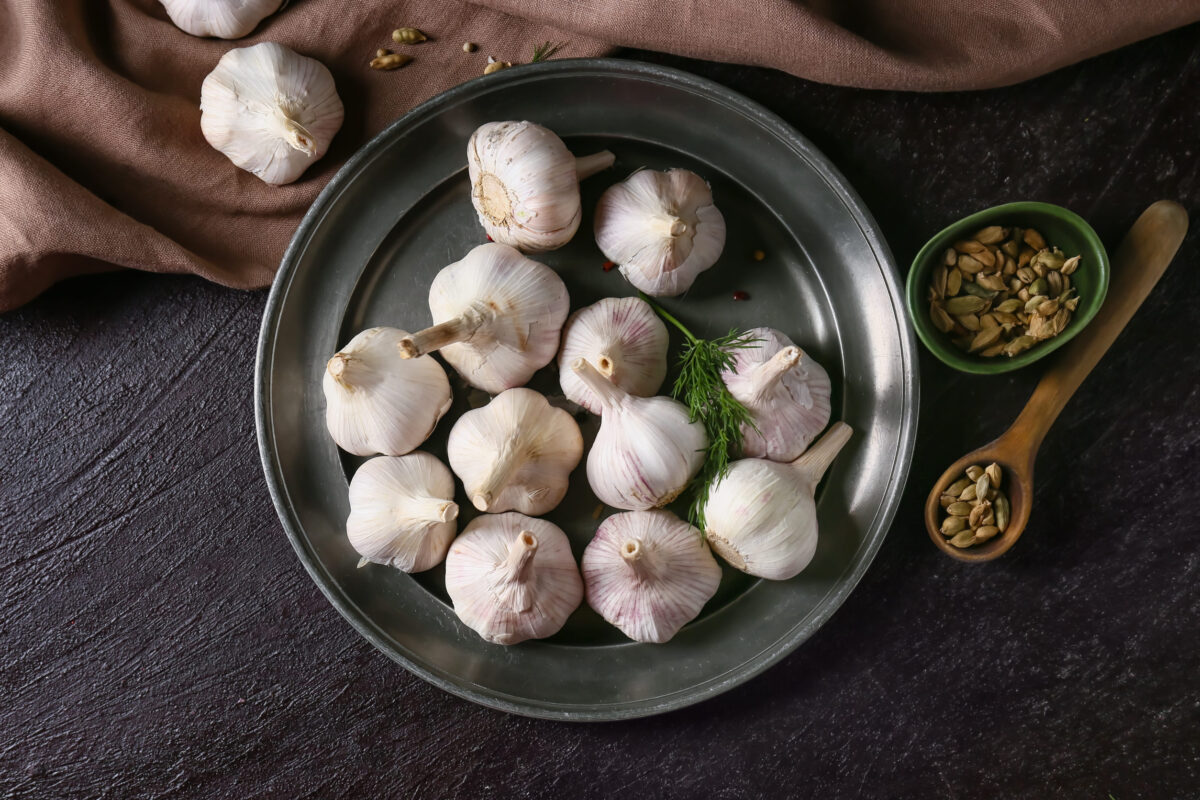
Garlic is another food that should be avoided when using aluminum foil, particularly when roasting. Garlic is naturally high in sulfur compounds that can react with aluminum. This interaction can alter the garlic’s taste and may lead to the release of harmful compounds. While the risk may not be immediately evident, over time, the exposure to aluminum could have negative consequences.
If you want to roast garlic, consider using a ceramic or glass baking dish instead of wrapping it in foil. This ensures the garlic retains its rich flavor without the risk of unwanted reactions with aluminum.
Spinach and Other Leafy Greens
Spinach, kale, and other leafy greens should be kept away from aluminum foil when cooking. These vegetables are high in oxalates, which can react with aluminum to form compounds that may pose health risks when consumed over time. Additionally, the high moisture content in these greens makes them more susceptible to aluminum contamination, which can affect both taste and texture.
When cooking leafy greens, use alternatives like stainless steel or non-stick cookware. Steaming or sautéing them in a healthy fat like olive oil is a great way to preserve their nutrients and avoid any potential risks from aluminum foil.
High-Salt Foods
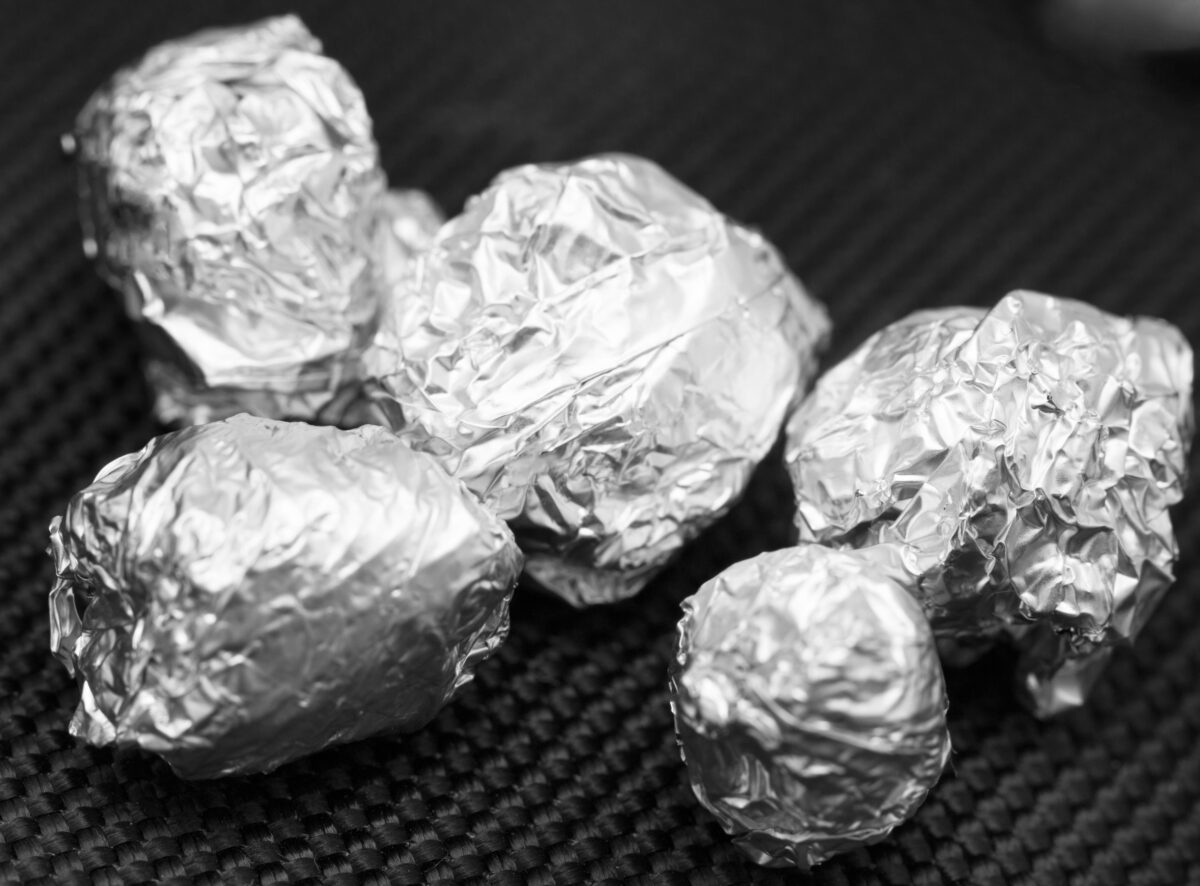
Salt and aluminum foil don’t mix well either. Foods with high salt content, such as cured meats, sausages, or salted fish, can react with aluminum foil during cooking. The salt accelerates the leaching of aluminum into the food, increasing the likelihood that harmful aluminum particles will end up in your meal. Over time, consuming high-salt foods cooked in aluminum foil may increase your exposure to aluminum, which could have detrimental effects on your health.
If you’re preparing a salty dish, consider using a safer cooking method, such as grilling, baking in ceramic dishes, or using parchment paper. These alternatives are not only safer but also help preserve your food’s flavors without the risk of aluminum contamination.
Baked Goods and Sweet Treats
While aluminum foil is often used to line baking pans, it’s not always the best choice for baking baked goods or sweet treats. The high sugar content in desserts like cakes, cookies, and pies can cause a chemical reaction with aluminum foil, altering the taste and texture of your dessert. Additionally, the foil can cause your baked goods to cook unevenly, resulting in undesirable outcomes.
Instead of aluminum foil, use parchment paper or silicone baking mats. These alternatives ensure that your baked goods come out perfectly without the risk of contamination from aluminum.
Red Meat
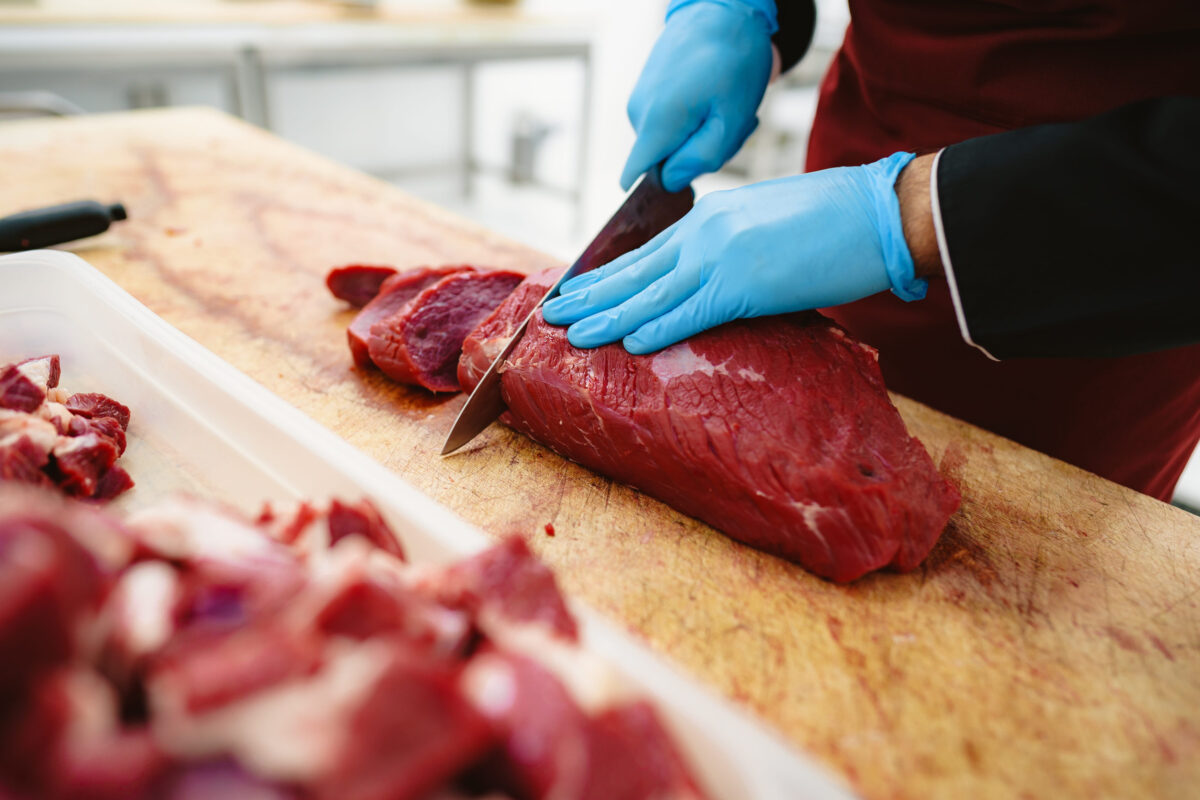
Red meat, such as beef and lamb, should also be cooked with caution when using aluminum foil. While it’s common to wrap red meat in foil for slow roasting or grilling, the interaction between aluminum and the meat’s proteins can alter its flavor and texture. Red meat is rich in iron, and this can exacerbate the leaching of aluminum into the food.
For the best results, cook red meat on a grill or in a roasting pan without aluminum foil. These methods ensure the meat is cooked evenly while avoiding the potential risks associated with aluminum exposure.
Conclusion
In conclusion, while aluminum foil may be a convenient and versatile tool in the kitchen, it’s essential to be aware of the risks associated with cooking certain foods in it. Acidic foods like tomatoes, citrus, and garlic, as well as high-salt foods, should be kept away from aluminum foil to prevent harmful reactions and preserve the natural flavors of your dishes. By opting for safer alternatives such as parchment paper, ceramic cookware, or stainless steel, you can protect your health and enjoy your meals without the potential risks associated with aluminum foil.
Remember, not all foods are compatible with aluminum foil, and it’s worth investing in other cooking tools to ensure your food remains as tasty and safe as possible. Your health is worth the extra effort to avoid these hidden dangers. Happy cooking!