10 Baby Boomer Behaviors That Annoy Millennials and Gen Z
As the generational divide widens, certain Baby Boomer habits increasingly clash with the values and preferences of Millennials and Gen Z. This dynamic shapes not just their daily interactions but also highlights more significant differences in communication, lifestyle expectations, and mutual perceptions. Understanding these behaviors is crucial for navigating intergenerational relationships.
While individual preferences vary, some traditional behaviors can sometimes seem unfamiliar or less relevant to Millennials and Gen Z.
This article explores 10 of some of the most criticized habits that make older generations seem out of touch.
Always Preferring Phone Calls Over Texts

For Baby Boomers, making phone calls often feels like a more personal and immediate form of communication, reinforcing a sense of direct connection. Younger generations often prefer text messages, valuing flexibility and control over their communication. This generational difference can influence how each group feels respected and understood in daily exchanges.
Unexpected Visits
Some Boomers continue the tradition of visiting friends’ or family members’ homes without advance notice, a practice that was more common in past decades. Younger generations may find this surprising or stressful.
Concerns about cleanliness or being unprepared to host guests can make unannounced visits a source of anxiety for some. As expectations for personal boundaries evolve, these surprise visits may be interpreted differently across the generations.
A Love for Chain Restaurants

Despite a variety of local dining options, some Boomers prefer chain restaurants for their familiarity and consistency.
Millennials and Gen Z often seek new dining experiences and choose to support independent restaurants.
The decline of chain restaurants among younger generations highlights differences in dining preferences and in perceptions of authenticity.
Disrespecting Younger Generations
A significant source of frustration for many younger people is feeling dismissed by older generations, sometimes being characterized as less experienced or informed.
This conflict overlooks that many Millennials and Gen Z are in their 30s and 40s, leading, raising families, and contributing to society. The resulting misunderstanding can affect workplace collaboration, family dynamics, and social cohesion.
The stereotype of younger generations as inexperienced is often inaccurate and can lead to unnecessary tension.
Repeated Vacations

Many Boomers find comfort in returning to the same places for vacation, while younger generations crave new and adventurous travel.
Repeated vacations can seem uninspiring to Millennials and Gen Z, particularly when they are encouraged to join trips that lack variety.
Resistance to Technology
Boomers, having grown up before today’s digital era, sometimes adapt more gradually to new technology.
Some avoid smartphones and social media, falling behind in digital literacy.
This reluctance can hinder collaboration and lead to a disconnect between generations relying on digital communication.
Gambling on Slot Machines

Visiting casinos and playing slot machines are pastimes for many Boomers. However, younger generations often view slot machines as a poor investment of time and money.
Given the odds and reliance on luck, Millennials and Gen Z favor more strategic or digital alternatives.
Boomers spending hours at slot machines can appear unproductive to younger people and make shared outings less enjoyable, affecting generational interaction.
Hoarding
As Baby Boomers age, many struggle to let go of sentimental items, collectibles, and other possessions that accumulate over time.
For their children and younger generations, inheriting piles of old magazines, furniture, and unused trinkets can be more of a burden than a gift.
Millennials and Gen Z adopt minimalist lifestyles, often clashing with Boomers over possessions during inheritance or relocation, which can impact relationships.
Excessive Anger on the Internet
The internet can be a toxic place, but Baby Boomers often seem to take it a step further, engaging in heated arguments or expressing outrage over minor issues.
Millennials and Gen Z, who have grown up in a more digital world, tend to scroll past online provocations rather than getting upset.
This generational divide in online anger often leads to misunderstandings and strained relationships, reducing constructive dialogue.
Dictating Fashion Choices
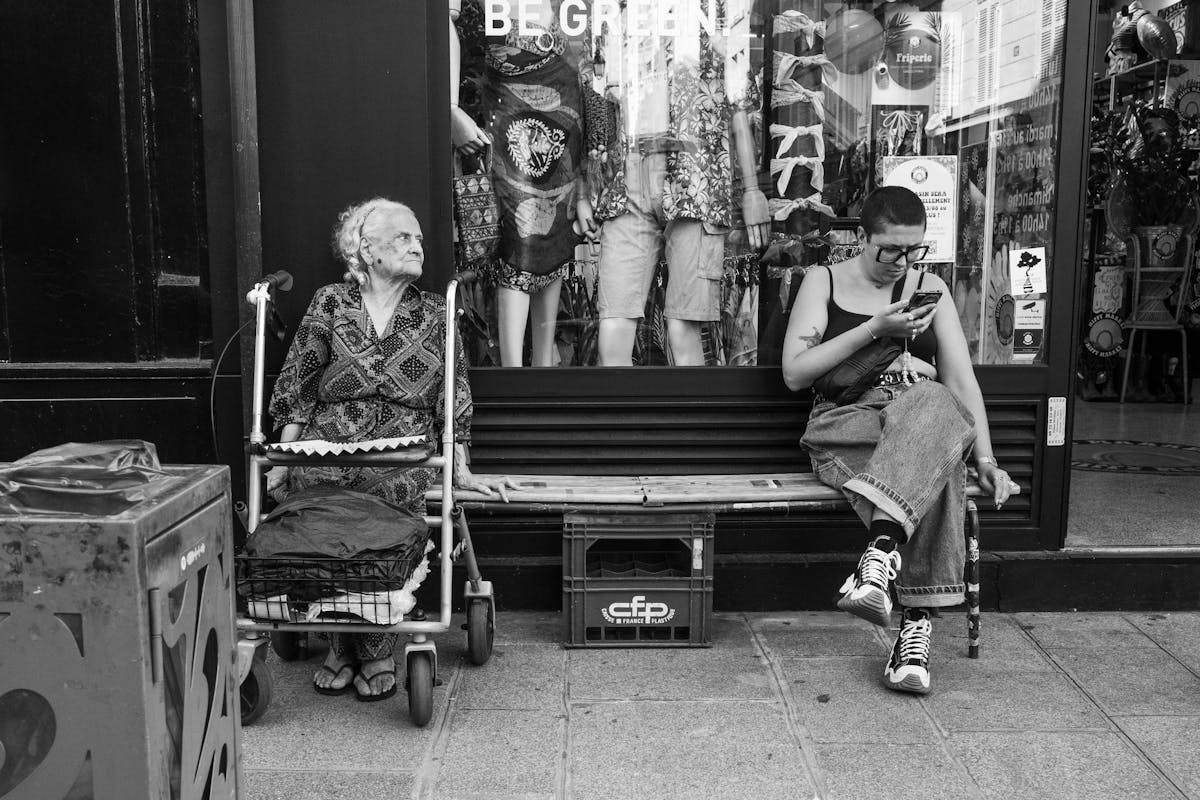
For many Baby Boomers, fashion is about tradition and conformity, often dictating what is acceptable or inappropriate to wear in various settings.
Whether it’s insisting that a dress code be enforced at a social event or criticizing others’ clothing choices, these behaviors clash with younger generations’ preference for self-expression and individuality.
Younger generations, embracing diverse fashion, often find these rules outdated and restrictive, fueling generational tension at events or within families.
Key Takeaways
The generational divide between Baby Boomers and younger generations like Millennials and Gen Z is increasingly apparent in day-to-day interactions.
Whether it’s related to communication preferences, dining habits, or political debates, these differences can lead to frustration on both sides.
By understanding these generational quirks, we can foster better communication, empathy, and mutual respect across age groups.