7 Foods You Should Never Eat Before Bed
We’ve all been there , lounging on the couch late at night, craving something to nibble on before bed. It’s tempting to reach for whatever’s within arm’s reach, but not all snacks are created equal.
The foods you choose to eat before bedtime can significantly affect your sleep quality and overall health. In this article, we will explore which foods to avoid late at night and why they could be wreaking havoc on your sleep cycle.
The Danger of Heavy, Fatty Foods

It’s no surprise that heavy meals can lead to restless nights. Fatty foods, such as fried chicken, burgers, or creamy pasta, may satisfy your cravings, but they don’t make for the best bedtime companions. High-fat foods take longer to digest, and as your body works overtime to process them, you may experience discomfort such as bloating, heartburn, or indigestion. These digestive issues can disrupt your sleep, leaving you tossing and turning for hours.
Moreover, large meals high in fat can interfere with your body’s ability to enter the deeper stages of sleep. The body’s energy is diverted from relaxation to digestion, resulting in fragmented or light sleep. So, while it might be tempting to indulge in that extra-large serving of cheesy pizza, your sleep quality will likely suffer as a result.
Spicy Foods Can Spice Up Your Nightmares
Spicy foods are another culprit that can impact your sleep. Dishes loaded with hot peppers, chili, and other spicy ingredients can lead to acid reflux or heartburn, particularly when consumed close to bedtime. The burning sensation that results from heartburn can make it difficult to get comfortable, and it can even cause you to wake up in the middle of the night.
Furthermore, spicy foods can elevate your body temperature, making it harder for your body to cool down and fall into a deep sleep. A study published in the journal Appetite found that eating spicy foods before bed may raise your core body temperature, disrupting your sleep cycle and making it harder to stay asleep.
Caffeine

Caffeine is one of the most well-known sleep disruptors, and for good reason. Found in coffee, tea, chocolate, and many sodas, caffeine is a stimulant that can keep you wide awake long after the sun has gone down. It works by blocking adenosine, a chemical in the brain that helps you relax and fall asleep. This can lead to feelings of alertness and restlessness.
While many people enjoy a cup of coffee in the morning to help wake them up, consuming caffeine later in the day can significantly affect their sleep. Even small amounts of caffeine consumed up to six hours before bed can interfere with your ability to fall asleep. To avoid sleepless nights, it’s best to skip the coffee or chocolate after dinner and opt for a soothing, caffeine-free alternative like herbal tea or warm milk.
Sugary Snacks
Sugary foods, while tempting and delicious, can sabotage your efforts to get a good night’s sleep. Foods high in sugar, such as candy, pastries, or ice cream, can cause spikes and crashes in your blood sugar levels. These fluctuations can disrupt your sleep, leaving you feeling restless or even waking up in the middle of the night with hunger pangs.
When you eat sugar before bed, your body releases insulin to help process the sugar. This can cause a sudden drop in blood sugar levels, leading to feelings of irritability or waking up with a craving for more sweets. Moreover, sugary foods can increase your heart rate and stimulate the nervous system, making it harder to unwind before sleep.
Alcohol

It’s well-known that alcohol can make you feel sleepy, but drinking alcohol before bed can lead to fragmented sleep. While it may help you fall asleep initially, alcohol disrupts your sleep cycle by reducing the amount of time spent in the restorative stages of sleep, particularly REM (rapid eye movement) sleep. This means that while you might get some rest, the quality of your sleep will suffer, leaving you feeling groggy and unrested the next day.
Alcohol also acts as a diuretic, causing you to wake up throughout the night to use the bathroom. This interruption can disturb your sleep cycle, leaving you with a less restful night overall. So, while a nightcap might seem like a good idea to help you unwind, it can have a negative impact on your sleep quality in the long run.
High-Protein Foods
While protein is essential for building and repairing muscles, consuming large amounts of protein late at night might not be the best idea if you’re aiming for a peaceful night’s sleep. Foods like steak, chicken, or protein shakes are rich in amino acids like tyrosine and phenylalanine, which are known to increase alertness and stimulate the brain. This makes them ideal for a midday snack or post-workout meal but less than ideal for late-night munching.
Eating too much protein before bed can leave your body feeling overly energized, making it difficult to wind down and relax. Additionally, high-protein foods can require more energy to digest, leading to discomfort and disrupted sleep. It’s best to stick to lighter, easily digestible snacks in the evening, such as a small bowl of oatmeal or a handful of nuts.
Acidic Foods
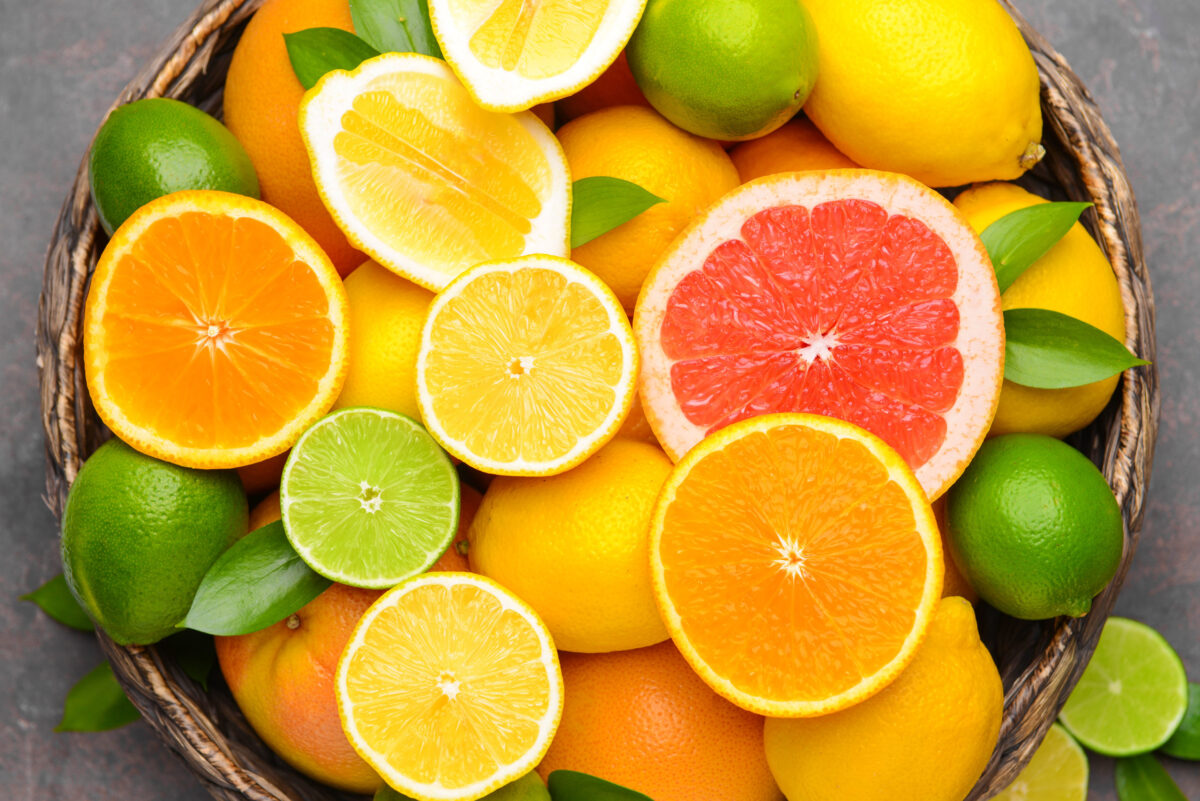
Acidic foods, such as citrus fruits, tomatoes, and vinegar-based dressings, can irritate the lining of the stomach and esophagus, leading to acid reflux (heartburn). Consuming these foods before bed can exacerbate these conditions, leaving you uncomfortable and awake long into the night.
Acid reflux occurs when stomach acid backs up into the esophagus, causing a burning sensation in the chest and throat. This is often worsened by lying down, which can make it more difficult to fall asleep. To avoid this issue, it’s best to avoid acidic foods in the hours leading up to bedtime.
Why You Should Choose Your Bedtime Snack Wisely
Choosing the right foods before bed is just as important as what you eat throughout the day. Certain foods can promote relaxation, improve your sleep quality, and even help you fall asleep faster. For example, foods rich in magnesium, such as bananas, almonds, and leafy greens, are known to support better sleep by relaxing the muscles and calming the nervous system.
Another sleep-friendly food is tryptophan, an amino acid found in turkey, yogurt, and pumpkin seeds. Tryptophan helps your body produce serotonin and melatonin, hormones that regulate sleep. So, next time you’re looking for a snack before bed, opt for foods that support your body’s natural sleep cycles rather than ones that disrupt them.
Conclusion
The foods you eat before bed play a significant role in your sleep quality and overall health. While late-night cravings are hard to resist, it’s crucial to be mindful of the foods you choose to avoid potential sleep disturbances.
Fatty, spicy, and sugary foods, as well as caffeine and alcohol, can all wreak havoc on your ability to get restful sleep. Instead, focus on lighter, easily digestible snacks that promote relaxation and help your body unwind. By making better choices before bed, you’ll not only sleep better but also wake up feeling refreshed and ready to take on the day.