10 Foods You Should Never Eat Raw
When it comes to food, there’s a common notion that raw ingredients are healthier. After all, cooking is often associated with losing nutrients and flavors, right? While this may be true for some foods, others are best left off your raw eating list.
Some foods that we may commonly consider fresh and healthy are, in fact, dangerous when consumed uncooked. Not only can they harbor harmful bacteria and parasites, but they also contain naturally occurring toxins that can make you sick.
Let’s take a deep dive into the world of raw foods that should be avoided at all costs. In this article, we’ll explore the risks of eating these foods raw, the dangers they present, and how you can safely enjoy them with proper preparation and cooking techniques.
Eggs
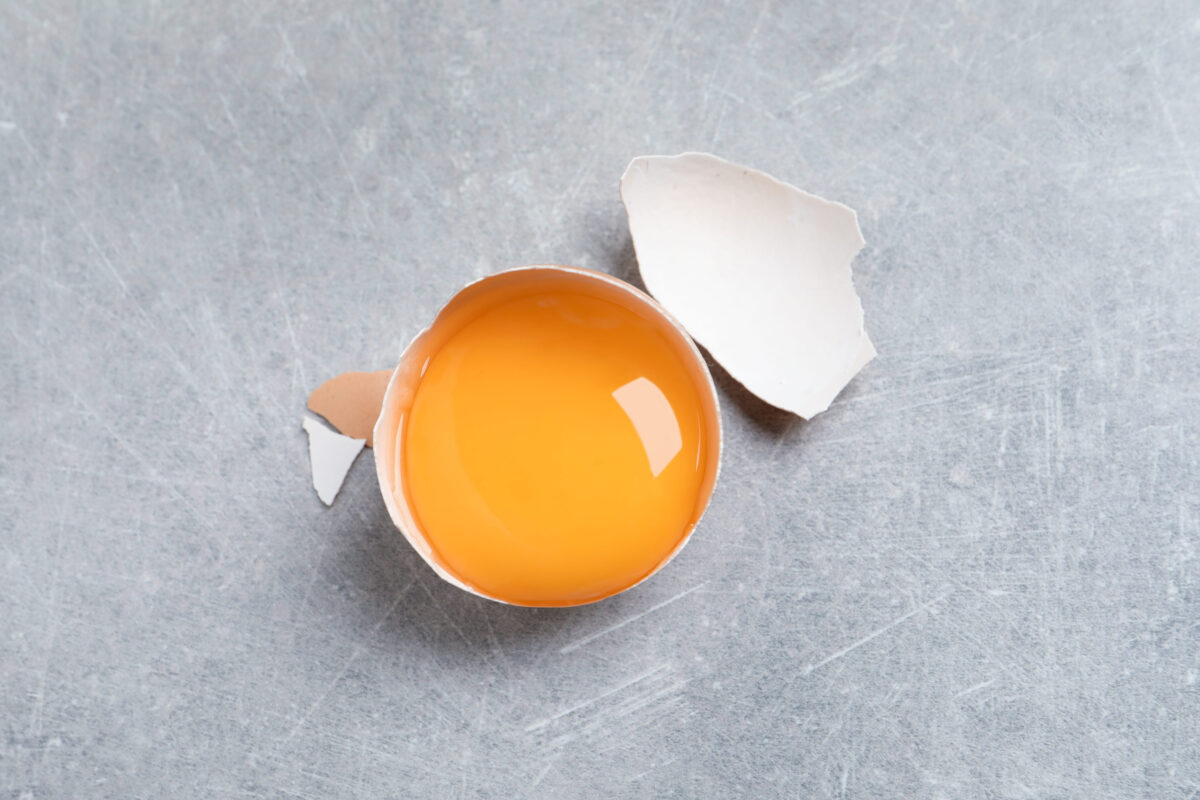
Eggs are often touted as a protein-packed, nutrient-dense food that’s perfect for any meal. However, the raw egg trend, popular in dishes like homemade mayo, cookie dough, and protein shakes, poses a serious health risk. Raw eggs can contain Salmonella, a bacterium that can cause food poisoning. Symptoms of a Salmonella infection include fever, stomach cramps, diarrhea, and vomiting.
Although the risk is low in eggs from healthy, well-managed farms, it’s still present. Cooking eggs thoroughly helps kill any harmful bacteria, ensuring they are safe to eat. If you love your eggs runny or sunny-side-up, ensure you’re using pasteurized eggs, which are treated to eliminate harmful bacteria without cooking them.
Chicken
Chicken is another food that should never be eaten raw, and for a good reason. Raw poultry is a prime carrier of harmful bacteria such as Salmonella and Campylobacter. These pathogens can cause severe illness, leading to nausea, vomiting, diarrhea, and fever. In severe cases, it can even lead to hospitalization.
Even if you’re confident in the freshness of your chicken, there’s no guarantee it’s free from bacteria. It’s always safer to cook chicken to an internal temperature of 165°F (75°C), which ensures that all potential bacteria are eradicated.
Pork
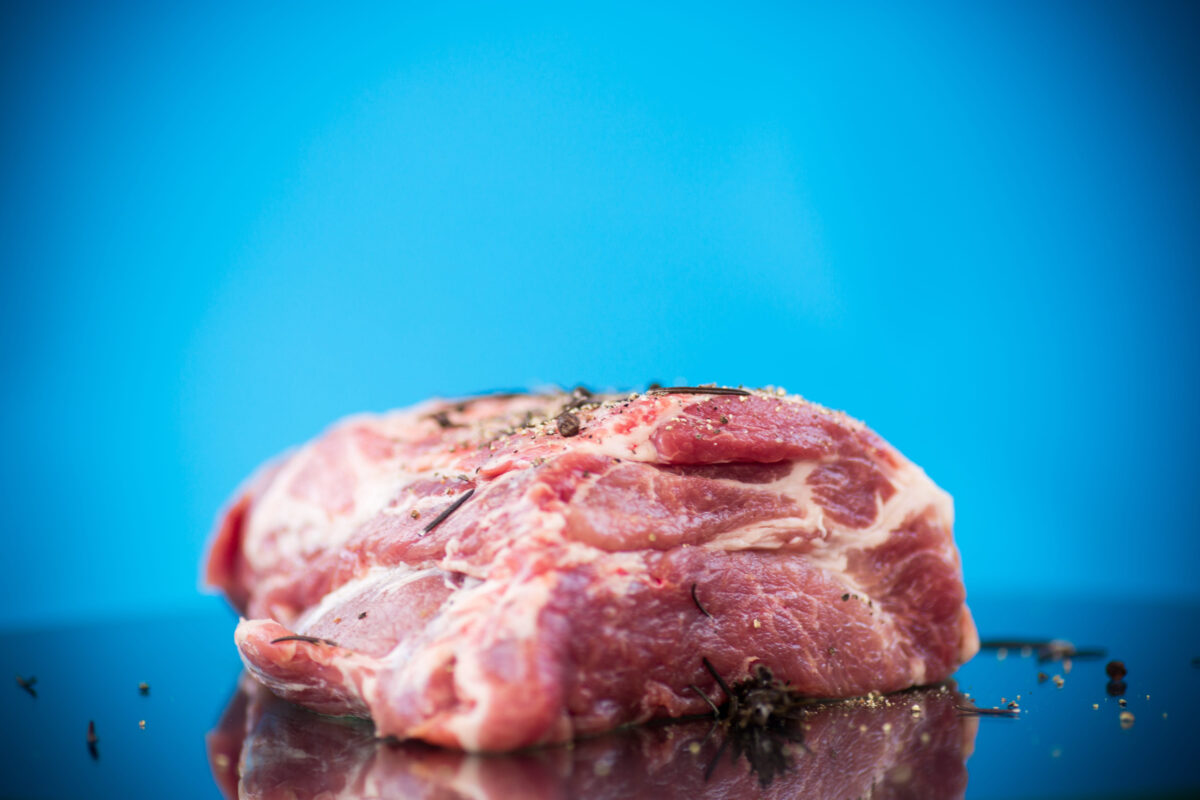
Trichinosis, a parasitic infection caused by Trichinella worms, is a risk associated with eating raw or undercooked pork. This parasite can cause serious health problems, including muscle pain, fever, and digestive issues. Parasite larvae can be present in pork muscle tissue, and consuming undercooked or raw pork can lead to infection.
To reduce the risk, always cook pork thoroughly to an internal temperature of 145°F (63°C), then let it rest for 3 minutes. Freezing pork for a few weeks can also kill trichinae, but it’s not foolproof.
Raw Fish

Sushi is a beloved dish in many cultures, with raw fish being a key ingredient. However, while sushi is delicious, eating raw fish is not without its risks. Fish can contain parasites, including Anisakis, which can cause severe stomach pain, nausea, and vomiting. Raw fish also carries a risk of foodborne illnesses, such as Vibrio bacteria, which can cause diarrhea and vomiting.
To minimize the risks of eating raw fish, it’s important to ensure it comes from a reputable source. Sushi-grade fish has been frozen to kill parasites, but even then, caution is advised. Always enjoy sushi at trusted restaurants that uphold food safety standards, and avoid raw fish if you’re pregnant, elderly, or have a weakened immune system.
Beans
Raw beans, particularly kidney beans, contain toxins that can cause severe food poisoning. These toxins, called lectins, can cause symptoms like nausea, vomiting, and diarrhea. Kidney beans, in particular, contain high levels of lectins, and even small amounts of raw beans can be enough to make you sick.
To safely consume beans, always cook them thoroughly. Soak dry beans overnight and then boil them for at least 10 minutes to deactivate the lectins. Canned beans are pre-cooked, so they’re perfectly safe to eat straight from the can.
Potatoes

Potatoes are a staple in many diets, but eating them raw can lead to digestive distress and potentially dangerous effects due to the presence of solanine, a natural toxin. Solanine is produced when potatoes are exposed to light, and it can cause nausea, headaches, and even more severe symptoms in large quantities. Green spots on potatoes indicate the presence of solanine, so it’s best to avoid eating any green or sprouted parts.
Cooking potatoes eliminates the solanine, making them safe to eat. If you have a craving for raw potatoes, consider substituting it with a safer alternative, like raw carrots, which are perfectly fine to eat raw and just as crunchy.
Rhubarb
Rhubarb is a popular vegetable in pies and desserts, but its raw form can be dangerous. The leaves of the rhubarb plant contain oxalic acid and anthraquinone glycosides, both of which can be toxic when consumed in large amounts. Symptoms of poisoning from rhubarb leaves include difficulty breathing, seizures, and even death in extreme cases.
Rhubarb stalks are perfectly safe to eat when cooked. When making a rhubarb dessert, always discard the leaves and cook the stalks thoroughly to avoid the toxic substances.
Mushrooms
While some mushrooms are safe to eat raw, many varieties contain compounds that are difficult to digest and can cause gastrointestinal distress. Additionally, some wild mushrooms contain toxins that can lead to poisoning. One notorious example is the Amanita species, which can cause severe liver damage or even death if consumed.
To be safe, always cook mushrooms, especially wild ones, before consuming them. Cooking helps neutralize any harmful compounds and makes the mushrooms more digestible. Always purchase mushrooms from reputable sources to avoid accidentally consuming toxic varieties.
Sea Urchin
Sea urchin, or uni, is considered a delicacy in some cuisines, but it’s another food that should be avoided in its raw form. Raw sea urchin is often served in sushi or as a pasta topping, but it can be prone to contamination. Sea urchins are bottom-dwelling creatures that may harbor bacteria or parasites, making them risky to eat raw.
If you want to enjoy the unique taste of uni, make sure it’s been properly prepared and handled by a trusted source. Cooking or freezing sea urchins before eating helps mitigate the health risks.
Sprouts
Sprouts, including alfalfa, clover, and bean sprouts, are a common addition to salads, sandwiches, and wraps. However, sprouts are particularly vulnerable to bacterial contamination because of their warm, moist growing conditions. Salmonella and E. coli have been found in raw sprouts, leading to widespread outbreaks of foodborne illnesses.
To ensure sprouts are safe to eat, they should be thoroughly washed and cooked before consumption. If you’re a fan of sprouts, consider growing them yourself and keeping them clean throughout their growth cycle.
Conclusion
While raw foods are a staple in many dishes around the world, there are some ingredients that should always be avoided in their raw state. From raw eggs to raw fish, eating these foods without proper cooking can expose you to a variety of harmful bacteria, parasites, and toxins that can lead to serious health complications. The risks may be minimal when purchasing high-quality, properly handled products, but it’s always safer to cook certain foods thoroughly before consumption.
By following safe food preparation guidelines, cooking meats to the proper temperatures, and being mindful of the potential dangers of raw food, you can enjoy a wide variety of delicious and nutritious meals while keeping your health in check. Always prioritize food safety, especially when dealing with perishable ingredients, and never take chances with foods that could pose a health risk.