10 Dark Places That Still Give People Chills
Some places are sacred, but they are also haunting. They confront visitors with death, decay, and raw human fear. These dark places are unsettling, yet they carry meaning, ritual, and deep spiritual significance.
Their intensity comes not just from what happens there, but from what they make us face within ourselves: mortality, impermanence, and the unknown.
Manikarnika Ghat, India
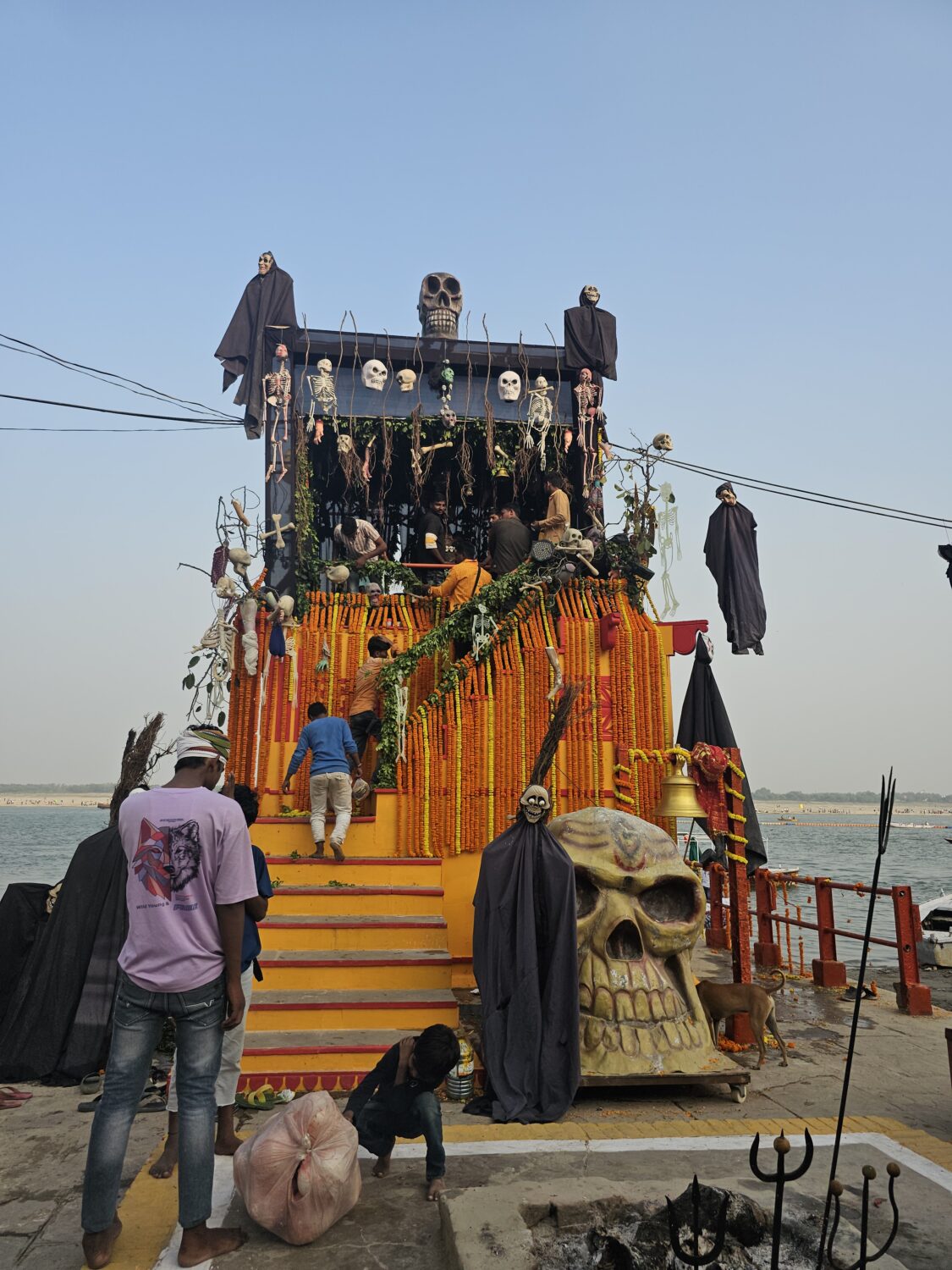
Varanasi’s Manikarnika Ghat is one of the world’s oldest and most revered cremation sites. The riverbanks are lined with funeral pyres that burn continuously, with families performing last rites in full view of the sacred Ganges. For Hindus, dying and being cremated here is believed to release the soul from the cycle of rebirth, making the city a destination for spiritual liberation.
To outsiders, the smoke, fire, and ritualized handling of the dead can feel overwhelming, almost confronting the fragility of life itself. Yet to devotees, the ghat is a place of hope, reverence, and sacred passage, turning death into a ritualized threshold rather than an ending.
Thai Buddhist Hell Gardens, Thailand
Thai Buddhist hell gardens feature graphic sculptures depicting punishment for immoral acts, illustrating karmic consequences in vivid detail. Visitors see scenes of suffering, torment, and moral reckoning designed to teach the importance of ethical conduct.
The terrifying imagery may shock outsiders, but it embeds spiritual lessons in memorable, often visceral ways. These gardens make abstract concepts like karma tangible, using fear and intensity to reinforce moral and religious teachings.
Sedlec Ossuary, Czechia
The Sedlec Ossuary, often called the Bone Church, contains thousands of human skeletons artistically arranged into chandeliers, pyramids, and decorative motifs. It is a striking visual reminder of human mortality and the transience of life.
The interior’s eerie beauty forces visitors to confront death directly, turning bones into art that carries religious and historical significance. It is chilling because it removes the distance we often place between ourselves and death, yet it also communicates reverence for the dead and the inevitability that binds all humans.
Capuchin Catacombs, Italy
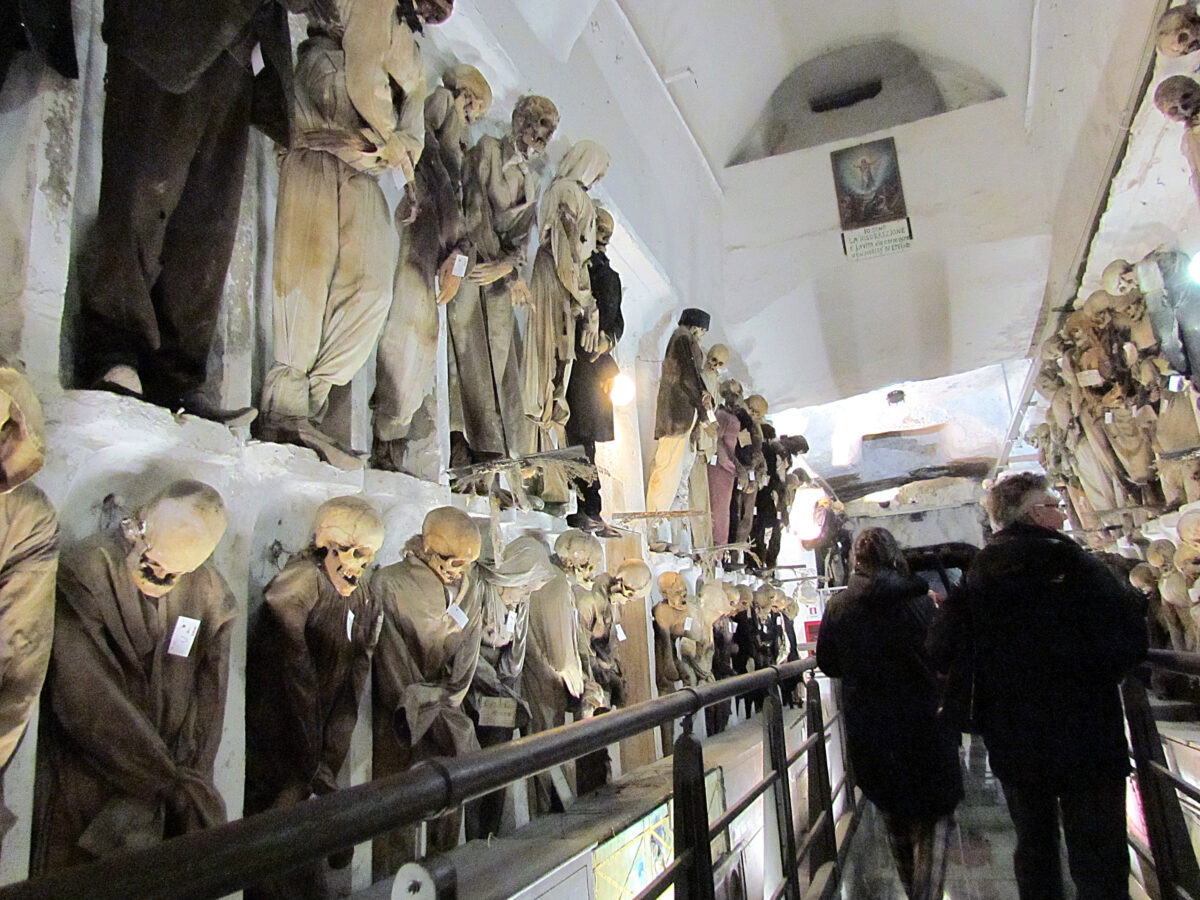
In Palermo, Sicily, the Capuchin Catacombs house thousands of mummified bodies, many displayed in life-like poses. Walking through the underground corridors, visitors see the dead as individuals, dressed, preserved, and sometimes even labeled, emphasizing that status, identity, and beauty fade with time.
The catacombs serve as a religious reminder of memento mori, the inevitability of death, and allow for reflection on mortality. While unnerving to outsiders, the preserved bodies carry centuries of religious devotion and communal remembrance, providing a haunting connection between the living and the dead.
Karni Mata Temple, India
The Karni Mata Temple, famously known as the “Rat Temple,” is home to more than 25,000 rats considered sacred by devotees. White rats are especially revered, and harming them is strictly forbidden.
For visitors, the sight of rats freely roaming a temple might evoke fear or disgust, yet in this religious context, they are symbols of divine protection and blessings. The temple turns fear into reverence, showing how cultural beliefs can transform what is typically seen as unclean into sacred participants in spiritual life.
Tibetan Sky Burial Sites, Tibet
Tibetan sky burials involve exposing the deceased to vultures and other scavenging birds. The practice embodies Buddhist beliefs in impermanence, detachment, and compassion, returning the body to nature while the soul moves onward.
This ritual can be shocking to outsiders due to its open-air approach and the consumption of human remains by animals. Yet for practitioners, it is an act of generosity and spiritual continuity, offering the living an opportunity to confront mortality, understand impermanence, and honor the natural cycle of life.
Zoroastrian Towers of Silence, India & Iran
Zoroastrian dakhmas, or Towers of Silence, are elevated structures where the dead are placed so birds can consume the bodies, preventing contamination of earth, water, and fire. The practice, rooted in the importance of maintaining purity, may appear stark or grim to outsiders. Yet it demonstrates a disciplined, spiritual approach to death that balances reverence for the deceased with respect for sacred natural elements.
Witnessing these towers emphasizes both the fragility of human life and the deep responsibility traditions place on handling the dead.
Tana Toraja Funeral Sites, Indonesia
In Tana Toraja, the deceased may remain at home for months or even years before a formal burial. Families honor the dead with extended ceremonies, preserving their presence in daily life.
The practice challenges modern assumptions about swift funerals and separation from the dead. While initially unsettling to outsiders, it emphasizes community, memory, and the continued spiritual and social connection between the living and deceased.
Aghori Cremation Grounds, India
Aghori ascetics perform intense rituals at cremation grounds, using ashes and skulls in spiritual practice. Their path involves confronting taboos and social fears directly to achieve spiritual liberation and detachment from worldly attachments.
For outsiders, these practices can appear shocking or macabre, but they are deeply meaningful within the Aghori philosophy. The dark nature of their rituals emphasizes courage, non-duality, and transcending fear in the pursuit of enlightenment.
Santa Muerte Shrines, Mexico
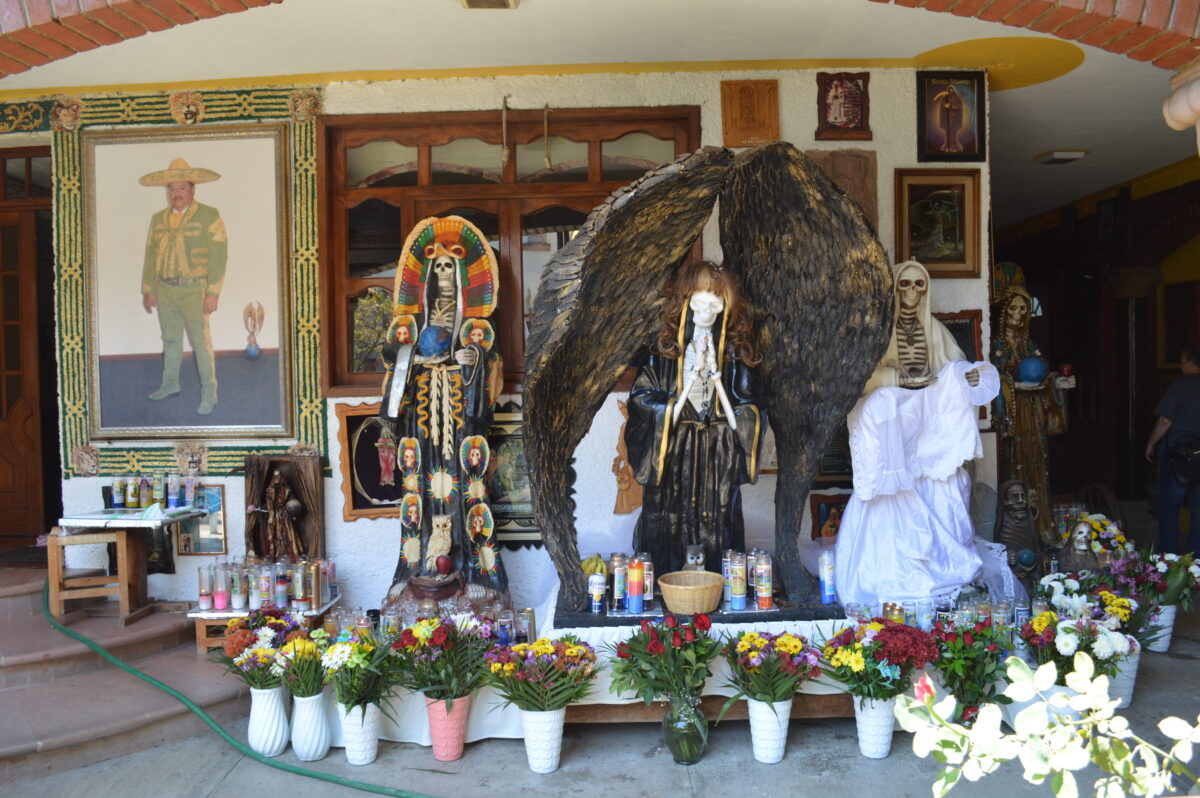
Santa Muerte, or Holy Death, is represented as a skeletal female figure and worshiped for protection, justice, and mercy. Shrines dedicated to her contain candles, offerings, and dark imagery, which may unsettle those unfamiliar with the devotion.
The belief treats death not as a distant enemy but as an approachable protector, offering solace to marginalized communities. The dark aesthetic reflects the reality of life and death, transforming fear into spiritual guidance and comfort.
Conclusion
These ten dark places challenge comfort, confront mortality, and immerse visitors in rituals that force reflection. They may unsettle the senses, but within that darkness lies meaning, spiritual purpose, and a profound connection to life’s most inescapable truths.