9 Frustrating Reasons Florida Renters Are Being Priced Out of Paradise
Florida sells sunshine like a dream, but many renters are waking up to a very different reality. The palm trees are still there. The beaches are still beautiful. The glossy apartment ads still promise resort-style living, sparkling pools, and a lifestyle that feels one paycheck away from paradise.
Then the lease renewal arrives, and the dream starts looking like a trap. For millions of renters, Florida is no longer just expensive. It is becoming a place where a decent apartment can swallow a paycheck, an eviction notice can arrive fast, and the promise of an easy coastal life feels painfully out of reach. The state may still attract newcomers, but renters already living there are asking a harsher question: who gets to stay when the rent keeps winning?
Florida’s Paradise Pitch Collides With a Rent Bill That Feels Punitive
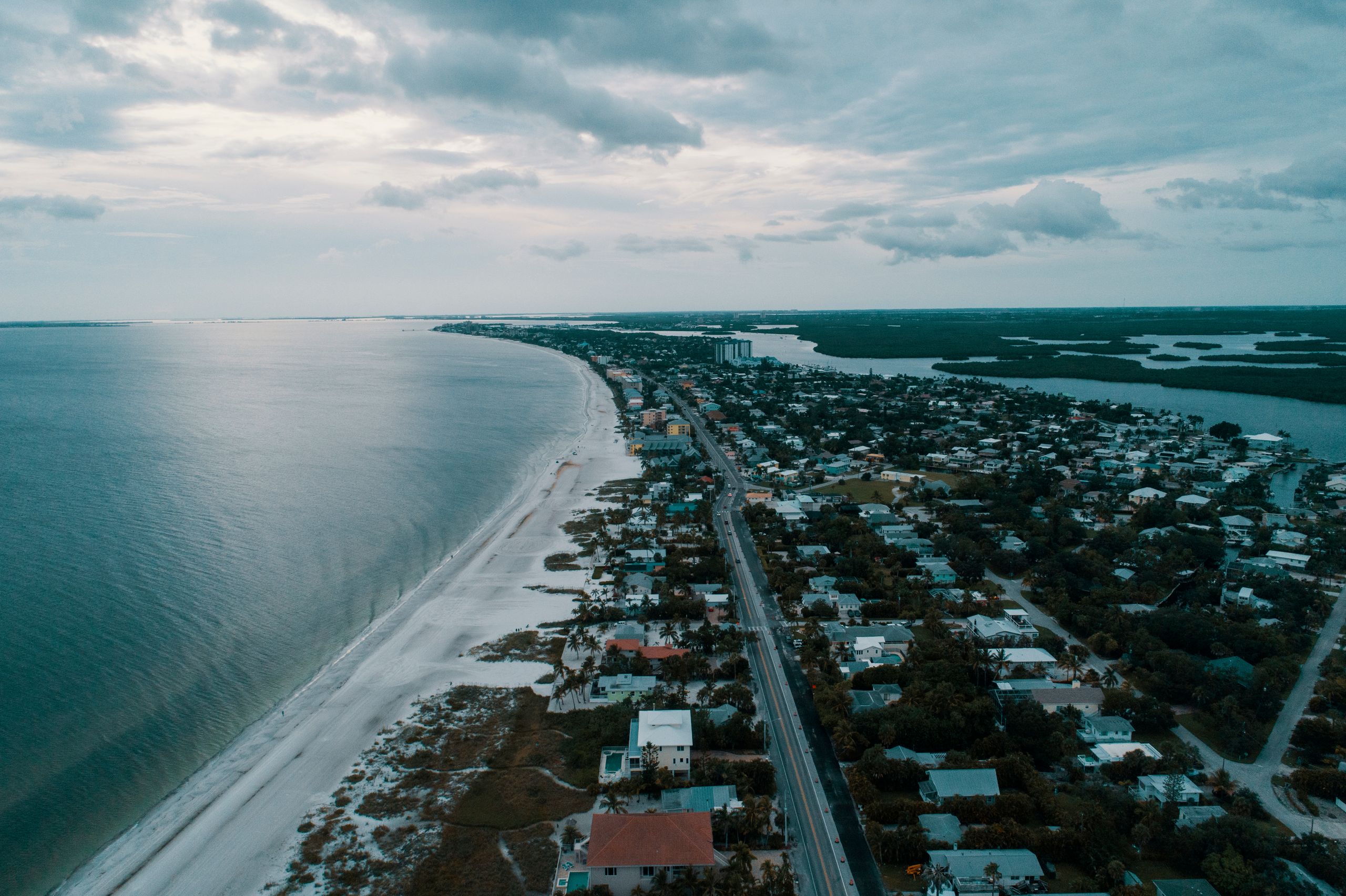
Florida has always marketed itself as an escape. People move there for warmer weather, lower taxes, beaches, retirement dreams, remote work freedom, and the idea that life might feel lighter under the sun. That image still has power, but it no longer matches what many renters see when they open their banking app.
The problem is not just that rent is high. It is that rent has become the first financial fight of every month. A renter can work full-time, skip extras, avoid vacations, delay medical care, and still feel squeezed by the same apartment they could afford a few years ago. That is where frustration turns into resentment, because the lifestyle being sold does not match the math people are living.
Renters Are Paying as They Live in Luxury Without Getting Luxury Lives
One of the most maddening parts of Florida’s rental crisis is the gap between cost and comfort. Many renters are paying premium prices for ordinary apartments, aging buildings, thin walls, crowded complexes, long commutes, and maintenance problems that do not feel premium at all. The rent keeps climbing, but the quality of life does not always keep pace.
That creates a special kind of anger. People can accept paying more when they feel they are getting more. What stings is paying luxury-level rent just to worry about groceries, car insurance, child care, and whether the next lease renewal will push them out. When housing costs rise faster than the feeling of stability, renters start to feel less like residents and more like customers being tested.
New Apartments Keep Rising, but Affordable Ones Keep Disappearing
Drive through many Florida cities, and it looks like housing is being built everywhere. Cranes, luxury complexes, mixed-use developments, and polished rental communities make it seem as if supply is pouring into the market. But renters know the catch. A new building does not help much if the units are priced far beyond what working households can pay.
This is where the construction boom can feel insulting. Renters see more apartments, but not necessarily more attainable homes. The market may add units, yet low-cost options keep thinning out. When “new housing” mostly means higher-end rentals, people searching for affordable places are left scrolling through listings that look available in theory and impossible in real life.
The Eviction Threat Turns One Bad Month Into a Housing Crisis
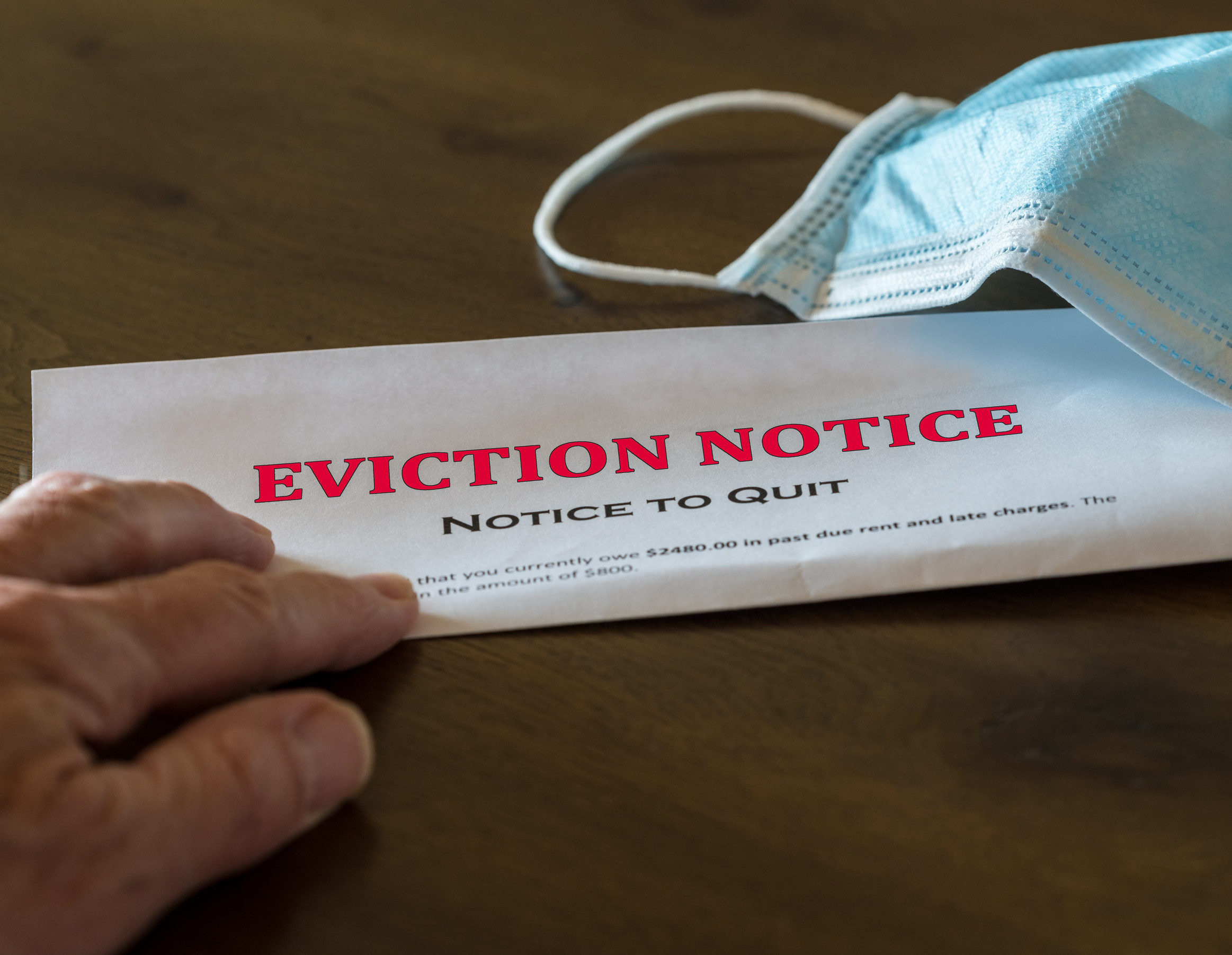
Florida’s rental pressure is not just uncomfortable. It can become dangerous fast. For renters living close to the edge, one missed paycheck, medical bill, car repair, family emergency, or cut in work hours can turn into a late notice, a court filing, and the fear of losing everything.
That is why eviction numbers matter so much. They are not just legal statistics. They represent families packing under pressure, seniors scrambling for help, workers sleeping poorly before court dates, and children watching adults panic over a front door that may soon no longer be theirs. A housing market becomes brutal when one financial stumble can erase years of stability.
The State’s Worker Class Is Being Priced Out of the Places That Need Them
Florida depends heavily on workers who do not always earn enough to cover rent. Hotel staff, restaurant workers, nursing aides, retail employees, delivery drivers, teachers, cleaners, caregivers, and service workers keep the state moving. Yet many of those same workers are being priced out of the communities that rely on them.
That creates a problem bigger than individual rent stress. A state cannot run on tourism, health care, construction, and service work while pushing the people who do that work into longer commutes or unstable housing. At some point, the housing crisis becomes a workforce crisis. If the people who keep Florida functioning cannot afford to live near their jobs, the whole state ends up paying for that contradiction.
No Rent Control Leaves Tenants Facing Lease Renewals With Little Leverage
A rent increase can feel like a negotiation only when both sides have power. Many Florida renters do not feel that power. If the new price is too high, the choices may be ugly: pay more, move somewhere farther away, crowd into a smaller place, take on debt, or risk instability.
That imbalance matters because moving is not free. Application fees, deposits, truck rentals, missed work, school disruption, and utility transfers can trap renters even when the rent becomes painful. A landlord may see a renewal as a business decision. A tenant may see it as the moment their whole life gets rearranged.
Retirees on Fixed Incomes Are Being Cornered by a Market That Does Not Care

Florida has long been a retirement magnet, but fixed-income renters face a cruel version of the crisis. Social Security checks and pensions do not always keep pace with rising rent, insurance-driven costs, medical bills, and everyday inflation. For older renters, moving is not just inconvenient. It can be physically, emotionally, and financially overwhelming.
That makes rent hikes especially punishing for seniors who built routines, medical networks, friendships, and support systems around one community. When the rent jumps, they are not just choosing between apartments. They may be choosing between independence and dependence, familiar doctors and new ones, dignity and desperation. A housing market that squeezes older renters is not just expensive. It is cold.
Families Are Losing Stability Before They Ever Get a Chance to Build Wealth
Renting is supposed to be a stage for many families, not a financial cage. The old promise was simple: rent for a while, save money, build credit, and eventually buy a home. In Florida, that ladder now feels broken for many households because rent eats the money that would have become savings.
That has long-term consequences. Families stuck in high-rent cycles may delay homeownership, drain emergency funds, rely on credit cards, or move repeatedly in search of lower costs. Children feel that instability too. A rent crisis does not stay inside a bank account. It follows families into schools, jobs, health, relationships, and every plan that depends on staying rooted.
Florida’s Housing Crisis Is Starting to Threaten the State’s Own Brand
Florida’s entire identity depends on the idea that people want to come and stay. Tourists visit. Retirees settle. Workers relocate. Families chase warmth, space, and opportunity. But if renters increasingly see Florida as unaffordable, unstable, and tilted against them, the state’s sunny image starts to crack.
That is the bigger danger. A place can attract people for years on reputation, but reputation can sour when daily life becomes too expensive. Florida may still be paradise for homeowners with equity, high earners, and investors. For renters watching another lease renewal climb, it can feel like a state asking them to love the sunshine while ignoring the storm at their front door.
The question now is whether Florida can remain the place people dream about moving to if more of the people already living there feel like they are being pushed out. Housing is not just another expense. It is the foundation on which everything else rests. When that foundation becomes unstable, so does everything built on top of it.
For many renters, the real frustration is not just the rising cost. It is the feeling that the Florida they were promised and the Florida they can actually afford are becoming two very different places. Sunshine, beaches, and warm weather still have their appeal, but they cannot make up for a housing market that leaves people feeling financially stretched and increasingly uncertain about their future.
A state’s quality of life is measured by more than its scenery. It is measured by whether ordinary people can build stable lives there. Until housing becomes more attainable, Florida’s rental crisis will continue to cast a long shadow over the lifestyle itself.