7 Road Trip Items That Keep Small Problems From Becoming Big Disasters
A summer road trip sounds easy until the first thing goes wrong. The playlist is perfect, the bags are packed, the gas tank is full, and everyone is already imagining beach stops, mountain views, roadside diners, and golden-hour photos from the passenger seat. Then the phone battery dies, the tire-pressure warning light appears, the sun starts burning through the windshield, and the nearest gas station is suddenly 40 miles away.
That is where a fun summer road trip can turn into a long, sweaty lesson in poor preparation. We do not need to pack the whole house, but we do need the right essentials for heat, breakdowns, delays, hunger, navigation problems, and long hours inside a moving car. The smartest packing list is not about looking organized, because it is about staying safe, comfortable, calm, and ready when the road refuses to cooperate.
A Roadside Emergency Kit That Can Save the Trip Before Help
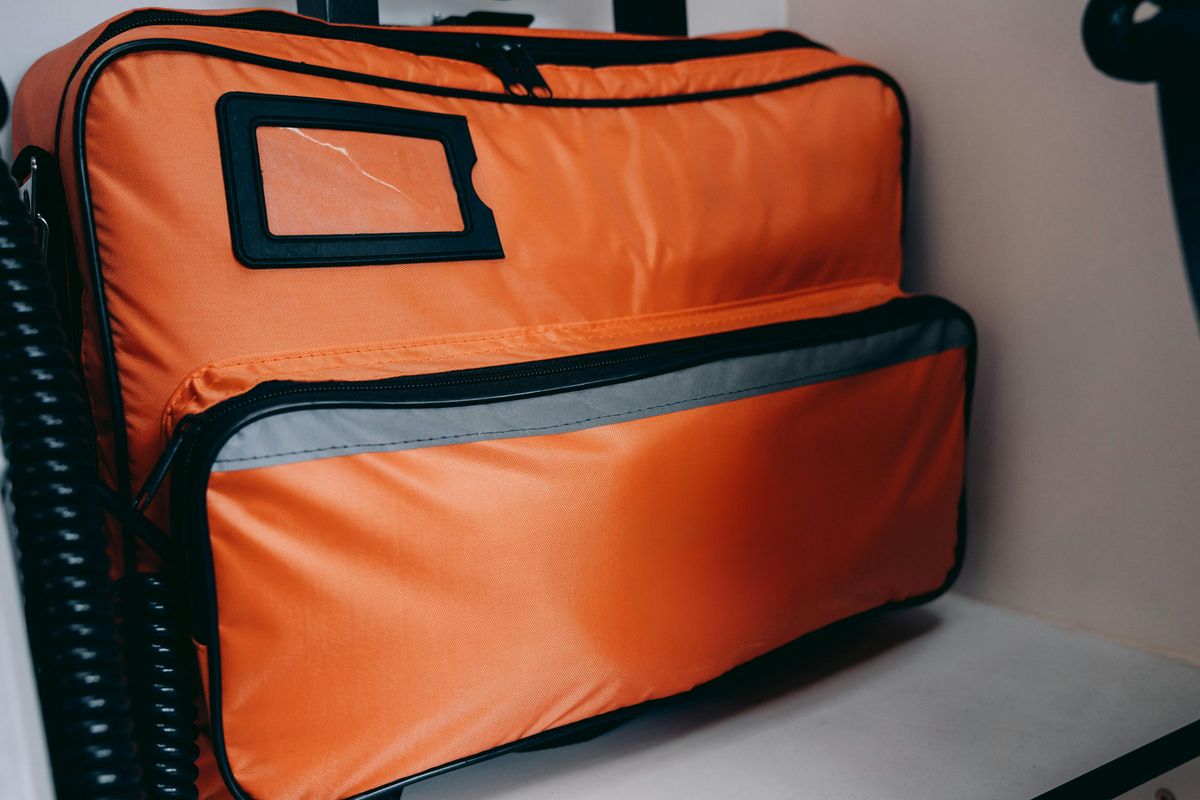
A roadside emergency kit should be the first thing we pack, not the thing we remember after the car starts acting strange. Summer heat can be hard on tires, batteries, engines, and drivers, which makes basic emergency supplies more important than extra outfits or travel decorations. A strong kit should include jumper cables, a flashlight, reflective triangles, a tire pressure gauge, work gloves, basic tools, a first aid kit, a phone charger, bottled water, and a small blanket.
This item matters because breakdowns rarely happen in convenient places. A dead battery in a hotel parking lot is annoying, but a dead battery on a rural highway at sunset can become stressful very quickly. When we have the basics within reach, we can stay visible, make minor fixes, call for help, and avoid turning a simple delay into a dangerous roadside situation.
A Proper Tire Plan, Not Just a Hope That the Car Feels Fine
Tires carry the entire trip, yet many travelers treat them like an afterthought. Before a long summer drive, we should check tire pressure when the tires are cold, inspect the tread, look for cracks or bulges, and confirm that the spare tire is usable. A tire inflator or portable air compressor is also worth carrying because low pressure can become a serious problem when the car is loaded with luggage and passengers.
This is one of those road trip essentials that feels boring until it becomes urgent. Hot pavement, long mileage, heavy bags, and highway speeds can quickly expose weak tires. We may never use the tire gauge or inflator, but packing them gives us control over one of the most common travel headaches on the road.
A High-Capacity Power Bank for Phones, Maps, and Emergencies

A dead phone can ruin more than entertainment. Phones now carry our maps, hotel confirmations, emergency contacts, mobile payments, roadside assistance apps, boarding passes, weather alerts, and family communication. That makes a high-capacity power bank one of the most practical items to bring on a summer road trip.
The best choice is a power bank that can charge multiple devices and hold enough power for a full day of use. We should also pack the correct cables for every traveler, because one charger does not help if half the car uses a different cord. When navigation drains the battery, kids stream videos, or a hotel outlet fails overnight, backup power keeps the trip moving.
Offline Maps and Paper Directions for Dead Zones
Navigation apps are excellent until the signal disappears. Long road trips often pass through mountain roads, rural highways, desert stretches, national parks, and small towns where mobile data becomes weak or unreliable. Downloaded offline maps can prevent confusion when the blue dot freezes and the next turn is unclear.
Paper directions may sound old-fashioned, but they still deserve a place in the glove box. We do not need a giant atlas for every drive, but printed hotel addresses, route notes, park entrances, campground details, and emergency contacts can help when the phone fails. The best road trip plan assumes technology will work, then prepares for the moment it does not.
A Cooler That Keeps Food Safe and Stops Expensive Panic Stops
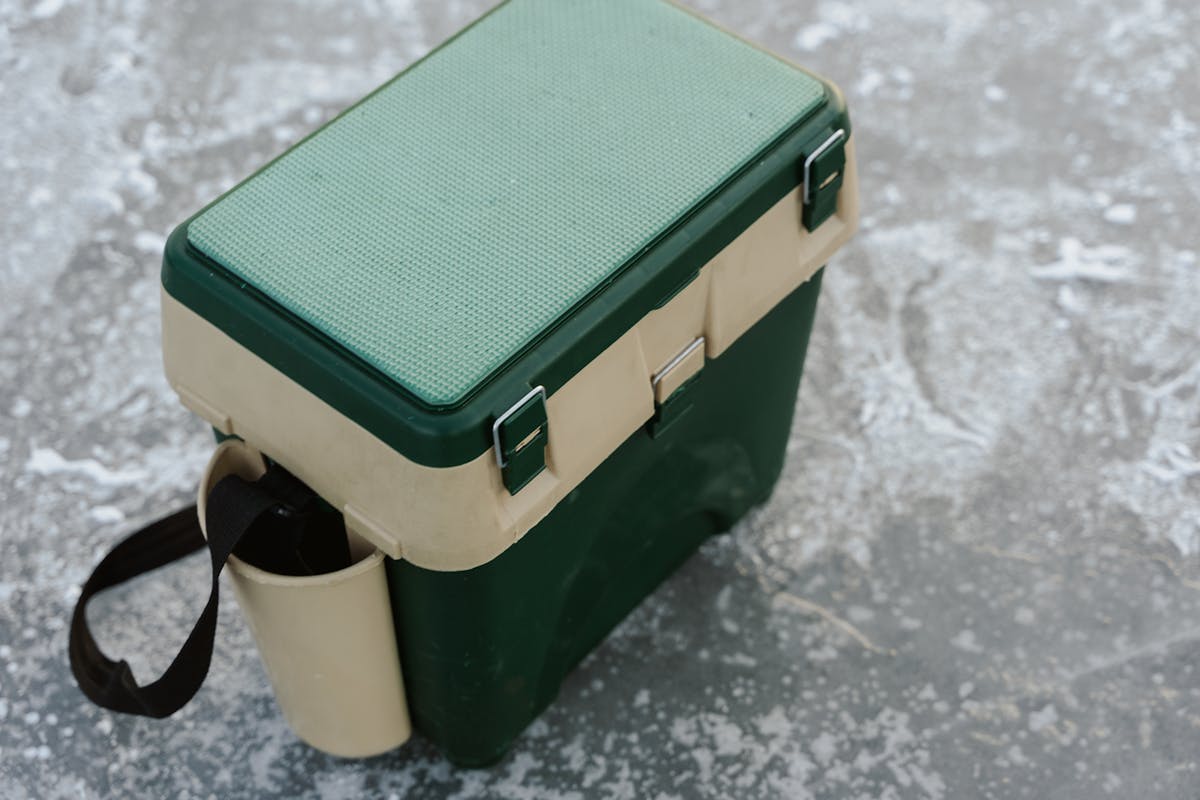
A cooler is not just for cold drinks. It can help us avoid overpriced convenience-store meals, keep fruit fresh, protect medication that requires cooler storage, and make long stretches between rest stops easier to manage. A good cooler should be easy to carry, easy to clean, and strong enough to hold ice or cooling packs for several hours.
Smart packing makes the cooler more useful. We can separate drinks from food, keep messy items sealed, and place frequently used snacks near the top so nobody has to dig through melted ice on the road shoulder. When traffic stretches longer than expected, a stocked cooler can save money, reduce crankiness, and keep everyone from making poor food choices out of desperation.
Water Bottles and Electrolytes for Heat, Headaches, and Long Delays
Summer road trips can dehydrate people faster than they realize. Air conditioning dries the air, salty snacks increase thirst, and long drives sometimes lead people to drink less to avoid extra bathroom stops. That small mistake can lead to headaches, fatigue, irritability, and poor focus.
Reusable water bottles should be packed where everyone can reach them, not buried under luggage. Electrolyte packets can also help during hot-weather travel, especially when the trip includes hiking, beach stops, amusement parks, or extended time outdoors. Water is not a glamorous item, but on a summer road trip, it is one of the simplest ways to protect the mood and the body.
A First Aid and Medicine Pouch for Small Problems That Feel Huge on the Road

A road trip can make minor health issues feel larger because the nearest pharmacy may be far away. A small first-aid and medicine pouch should include bandages, antiseptic wipes, pain reliever, motion sickness medicine, allergy tablets, stomach relief medicine, blister pads, tweezers, hand sanitizer, and any personal prescriptions. Families traveling with children should add child-safe medication and a thermometer.
This pouch should stay in the cabin, not in the bottom of the trunk. When someone gets a headache, a scraped knee, a sudden allergy flare, or motion sickness on a winding road, easy access matters. We cannot prevent every discomfort, but we can stop small issues from becoming the loudest part of the trip.