Convicted Killer Karmelo Anthony Claims He’s Broke Despite Family Raising $625,000 for Appeal.
The contradiction fueling outrage and debate
Karmelo Anthony, 19, who was convicted of fatally stabbing 17-year-old Austin Metcalf in Frisco, Texas, has claimed he is “penniless” and cannot afford a lawyer for his appeal, even though his family reportedly raised $625,000 through crowdfunding for legal fees and living expenses.
In a notice of appeal filed days after he was sentenced to 35 years behind bars, Anthony described himself as “penniless, destitute, and indigent, too poor to employ counsel to represent me on the appeal.” The statement has sparked intense scrutiny and debate about fairness, responsibility, and the determination of “indigence” in the legal system.
Crowdfunding vs. court claims
Anthony’s mother set up a GiveSendGo account to raise funds for legal defense, family relocation, counseling, and security measures after threats directed at them. The account reportedly raised $625,000 before being closed on Wednesday. While a new account could be opened to help fund the appeal, the stark contrast between the crowdfunded sum and Anthony’s claim of poverty has drawn criticism from observers across social media.
Legal experts note that judges will need to consider whether the crowdfunding proceeds affect his eligibility for a court-appointed attorney. If deemed not “indigent,” he might be required to hire a private lawyer using those funds, adding another layer of complexity to the appeal process.
The crime that started it all
The murder occurred on April 2, 2025, during a high school track meet in Frisco, Texas. According to trial testimony, tensions between the students escalated after Metcalf, a Frisco Memorial High student, asked Anthony, from Frisco Centennial High, to leave his team’s tent. A physical confrontation ensued, and Anthony pulled a folding knife from his backpack, stabbing Metcalf once in the chest.
Anthony has maintained that the stabbing was in self-defense, but the jury rejected that argument and convicted him. The court sentenced him to 35 years in a Texas state prison, and he was recently transferred under the Texas Department of Criminal Justice system.
The appeal and public reaction
Anthony’s defense attorney, Mike Howard, emphasized that an appeal is a normal part of the legal process and a right guaranteed to all Americans. “Several important issues need to be considered by the appellate courts,” Howard said.
Public reaction has been immediate and heated. Critics argue that claiming indigence while family members have raised substantial sums undermines public trust in the legal system. Others point to the unique pressures families face after a high-profile crime and suggest that the crowdfunding money may be earmarked for broader safety and relocation needs, not solely legal fees.
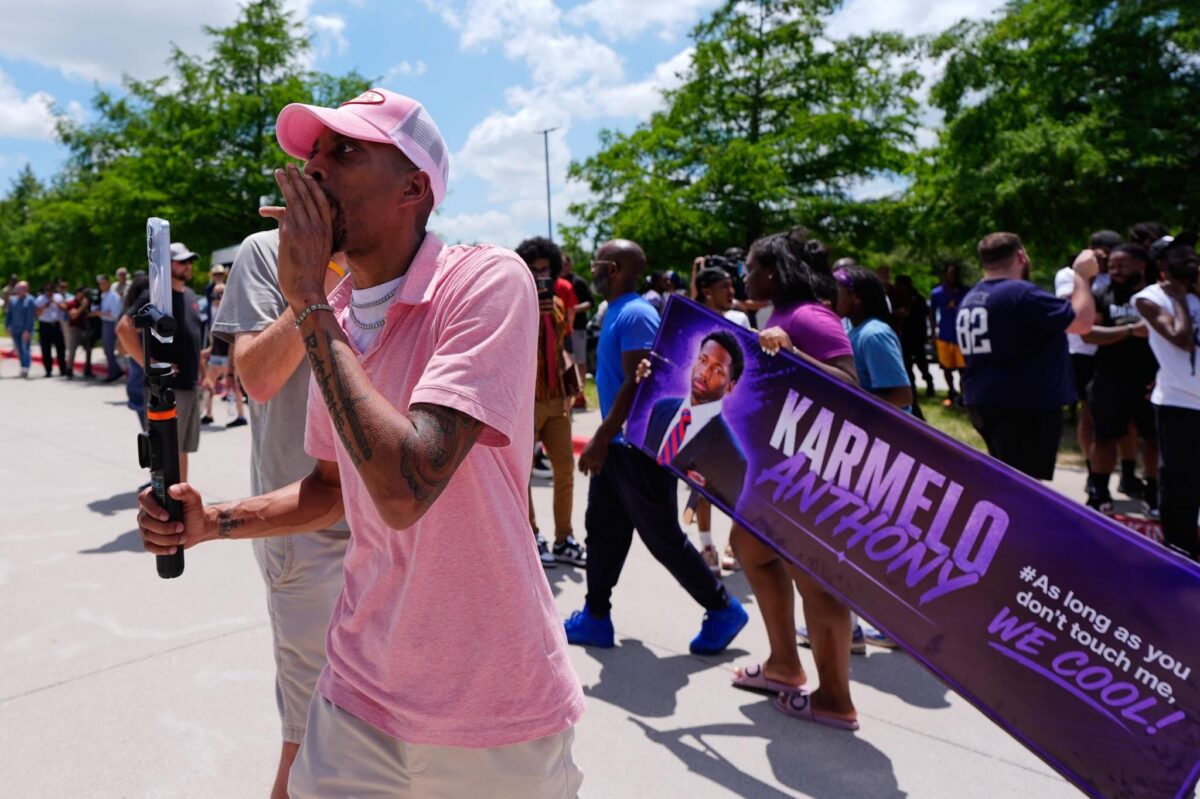
Supporters of Anthony have staged protests outside the Collin County Courthouse, defending his right to a fair appeal despite his conviction. Meanwhile, Metcalf’s family has expressed profound grief, highlighting the tension and raw emotion surrounding this case.
A legal and ethical dilemma
The case raises questions about fairness, accountability, and the definition of indigence in American courts. Should someone who has access to hundreds of thousands of dollars through donations be considered “too poor” to pay for an attorney? Or does the law recognize that those funds may not be liquid or intended exclusively for legal fees?
Judges will have to balance these considerations and decide whether taxpayer-funded legal counsel is justified. The decision could set a precedent for future cases where public sympathy and crowdfunding intersect with claims of indigence.
What comes next
The appeal process could take months or even years. Legal experts anticipate a close review of Anthony’s claim and the role of the crowdfunded money in assessing his financial situation. Meanwhile, debates over fairness, justice, and defendants’ responsibilities in high-profile criminal cases are intensifying online.
As this story develops, public opinion remains divided. Some see a young man using every legal avenue at his disposal, while others view the claim as disingenuous, raising questions about the ethics of crowdfunded defense in serious criminal cases.
One thing is clear: Karmelo Anthony’s assertion that he is “penniless” is not just a statement in a legal filing; it is a flashpoint in a case that continues to grip Texas and spark national conversation about crime, accountability, and the law.