Why Cooling Inflation Still Feels Like Bad News for American Families
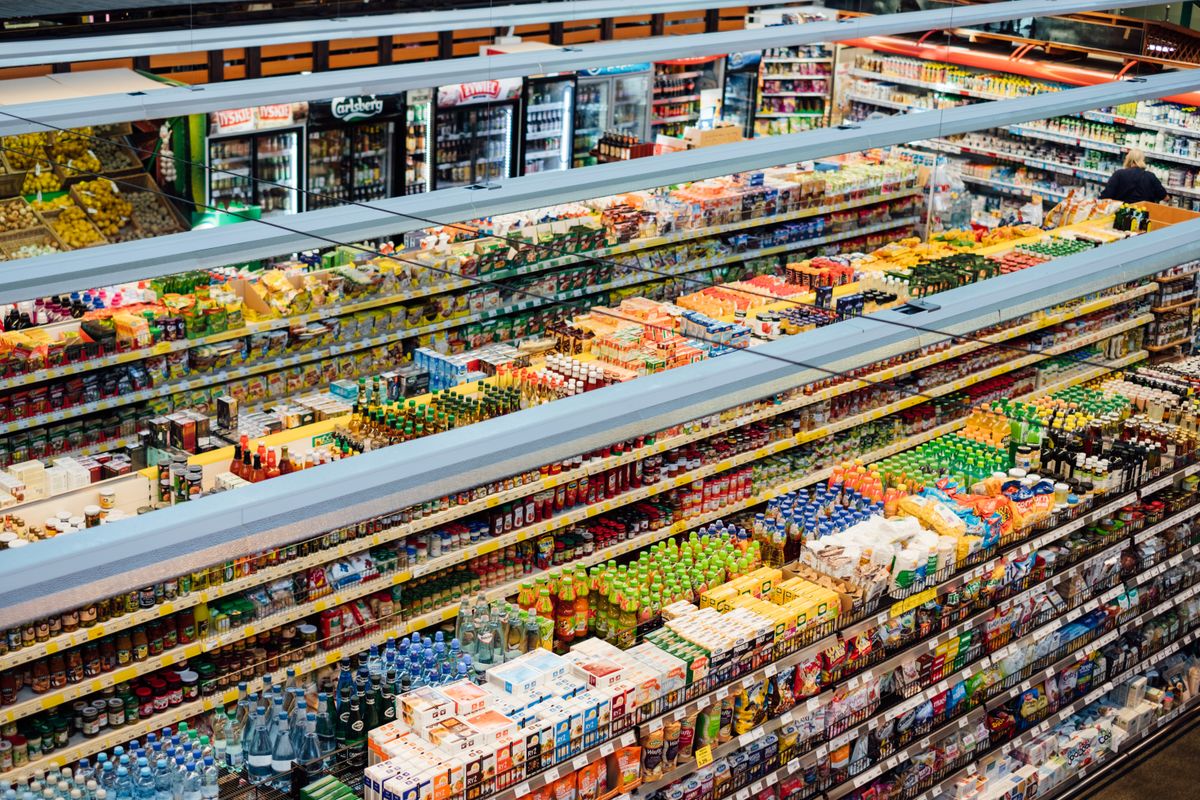
Inflation fell in June, but American families are still dealing with higher grocery, housing, and energy costs. Here is why cooling inflation has not brought broad financial relief.
A better inflation report should feel like a victory. For many American families, it feels more like a technical improvement that has not reached the checkout line, rent payment, or monthly budget.
The Consumer Price Index fell 0.4% in June after rising 0.5% in May, according to the U.S. Bureau of Labor Statistics. That was the largest monthly decline since April 2020. Yet consumer prices were still 3.5% higher than they were one year earlier. The inflation rate cooled, but the cost of living did not return to where it was before years of sharp increases.
That distinction explains why the latest numbers can look encouraging in Washington and still feel disappointing in kitchens, cars, and neighborhood stores. Here are the biggest reasons cooling inflation still feels like bad news for American families.
A slower rate does not reverse earlier increases
Cooling inflation means prices are increasing more slowly, or in June’s case, falling during one month. It does not mean families suddenly receive the buying power they lost during previous years. The annual inflation rate eased from 4.2% in May to 3.5% in June, but the average price level remained above its level last summer. A product that climbed from $4 to $5 does not return to $4 simply because its next increase is smaller. Families experience the final price on the shelf, not only the percentage change economists use to describe it.
Gasoline carried much of the good news

The monthly decline was driven largely by energy. The energy index fell 5.7% in June, while gasoline dropped 9.7%, according to the Bureau of Labor. Those decreases helped offset continued increases in food and shelter. Cheaper fuel can bring immediate relief, especially for commuters and households with long drives. Still, a report heavily influenced by one volatile category can change quickly. Gas prices often move with global supply, refining disruptions, conflicts, and seasonal demand. That makes June’s relief meaningful but fragile, particularly for families that must drive every day.
Drivers are still paying more than last year
Even after June’s sharp drop, gasoline prices remained 26.7% higher than they were a year earlier. The overall energy index was up 15.7% over the same period. This is the clearest example of how a monthly decline can coexist with a painful annual increase. A driver may pay less than in May but considerably more than in June 2025. That difference matters because fuel costs affect more than the family car. They can also influence transportation, delivery, farming, and business expenses, which may eventually appear in the prices of other goods and services.
Grocery bills refused to follow gas prices down
Food prices increased 0.2% in June and 3% over the previous 12 months. Grocery prices rose 2.7% over the year, while food away from home increased 3.4%. Some categories moved even faster. Fruits and vegetables were 5.3% more expensive than a year earlier, according to the Bureau of Labor. Food inflation is especially visible because families encounter it several times each week. A small increase, repeated across meat, produce, snacks, school lunches, and restaurant meals, can quickly offset savings from lower fuel prices. That is why the national headline may feel disconnected from the supermarket receipt.
Housing costs remain difficult to escape

Shelter prices rose 0.1% in June and 3.3% over the year. The monthly increase was the smallest since January 2021, but housing continues to place heavy pressure on household budgets. Renters cannot easily switch homes whenever prices rise, and homeowners still face mortgage payments, insurance, maintenance, utilities, and property-related expenses. Housing also accounts for a large share of the CPI, so persistent increases in shelter costs can keep inflation elevated even when goods become cheaper. For many families, saving $10 at the pump offers little comfort when rent or housing costs consume hundreds more each month.
Five years of inflation changed the financial baseline
The CPI index stood at 271.696 in June 2021 and 333.952 in June 2026. That works out to an increase of about 22.9% over five years. A basket of goods and services costing $100 in June 2021 would cost roughly $122.90 today if it followed the national index. That cumulative increase explains much of the public frustration. Families have adjusted to a permanently higher price level while often cutting discretionary spending, delaying purchases, or relying more heavily on credit. A single month of falling prices cannot undo a five-year shift of that size.
Wage gains have offered little breathing room
Real average hourly earnings for all private-sector employees rose 0.8% from May to June because wages increased while consumer prices fell. Over the full year, however, real hourly earnings increased only 0.1%. For production and nonsupervisory workers, real hourly earnings declined 0.1% from June 2025 to June 2026. Those figures show how narrowly pay has kept pace with inflation. When wages and prices rise at nearly the same speed, workers may earn more dollars without feeling wealthier. The paycheck grows, but groceries, housing, transportation, and other essentials absorb most of the improvement.
The Federal Reserve is not declaring victory
The Federal Reserve targets 2% inflation over the longer run using the Personal Consumption Expenditures price index. The latest available PCE report showed prices increasing 4.1% in the year through May, while core PCE, which excludes food and energy, rose 3.4%. Both readings remained above the Fed’s goal. That does not automatically predict what officials will do next, but it shows why one favorable CPI report is unlikely to end the inflation debate. Policymakers still have to judge whether June’s improvement can last without weakening employment or economic growth.
Cooling inflation is better than accelerating inflation, and June’s decline offered genuine relief in some areas. But American families live with cumulative price increases, not isolated monthly percentages. Food, housing, and energy remain expensive, while inflation-adjusted wage growth has been limited.
The numbers will begin to feel like good news only when lower inflation lasts long enough for earnings to pull clearly ahead of essential costs. Until then, families may continue hearing that inflation is cooling while wondering why their money still does not stretch far enough.