From Dough to Fresh Bread: The Surprising Kitchen Uses for Beeswax Bags
A reusable beeswax bag can do much more in the kitchen than replace a plastic sandwich bag.
At first glance, a beeswax bag looks like a simple piece of fabric with a waxy coating. But for anyone who bakes bread, works with dough, stores fresh produce, or constantly finds food becoming stale or moldy, it can become one of those surprisingly useful kitchen tools that earns its space.
The secret is its balance between protection and airflow. Unlike completely airtight plastic, a beeswax-coated bag can create a breathable barrier around food. That makes it particularly interesting for bread and dough, where controlling moisture can make the difference between something staying fresh and something becoming soggy, stale, or moldy.
A Baker’s Secret for Dough
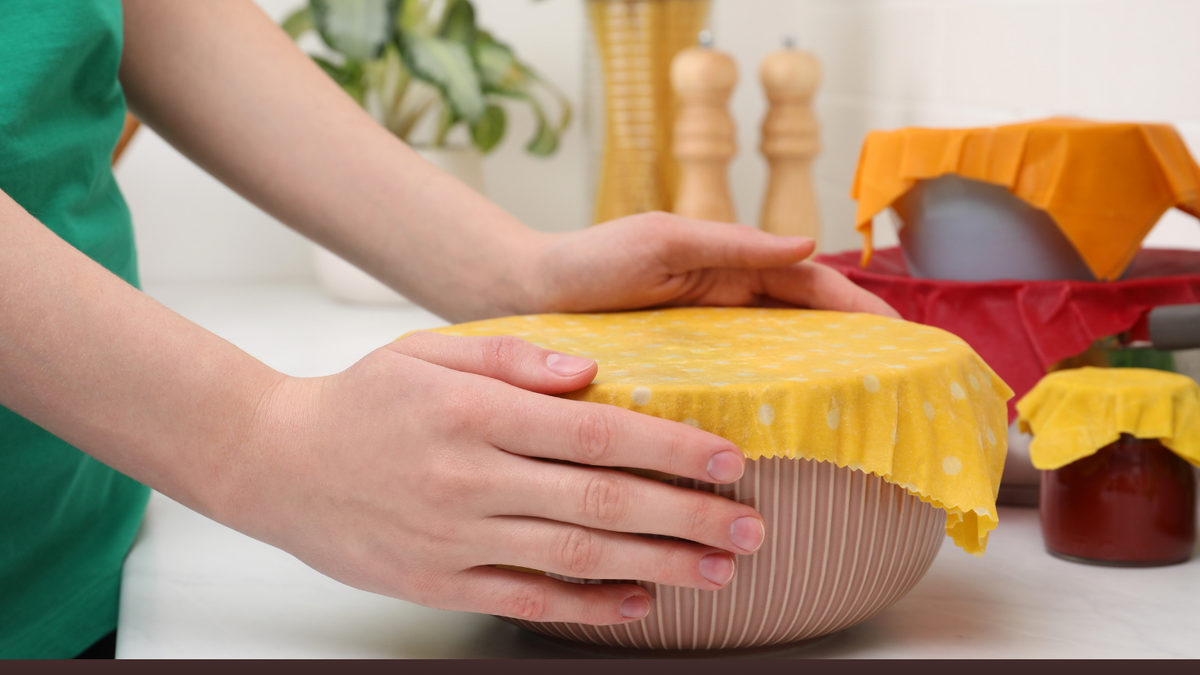
For anyone who bakes bread at home, a beeswax bag’s usefulness begins before the loaf even reaches the oven.
During proofing, dough needs a protected environment so its surface does not dry out while it rises. A suitable beeswax wrap can cover a bowl of dough or serve as a proofing cover, creating a protective barrier without disposable plastic wrap. Some purpose-made bread wraps are specifically designed for this use, and manufacturers recommend lightly dusting them with flour before covering dough.
That makes them particularly convenient for pizza dough, bread dough, sourdough, and other mixtures that may need to rest for hours. King Arthur Baking’s explanation of proofing emphasizes how important the dough’s surrounding environment is to successful fermentation and the final structure.
The key distinction is that the wrap helps protect the dough’s surface; it doesn’t control the temperature or replace proper proofing conditions.
Why Bread Storage Is Where They Really Shine
The right storage can be the difference between tomorrow’s beautiful loaf and tomorrow’s disappointing, moldy bread.
Fresh bread contains plenty of moisture, and trapping too much of that moisture against the surface can encourage problems. On the other hand, too much airflow can leave a loaf dry and stale. A beeswax-lined bread bag aims to strike a balance, helping retain moisture while allowing some airflow.
This is especially useful for homemade sourdough and crusty artisan loaves. King Arthur Baking’s bread-storage guidance notes that soft sourdough breads can be stored in an airtight bag, while crustier loaves need different treatment. The key lesson is that different breads need different storage, rather than assuming one container works for everything.
One rule is worth remembering: let freshly baked bread cool completely before bagging it. Packing a warm loaf creates condensation, and excess moisture trapped around the bread can encourage mold.
Keeping Mold at Bay
Beeswax does not magically make bread mold-proof—storage conditions matter.
A clean, dry beeswax bag can help manage the moisture surrounding a loaf, but it cannot rescue bread that is already contaminated or badly stored. If condensation collects inside the bag, the environment can become damp enough to encourage mold rather than prevent it.
That is why cooling the loaf first, keeping the storage bag clean, and making sure it is completely dry before reuse are so important. Purpose-designed bread bags can be especially useful because they balance moisture retention with airflow.
A breathable storage system is also one reason beeswax bags can feel different from ordinary plastic. Plastic can trap moisture tightly against food, while a waxed fabric provides a less rigid barrier.
Beyond Bread: Dough, Snacks and Everyday Food
Once you have one in the kitchen, you quickly discover that its usefulness extends far beyond a loaf of bread.
A reusable beeswax bag can hold sandwiches, crackers, fruit, vegetables, herbs, and other relatively dry foods. Flat beeswax wraps can also cover bowls or wrap oddly shaped foods, while larger pieces can be useful for dough that needs to rest.
Some home bakers even use waxed wraps for biscuit or pizza dough, and SBS Food’s guide to beeswax wraps describes their use with dough, bread and other kitchen staples.
That versatility makes them more than just another replacement for a plastic bag. They can become part of the preparation process as well as the storage process.
But They Are Not for Everything
Knowing what not to put inside is just as important as knowing what they can handle.
Do not store raw meat, poultry, or fish in reusable beeswax cloth because the material cannot be washed at temperatures high enough to provide the same sanitation as surfaces designed for raw animal foods. The German Federal Institute for Risk Assessment also warns about possible transfer of substances from beeswax cloths into food and recommends using food-contact-suitable materials.
Fatty foods require additional care because components of the wax coating can migrate into foods such as cheese and pastries. The BfR’s guidance on beeswax cloths explains why the coating’s quality and composition matter.
Hot food is another obvious no. Heat can soften the wax, so allow food to cool before wrapping it.
A Small Tool With a Big Kitchen Role
The real value of reusable beeswax bags is how many ordinary kitchen problems they can solve without creating another disposable one.
They can cover dough while it rises, protect bread after baking, carry snacks, store produce, and reduce the constant need for plastic wrap. They are especially useful for people who bake regularly because the same item can follow food from preparation to storage.
They also fit naturally into a kitchen built around practical everyday habits rather than constantly buying another single-use product.
With gentle washing in cool water, proper drying and sensible storage, a good beeswax bag can become a regular part of the kitchen routine. It will not prevent every loaf from going stale or every piece of bread from developing mold, but used correctly, it can provide a better storage environment for homemade food while cutting down on disposable packaging.
Would you use a beeswax bag mainly for storing homemade bread, or would you also use it to cover dough while it rises?