
Ricotta in Lasagna: Why This Soft, Creamy Layer Makes Such a Difference
Ricotta keeps turning up between layers of pasta, sauce, and bubbling cheese for a reason.
Lasagna can be made in countless ways, but ricotta adds a particular kind of comfort: creamy without being heavy, soft without becoming runny, and rich enough to stand up to a deeply flavored tomato or meat sauce. It also helps create a distinct layer between the pasta sheets, so every forkful feels like more than noodles and sauce stacked together.
The key is that ricotta isn’t there just because someone decided to add another cheese. Its texture and mild flavor serve a specific purpose, and the type of ricotta you choose can change the finished dish considerably.
What Ricotta Actually Brings to Lasagna
Think of ricotta as the creamy middle ground between hearty sauce and stretchy mozzarella.
Whole-milk ricotta is particularly common in lasagna recipes because its richer texture gives the filling body without making it overly sharp or salty. A typical filling combines ricotta with egg and Parmesan, sometimes adding parsley, basil, oregano, spinach, or other ingredients for extra flavor. Food Network recipes demonstrate several versions of this approach, including combinations of whole-milk ricotta, egg, and Parmesan layered with sauce, noodles, and mozzarella.
That combination matters. Ricotta on its own can taste quite mild, while Parmesan brings saltiness and a nutty edge. Egg helps bind the mixture as it cooks, giving the ricotta layer more structure instead of leaving it as a loose spoonful of cheese.
Mozzarella has a completely different job. It melts into stretchy strands and creates the golden, bubbling surface people expect from lasagna. Ricotta, meanwhile, stays comparatively soft and creamy. Put the two together, and you get contrasting textures in the same bite.
It Has Deep Italian Roots, But Not Every Lasagna Uses It
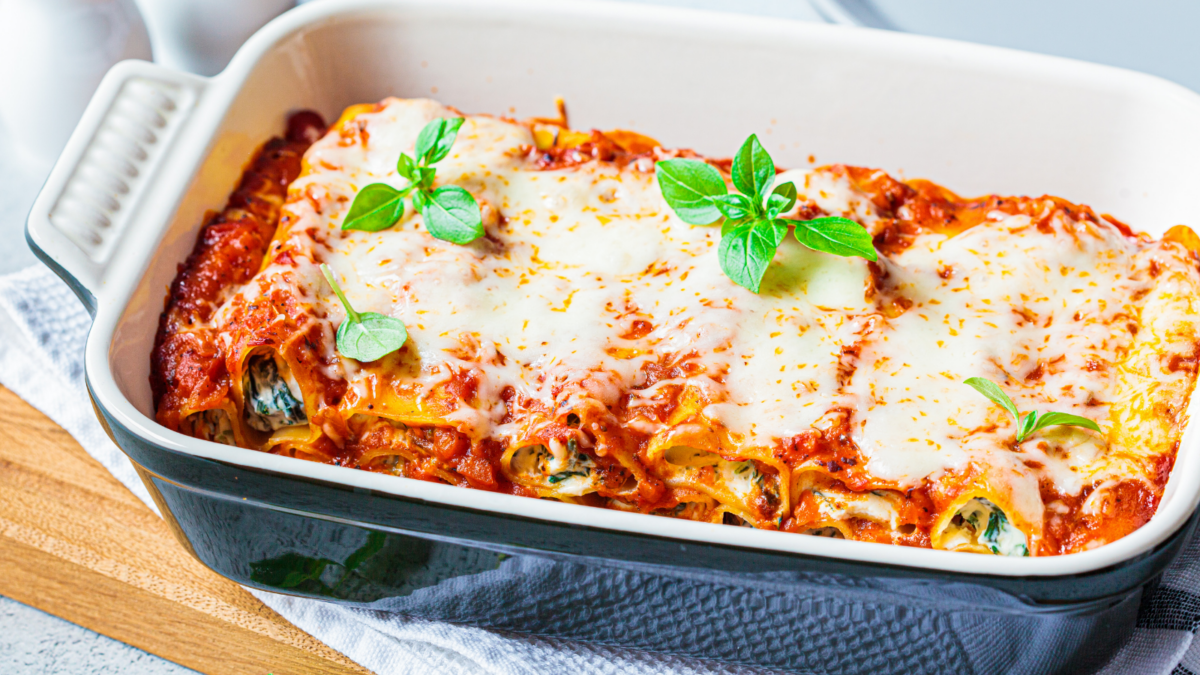
The idea that every traditional Italian lasagna must include ricotta misses one of the dish’s most interesting aspects.
Lasagna has developed differently across Italy, and ricotta is especially associated with southern versions. According to La Cucina Italiana’s history of lasagna, southern Italian preparations commonly combine dried pasta sheets with rich meat ragù, ricotta, and mozzarella.
Travel north toward Bologna and the formula changes. Bolognese-style lasagna is associated with fresh egg pasta, often colored green with spinach, layered with ragù, béchamel, and Parmigiano-Reggiano. In other words, ricotta is an important part of some Italian lasagna traditions, but it is not the universal definition of authentic lasagna.
The Moisture Question Matters More Than You Think
A creamy lasagna can be wonderful, but a watery one can turn a beautiful dinner into a plate of sliding layers.
Ricotta naturally contains a lot of moisture, so choosing a thick, high-quality variety helps. If your ricotta looks particularly wet, allowing excess liquid to drain before mixing it into the filling can give you a firmer result.
The same principle applies to other wet ingredients. Spinach, for example, should be squeezed thoroughly after cooking or thawing before being added to a ricotta mixture. Otherwise, extra water can make its way into the finished lasagna.
This does not mean the ricotta needs to be dry or crumbly. The goal is still a moist, creamy filling. You want enough structure that the layers remain recognizable when the dish reaches the table.
The Little Mixture That Makes a Big Difference
Good ricotta filling is less complicated than it looks.
Start with whole-milk ricotta, then add a beaten egg, grated Parmesan, salt, pepper, and herbs if you like them. Fresh parsley gives brightness, while basil adds a sweeter herbal note. Some versions also incorporate spinach, sausage, or other ingredients.
One useful approach is to mix everything thoroughly before assembly rather than dropping separate spoonfuls of ricotta, egg, and Parmesan into the pan. Recipes such as Michael Symon’s herb-filled ricotta lasagna mixture show how parsley, basil, oregano, eggs, and Parmesan can turn plain ricotta into a flavorful filling.
For a smoother layer, let the ricotta come closer to room temperature before mixing. It spreads more easily across the noodles and is less likely to tear them apart.
How Ricotta Changes the Slice
The real test comes when you cut into the lasagna.
A good lasagna should hold together long enough to reveal its layers while still being soft enough to eat easily. The ricotta filling helps create that middle texture between the firm pasta and molten cheese.
This is also why patience matters after baking. It can be tempting to grab a serving immediately, especially when the top is bubbling and the kitchen smells incredible, but allowing the lasagna to rest gives the layers time to settle. Some recipes recommend only a few minutes, while others allow 20 minutes or more before slicing.
That waiting period can make the difference between a neat square and a delicious-looking heap on the plate.
Ricotta Doesn’t Have to Stop at Lasagna
Once you have ricotta in the refrigerator, there is no reason to reserve it for one enormous baking dish.
The same creamy cheese works beautifully in stuffed shells, manicotti, ravioli fillings, pasta dishes, toast, pizza, and desserts. Its mild flavor also makes it easy to pair with sweet ingredients such as honey and fruit or savory ingredients such as herbs, vegetables, and cured meats.
That versatility makes ricotta a useful ingredient beyond special Sunday dinners. It can be part of simple everyday meals, especially when you want to make ordinary ingredients feel a little more substantial. A few practical habits for recharging your mind and body can start with something as uncomplicated as turning leftover ricotta into a quick breakfast or snack.
The Best Way to Think About Ricotta in Lasagna
Ricotta isn’t competing with the other ingredients; it gives them something to play against.
Tomato sauce brings acidity, meat or vegetables provide savory depth, Parmesan adds salty nuttiness, mozzarella supplies stretch, and pasta gives everything structure. Ricotta fills the spaces between those flavors with a soft, creamy layer that makes the whole dish feel richer without relying entirely on melted cheese.
That’s why ricotta deserves more attention than it usually gets. Whole-milk ricotta, sensible moisture control, a well-seasoned filling, and enough resting time can turn the cheese from a simple ingredient into a defining part of the dish.
Whether you prefer a southern Italian-style lasagna with ricotta and mozzarella or a northern version built around béchamel, there are plenty of ways to make the dish your own. It is also worth remembering that the ingredients we use every day can have a surprisingly large effect on how satisfying a meal feels, much like the superfoods that can support energy and mood.
When you make lasagna, do you prefer the creamy richness of ricotta, or would you choose a béchamel-based version instead?


