7 Harsh Reasons Millions of Americans Are Ashamed to Be American, and Why Many Blame Liberal Politics
In 2026, something unusual is happening in the United States: pride in being American isn’t as automatic as it used to be. Once a near‑universal sentiment, national pride has softened, especially among younger Americans, Democrats, and independents. Polling shows that while Republicans still express high levels of national pride, Democrats’ pride in their country has noticeably declined. This isn’t just political disagreement; it’s emotional discomfort with the very idea of what America has become.
For many, that discomfort isn’t abstract. It’s tied to a deep frustration with the political environment, especially with what they perceive as liberal leadership, media narratives, and cultural movements that, to them, undermine traditional values, fearlessly question national symbols, or elevate division over unity.
Extreme Political Polarisation Has Fractured Identity

Instead of seeing themselves as one people with differences, many Americans now see their fellow citizens as enemies. From social media to cable news, politics feels like a battlefield ruled by outrage. This chronic conflict leaves people worn down, cynical, and wary of national pride itself.
For many conservatives, this isn’t just disagreement; it’s frustration with what they see as liberals’ relentless critique of historical ideals, law enforcement, and national symbols. That ongoing critique often gets conflated with unpatriotism, driving shame rather than unity.
Leaders Still Can’t Solve Everyday Problems
Gas prices, housing costs, healthcare premiums, and student debt remain enormous burdens for ordinary Americans. When people feel the system is stacked against them, national pride wanes. Feeling economically stressed can easily morph into feeling let down by the country itself.
Critics of liberal policymakers often say progressive economic approaches have worsened inflation and discouraged investment, creating cycles of stagnation rather than growth. Whether one agrees or not, the perception that liberal leadership has failed ordinary Americans fuels shame and blame.
Culture Wars Leave People Disillusioned

From debates over free speech on university campuses to changes in sports policies and in how American history is taught in schools, cultural controversies have made national identity a battleground. These fights often spill out into everyday life, leaving people exhausted and alienated.
Some feel that vocal liberal criticism of traditional values, patriotism, and national narratives has gone too far portraying America as uniquely flawed instead of balanced, complex, and worthy of pride. That perception, right or wrong, contributes to feelings of national embarrassment rather than inspiration.
Liberal Media Is Seen as Perpetuating Cynicism
Many Americans, especially conservatives and moderates, feel mainstream media steadily amplifies negative stories about America, focusing on division, scandals, crime, and institutional failures. In their view, this constant drumbeat feeds a narrative that America is worse than it is, eroding citizens’ sense of positive identity.
Whether rooted in liberal editorial choices or not, this perception matters. For people who feel bombarded by negativity, media coverage becomes synonymous with national reputation, shaping how they feel about their homeland.
Public Institutions Are Distrusted
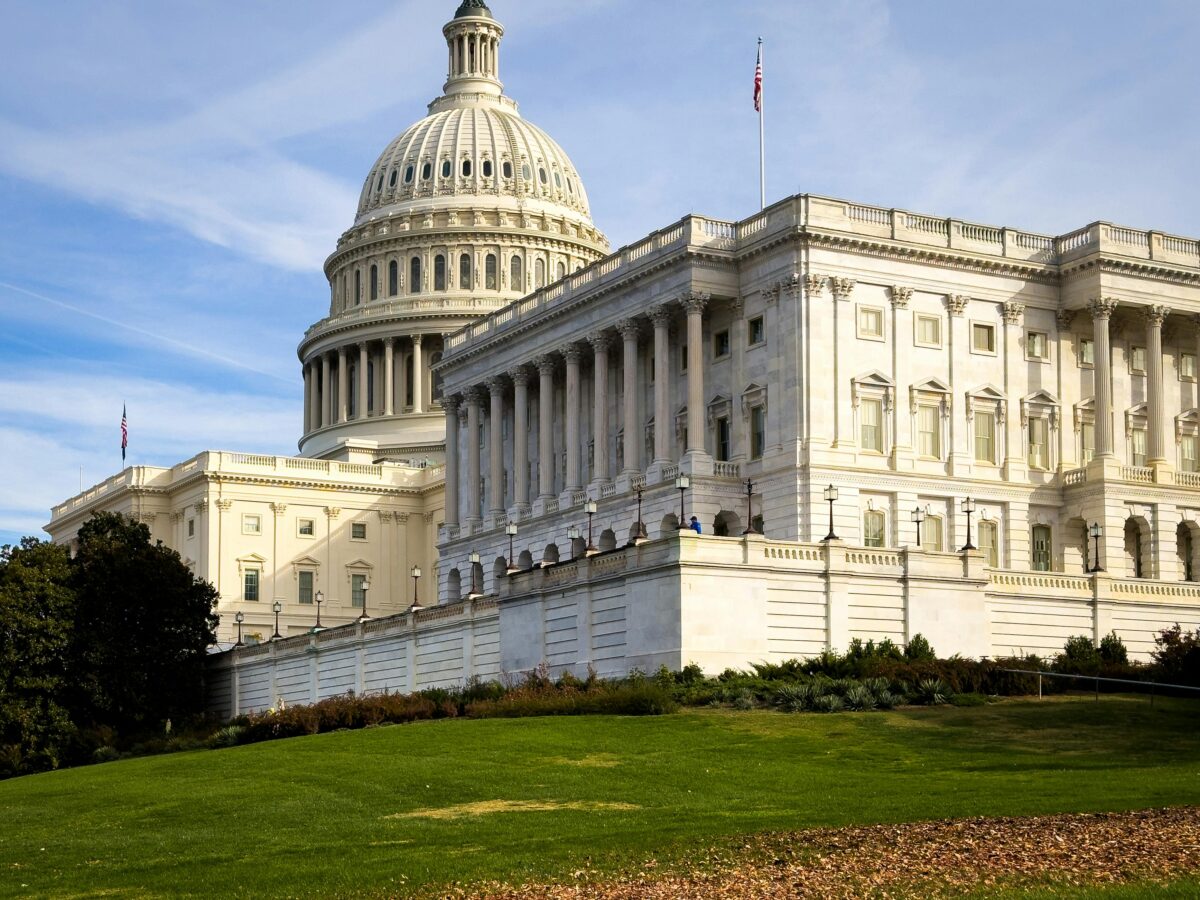
From universities to Hollywood, from tech platforms to regulatory agencies, many Americans believe influential institutions are dominated by liberal ideology. They see decisions and messaging that feel more like policy activism than neutral public service.
For some, this feels like an intellectual monopoly that marginalises dissenting views, twists historical memory, and defines patriotism in ways they reject. The result isn’t just political disagreement, it’s shame about what institutions represent and who they serve.
National Symbols Become Political Flashpoints
Moments that once united nations national anthems, flags, and pledges of allegiance are now weaponised in partisan debates. For many people, what should be universal symbols of pride have instead become political signs of cultural conflict.
Liberal‑leaning critiques of those symbols, whether intentional or interpreted as dismissive, can make people feel the country they loved is being reshaped in ways they don’t recognise. When patriotism becomes a partisan metaphor, shame and defensiveness grow.
The Patriotism Gap Reflects Broader Cultural Shifts
Polls show that younger Americans, particularly those aligned with progressive values, express lower levels of national pride compared with older, more conservative generations. Many cite inequality, climate denial, failures in public policy, or conservative resistance to change as reasons for discomfort.
At the same time, many conservative and independent voices blame liberal cultural institutions for deepening cynicism about America’s purpose and character. In other words, some are ashamed because they see America as flawed, while others are ashamed because they see liberal politics reshaping the country in ways they view as unpatriotic.
Conclusion
The deepening ambivalence toward being American doesn’t reflect a single cause; it reflects a crisis of identity. Millions feel caught between pride in the nation’s achievements and frustration with its direction. And for a significant portion of Americans, that frustration is intensely personalised in the label “liberal politics.”
Some believe liberal policies and cultural narratives have magnified America’s flaws without celebrating its strengths. Others see liberal reforms as necessary correctives to historical injustices. The result? A widening pride gap, where national identity no longer feels like something shared by all.
America’s identity is now contested at every level: political, cultural, generational, and emotional. But one truth remains clear.