8 Hard Truths Washington Families Should Know Before Wild Waves Closes for Good
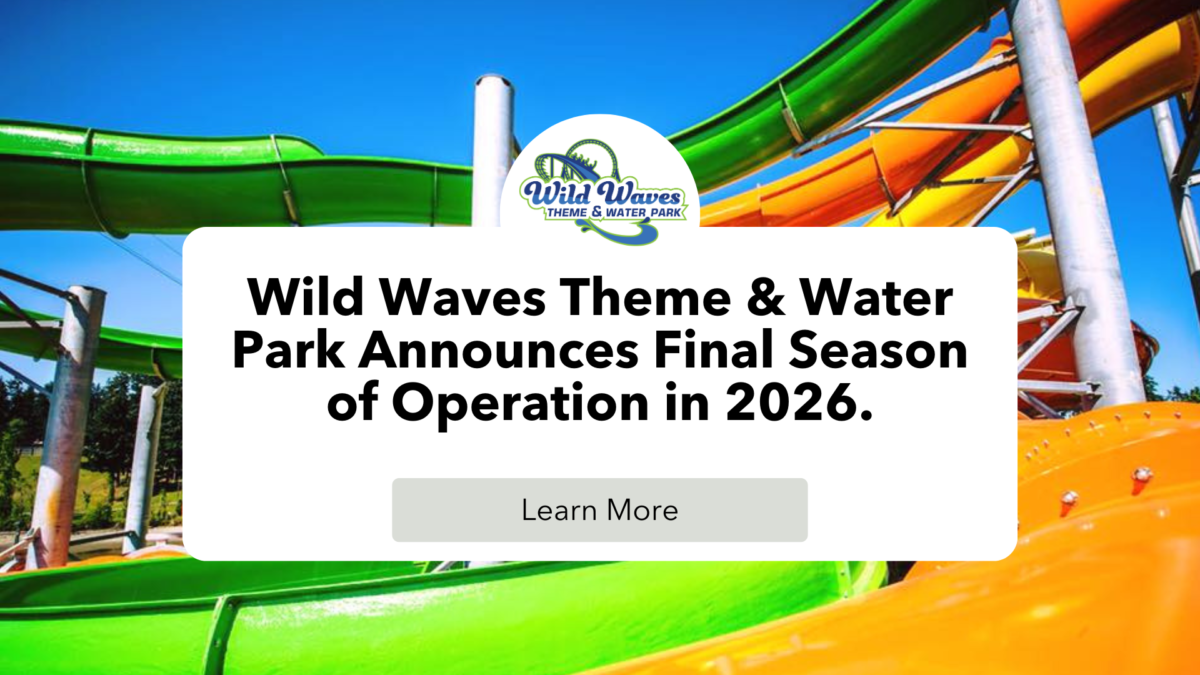
Wild Waves’ closing is the kind of story that hurts because it reaches beyond rides, slides, and ticket sales. For nearly 50 years, the Federal Way theme and water park gave Washington families a place to cool off, celebrate birthdays, take school trips, and build summer memories close to home.
Now, that familiar chapter is nearing its final page. The park is expected to open for one last season in 2026 before closing to the public for good, leaving families, workers, and longtime visitors with one painful question: how does a place so loved become a place people have to say goodbye to?
The answer is not just one thing. It is a mix of financial pressure, post-pandemic losses, community loss, job impact, land-use questions, and the bigger struggle facing regional attractions across America. Below are the eight hard truths families should know before Wild Waves closes for good, from the official financial pressure behind the decision to the jobs, memories, tickets, and community questions now surrounding its final season.
The official reason is financial pressure.
The hardest truth behind Wild Waves’ closing is financial. The operator said that rising operating costs following the COVID shutdown led to major losses, making it unsustainable to keep the park open beyond 2026. That detail matters because it keeps the story grounded. This is not a claim that families stopped caring or that the park lost its meaning. It is a business reality facing a place that still carries deep emotional value. Theme parks need staffing, inspections, utilities, safety work, insurance, water systems, and repairs before a single summer crowd can turn into profit. For visitors, that explanation still feels sad.
The final season now feels like a countdown.

Wild Waves is expected to open for its final season on May 23, 2026, and close to the public for good on Nov. 1, 2026. That gives families one last window to visit, but it also turns the entire season into a countdown. Every ride, photo, birthday trip, and summer outing will carry a different feeling. For parents who once visited as children, the final season may become a chance to bring their own kids before the gates close forever. That is what makes this story feel less like business news and more like a family goodbye playing out in real time. It will likely drive return visits.
Nearly five decades are disappearing with it.
Wild Waves opened in 1977, so the closure affects several generations at once. Many Washington families do not remember the park as a random attraction. They remember it as a summer tradition, a school trip destination, a first job, or the place where a child finally became brave enough for a bigger ride. After nearly 50 years, a park becomes part of local memory. That is why Wild Waves’ closing feels like more than one company’s decision. It removes a shared landmark from the lives of people who grew up around it and expected it to remain. Once a place holds that much history, losing it feels personal.
Families still need answers about tickets.
One practical concern is what will happen to guests who have already bought 2026 tickets, passes, or group packages. The park has said those purchases are expected to be honored during the final season, which gives families some clarity as they plan one last visit. That detail is important because closures often leave customers worried about lost money or canceled plans. In this case, the final season is still expected to happen. For many readers, that changes the story from panic to planning, especially for families hoping to say goodbye in person before closing day. It also gives the story a useful reader-service angle.
Hundreds of seasonal jobs are on the line.

Wild Waves’ closing also affects workers behind the scenes. The park has full-time employees and hundreds of seasonal workers who help run rides, food stands, water attractions, guest services, maintenance, and security. For many young people, jobs like these are first steps into the workforce. For others, seasonal income helps cover bills during busy months. When a regional park shuts down, the impact does not stop with guests. It reaches workers, families, vendors, and the local economy that grew around summer crowds for decades. That is why the jobs angle deserves space beside the memories and the rides.
The land-use question adds a colder twist.
The property’s future adds another layer to the story. Local reporting has pointed to a proposed industrial warehouse project for the site, which should be framed carefully as a proposal rather than as the proven cause of the closure. Still, the contrast is hard for readers to miss. A place once tied to water slides, roller coasters, and family weekends could eventually be linked to trucks, loading docks, and industrial activity. That possible shift makes the emotional loss feel sharper for people who saw the land as a place for memories, not logistics. For many locals, that contrast may be hardest to accept.
Regional parks are facing a tougher world.
Wild Waves’ closing also reflects broader pressure facing smaller regional attractions. These parks do not have the same cushion as national destination resorts with hotels, premium tickets, and year-round tourist traffic. They often depend on local visitors, good weather, seasonal staffing, and a few strong months to make the numbers work. When costs rise, and attendance becomes harder to predict, the margin for survival gets thin. That bigger trend helps explain why this local closure may feel familiar to readers across America, even far from Washington. It raises a wider question about what survives in high-cost markets.

Federal Way loses more than a park.
For Federal Way, the loss is not only emotional. A long-running amusement park gives a city visibility, family traffic, local jobs, and a shared place that residents can point to with pride. Something new may eventually bring economic activity, but it will not replace the exact role Wild Waves played in people’s lives. That is the tension at the heart of this story. Communities can grow and change, yet still mourn the places that made them feel recognizable. Wild Waves’ closing leaves that kind of empty space. The rides may close, but the absence will remain visible in the city’s story. For many residents, that will sting.
Wild Waves’ closing is painful because it shows how fragile beloved local places can be when the numbers stop working. Families may understand the business explanation, but understanding does not make the loss feel smaller. For nearly 50 years, the park gave people more than a day out. It gave them a shared summer ritual, a memory bank, and a place where ordinary weekends felt special. When the final season ends, Federal Way will not just lose a theme park. It will lose a familiar piece of its story, and families will be left asking what happens when places built for joy no longer survive.