Sarah Cracknell Says Melania Trump’s Film Made Her Feel Sick After She Couldn’t Finish the Experience
Sarah Cracknell expected Melania Trump’s documentary to be the kind of watch that might be strange, funny, or at least entertaining in a guilty-pleasure way. Instead, the Saint Etienne singer said the experience left her feeling sick.
The British pop singer, best known as the lead voice of the English indie band Saint Etienne, made the blunt admission during a cultural interview where she discussed the films, books, shows, and music that have shaped her taste. But one answer stood out quickly. When asked about something she regretted watching, Cracknell pointed to Melania, the Amazon documentary centered on First Lady Melania Trump.
Her reaction was not mild disappointment. She said she wasted an evening on it, thought it might be funny, then found it unbearable.
Cracknell’s Reaction Was Brutal
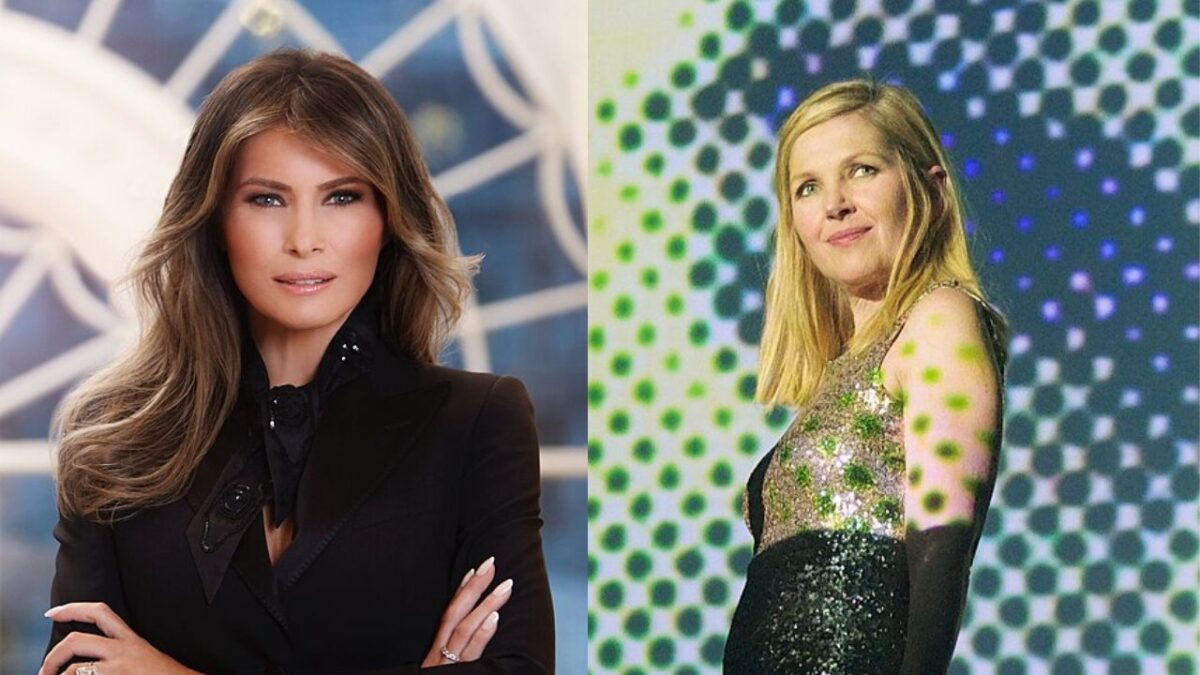
Cracknell’s comment landed because it sounded less like a polished celebrity critique and more like the kind of blunt reaction someone gives after sitting through something they instantly regret.
She did not frame the documentary as merely dull or forgettable. She described it as something she could not bear, using language that made her dislike feel physical rather than casual.
That kind of reaction cuts through because celebrity documentaries often invite two types of viewers. Some come as fans, hoping for intimacy and access. Others come as skeptics, expecting spectacle, awkwardness, or accidental comedy.
Cracknell appeared to fall into the second camp. She tuned in expecting something amusing, but what she found seemed to irritate her more than entertain her.
The Film Already Had a Rough Reputation
Cracknell’s criticism did not arrive in a vacuum. Melania had already become one of the most heavily criticized celebrity documentaries of the year.
The film was directed by Brett Ratner and focused on Melania Trump in the lead-up to Donald Trump’s return to the White House. It was marketed as a rare look at a famously private first lady, a woman whose image has always been discussed more than her inner life has been understood.
That promise created real curiosity. Viewers wanted to know whether the film would reveal something new, personal, surprising, or emotionally honest.
Many critics felt it did not. Instead of a revealing portrait, the film was widely described as overly controlled, glossy, shallow, and too careful to challenge its subject.
The Problem Was Not Just Politics
A film about Melania Trump was always going to divide people politically. Supporters were likely to see elegance and resilience. Critics were likely to see branding, power, and image management.
But the harshest reviews did not only attack the film because of politics. Many focused on its lack of dramatic tension, depth, and discovery.
A documentary usually works best when it reveals something the public did not already know. It can show vulnerability, contradiction, history, conflict, humor, regret, ambition, or private pressure.
The main complaint against Melania was that she seemed to avoid the mess. It presented the image but not the interior. It offered access without real exposure. It placed the camera close to a famous subject but kept viewers at a distance.
That gap may explain why Cracknell’s reaction was so strong. She expected either comedy or revelation and seemed to feel she got neither.
The Money Made the Backlash Louder
The documentary also carried a financial story that made the criticism harder to ignore.
Amazon’s reported multimillion-dollar deal for the project drew major attention long before many people saw the film. Once the documentary arrived, the conversation was not only about whether it was good. It was about why so much money had been attached to a film that many critics found so empty.
That is a dangerous combination for any movie. A small, awkward documentary can disappear quietly. A very expensive, heavily promoted, politically sensitive documentary becomes a target.
The more spending, the higher the expectation. Viewers and critics naturally ask what all that money bought. In this case, many of them felt the answer was not much.
Cracknell’s comment fed into that larger frustration. Her reaction sounded like that of another viewer asking how such a high-profile project could feel so unrewarding.
Why Her Comment Went Viral
Cracknell is not a loud political influencer or a celebrity constantly chasing outrage. That is part of why the comment had power.
She was answering a cultural question, not giving a campaign speech. Her response felt casual, personal, and unfiltered. That made it more memorable than a standard review.
The line also works because it is simple. She thought the film might be funny. She watched it. She could not bear it. It made her feel sick.
That is a complete story in four emotional beats.
In the age of streaming overload, that kind of reaction travels fast. People do not need to watch the whole documentary to understand the mood. One sharp celebrity reaction can become the headline.
Melania Remains a Difficult Documentary Subject
Part of the challenge is that Melania Trump has long been one of the most enigmatic figures in American public life.
She is instantly recognizable but often hard to read. She has been photographed endlessly, analyzed constantly, and interpreted from every possible political angle. Yet she has rarely seemed interested in giving the public the emotional access it wants.
That creates a documentary problem. A private subject can make a fascinating film if the silence becomes part of the story. But if the film protects the silence too much, the result can feel staged.
Viewers may leave knowing what Melania wore, where she stood, how she moved, and how she was framed. But if they do not feel they learned what she thinks, fears, regrets, wants, or resents, the documentary can feel more like a luxury campaign than a portrait.
That appears to be where many critics landed.
Cracknell’s Reaction Says Something About Viewer Fatigue
The reaction to Melania also reveals a broader fatigue with celebrity image projects.
Audiences are increasingly familiar with documentaries that look intimate but feel controlled. The camera is allowed inside the room, but only the approved version of the person gets shown.
That can frustrate viewers who want honesty. A polished celebrity documentary may have beautiful lighting, elegant music, dramatic pauses, and expensive production values. But without real tension, it can feel lifeless.
Cracknell’s disgust may have been aimed at one film, but it taps into a bigger complaint. People are tired of being sold access that does not actually reveal anything.
They do not just want proximity to fame. They want meaning.
The Film May Still Attract Curious Viewers
Oddly, harsh reactions like Cracknell’s may make more people watch the documentary, not fewer.
When a film becomes infamous, curiosity takes over. Viewers may press play just to see whether it is really that bad, whether critics were too harsh, or whether the outrage is exaggerated.
That is especially true with a figure like Melania Trump. Her supporters may watch to defend her. Her critics may watch the film to dissect it. Neutral viewers may watch because controversy has turned the documentary into a cultural event.
In that sense, Cracknell’s comment may hurt the film’s reputation while also feeding its visibility.
That is the strange economy of modern entertainment. Sometimes the worst reaction is still free promotion.
Final Thoughts
Sarah Cracknell did not write a long review of Melania. She did not need to. Her reaction was short, sharp, and memorable enough to become the story.
She expected the documentary to be funny. Instead, she said she could not bear it and felt sick watching it.
For a film already battered by critics, poor scores, and questions about its massive price tag, the comment adds another blow. It also captures the central problem many viewers seemed to have with the project.
A documentary about Melania Trump promised rare access to one of the world’s most-watched women. For Cracknell and many critics, it apparently delivered something far less satisfying: a glossy experience that left them wondering why they watched at all.