E. Coli Outbreak Linked to Carrots: What New Jersey Shoppers Needed to Know
Carrots usually have a reputation for being one of the easiest foods to feel good about buying. But in November 2024, a national food-safety investigation turned an everyday vegetable into the subject of an urgent warning after illnesses were linked to recalled organic carrots, including cases reported in New Jersey.
The story centered on Grimmway Farms, a California grower and supplier whose carrots were sold under numerous familiar brand names. While the outbreak has since been declared over, the episode reminds us that food recalls can involve products already sitting in people’s refrigerators, not just items still lining supermarket shelves.
The Carrot Recall Was Bigger Than One Brand
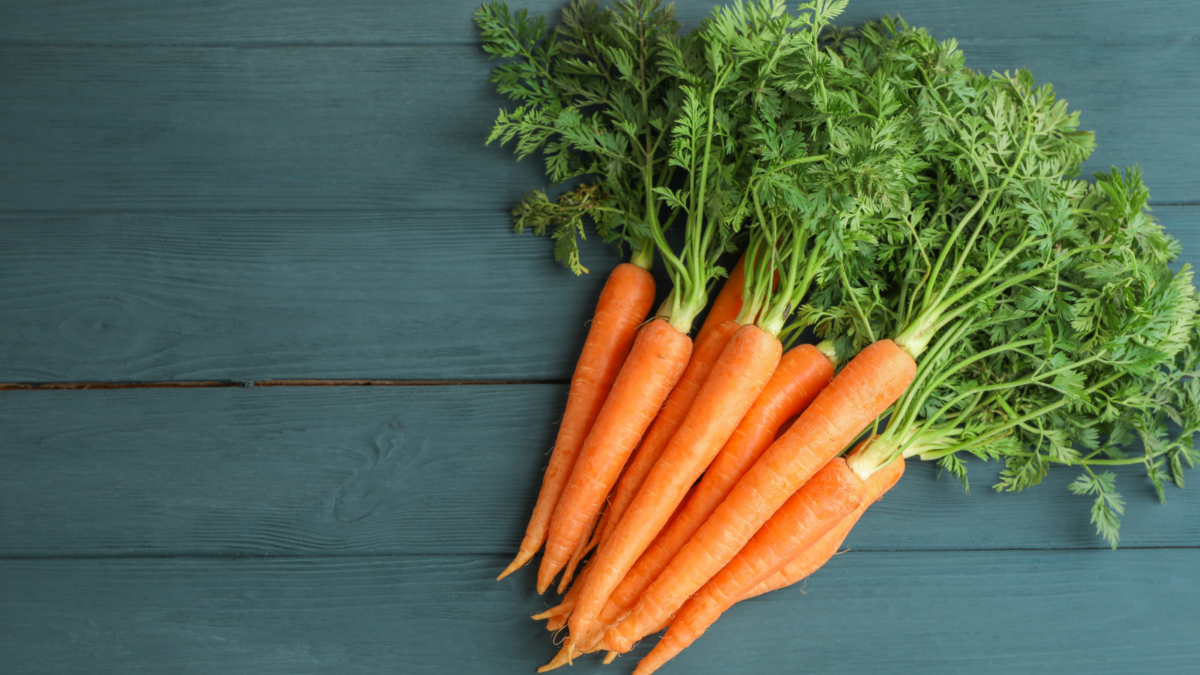
The surprising part was how many different names could lead back to the same supplier.
According to the New Jersey report on the carrot-linked E. coli outbreak, public health officials reported illnesses in the state as part of a much larger multistate investigation. Grimmway Farms recalled multiple sizes of organic whole and baby carrots after investigators linked the products to an outbreak of Shiga toxin-producing E. coli O121:H19.
The affected carrots were not necessarily sold in packages carrying the Grimmway Farms name. Recalled products appeared under brands including 365, Bunny Luv, Cal-Organic, Good & Gather, Nature’s Promise, O Organics, Simple Truth, Trader Joe’s, Wegmans and others. That made checking the actual product information particularly important for shoppers.
What Happened in New Jersey?
New Jersey was one of the states included in the nationwide outbreak investigation.
Early in the investigation, two illnesses in New Jersey were reported among the cases identified across the country. At that point, the CDC was investigating 39 illnesses in 18 states, with 15 hospitalizations and one reported death.
By the investigation’s final update in December 2024, the numbers had increased. The CDC’s final outbreak investigation reported 48 illnesses across 19 states, 20 hospitalizations and one death. One person also developed hemolytic uremic syndrome, a serious complication that can affect the kidneys.
Investigators didn’t simply look at what people remembered eating. They used interviews, laboratory testing, and traceback information to identify a common connection. Of 37 people interviewed during the final investigation, 33 reported eating carrots, a significantly higher percentage than expected from comparison data.
Which Carrots Were Involved?
The recall covered both organic whole carrots and organic baby carrots, but the dates and package sizes varied.
The recalled organic whole carrots had been available at retail stores from August 14 through October 23, 2024, and generally did not carry a best-if-used-by date on the bag. The organic baby carrots had best-if-used-by dates ranging from September 11 through November 12, 2024.
The FDA’s recall information lists the affected brands and package sizes in detail. The products were distributed widely, which explains why the same outbreak appeared in states far from the California supplier.
Importantly, the FDA and CDC later determined that the outbreak was over and the recalled carrots were past their shelf life. That means this isn’t a warning that shoppers should avoid carrots in general; it concerns the specific products recalled in that 2024 investigation.
What Does E. Coli Actually Feel Like?
Symptoms can begin several days after exposure, which can make the original meal surprisingly hard to remember.
Shiga toxin-producing E. coli infections commonly cause severe stomach cramps, diarrhea that may become bloody, and vomiting. The CDC says symptoms generally begin three to four days after swallowing the bacteria, although timing can vary.
Most people recover without specific treatment, but some infections can become serious. HUS is one of the complications doctors watch for, particularly because it can lead to kidney failure. If you’re concerned about possible foodborne illness, seek medical advice rather than trying to diagnose the infection at home.
The Bigger Lesson Is About Food Recalls
A food-safety alert isn’t necessarily about something sitting on today’s supermarket shelf—it can be about something already tucked inside your refrigerator.
The carrot investigation shows why checking recall notices matters even when a food looks perfectly fresh. Contamination cannot necessarily be detected by appearance, smell, or taste, so consumers should rely on official recall information rather than trying to judge a questionable product themselves.
It also reminds us that ordinary foods deserve ordinary food-safety habits. Washing hands, cleaning cutting boards, and keeping ready-to-eat foods separate from raw foods are simple kitchen habits that help reduce foodborne illness risks.
Carrots remain a versatile vegetable, whether roasted, shredded into salads, blended into soup, or added to familiar foods that make everyday meals more interesting. The important distinction is between a nutritious everyday food and a specifically recalled product.
The 2024 outbreak is now closed, but its lesson remains useful: when a recall makes the news, the most important question isn’t whether the food looks safe. It is whether the package actually matches the recalled product.
When you hear about a food recall, do you immediately check your refrigerator, or do you usually wait until you see your specific brand mentioned?