Buffet Era Under Pressure as Golden Corral Franchisee Files Bankruptcy
For decades, the American buffet was a simple promise that rarely needed explanation: pay once, eat as much as you want, and leave satisfied. It became a symbol of value dining across small towns and suburbs, where families could gather around endless trays of fried chicken, mashed potatoes, pasta, and dessert without worrying about the final bill.
But that model, once steady and predictable, is now under visible strain. In Texas, a Golden Corral franchisee has filed for bankruptcy protection, adding another signal that the buffet era is facing a slow, structural shift rather than a sudden collapse.
A Local Filing That Reflects a National Pattern

The bankruptcy involves a Conroe-based Golden Corral operator that has now entered Chapter 11 protection for the second time. The restaurant itself remains open, continuing daily service while the business attempts to reorganize its finances under court supervision.
On the surface, it is a single franchise working through debt challenges. But in practice, it reflects a broader reality playing out across casual dining: the traditional buffet model is becoming harder to sustain at the store level, even when the brand behind it remains well known.
Golden Corral still operates hundreds of locations across the United States, maintaining its position as one of the largest buffet chains in the country. Yet performance is no longer uniform. Some restaurants remain steady, while others struggle to balance rising costs with shifting customer demand.
The Economics Behind the Buffet Are Changing
The buffet model depends on precision disguised as abundance. Every tray of food, every refill, and every customer plate must be balanced against cost, waste, and predictable traffic. For years, that balance worked because food prices, labor costs, and customer expectations stayed relatively stable. That stability is gone.
Food inflation has raised the cost of every ingredient on the buffet line. Labor shortages have made staffing more expensive and less predictable. At the same time, customers have become more selective in how and where they spend on dining out.
The result is a difficult equation: the more expensive it becomes to operate a buffet, the harder it is to maintain the low, fixed pricing that defines the experience.
For franchise operators, those pressures land directly on their balance sheets. Unlike corporate-owned locations, franchisees absorb local cost changes more immediately, which makes them more vulnerable when margins tighten.
When “All You Can Eat” Meets Modern Eating Habits
The buffet was designed for a different kind of customer behavior. It thrived in an era when dining out was about volume, variety, and shared family meals. Customers were willing to spend time moving between trays, trying multiple dishes, and treating the meal as an experience rather than a transaction.
Today’s dining habits look different. Speed has become a priority. Convenience matters more than ever. Digital ordering, drive-thru efficiency, and delivery platforms have changed expectations around how food should be accessed. Even when people dine out, many prefer made-to-order meals that feel fresher, more controlled, and more personalized.
Buffets, by contrast, require a level of trust in preparation timing and food rotation that younger consumers may not value in the same way older generations once did.
That shift does not eliminate buffets, but it changes their audience and frequency of use.
A Brand That Still Exists, but Feels Different at Store Level
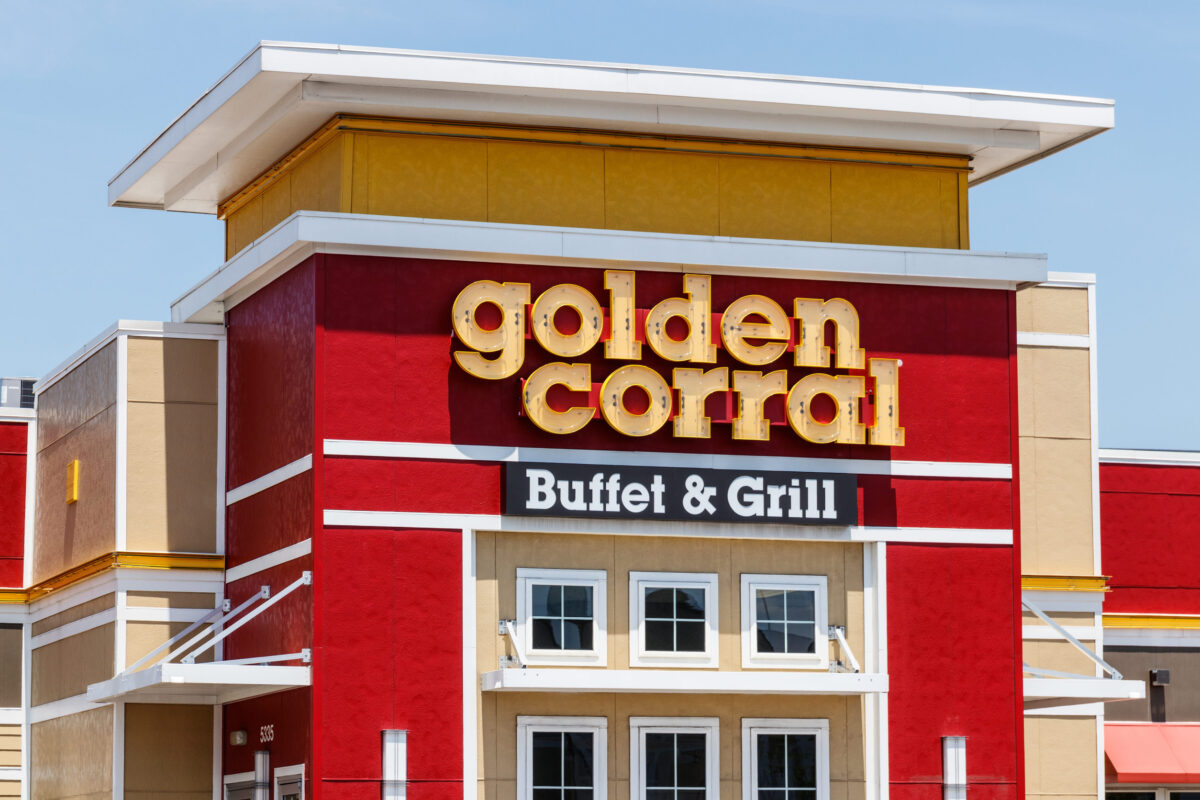
Golden Corral remains one of the most recognizable names in American buffet dining. For many families, it still represents an affordable way to feed multiple people under one roof.
However, the experience is no longer consistent across locations. Some restaurants maintain strong traffic and community loyalty. Others operate under tighter margins, fluctuating demand, and periodic financial restructuring.
That uneven performance is where franchise risk becomes visible. Corporate branding can remain strong while individual locations struggle to match the economics required to stay stable long-term.
The Conroe bankruptcy is one example of that gap between brand strength and local financial reality.
Bankruptcy as a Business Adjustment, Not a Shutdown
Chapter 11 bankruptcy does not mean the restaurant is closing. Instead, it is a legal process that allows a business to continue operating while it reorganizes debt and restructures obligations.
In this case, the goal is continuity. The restaurant remains open, serving customers while the operator attempts to stabilize finances and work through outstanding liabilities.
That distinction matters because it highlights how fragile, yet persistent, the buffet model still is. Even under financial pressure, these restaurants often try to keep doors open because customer demand has not disappeared; it has simply become more difficult to serve profitably.
The Quiet Pressure on Franchise Operators
Franchise owners sit at the most exposed point in the system. They are responsible for rent, staffing, utilities, food costs, and local market performance, all while operating under a national brand structure. When conditions tighten, they feel the pressure first.
A single location does not have the flexibility of a corporate portfolio. If sales dip or costs rise unexpectedly, there is limited room to absorb the shock. That is why bankruptcy filings often appear at the franchise level before they appear at the brand level.
The Conroe filing reflects that reality clearly: a local operator trying to reset its financial footing in a system where margins are increasingly difficult to protect.
A Broader Shift in Casual Dining Expectations

Beyond buffets, the entire casual dining landscape has been reshaped by new expectations. Consumers now compare full-service restaurants not only with each other, but with fast-casual chains, delivery apps, and even grocery-prepared meals.
The definition of value has changed. It is no longer just about quantity or price; it is about convenience, speed, freshness, and perceived quality.
Buffets, built around volume and repetition, now compete in a market that increasingly rewards customization and efficiency. That shift does not erase demand for buffet dining, but it does narrow its dominant position in the market.
A Slow Transition, Not a Sudden End
The Golden Corral franchise bankruptcy is not a signal that buffet dining is disappearing. The chain continues to operate widely, and many locations remain profitable or stable.
What it does represent is a gradual transition in how the model survives. Some restaurants will adapt through restructuring, some will modernize operations, and others will exit the system entirely.