11 The Worst Pizza Toppings That Should Be Banned from Your Slice
When it comes to pizza, there’s no shortage of options for toppings. From classic pepperoni to bold veggie combinations, pizza can be as simple or as adventurous as you like.
However, some toppings cross the line from innovative to downright inedible. While pizza is undeniably versatile, there are certain ingredients that make you wonder how they ever found their way to a pizza pie in the first place. These are the worst pizza toppings that have no business being anywhere near your slice.
Pineapple
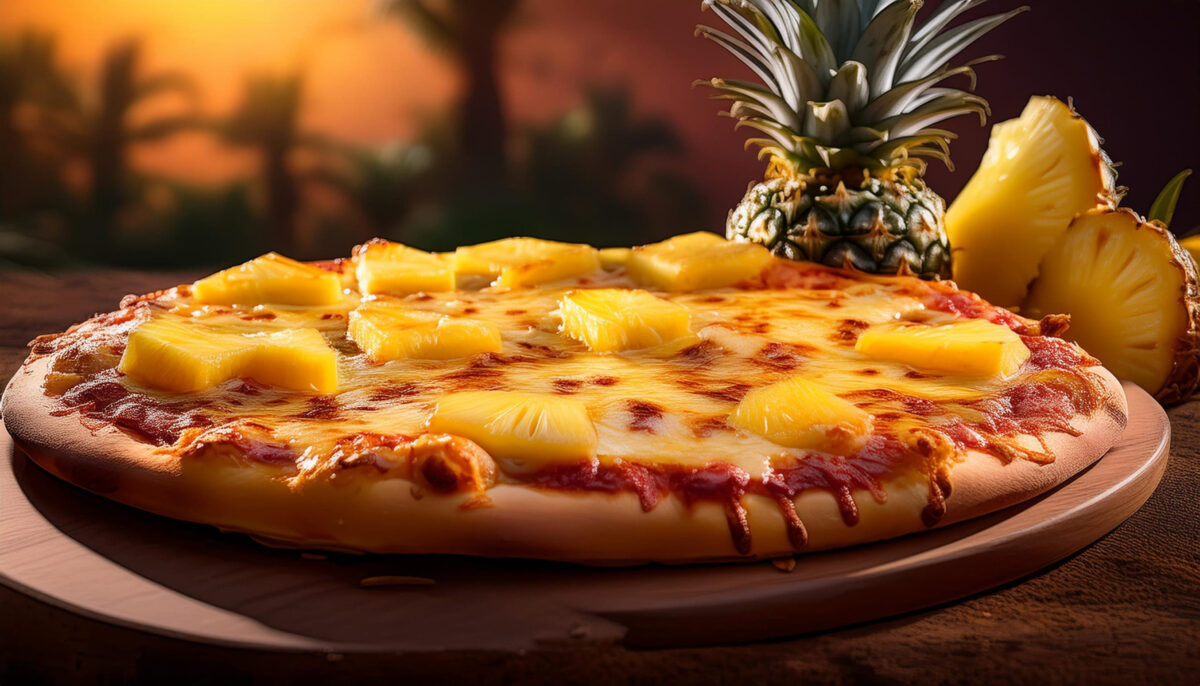
Let’s kick things off with the most divisive pizza topping of all: pineapple. The combination of sweet and savory has been the subject of debate for decades. Some swear by the pineapple, claiming it adds a refreshing sweetness that complements the salty ham. Others, however, believe pineapple belongs in a fruit salad, not on a pizza.
The issue lies in the fruit’s inherent moisture, which can make the crust soggy, especially when paired with watery toppings like tomatoes. While it’s loved by some, many argue that pineapple belongs on a beach snack, not a hot pizza.
Anchovies
Anchovies are another topping that often sparks strong reactions. Known for their intensely salty flavor, anchovies seem to divide pizza lovers into two groups: those who love them and those who would rather not have any part of them. Unfortunately, for many, the fishiness of anchovies can overpower the entire pizza.
These tiny fish can be so pungent that they often mask the flavors of other, more desirable toppings. If you’re not careful, anchovies can turn a delicious slice into an overwhelming, briny mess. Just because a topping has a reputation doesn’t mean it deserves a place on your pizza.
Olives
Olives are another topping that can either be a pizza’s best friend or its worst enemy. While they add a tangy, briny flavor to pizzas, they’re also an acquired taste. For some, olives can dominate the flavor profile, turning what could be a savory pizza into something that leaves you reaching for a glass of water. The olive’s texture doesn’t help either.
Its leathery skin and bitter aftertaste may not always mesh well with the cheese, especially if the olives are overly salty or soggy. Moreover, their tendency to scatter themselves unevenly across the pie means you could get a bite full of nothing but olive, ruining an otherwise balanced pizza.
Eggs
A trend that’s recently gained some traction is adding a cracked egg to pizza. While eggs are a breakfast favorite, they often fall short of the hype on pizza. The problem lies in the cooking process. Pizza is cooked at high temperatures, and eggs don’t always cooperate.
If you’re lucky, the egg will be runny, but if you’re unlucky, it can become rubbery and dry. The egg yolk also tends to leak everywhere, making the pizza soggy and giving it a less-than-appealing texture. While some argue that the egg adds richness and a creamy texture, others find it to be a greasy distraction that doesn’t belong.
Coconut
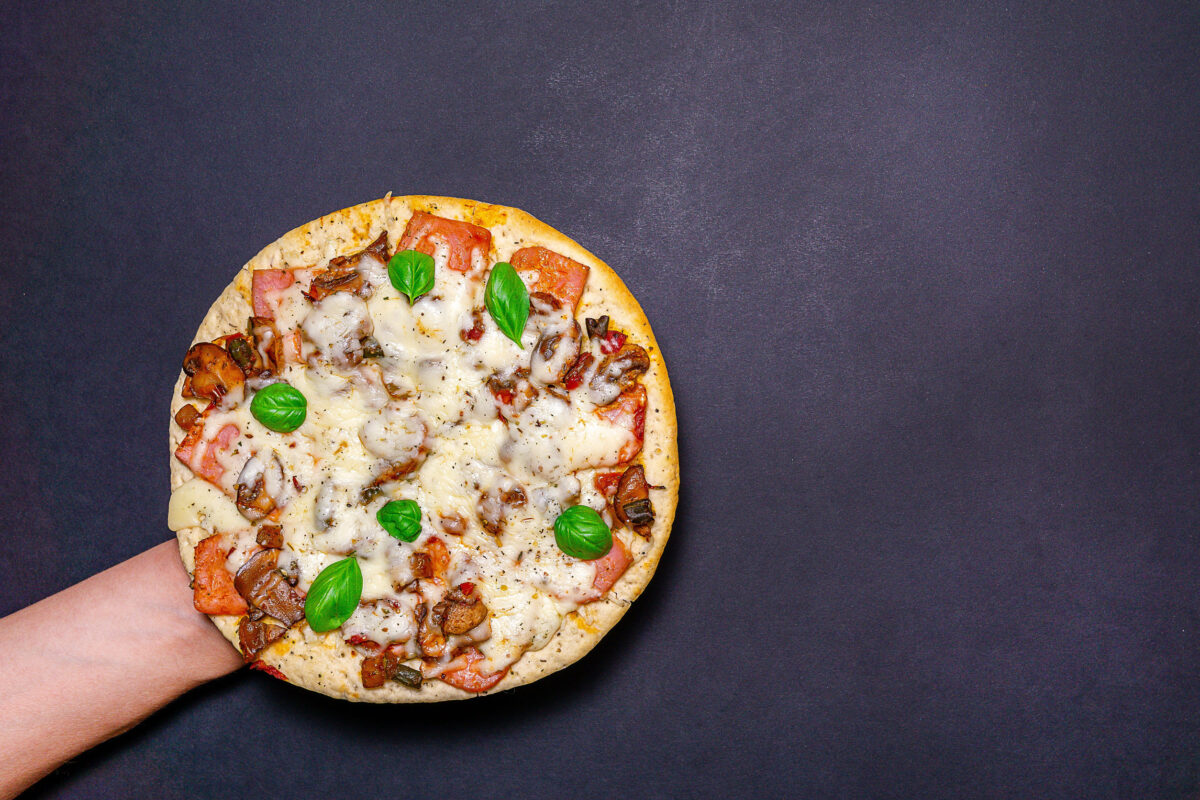
Coconut may be a tropical delight in many dishes, but it’s nothing short of a disaster on pizza. Its sweet and chewy texture doesn’t complement the savory flavors of cheese and sauce. More importantly, coconut can overwhelm the pizza with its overwhelming sweetness, turning what was once a balanced meal into an odd dessert hybrid.
Whether it’s shredded coconut or coconut milk, this topping completely disrupts the pizza’s integrity. What makes coconut even worse is that it tends to be inconsistent in flavor and texture, making it feel like a weird mistake on an otherwise delicious pie.
Carrots
When cooked well, carrots are sweet, crunchy, and nutritious. But on pizza? Not so much. The carrot’s natural crunch clashes with the soft, gooey cheese and crust, creating a strange and unwelcome contrast.
More than that, the carrot’s sweetness doesn’t harmonize with the rich tomato sauce or the savory cheese. When grated and scattered across a pizza, the carrot adds an awkward texture that distracts from the overall experience. It’s a topping that fails to enhance the dish, leaving you wondering why anyone thought this would be a good idea.
Beets
While beets are great in salads, juices, or as a side dish, they have no place on pizza. The earthy, slightly bitter flavor of beets doesn’t blend well with the more traditional pizza toppings. What’s more, their intense color can make your pizza look unappetizing, with a deep purple hue that stains everything it comes into contact with.
While beets can be a healthy addition to other meals, they’re a pizza topping that’s best avoided. The beets’ flavor is overpowering, and their moisture can quickly turn the pizza soggy. Just keep the beets in the salad bowl, not on the pizza.
Lettuce
Lettuce is another topping that feels out of place on pizza. Often found in the form of a salad pizza, lettuce offers no added flavor or substance. While it may seem like a light, refreshing addition, lettuce is mostly water, which doesn’t do anything to enhance the pizza.
Moreover, lettuce wilts quickly in the heat, turning limp and unappetizing. The cool, crisp texture of lettuce may have its place in a sandwich or wrap, but on pizza, it’s just an unwelcome crunch that detracts from the rest of the meal.
Ketchup
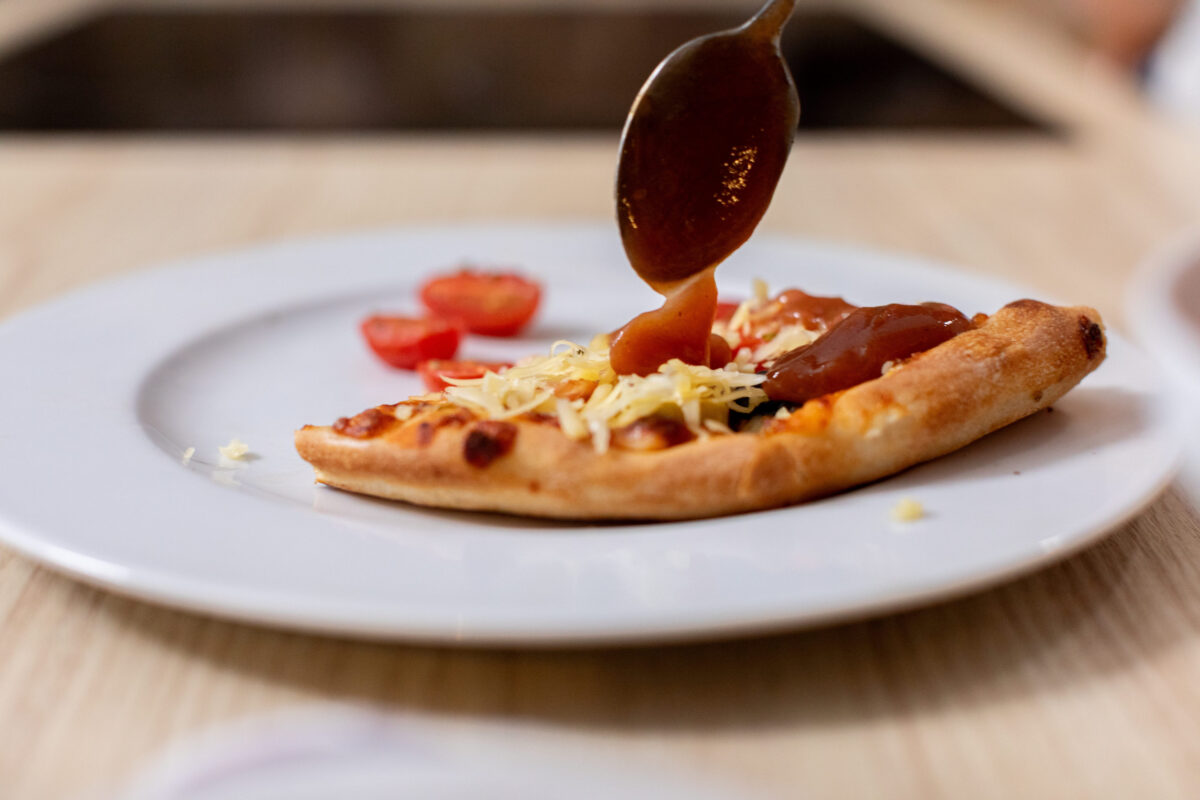
Using ketchup as a pizza topping may sound sacrilegious to some, but it’s a habit that some people swear by. While ketchup is delicious on fries or burgers, it doesn’t have the same appeal on pizza. The sweetness and tang of ketchup don’t pair well with the other pizza components, especially when competing with the acidity of the tomato sauce.
Additionally, ketchup is far thicker than pizza sauce, throwing off the balance of the pizza. If you really love ketchup, it’s better served as a side dip than as an ingredient on top of your pie.
Figs
Figs, often used in desserts, are another topping that should stay far away from pizza. While figs may have a natural sweetness, they bring a chewy, dense texture that is completely out of place. The sweetness of the fig clashes with the pizza’s savory elements, creating an awkward contrast.
Additionally, figs can be sticky, which makes them challenging to eat on a pizza without making a mess. The syrupy texture also tends to clash with the crust’s crispiness, leaving you with a soggy, unappealing slice. When it comes to pizza, figs should stick to the dessert menu where they truly shine.
Chocolate
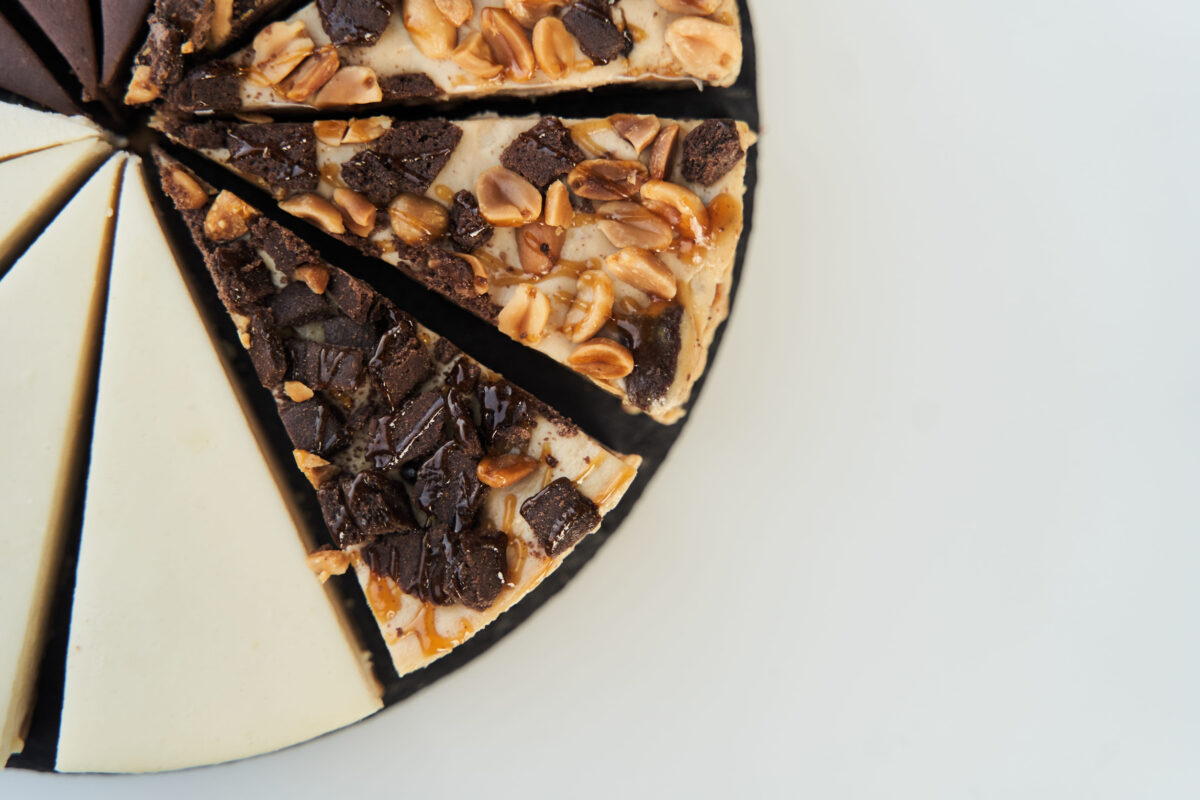
Chocolate is an indulgent treat that is typically reserved for desserts, so it’s surprising when people try to put it on pizza. Chocolate doesn’t belong on pizza. The combination of melted chocolate and pizza’s hot, savory elements creates a cloying, overly sweet mess.
If you’re craving something sweet, a piece of chocolate cake or a cookie would be far better choices than slathering chocolate onto a pizza crust. While some may enjoy the novelty of it, most will find chocolate on pizza to be a gastronomic mistake that no one needs to make.
Conclusion
Pizza is a beloved comfort food that should be celebrated, not sabotaged by outlandish toppings. While the possibilities for pizza are nearly endless, there are definitely a few toppings that just don’t belong.
Whether it’s the overly sweet combination of pineapple, the salty punch of anchovies, or the strange addition of beets, some toppings just don’t belong on your pizza slice. Next time you’re ordering pizza, stick to the classics. Let the cheese, sauce, and toppings that have stood the test of time continue to dominate your plate. After all, some combinations are best left behind.