
How American Eating Habits Are Changing: The New Era of Home Cooking
For many years, American food culture was often associated with convenience. Busy schedules, restaurant meals, takeout, and ready-to-eat products became common parts of daily life for many households. However, home cooking has continued to evolve, and many Americans are developing new relationships with preparing food at home.
The modern era of home cooking is not simply about returning to traditional meals. Instead, it reflects changing priorities, including greater interest in health, creativity, affordability, and personal control over ingredients. People are finding new ways to fit cooking into their lifestyles, combining traditional skills with modern tools.
The Return of the Home Kitchen

Home cooking has always been part of American life, but the way people approach it has changed over time. Today, many home cooks look beyond basic meal preparation and treat the kitchen as a place for creativity and learning.
Cooking at home lets people choose ingredients, prepare meals, and combine flavors. This sense of control has encouraged many people to spend more time experimenting with recipes, learning techniques, and adapting dishes to suit their preferences.
The rise of cooking videos, online recipes, and digital communities has also changed how people discover and share food ideas. A person who wants to learn how to prepare a new dish can find demonstrations, explanations, and inspiration from cooks around the world. This has made cooking knowledge more accessible than it was in the past.
A Greater Focus on Health and Ingredients
One major shift in home cooking is increased attention to ingredients. Many people are becoming more interested in understanding what goes into their meals and how food choices connect to their overall lifestyle.
This doesn’t mean every home cook follows the same approach. Some people focus on balanced meals, while others may want to use fresh ingredients, cut back on highly processed foods, or explore different eating patterns. The common theme is a desire for more awareness and involvement in food decisions.
Preparing meals at home can make it easier to adjust recipes to your needs. They can adjust portion sizes, swap ingredients, or create meals that match their tastes and dietary preferences.
Convenience Is Being Redefined
The growth of home cooking does not mean people have abandoned convenience. Instead, convenience itself is changing. Many Americans are looking for ways to make homemade meals easier and faster without completely relying on prepared foods.
Kitchen appliances, meal-planning methods, and food-preparation techniques have become important parts of modern cooking. Tools such as slow cookers, air fryers, and other countertop appliances are popular because they can simplify certain cooking tasks. However, these tools are not replacing cooking skills. People often use them to find practical ways to prepare meals at home.
Many home cooks are also adopting habits such as preparing ingredients in advance, cooking larger portions to use later, and planning meals for the week. These approaches can help reduce the pressure of deciding what to cook every day.
The Influence of Global Food Culture
Different cultures and traditions have always shaped American home cooking. Today, access to global food ideas continues to expand the variety of meals people prepare at home.
Home cooks can explore dishes from different regions, learn about new ingredients, and adapt international recipes using locally available foods. This exchange has broadened understanding of cooking and encouraged experimentation in everyday kitchens.
At the same time, many people are also reconnecting with family recipes and traditional dishes. Modern home cooking often combines older traditions with new influences, creating meals that reflect both personal history and current interests.
Cooking as a Skill and a Form of Connection
Another important part of the new era of home cooking is the way food brings people together. Preparing meals can be a shared activity among family members, friends, and communities.
Cooking skills are also being viewed as valuable knowledge. Learning basic techniques, such as preparing vegetables, understanding seasoning, or managing cooking times, can help people become more confident in the kitchen.
For some, cooking is a practical responsibility. For others, it is a creative activity or a way to relax. The meaning of home cooking varies from person to person, but the kitchen remains an important space for daily life.
The Role of Technology in Modern Cooking
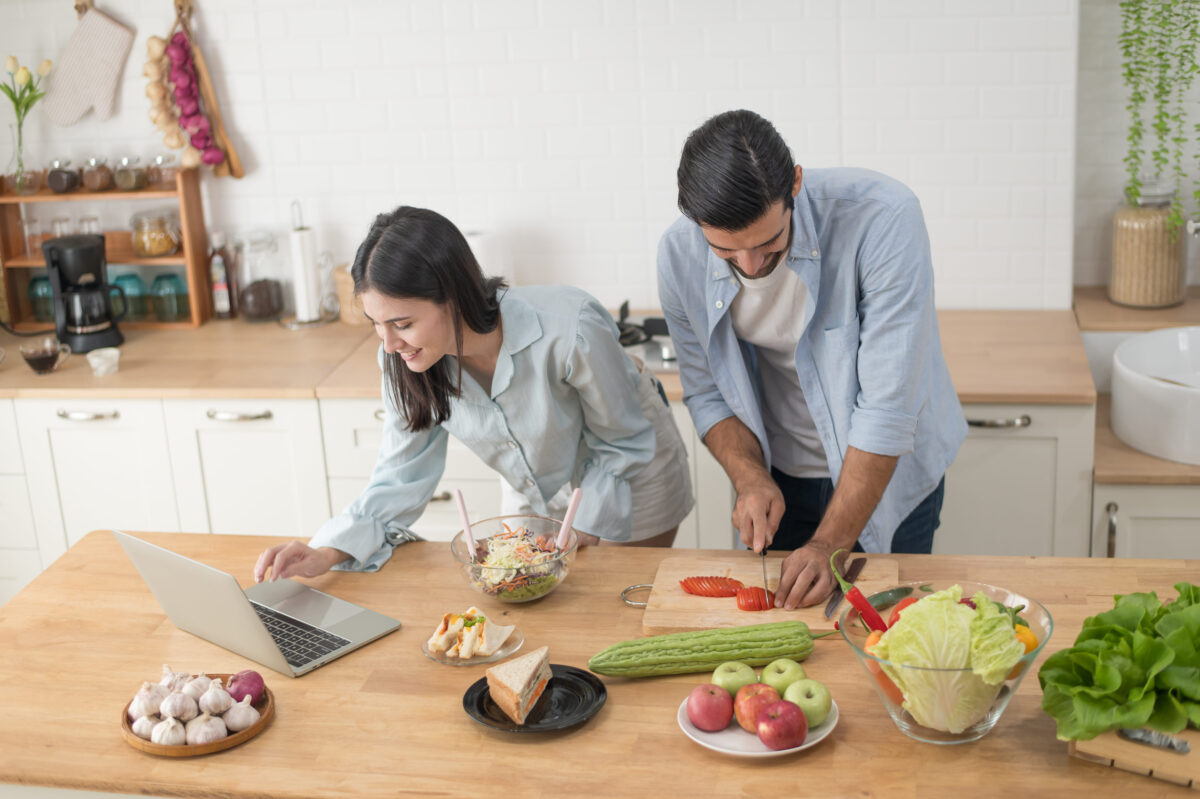
Technology has become a major part of how Americans approach food. Digital recipe platforms, cooking applications, and online communities have changed how people plan meals and learn new skills.
Technology also makes it easier to organize shopping lists, discover recipes based on available ingredients, and follow step-by-step instructions. These resources have lowered some of the barriers that can make cooking feel difficult for beginners.
However, the basic principles of good cooking remain the same. Understanding ingredients, practicing techniques, and paying attention to the cooking process are still central to creating satisfying meals.
A New Relationship With Food
Changing habits among American home cooks reflect a broader shift in how people think about food. Cooking is no longer viewed only as a daily task. For many people, it has become a way to express creativity, support personal goals, save money, and connect with others.
The new era of home cooking is not about everyone preparing elaborate meals from scratch every day. It is about finding realistic ways to make cooking part of modern life. Some people may cook frequently, while others may prepare only a few meals at home each week. Both approaches can support a more intentional relationship with food.
As lifestyles continue to change, home cooking will likely keep adapting. The tools, recipes, and influences may evolve, but the basic idea remains the same: preparing food at home gives people an opportunity to take an active role in what they eat and how they experience meals.


