Jasmine Crockett Sparks Debate After Saying “Only White Supremacists” Feel Safe in America
As America heads deeper into the 2026 political cycle, Rep. Jasmine Crockett’s warning that many Americans do not feel safe has become part of a larger fight over crime, extremism, and whether government institutions are protecting everyone equally.
Texas Democratic Rep. Jasmine Crockett found herself at the center of a national debate after declaring that she does not believe everyone in America feels protected.
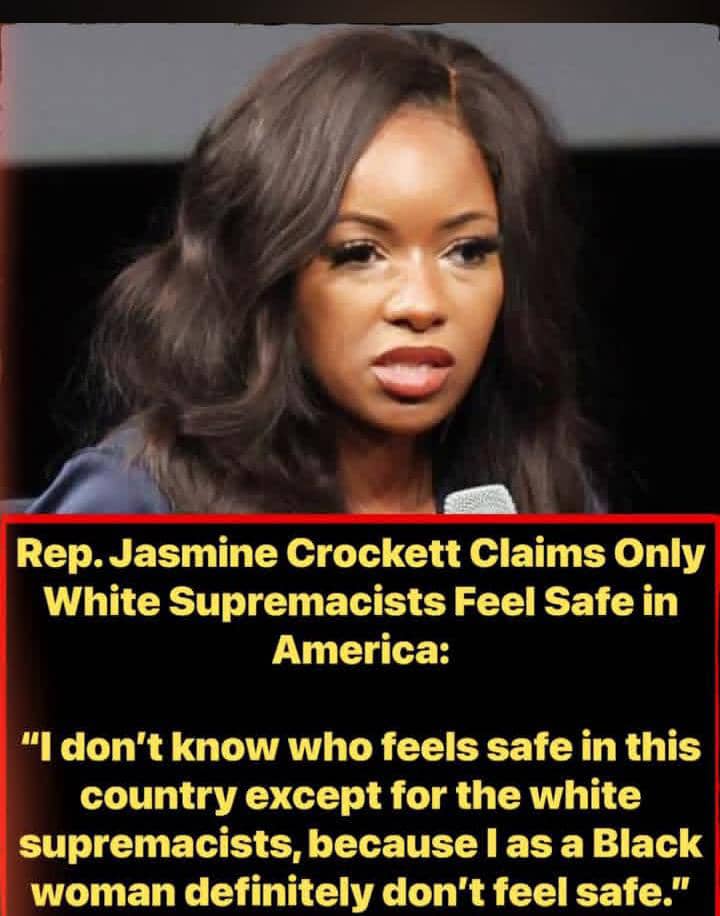
“I don’t know who feels safe in this country except for the white supremacists,” Crockett said during a heated exchange with FBI Director Kash Patel. “Because I specifically, as a Black woman, definitely don’t feel safe.”
The comment quickly became one of the most discussed political moments surrounding the 2026 election season. Supporters said Crockett was giving voice to concerns about racial threats, hate crimes, and communities that feel overlooked. Critics argued that her statement painted an unfair picture of America and ignored other major safety concerns facing millions of people.
As lawmakers prepare for another intense election year, the debate highlights a major question shaping 2026 politics: What does safety mean, and who gets to decide whether the country is becoming safer?
Crockett’s warning comes as safety remains a major 2026 election issue
Public safety has become one of the biggest issues likely to influence voters in 2026. Across the political spectrum, Americans continue to debate crime, policing, immigration enforcement, domestic extremism, and trust in federal institutions.
For Crockett, safety is closely connected to how government responds to threats against minority communities. During her questioning of FBI Director Kash Patel, she argued that federal agencies must take extremist threats seriously and ensure that all Americans feel protected.
Her remarks reflect a broader argument from many Democrats that threats linked to political violence and white supremacist movements deserve stronger attention.
Republicans, meanwhile, have pushed a different message heading into 2026, emphasizing concerns such as violent crime, border security, illegal immigration, and support for law enforcement.
The disagreement shows how the definition of “public safety” has become a political dividing line. While some voters focus on crime rates and neighborhood security, others point to discrimination, hate crimes, and targeted threats as part of the same conversation.
The clash with Kash Patel highlights a larger Washington fight
Crockett’s comments came during a tense congressional hearing involving FBI Director Kash Patel. The Texas congresswoman questioned Patel’s qualifications and criticized what she viewed as the FBI’s approach to handling domestic threats.
Crockett argued that the FBI must do more to address extremist dangers and questioned whether the agency was prioritizing the concerns of all Americans.
Patel defended his leadership and said the FBI remained committed to protecting the American people. The exchange became another example of the deep political divide in Washington over law enforcement priorities.
The confrontation also arrived as lawmakers began preparing for the 2026 midterm elections, when debates over crime, government priorities, and public safety are expected to remain part of the national conversation.
Democrats are likely to highlight issues involving civil rights, hate crimes, and threats from extremist groups. Republicans are expected to focus heavily on crime prevention, border enforcement, and support for police departments.
Crockett’s remarks became a symbol of that larger battle, with each side using the moment to reinforce its broader message to voters.
Supporters and critics battle over what “feeling safe” really means

Crockett’s supporters argue that her statement was about personal experience and the reality that some Americans do not feel equally protected.
They say discussions about safety cannot focus only on crime statistics. They argue that trust in institutions, experiences with discrimination, and concerns about targeted violence also influence whether people feel secure.
Critics, however, say the phrase “only white supremacists feel safe” went too far. They argue that many Americans, regardless of race or political beliefs, are concerned about safety and that broad statements can increase division rather than solve problems.
The controversy reflects a larger challenge facing politicians in 2026: addressing real fears without creating more distrust between communities.
As campaigns begin taking shape, candidates will likely continue debating whether America’s biggest safety challenges come from crime, extremism, government failures, or a combination of all three.
Crockett’s comments may have sparked criticism, but they also touched on a conversation that is unlikely to disappear before voters head to the polls.
In 2026, the debate over safety is not just about statistics. It is about confidence, trust, and whether Americans believe their leaders understand the dangers they face.