Cracker Barrel CEO Steps Down After Logo Backlash Reveals the Risk of Changing a Beloved American Brand.
Cracker Barrel’s attempt to reinvent itself ended in a major leadership shake-up after CEO Julie Masino announced she would step down following a controversial rebranding effort that sparked intense customer backlash and reignited debate about tradition, identity, and the future of one of America’s most recognizable restaurant chains.
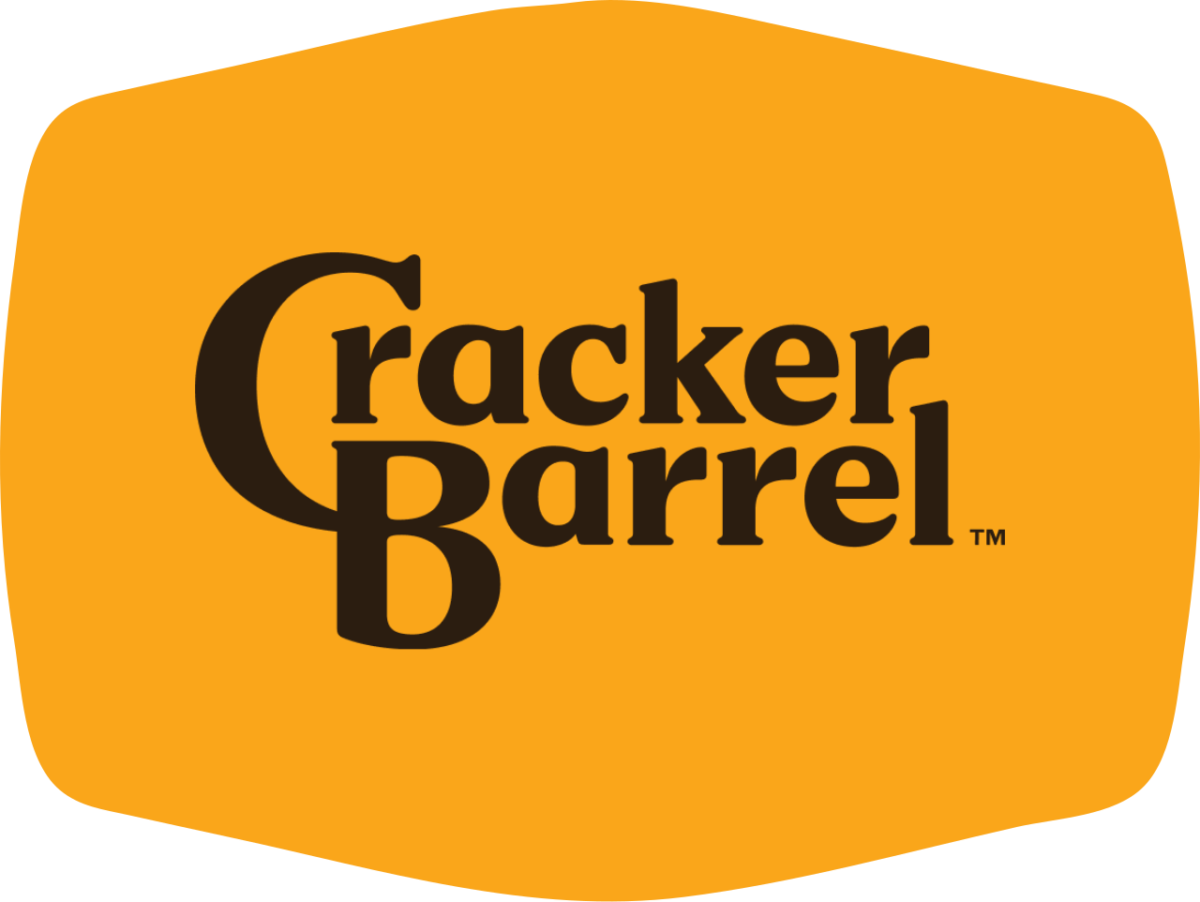
The controversy began when Cracker Barrel introduced changes designed to modernize its image, including a redesigned logo that removed the company’s longtime “Uncle Herschel” figure. What executives saw as a step toward a fresher, more modern brand identity quickly became a major source of frustration among loyal customers, who felt the company was abandoning the personality that made it famous.
The reaction was swift and emotional. Customers who had spent decades associating Cracker Barrel with nostalgia, family road trips, country-style meals, and old-fashioned hospitality argued that the changes went far beyond a simple logo update. To them, the brand represented memories and traditions that could not easily be replaced with a more corporate image.
Now, as Cracker Barrel prepares for a new chapter under incoming CEO David Deno, the company faces one of the biggest challenges in its history: finding a way to modernize without losing the loyal customers who built the brand.
A Modernization Plan Collided With a Powerful Customer Connection

Cracker Barrel’s leadership believed the company needed to evolve.
Like many established restaurant brands, the chain has faced changing consumer habits, rising costs, and increasing competition from newer concepts competing for younger customers. Executives believed that updating the brand experience could help attract a wider audience while keeping the company competitive in a difficult restaurant environment.
Under Masino’s leadership, Cracker Barrel pursued a broad modernization strategy. The effort included changes to restaurant interiors, menu updates, and a redesigned visual identity, all intended to create a more contemporary feel.
But the reaction revealed a challenge many historic brands face: customers do not always see a company’s identity the same way executives do.
For corporate leaders, a logo may represent marketing strategy, customer growth, and future expansion. For longtime customers, that same logo can represent decades of memories and emotional connections.
The removal of the familiar character associated with Cracker Barrel’s traditional branding became the symbol of that conflict.
Many customers viewed the change as a sign that the company was moving away from what made it unique. The criticism grew across social media, where frustrated customers argued that the restaurant was sacrificing its history to chase trends.
The backlash eventually pushed the company to reverse the logo decision and restore the previous design.
The Logo Fight Became Bigger Than a Logo
What happened at Cracker Barrel shows how powerful brand loyalty can be.
For decades, Cracker Barrel built its reputation around a very specific experience. The restaurant was not simply selling food. It was selling a feeling.
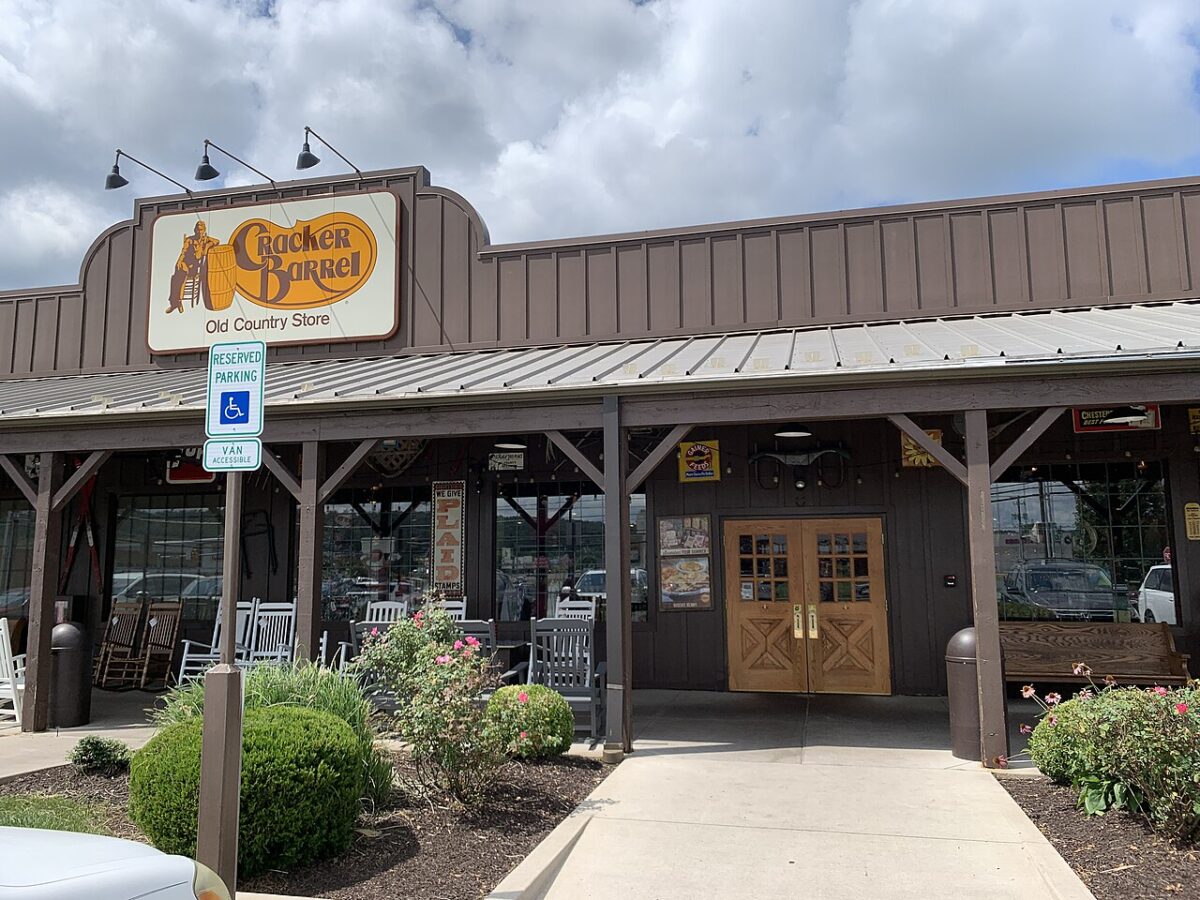
Customers came for country-style meals, rocking chairs outside the store, antique decorations, and a sense of familiarity that made each location feel connected to the past.
That emotional connection became the company’s greatest strength, but it also became its biggest challenge.
When the brand attempted to change, many customers did not view it as a simple redesign. They saw it as a change to the entire identity of the restaurant.
The controversy also became part of a larger national discussion about companies changing their images to appeal to new audiences.
Some critics argued that Cracker Barrel was moving too far away from its traditional customer base. Others argued that companies must evolve if they want to survive in a changing marketplace.
The debate showed the difficult balance facing legacy brands: attract new customers while protecting the loyalty of existing ones.
Leadership Change Marks a New Direction for the Company
Masino’s departure follows a difficult period for Cracker Barrel, as the company faced pressure from customers, investors, and the broader restaurant industry.
Masino joined Cracker Barrel in 2023 after leadership roles connected to major restaurant brands, including Taco Bell and Starbucks. She was tasked with helping the company regain momentum and adapt to changing consumer expectations.
However, the rebranding controversy became the defining moment of her tenure.
Although the company reversed the logo change, the incident highlighted deeper questions about Cracker Barrel’s future direction. Investors and analysts continued examining whether the brand could successfully balance modernization with tradition.
David Deno, the executive chosen to replace Masino, enters the role with a major responsibility: rebuilding trust while improving the company’s business performance. Deno previously served as CEO of Bloomin’ Brands, the parent company behind restaurant chains including Outback Steakhouse.
His arrival signals a possible shift toward protecting Cracker Barrel’s core identity while making carefully measured improvements.
Cracker Barrel’s Challenge Reflects a Bigger Problem for American Brands
The controversy surrounding Cracker Barrel is not just about one restaurant chain. It reflects a larger challenge facing companies across America.
Many businesses with decades of history are trying to answer the same question: How do you change without losing what made people love you in the first place?
Modern consumers expect companies to improve technology, update experiences, and remain competitive. Loyal customers, however, often expect consistency and familiarity.
The tension between those two demands has caused problems for several major brands that attempted dramatic transformations.
A company’s history can become one of its most valuable assets, especially when customers associate it with personal memories.
For Cracker Barrel, that history is deeply connected to family traditions and a recognizable atmosphere that has remained largely consistent for generations.
The company’s experience serves as a reminder that successful branding is not only about appearance. It is about trust.
When customers believe a company understands what they value, they often remain loyal. When they feel disconnected from changes, even a small adjustment can create a major reaction.
The Road Ahead for Cracker Barrel
As Cracker Barrel moves forward, the company faces a defining moment.
The challenge is not whether the restaurant can change. Every successful business must adapt over time.
The real question is whether Cracker Barrel can modernize while preserving the elements that made customers return year after year.
The next CEO will need to carefully balance financial goals, customer expectations, and the emotional connection that has shaped the brand for more than five decades.
The logo controversy may have started as a design decision, but it revealed a larger lesson: companies and customers often see change very differently.
Cracker Barrel learned that tradition is not simply decoration. For many customers, tradition is the product, and that is what any change must respect.
The company’s future will depend on whether it can respect that connection while creating a path forward in a changing restaurant industry.
For now, the leadership change represents a new beginning. But the lesson from the logo battle remains clear: when a brand becomes part of people’s memories, changing it requires more than a new look. It requires understanding the people who built it, because that is the central challenge Cracker Barrel now faces.