7 Silent Blood Clot Symptoms We Should Never Brush Off
Blood clots do not always arrive like a movie emergency. Sometimes they creep in as a strange calf ache, a swollen ankle, a warm patch of skin, or breathlessness that feels easy to blame on stress.
That quiet start is exactly what makes them dangerous. Venous thromboembolism, or VTE, includes deep vein thrombosis and pulmonary embolism, and the CDC estimates that up to 900,000 people in the United States are affected each year.
The same CDC data estimates that 60,000 to 100,000 Americans die from VTE every year, which puts these symptoms in a category we should never treat casually.
A blood clot in a deep vein often starts in the leg or pelvis, though it can also form in the arm, especially after certain medical procedures or the placement of a central line. The danger arises when a portion of that clot breaks loose and travels to the lungs, causing a pulmonary embolism.
The American Heart Association describes DVT and PE as potentially serious, life-threatening conditions that need medical attention right away.
One-sided leg swelling that feels oddly specific
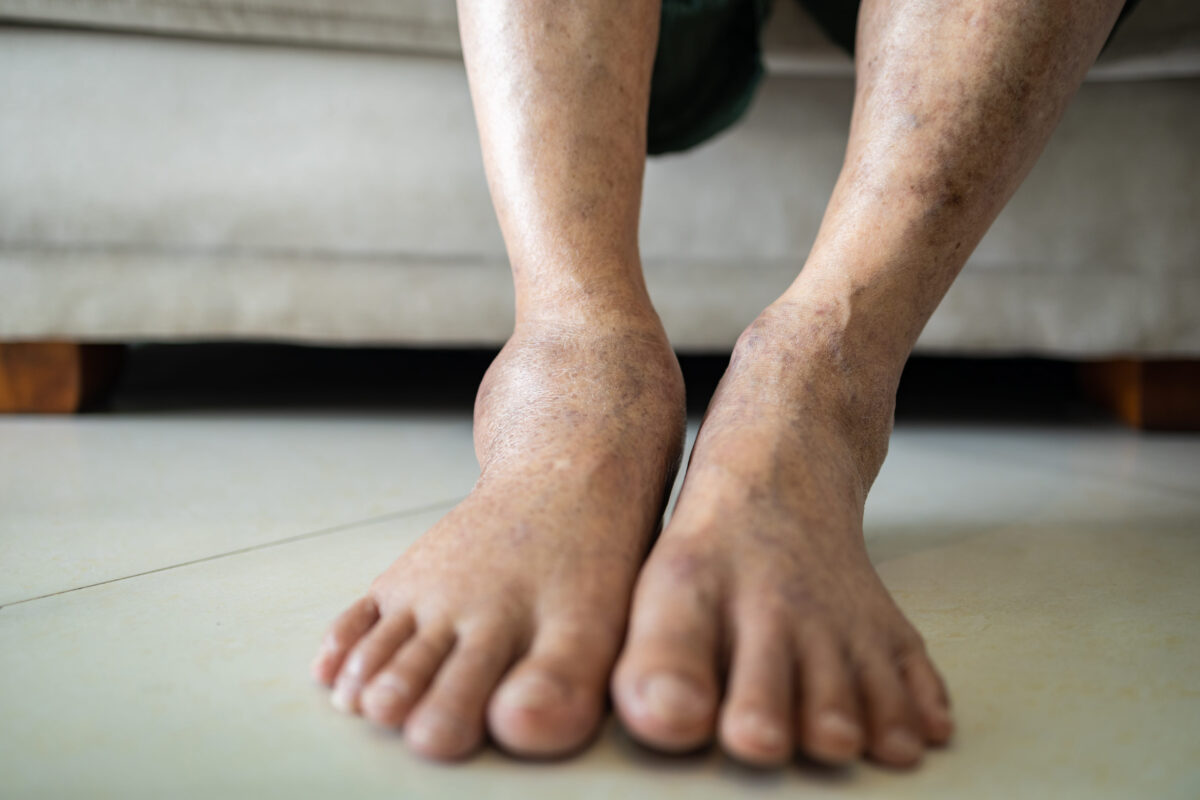
One swollen leg can be one of the clearest silent blood clot symptoms, especially when the swelling does not match anything obvious.
A mild ankle puff after a long day may not seem dramatic, but deep vein thrombosis often affects one side because the clot blocks normal blood flow in one vein.
The CDC lists swelling, pain or tenderness, warmth, and redness or discoloration as typical signs of DVT in an extremity.
The key detail is imbalance. If one calf, ankle, or thigh suddenly looks larger than the other, we should pay attention, especially after a long flight, surgery, hospitalization, injury, pregnancy, cancer treatment, or a long stretch of sitting.
Blood can pool when the body remains still for too long, and the CDC notes that travel can increase the risk of clots because sitting in a confined space slows blood flow in the legs.
Calf pain that feels like a cramp but refuses to behave
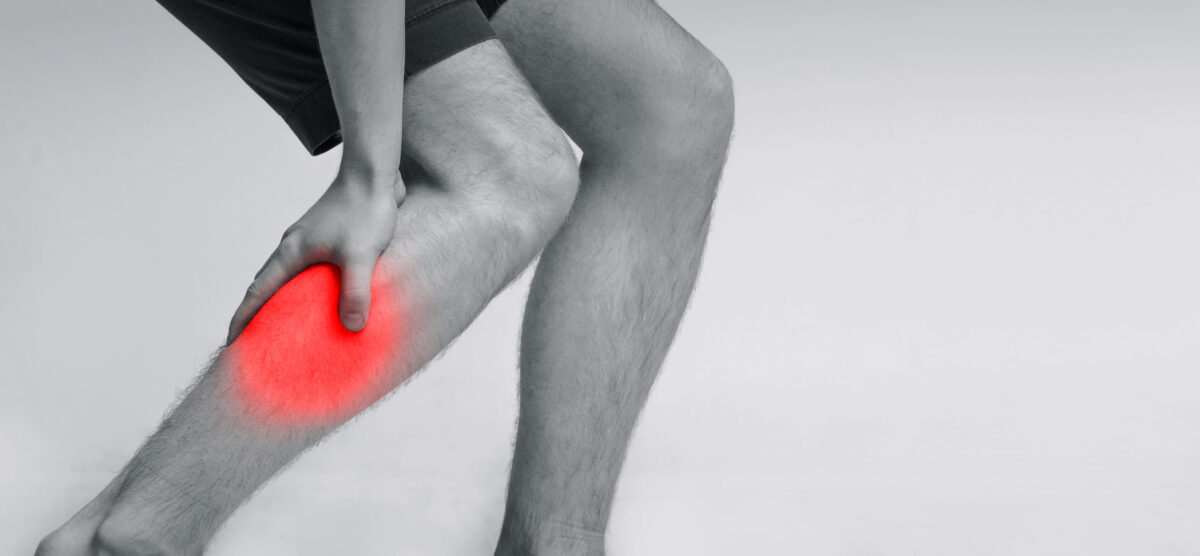
A blood clot can feel like a pulled muscle, a stubborn cramp, or a deep ache in the calf or thigh. That is why people often dismiss it. The pain may worsen when standing or walking, yet it may not follow the typical pattern of a sports injury.
It can feel dull, tight, heavy, or sore in a way that keeps coming back.
This symptom warrants extra caution when accompanied by swelling, warmth, tenderness, or changes in skin color. The pain alone may not prove a clot, but pain plus one-sided swelling or warmth should move the issue out of the “wait and see” category.
Warm skin over one patch of the leg or arm
A warm area on the skin may seem harmless, especially if there is no severe pain. Yet inflammation around a clot can make a patch of the leg or arm feel warmer than the surrounding skin.
The warmth may appear with tenderness, swelling, redness, or a tight feeling under the skin. It may also appear after an injury or a period of limited movement, making it easy to confuse with a minor strain.
The CDC names warmth in the affected area as one of the typical signs of DVT. We should be especially careful when warmth appears on only one side. A warm, swollen calf after a long trip or recovery period is not the same as general tired legs after a busy day.
Red, blue, pale, or strangely discolored skin

Skin color changes can be subtle. A clot may cause redness, but it can also leave the skin looking bluish, pale, or unusually shadowed. People with darker skin tones may notice a change in undertone, unusual shine, warmth, tightness, or a patch that looks different from the surrounding area.
Color change matters most when it appears together with swelling, pain, tenderness, or heat.
Sudden shortness of breath
Shortness of breath can signal a pulmonary embolism, especially when it appears suddenly or feels out of proportion to the activity. A person may feel winded while sitting, walking across a room, climbing a few stairs, or lying down.
This can happen when a clot travels to the lungs and blocks blood flow there. The CDC lists unexplained shortness of breath as one of the most common signs of acute pulmonary embolism.
This symptom needs urgent attention when it appears with chest pain, coughing blood, dizziness, fainting, rapid heartbeat, or recent DVT signs in the leg.
We should treat sudden breathing trouble as an emergency, especially when it has no obvious explanation.
Chest pain that gets sharper when breathing

Chest pain linked to a pulmonary embolism can feel sharp, stabbing, heavy, or frighteningly vague. It may worsen during deep breathing, coughing, bending, or physical movement. Some people mistake it for anxiety, indigestion, muscle strain, pneumonia, or a heart problem. That confusion is part of the risk, because pulmonary embolism symptoms can overlap with other serious conditions.
The CDC notes that heart attack and pneumonia can have symptoms similar to pulmonary embolism, which is why imaging tests may be needed to diagnose DVT or PE.
We should not try to sort out dangerous chest pain at home. Chest pain with shortness of breath, faintness, coughing blood, or a racing heartbeat needs emergency care.
A racing heart, dizziness, or fainting that comes out of nowhere
A sudden, rapid heartbeat can be the body’s alarm bell when the lungs are struggling to move oxygen through blocked blood vessels. Dizziness, lightheadedness, clammy skin, or fainting can also appear when a pulmonary embolism affects circulation.
These signs become more concerning when they appear with sudden breathing trouble or chest pain. They can also matter after a person has noticed leg swelling, calf pain, warmth, or redness in the days before. A fainting episode with unexplained shortness of breath is not a minor wellness problem. It is a reason to seek emergency medical help.
Coughing blood

A cough can seem ordinary, but a cough with blood or blood-streaked mucus is one of the warning signs linked to pulmonary embolism. The CDC lists cough or hemoptysis (coughing up blood) as a common sign of acute PE.
This symptom should never be brushed off as “just irritation,” especially when it appears with chest pain, breathlessness, rapid heartbeat, or faintness. A blood-streaked cough does not automatically prove a clot, but it belongs in the urgent category.
The goal is not to guess the cause. The goal is to get the right tests quickly.
Who faces a higher risk of blood clots
Almost anyone can develop DVT or PE, but certain situations increase the risk. The CDC says risk increases with factors such as vein injury, slow blood flow, increased estrogen, chronic medical illness, and having more than one risk factor at the same time.
High-risk periods include hospitalization, surgery recovery, cancer treatment, pregnancy, and the weeks after giving birth.
Long travel also deserves attention because immobility can slow circulation in the legs. Sitting for hours in a plane, car, bus, or train can raise the chance of DVT, especially for people with other risks.
We should also take symptoms seriously after injury, bed rest, hormone therapy, previous clots, family history, obesity, smoking, or major illness.
How doctors check for a suspected blood clot
Blood clots cannot be confirmed solely by symptoms. A clinician usually looks at symptoms, medical history, risk factors, a physical exam, and testing. NHLBI notes that DVT diagnosis can involve imaging or blood tests, including D-dimer testing in some cases.
Common testing may include an ultrasound for a suspected leg clot and CT pulmonary angiography for a suspected pulmonary embolism. The exact test depends on the person’s risk level, symptoms, kidney function, pregnancy status, and overall health.
The important point is simple. A serious clot needs medical evaluation, not a home diagnosis.
When should symptoms trigger emergency care
Some symptoms should be addressed quickly. Sudden shortness of breath, chest pain, coughing blood, fainting, severe dizziness, or a racing heartbeat can point to pulmonary embolism and need emergency medical care.
DVT symptoms also need prompt evaluation, especially one-sided leg swelling, calf pain, warmth, tenderness, or skin discoloration.
Treatment can reduce the risk when started promptly. Mayo Clinic describes DVT treatment goals as preventing the clot from getting bigger, preventing it from breaking loose and traveling to the lungs, and lowering the chance of another DVT.
Blood thinners are commonly used, but treatment decisions must be made by a medical professional because bleeding and clotting risks must be carefully balanced.
Key takeaway
Silent blood clot symptoms are dangerous because they often look ordinary at first. One-sided leg swelling, calf pain, warmth, redness, and skin discoloration can point to deep vein thrombosis, especially after immobility, surgery, hospitalization, pregnancy, or cancer treatment.
Sudden shortness of breath, chest pain, coughing blood, fainting, dizziness, or a racing heartbeat can point to pulmonary embolism and should be treated as urgent.
We should not wait for every symptom to appear before taking action. A clot can be subtle, and a pulmonary embolism can become life-threatening quickly.
The safest move is to treat unusual, one-sided, or sudden symptoms with the seriousness they deserve.