7 Foods With More Fiber Than Chia Seeds That Deserve More Attention
Foods with more fiber than chia seeds can help us build meals that support digestion, fullness, cholesterol balance, and steadier blood sugar without relying on one trendy seed.
Chia seeds earned their health halo for good reason. A single ounce delivers about 10 grams of fiber, which is a serious amount for such a tiny food.
Still, chia is not the only fiber heavyweight in the grocery aisle, and it is not always the easiest food to build a full meal around.
The bigger opportunity lies in everyday staples like beans, lentils, peas, chickpeas, and avocados, which can deliver more fiber per serving, plus protein, minerals, and real meal satisfaction.
The FDA sets the Daily Value for dietary fiber at 28 grams, and foods that provide 20% or more of that value per serving are considered high in dietary fiber.
We should also stop treating fiber like a boring digestive side note. Fiber helps us feel full, supports digestion, and plays a role in cholesterol and blood sugar control, especially when we get both soluble and insoluble fiber from a mix of plant foods.
MedlinePlus notes that most Americans do not eat enough dietary fiber, and Mayo Clinic explains that high-fiber foods may support a healthy weight, bowel regularity, cholesterol levels, blood sugar control, and long-term health.
Chia Seeds Are Impressive

Chia seeds bring about 10 grams of fiber per ounce, which is why they show up in puddings, smoothies, overnight oats, and “gut health” recipes all over social media.
That amount can cover more than one-third of the FDA’s 28-gram Daily Value, so chia still deserves a place in a high-fiber diet.
The catch is serving size. One ounce of chia is dense, seedy, and usually used as an add-in rather than as the main meal. A cup of cooked legumes can deliver more fiber than chia seeds while also giving us a warm, filling base for soups, bowls, salads, tacos, curries, stews, and side dishes.
Split Peas
Split peas are one of the most underrated foods, with more fiber than chia seeds because they deliver about 16 grams of fiber per boiled cup, which beats chia’s 10 grams per ounce.
They also work beautifully in meals that feel comforting rather than “diet coded.” A pot of split pea soup can be hearty enough for dinner, especially with carrots, onions, celery, garlic, herbs, and a lean protein or smoky seasoning.
Split peas are also useful for people who want fiber without having to constantly eat cold salads. They soften into a creamy texture, which makes them easy to blend into thick soups and stews without cream.
Their biggest advantage is practicality: dry split peas are inexpensive, shelf-stable, filling, and easy to batch-cook for several meals.
Lentils
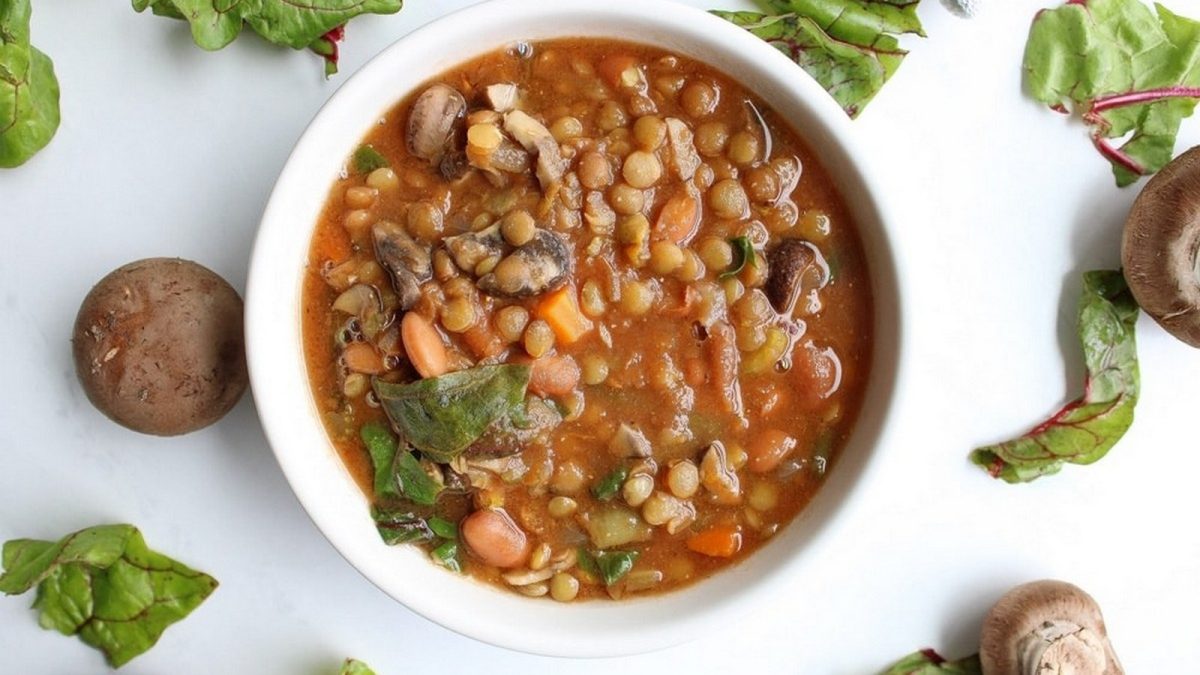
Lentils deserve a permanent place in any high-fiber kitchen because one boiled cup contains about 15.5 grams of fiber, putting them well above chia seeds per common serving.
They also cook faster than many beans because they do not require overnight soaking, which makes them perfect for busy weeknights.
Brown and green lentils hold their shape well in salads and grain bowls, red lentils melt into soups and curries, and black lentils give a firmer bite for meal prep.
Their mix of fiber and plant protein makes meals feel more complete, especially for people trying to reduce reliance on refined carbs or expensive animal proteins.
We can use lentils in taco filling, pasta sauce, veggie burgers, shepherd’s pie, soup, or a warm bowl with roasted vegetables and yogurt sauce.
That flexibility gives lentils a major edge over chia, which is nutritious but less natural as a main ingredient in a savory meal.
Black Beans
Black beans bring about 15 grams of fiber per boiled cup, making them one of the easiest foods with more fiber than chia seeds to eat regularly.
They fit naturally into American, Caribbean, Latin-inspired, and plant-forward meals, so they do not require a total diet makeover.
We can add black beans to rice bowls, breakfast tacos, burritos, chili, salads, stuffed sweet potatoes, nachos, and homemade black bean burgers.
Their dark color also signals the presence of plant compounds that make them feel more substantial than a plain side dish.
For people who want better fullness after lunch, black beans are especially helpful because they combine fiber, protein, and slow-digesting carbohydrates.
A bowl with black beans, brown rice, salsa, avocado, corn, lettuce, and grilled chicken or tofu can turn fiber into a meal people actually want to eat.
Navy Beans and Other White Beans Are Fiber-Rich Pantry Heroes
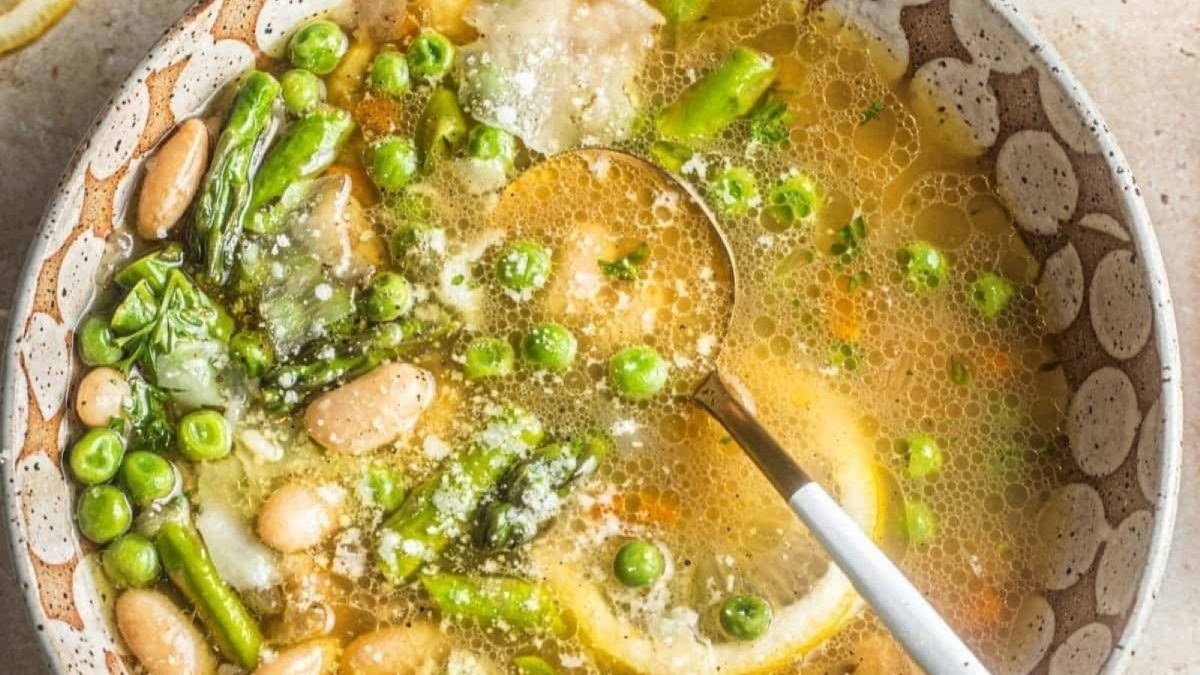
White beans, including navy beans, cannellini beans, and Great Northern beans, can deliver around 13 grams of fiber per canned cup, which still puts them above chia seeds in a meal-sized serving.
Navy beans are especially impressive. They disappear into soups, thicken sauces, blend into dips, and make creamy pasta dishes without the need for heavy cream.
We can mash them on toast with olive oil and lemon, stir them into tomato soup, fold them into greens, or blend them into a white bean dip with garlic and herbs.
For people who dislike the stronger taste of some legumes, white beans are often the easiest gateway into a higher-fiber routine.
Chickpeas
Chickpeas deliver about 12.5 grams of fiber per cooked cup, which gives them more fiber than chia seeds in a serving that can stand alone as part of lunch or dinner.
They also have one of the best textures in the legume family because they can be creamy, firm, crunchy, or smooth depending on how we prepare them.
Hummus is the obvious move, but chickpeas can do much more than sit in a dip bowl. Roasted chickpeas make a crunchy snack; mashed chickpeas can replace tuna in a sandwich-style salad; and whole chickpeas make soups, couscous, curries, and chopped salads more filling.
They also pair well with lemon, tahini, garlic, paprika, cumin, parsley, cucumber, tomatoes, and olive oil. That means we can turn one affordable can into several different meals without getting bored.
Avocado
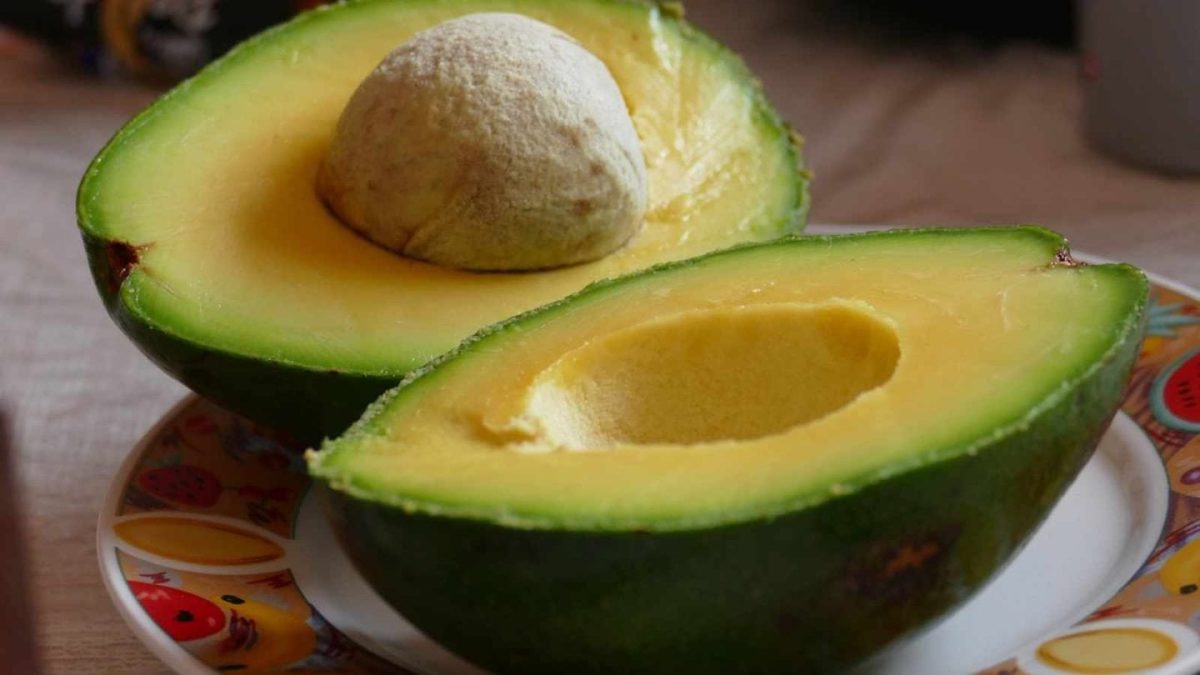
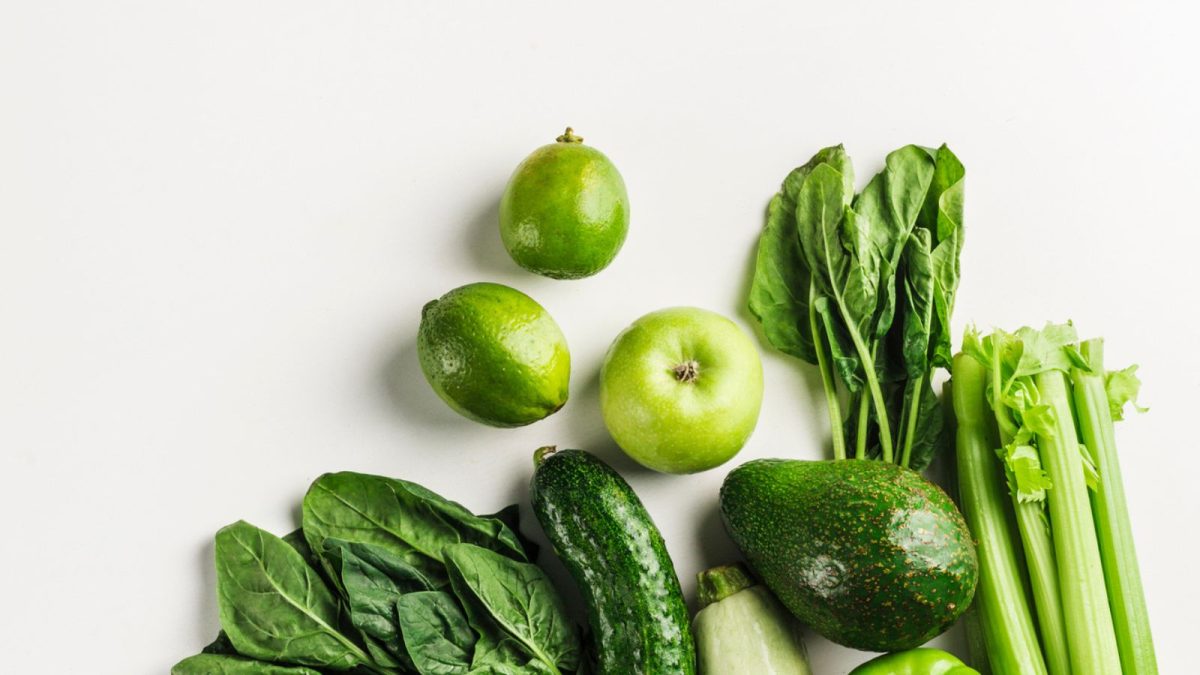
Avocado is usually praised for its creamy texture and healthy fats, but it also brings a surprisingly strong fiber score. One large avocado can provide about 13.5 grams of fiber, which puts it above chia seeds in the Health article’s serving comparison list.
Avocado also differs from beans and lentils because it adds richness rather than starchiness. That makes it useful for meals that need staying power without feeling heavy.
We can add it to eggs, salads, grain bowls, toast, wraps, smoothies, tacos, and sandwiches. The key is balance, since avocado is calorie-dense, so many people may use half at a time.
Even half an avocado can still improve a meal’s fiber profile, especially when paired with black beans, whole-grain bread, vegetables, or lentils.
Why Beans and Lentils Often Outperform Chia in Real Life
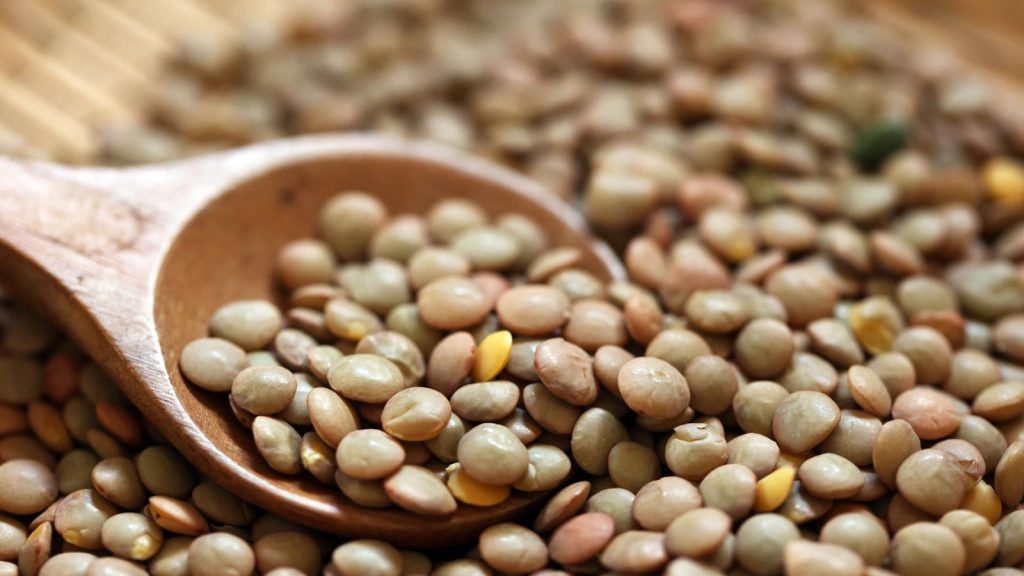
Chia seeds are powerful, but beans and lentils win on meal architecture. A spoonful of chia can boost a smoothie, but a cup of lentils or beans can become the backbone of a plate.
That matters because fiber works best when it becomes part of regular eating, not a supplement-style afterthought.
The same logic applies when comparing tiny add-ons with full plant foods. Beans, peas, and lentils provide fiber, protein, potassium, magnesium, iron, folate, and slow-digesting carbs, depending on the food.
They also help stretch a grocery budget, which makes them more realistic for families who want better nutrition without expensive specialty products.
How To Add More Fiber Without Feeling Bloated

The biggest mistake people make with fiber is moving from a low-fiber diet to a very high-fiber diet overnight. That can cause gas, bloating, cramps, and digestive discomfort, even when the foods are healthy.
MedlinePlus recommends gradually adding fiber over a few weeks and drinking fluids to help it pass through the digestive system.
A realistic plan works better. Add half a cup of beans to lunch for a few days, then increase to a full cup. Swap white toast for whole-grain toast, then add avocado or hummus.
Stir lentils into soup instead of suddenly eating a huge bowl of lentils. Fiber is not a punishment; it is a habit that becomes easier when the gut has time to adjust.
Best High-Fiber Meal Ideas
A split pea soup with carrots, celery, onion, garlic, and herbs can deliver a serious fiber boost in a bowl that tastes like comfort food.
A lentil taco bowl with salsa, lettuce, brown rice, and avocado gives the same “loaded” feeling as fast casual takeout, but with more fiber and better staying power.
Black bean chili with tomatoes, peppers, onions, and spices is one of the easiest batch-cook meals for busy weeks. White bean toast with lemon, olive oil, cracked pepper, and arugula can turn a simple breakfast or lunch into a high-fiber plate.
Chickpea salad with cucumber, tomatoes, parsley, red onion, lemon, and tahini can sit in the fridge for several days without losing its appeal.
For a snack, roasted chickpeas or avocado on whole-grain crackers can beat ultra-processed options that leave us hungry again in an hour.
Foods With More Fiber Than Chia Seeds Work Best Together
The real win is not replacing chia seeds completely. It is using chia as one tool in a bigger fiber strategy. Add chia to oatmeal, then top it with raspberries. Make a lentil soup, then serve it with whole-grain bread.
Put black beans in a taco bowl, then finish it with avocado. Blend white beans into a dip, then scoop it with vegetables. Mayo Clinic notes that high-fiber plant foods often contain both soluble and insoluble fiber, and variety helps us get both types. That is the practical lesson. A fiber-rich diet should feel colorful, warm, filling, and flexible, not like a spoonful of seeds forced into every meal.
Key takeaway
Chia seeds are still a smart food, but they are not the final word on fiber. Split peas, lentils, black beans, white beans, chickpeas, and avocado can all beat chia seeds in terms of a common serving size, and they often fit more naturally into real meals.
These foods bring fiber in a way that feels hearty, affordable, and easy to repeat. They also help us build plates that support fullness, digestion, cholesterol balance, and steadier blood sugar without turning every meal into a wellness trend.
The best move is simple: keep chia if you like it, but let beans, lentils, peas, chickpeas, and avocado do more of the heavy lifting.