8 Historical Photos That Will Change Your Perspective on Life
Some photos do more than freeze a moment. They walk into your mind, sit quietly in the corner, and refuse to leave. A single frame can expose hunger, courage, love, fear, pride, injustice, survival, and hope faster than a long speech ever could.
History books explain what happened, but photographs make you feel the weight of it. They remind us that the past was not made by statues, dates, and headlines alone, but by ordinary people standing under extraordinary pressure. Here are 8 historical photos that can change the way you look at life, struggle, success, and the people around you.
Migrant Mother Shows the Strength Hidden Inside Desperation
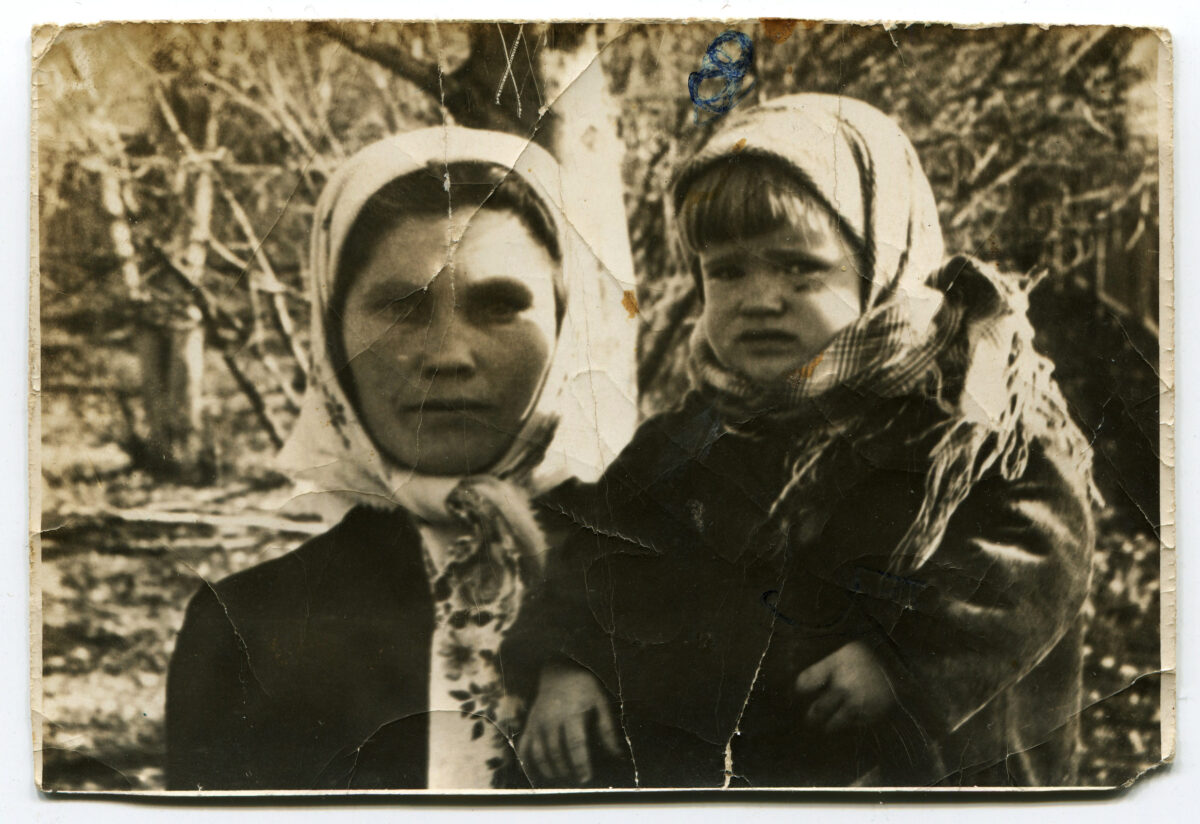
Dorothea Lange’s 1936 photograph, widely known as Migrant Mother, captures Florence Owens Thompson with her children during the Great Depression. Her face carries worry, exhaustion, and fierce protection all at once. Nothing in the image looks polished, yet everything about it feels powerful. It reminds us that strength does not always roar. Sometimes, it sits in silence with tired eyes, hungry children, and no clear answer for tomorrow.
This photo shifts perspective by stripping away the fantasy that poverty is always caused by laziness or weakness. Many families in that era were crushed by forces larger than themselves. Bad weather, broken markets, lost jobs, and failed crops turned hard-working people into survivors overnight. The lesson is simple, but heavy. Before judging someone’s struggle, remember that life can turn quickly, and dignity can survive even in the hardest corners.
Raising the Flag on Iwo Jima Reveals the Cost Behind Victory

The famous image of U.S. Marines raising the flag on Iwo Jima looks triumphant at first glance. The flag climbs upward, the men lean together, and the whole frame seems to shout victory. Yet the deeper meaning is much more sobering. This was not a neat symbol created in comfort. It came from one of the fiercest battles of World War II, where victory carried a brutal human price.
This photo shifts perspective, reminding us that every public win has private wounds behind it. People often celebrate the final moment without seeing the fear, loss, sacrifice, and exhaustion that came before it. The men in the picture became symbols, but they were also young human beings caught in the war. The image asks us to respect achievement without romanticizing pain. Success may look glorious from a distance, but up close, it often costs far more than outsiders understand.
Earthrise Makes Human Problems Look Smaller and More Connected
The Earthrise photograph from Apollo 8 shows our planet rising above the Moon’s gray surface. It is beautiful, lonely, and humbling at the same time. For once, Earth is not the background of human drama. It is the fragile blue subject, floating in darkness, with every ocean, border, argument, home, and heartbeat held inside one small sphere.
This image shifts perspective by challenging how we divide ourselves. From space, there are no visible political fights, neighborhood grudges, social classes, or personal dramas. There is only one planet carrying everyone. The photo does not make human pain meaningless, but it does make human arrogance look smaller. It invites us to live with more care, because the world is not endless, and our shared home is more delicate than daily life makes it seem.
Tank Man Proves One Person Can Still Interrupt Power
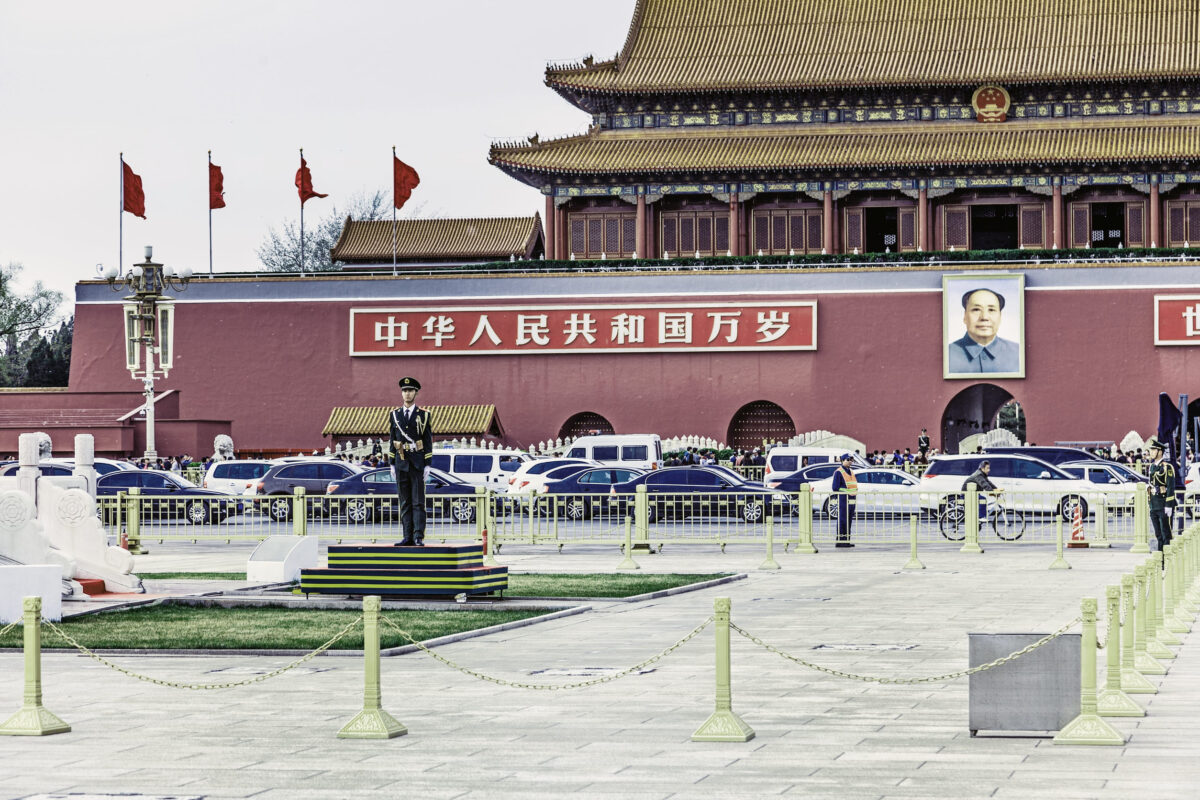
The image of the lone man standing before tanks near Tiananmen Square in 1989 remains one of the most unforgettable photographs of modern history. He did not appear powerful in the usual sense. He had no army, no podium, no crowd around him in that exact frame. He simply stood there, small against machinery, and turned his body into a refusal.
This photo changes perspective by showing courage without decoration. Many people imagine bravery as something loud, dramatic, and certain. Tank Man shows something different. Courage can look like a single person who is afraid but moves anyway. It also reminds us that resistance does not always need a perfect guarantee of success to matter. Sometimes the act of standing up becomes its own message, even when the world never learns your name.
Lunch Atop a Skyscraper Reminds Us Who Builds the Dream
Lunch atop a Skyscraper shows eleven workers casually eating on a steel beam high above New York City during the construction era of Rockefeller Center. At first, the photo feels almost playful. The men sit as if they are on a park bench, not suspended hundreds of feet above the city. Their relaxed posture makes danger look ordinary, which is exactly what makes the image unforgettable.
This photo shifts perspective by reminding us that modern comfort often rests on someone else’s risk. Cities do not rise because of slogans. They rise because workers climb, carry, weld, balance, and trust their hands in places most people would fear to stand. The photo also says something about ambition. Behind every skyline are people whose names rarely appear on plaques. Life becomes more honest when we learn to admire both the dream and the labor that makes it real.
The Terror of War Makes War Impossible to Romanticize
The 1972 Vietnam War photograph often called The Terror of War shows children fleeing after a napalm attack, with young Phan Thi Kim Phuc at the center of the frame. It is one of those images that cannot be softened with patriotic language. The fear is immediate. The pain is visible. The innocence is impossible to ignore.
This photo shifts perspective by forcing viewers to look past speeches about strategy, victory, and national interest. War is often discussed from a distance, through maps, uniforms, and political language. This image drags the conversation back to civilians, especially children, who pay for decisions they never made. It reminds us that the true cost of conflict is not measured only in territory gained or enemies defeated. It is measured in bodies, memories, families, and futures that never return to normal.
V-J Day in Times Square Shows Why Old Symbols Deserve New Questions
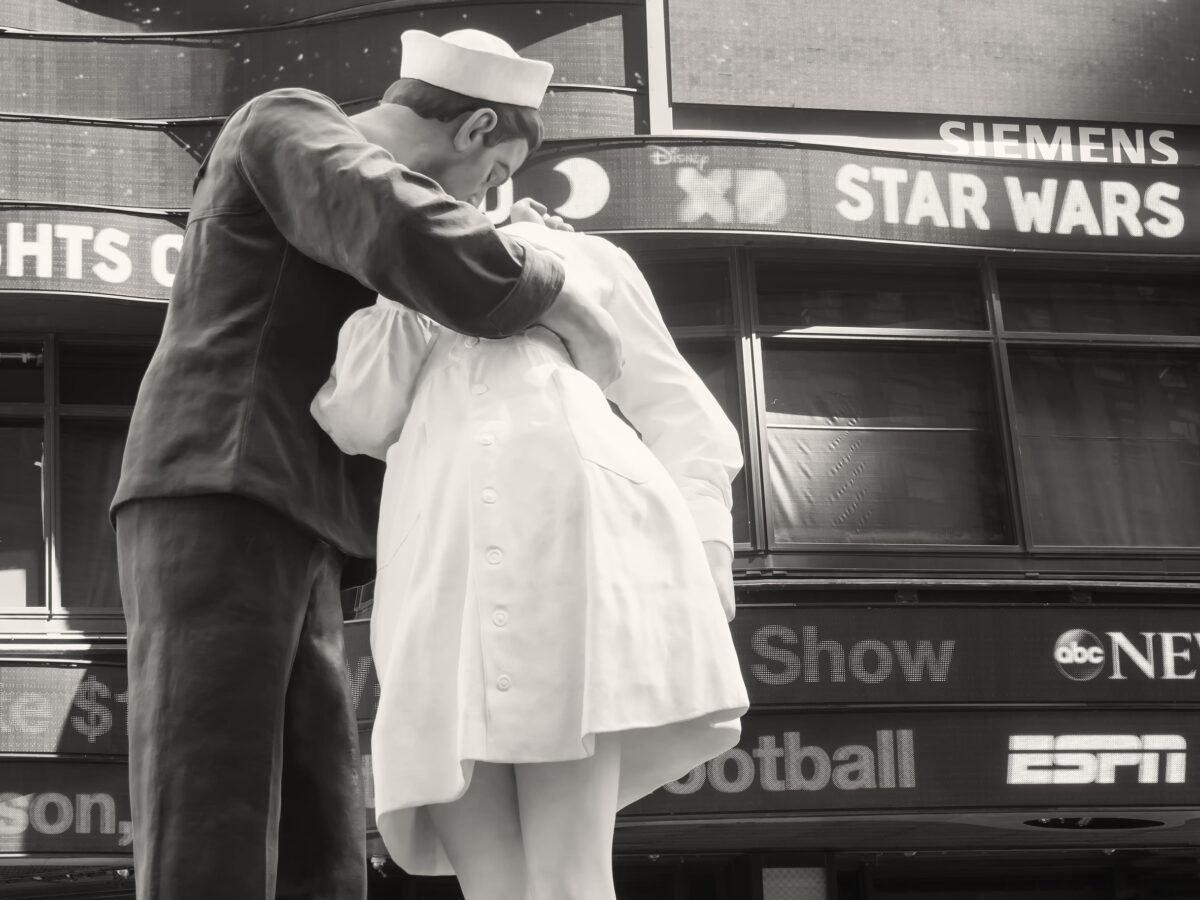
The famous photo of a sailor kissing a woman in Times Square after Japan’s surrender was a symbol of relief at the end of World War II. For decades, many people saw it as a purely celebratory event. The crowd, the pose, and the timing all made it feel like a nation exhaling after years of fear. Yet modern viewers often see another layer, because the woman later described the kiss as unwanted.
This photo shifts perspective by showing that history is not frozen in a single interpretation. A picture can mean one thing to a generation and something more complicated to another. Joy can coexist with discomfort. Public celebration can still raise private questions. The lesson is not to erase history, but to look at it honestly. Maturity means being able to honor the end of a terrible war while also asking whose feelings were ignored in the moment.
Afghan Girl Turns a Refugee Crisis Into a Human Face
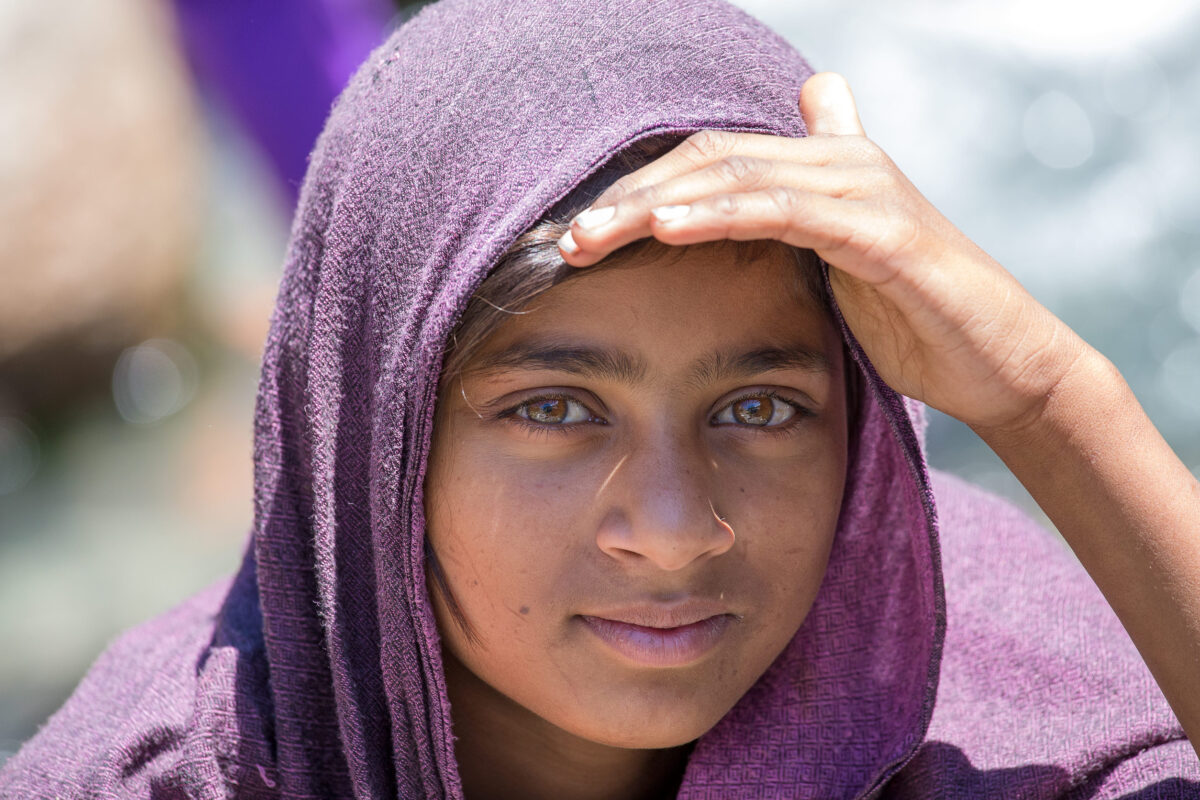
Steve McCurry’s portrait of the Afghan Girl, later identified as Sharbat Gula, became one of the most recognizable magazine covers of the twentieth century. Her green eyes are intense, direct, and unforgettable. The photograph does not show explosions or crowds. It shows one girl looking into the camera, her gaze older than her years.
This photo changes perspective by turning the word ‘refugee’ into a human being. Big crises often become too large for people to handle. Numbers blur. Camps become headlines. Wars become background noise. Then one face breaks through the distance, reminding us that displacement is not an abstract issue. It is a child’s interrupted life, a family’s broken home, and a future forced to begin again in uncertainty. The image asks us to see people before we see labels.
Conclusion
The most powerful historical photos do not simply show the past. They challenge the way we live today. They ask us to be slower with judgment, more careful with power, more honest about suffering, and more grateful for ordinary peace. They remind us that behind every famous image is a human story that was once happening in real time.
These 8 photos endure because they reveal life without filters. They show mothers fighting despair, workers risking their lives, civilians caught in war, protesters facing power, and a planet that belongs to all of us. When a photograph truly changes your perspective, it does not just make you say, “That happened.” It makes you ask, “How should I live differently now?”