10 Famous Dishes with Misleading Names
Food history is often peppered with surprising facts, and many iconic dishes have reputations tied to places that don’t align with their true origins.
Here are 10 famous foods that are misleadingly named after places they have no connection to.
Hawaiian Pizza
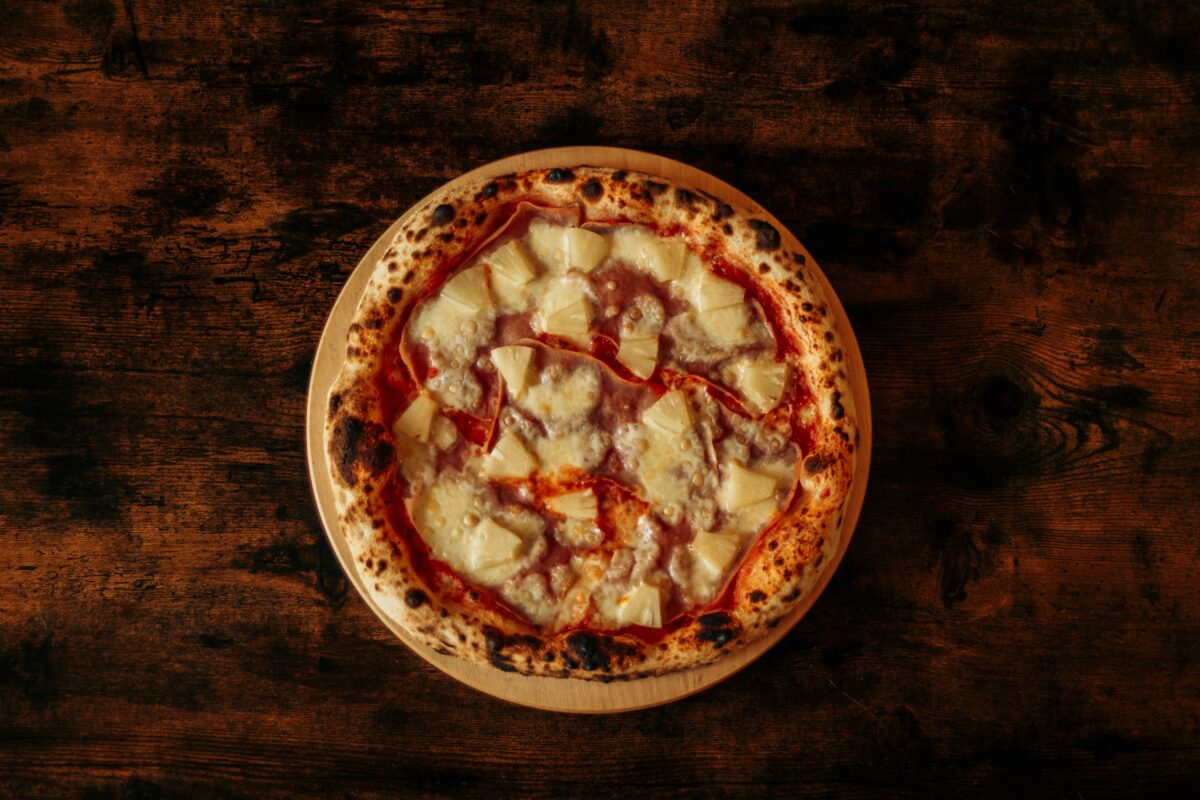
Hawaiian pizza is a classic example of a name that doesn’t match the dish’s actual roots. Despite its tropical moniker, this pizza wasn’t created in Hawaii.
In fact, it was invented in Canada by Greek immigrant Sam Panopoulos in 1962. Panopoulos was experimenting with different toppings at his pizzeria in Ontario when he decided to add canned pineapple to his pizza.
The pineapple brand he used was called “Hawaiian,” which led to the name we know today.
The influence of Hawaiian culture was big in North America at the time, which made the name a catchy fit, despite the pizza’s true Canadian origins.
London Broil
If you ask someone from London about a “London broil,” they’ll likely have no idea what you’re talking about. The term “London broil” refers to a style of marinated steak that is broiled or grilled, but it has no connection to the British capital.
In fact, the name was a marketing gimmick introduced in the 1930s to make the dish sound more sophisticated.
The dish itself was created in the U.S. and has been a staple of American cuisine ever since, though it’s a far cry from the flavors and culinary traditions of London.
Turkey
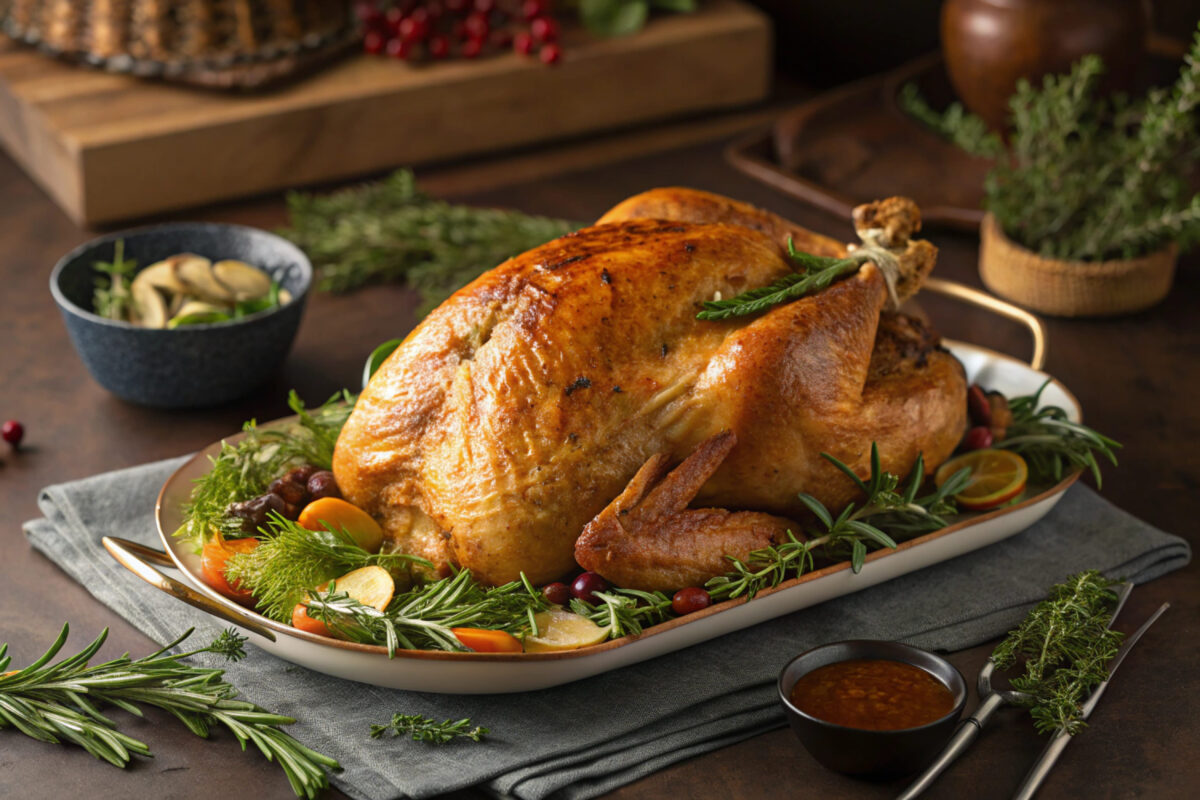
The turkey is another food with a name that’s completely out of place. Despite its association with the country of Turkey, the bird isn’t native to the region at all.
When European traders first encountered the bird in North America, they mistakenly believed it had come from Turkey, as they were trading with the Ottoman Empire at the time.
The name stuck, even though turkeys are actually native to North America. The name reflects a geographic mix-up, not a cultural connection.
Salisbury Steak
Salisbury steak is often thought to be associated with the town of Salisbury in the United Kingdom, but this dish is purely American. Named after Dr. James Salisbury, an American physician in the 19th century, the dish was promoted as part of his health regimen.
He recommended meat-heavy diets to improve digestion.
It was created during the Civil War for soldiers who suffered from digestive problems. While it’s a comfort food favorite in the U.S., the name misrepresents its true American origins.
Singapore Noodles

You’d be hard-pressed to find Singapore noodles in Singapore. This dish, often made with curried noodles, vegetables, and meat, was actually created in Hong Kong during the 1950s when British colonists introduced spice powders and curry from India.
Despite its name, Singapore noodles aren’t a staple of Singaporean cuisine.
Instead, they are a fusion of Chinese and Indian culinary traditions that became popular in Western countries as “Singapore noodles,” capitalizing on the global allure of Singapore’s exotic reputation.
Mongolian Barbecue
Mongolian barbecue, as we know it, is another example of a misleading food name. Contrary to popular belief, this dish has no real connection to Mongolia. It was invented in Taiwan by a Chinese immigrant named Nam Yip in the 1950s.
Yip wanted to create a cooking method that resembled the idea of Mongolian cooking, but instead of the traditional open-fire style used by Mongolian cooks, it was based on Chinese stir-frying techniques.
The name was used to evoke excitement and make the dish seem more exotic.
Danish Pastries

When you think of a Danish pastry, you might imagine the quaint bakeries of Denmark, but the truth is that this famous treat was actually inspired by Austrian baking techniques.
In the 1850s, after a labor strike in Denmark, Danish bakers learned how to make pastries from Austrian bakers. The original Austrian pastry, known as the kipferl, was modified and became more popular in Denmark, where it was renamed “wienerbrod.”
The term “Danish pastry” stuck internationally, even though the dish’s roots trace back to Austria.
Russian Dressing
Despite its name, Russian dressing has little to do with Russia. This creamy, tangy dressing is actually an American invention. The dressing is believed to have been created in the early 20th century and gained popularity in New England.
Though some recipes originally called for caviar (a Russian delicacy), most modern versions use mayonnaise, ketchup, and spices like horseradish and chili peppers.
The name “Russian” stuck, likely because of the association with caviar, but the actual recipe has no historical ties to Russia.
German Chocolate Cake

German chocolate cake has nothing to do with Germany, despite what its name suggests. Instead, the cake is named after Samuel German, an American chocolatier who developed a specific type of dark baking chocolate in the 19th century.
The cake, made with chocolate and topped with coconut-pecan icing, became popular in the U.S. after it was featured in a recipe in the “Dallas Morning News” in 1957.
Over time, the name “German” was mistakenly assumed to refer to the country rather than the chocolatier, creating a culinary confusion that persists today.
French Fries

The beloved French fry, often considered a staple of French cuisine, actually originated in Belgium.
According to popular theory, the dish was invented in the late 17th century by Belgian villagers who, unable to fish during the winter months when the river froze, began frying potatoes instead.
They dubbed their creation “frites.” When American soldiers stationed in Belgium during World War I encountered the dish, they mistakenly associated it with France, where they were also stationed, and began calling it “French fries.”
10 Famous Dishes with Misleading NamesWhile the dish is undeniably popular in France, the true origins lie in Belgium.
Key Takeaway
The world of food is rife with dishes whose names misrepresent them. Whether through marketing strategies, geographical misunderstandings, or historical accidents, many of the foods we know and love are not from the places we believe they are.
This sheds light on how food names can evolve over time, influenced by cultural exchanges, globalization, and even simple miscommunications.