Rare, Medium or Well-Done? Why Steak Lovers Keep Ordering It Differently
Put three steaks on the same table, and you can start an argument before anyone even picks up a fork.
One diner wants a deep-red center, another wants that unmistakable warm pink of medium-rare, and someone else will send the plate back if there is even a hint of red. Steak doneness has become one of those food choices people can feel surprisingly strongly about, even though the differences come down to heat, texture, moisture, and personal preference.
What makes it interesting is that changing doneness doesn’t just change the color. It changes the entire experience of eating the steak.
Rare Is for the Beef-First Crowd
A rare steak focuses on a soft, intensely beefy center and the contrast between barely cooked meat and a deeply browned crust.
Rare generally has a red center and a relatively low internal temperature. People who prefer it often want a particularly tender, soft texture rather than the firmer bite that develops as the steak cooks further.
But an important distinction exists between appearance and safety. The USDA recommends that whole cuts of beef reach at least 145°F and rest for three minutes, so the familiar restaurant categories don’t automatically match USDA’s minimum safe temperature. Its guidance on cooking beef steaks safely is worth knowing before deciding how far to take your steak.
Medium-Rare Is Where the Great Steak Debate Usually Begins
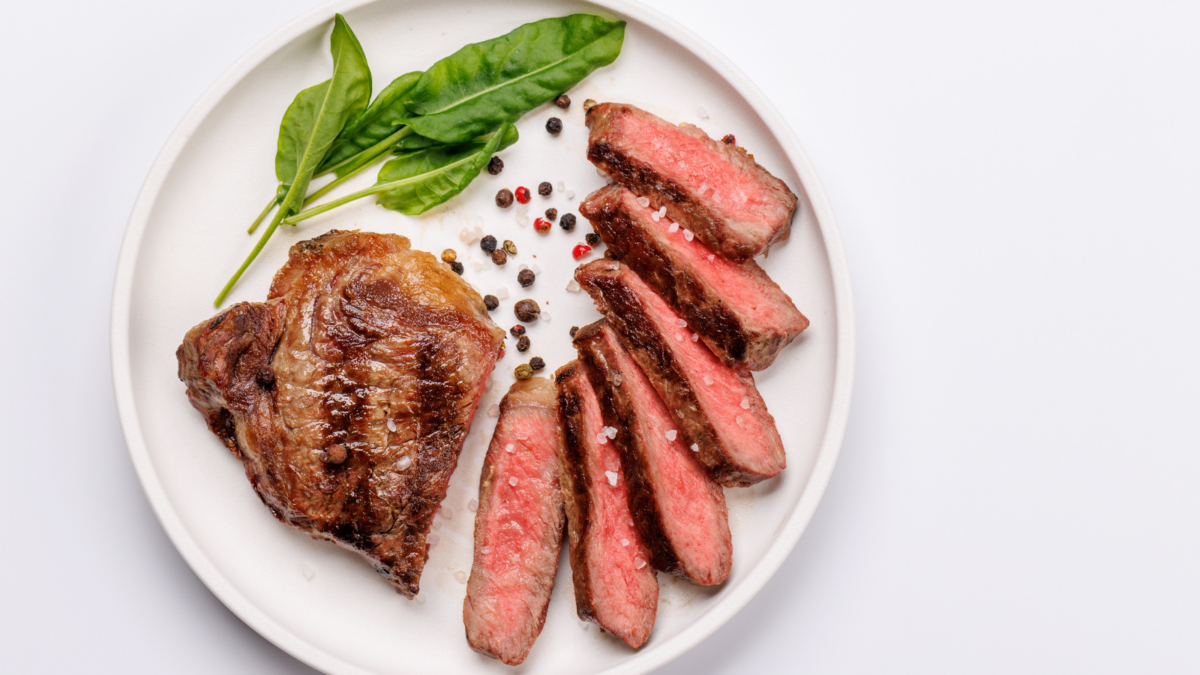
For people who want a juicy center without the cooler, redder character of rare beef, medium-rare occupies the sweet spot.
The center is warm and pink-red, while the exterior can develop a dark, savory crust. That combination gives you tenderness without sacrificing the roasted flavors created by high-heat browning. ThermoWorks recommends medium-rare at 130–135°F, noting that the steak continues cooking slightly after it leaves the heat.
That detail explains why a steak can look different at the table than it did when it came off the grill. ThermoWorks’ steak temperature guide shows just how narrow some of these temperature ranges actually are.
Medium Changes the Texture
As you move toward medium, the center becomes pinker rather than red, and the steak starts to feel noticeably firmer in your mouth.
For some diners, that is exactly what they want. A medium steak still has moisture and tenderness, but it feels more substantial than rare or medium-rare. The longer cooking time also changes the proteins and pushes the meat toward a firmer texture.
This is where the choice becomes especially personal. Someone who dislikes a very soft center may find medium much more satisfying, while someone chasing maximum tenderness may think the extra cooking takes away part of the fun.
Medium-Well Is a Different Kind of Steak Experience
Medium-well is where the center becomes mostly cooked through, but the steak can still retain some softness and a little pink.
People who order medium-well are not necessarily trying to destroy a steak. They may prefer a firmer texture and a center that looks more thoroughly cooked. The key is choosing a cut with enough marbling and cooking it carefully so the steak does not become unnecessarily dry.
That is where beef quality matters. The USDA explains that marbling—the small flecks of fat within the muscle—is associated with tenderness, juiciness, and flavor, which helps explain why a well-marbled steak can tolerate more cooking than a very lean one.
Well-Done Has Its Own Following
For a well-done steak lover, a fully cooked center can be the feature rather than the flaw.
Well-done steak is firmer and contains little or no visible pink. It can lose more moisture during cooking, but that does not automatically make the preference wrong or unusual. In a YouGov survey of U.S. adults, well-done and medium-rare were the two most popular steak choices, with medium-well and medium also attracting substantial shares.
That means the idea that “everyone” wants medium-rare doesn’t match the data. The YouGov steak preference survey found Americans spread their preferences across several levels of doneness.
The Crust Is Half the Point
No matter what is happening in the middle, a great steak still needs that deeply browned exterior.
That dark crust is not just decoration. High heat triggers the Maillard reaction, producing hundreds of flavor compounds responsible for many of the roasted, nutty, savory aromas associated with cooked meat.
This is why a steak can be perfectly pink inside and still disappoint if the exterior is pale. The ideal bite has contrast: browned and crisp outside, followed by the texture you personally want in the center.
Why Your Steak Order Says More About Taste Than “Knowing Steak”
No personality test is hidden inside a steak menu—just different things people want from the same piece of beef.
A rare diner may love a softer, more delicate center. A medium-rare fan may be chasing the combination of crust and tenderness. Someone who chooses medium may want balance, while a medium-well or well-done diner may value firmness and a thoroughly cooked center more than maximum juiciness.
And technique can make those preferences easier to achieve. A thick steak can benefit from a reverse sear, where you gently bring it toward its target temperature before a final blast of high heat creates the crust; Serious Eats’ steak-cooking guide explains why this approach can produce a more evenly cooked interior.
So, What’s Your Steak Order?
The fascinating thing about steak doneness is that the same cut can become five noticeably different meals simply by changing how far you cook it.
Not every diner at the table needs to agree. Steak is one of those foods where temperature becomes texture, texture becomes preference, and preference becomes part of the experience. The next time someone orders their steak differently from yours, they may not be “wrong”—they may simply be looking for a completely different bite.
And if you want more control at home, an instant-read thermometer takes much of the guesswork out of the process; ThermoWorks’ temperature guide breaks down the different stages so you can aim for the result you actually enjoy.
So when the server asks how you want your steak cooked, are you loyal to rare, medium-rare, medium, medium-well, or well-done—and what do you love most about that particular doneness?