7 Pantry Sauces That Can Turn a Sad Dinner Into Something You’ll Actually Crave
When dinner is technically edible but emotionally disappointing, a good sauce can do what another 30 minutes of cooking cannot. A splash, spoonful, or quick drizzle can bring salt, acid, sweetness, spice, richness, and savory depth to rice, noodles, eggs, beans, roasted vegetables, chicken, or that half-used bag of frozen broccoli waiting in the freezer.
The trick is not throwing every bottle in the fridge door into one pan. It is keeping a short lineup of flavor workhorses that each do a distinct job, and using them with enough restraint that the dinner tastes brighter, not busier. Here are seven pantry-friendly sauces worth knowing, plus the easiest ways to use them when your meal needs a rescue.
Soy Sauce Gives Almost Anything a Savory Upgrade
Soy sauce is the quiet MVP of fast cooking because it delivers two things at once: salt and umami. That makes it useful well beyond stir-fry night. A small amount can deepen fried rice, perk up sautéed greens, season mushroom pasta, improve a basic bean soup, or turn buttered noodles into a more satisfying late-night meal. It is also a simple way to add a darker, more complex flavor to marinades and pan sauces without opening a dozen spice jars.
The key word is small. Soy sauce is high in sodium; the University of Florida IFAS notes that one tablespoon contains about 1,000 milligrams of sodium. Start with a teaspoon or less in a skillet meal, then taste before adding more salt. If the meal also includes Parmesan, bouillon, bacon, broth, cured meat, or other salty ingredients, scale it back even further.
Soy sauce can be a particularly effective fix for meals that feel bland rather than undercooked. Add a little to scrambled eggs with scallions, brush it onto roasted vegetables during the last few minutes of cooking, or stir it into a sauce of butter, garlic, and pasta water. If you have a soy or wheat allergy, check the package carefully: the FDA requires packaged foods to identify major allergens, including soy and wheat, on ingredient lists or in a “Contains” statement.
Hot Sauce and Vinegar Bring the Brightness
Hot sauce is not only for people who want dinner to hurt a little. A vinegar-based hot sauce can make a heavy, creamy, fried, cheesy, or starchy meal taste more awake by adding both heat and acidity. That is why it works on eggs, beans, mac and cheese, soups, roasted sweet potatoes, tacos, and even a plain baked potato with butter. It does not need to dominate the dish to make a noticeable difference.
The reliable method is to add it at the end, after you cook and season the dish. That gives you control over the heat level and preserves its sharper flavor. A few dashes in lentil soup can cut through its earthy richness; a teaspoon stirred into mayo can make an instant sandwich spread; and a small splash over rice and vegetables can make leftovers feel less like leftovers. If you want flavor without much heat, try a milder sauce or use a few drops rather than a full pour.
Plain vinegar deserves a place in this conversation, too, even if its bottle does not always look as glamorous as a hot sauce collection. Rice vinegar is gentle enough for fried rice and quick cucumber salads, while apple cider or red wine vinegar can brighten beans, braised greens, lentils, and roasted vegetables. Texas A&M’s food-science guidance explains that acids such as vinegar and citrus brighten flavor and balance richness, a useful correction for food that is salty, fatty, or simply flat.
Most commercially bottled sauces come with their own storage instructions, so the label should always win. FDA food-safety guidance notes that some products are shelf-stable before opening but must be refrigerated afterward, while New Mexico State University advises refrigerating ketchup, chili sauce, and barbecue sauce after opening for longer storage. In other words: use the sauce generously at dinner, but don’t guess about how to store it.
Related: Grandma’s Old-Fashioned Recipes Are Making a Comeback, and These Are Worth Saving
Ketchup, Barbecue Sauce, and Mustard Handle Sweet, Tangy Jobs
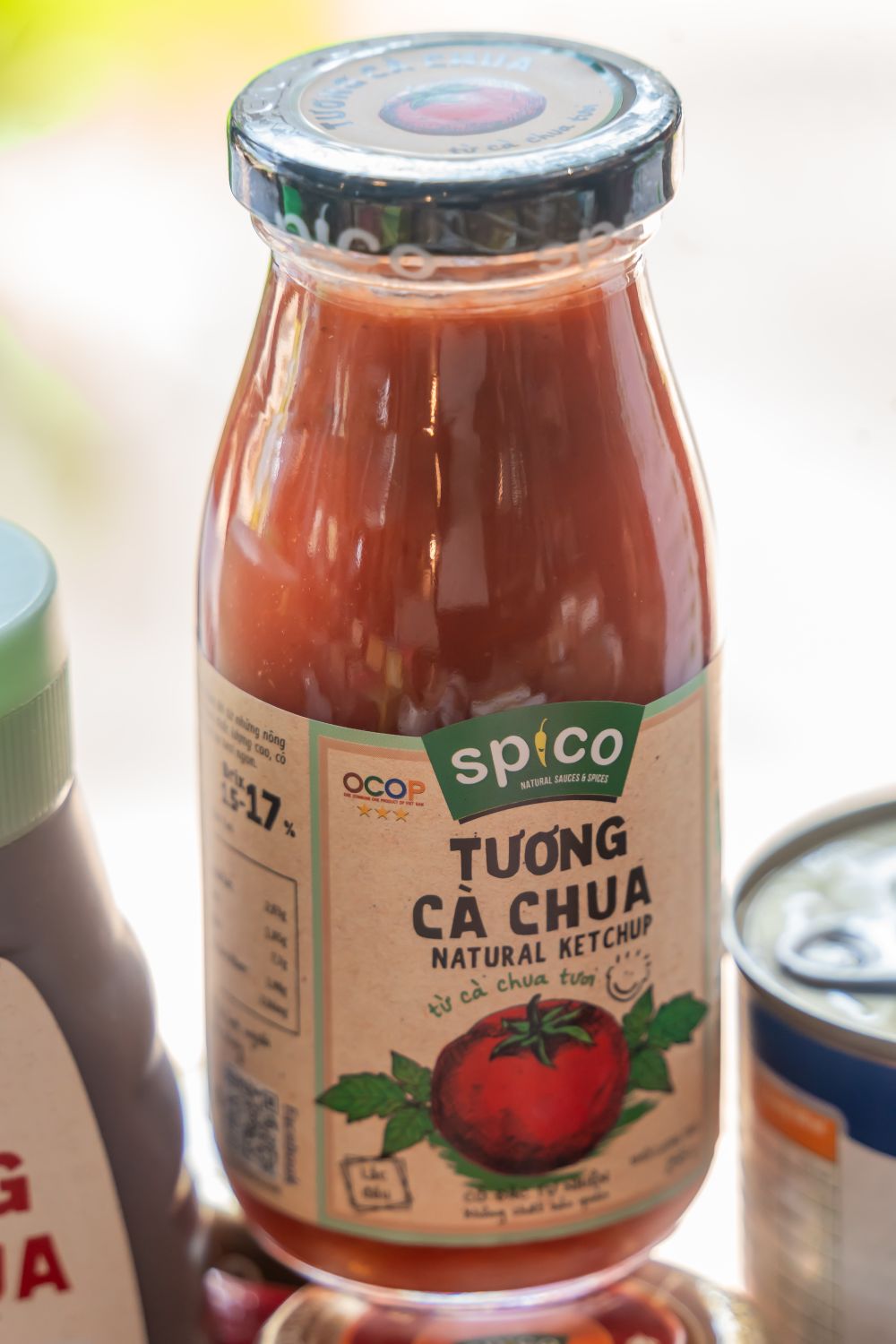
Ketchup is far more useful than its reputation suggests. It already contains tomato, vinegar, sugar, and seasoning, so it can become a quick sweet-tangy base for a glaze, a skillet sauce, or a meatloaf mixture. Stir it with a little soy sauce and garlic for a fast sticky sauce over ground turkey or tofu. Mix it with hot sauce for a simple dipping sauce. Add it to a pot of beans or lentils when you want tomato flavor but do not want to open a full can of tomatoes.
Barbecue sauce belongs in the same emergency-dinner category because it supplies sweetness, acidity, and smokiness in one bottle. It can glaze chicken thighs, dress up shredded rotisserie chicken, flavor baked beans, or turn roasted cauliflower into the kind of vegetable side that gets finished first. To keep it from tasting overly sweet, balance it with a splash of vinegar, a squeeze of lemon, or a spoonful of mustard. That one small adjustment can make bottled barbecue sauce taste more like part of the meal and less like an afterthought.
Mustard is another pantry bottle with a bigger range than hot dogs and sandwiches. Yellow mustard works in vinaigrettes, potato salads, cheese sauces, and marinades, while Dijon-style mustard has a sharper, more wine-forward profile that fits chicken, fish, roasted vegetables, creamy pastas, and pan sauces. Whisk a teaspoon into melted butter with lemon and herbs for vegetables, or add it to a simple oil-and-vinegar dressing. Mustard gives a dish tang and a subtle bite without making it aggressively sour.
Ketchup and barbecue sauce are generally shelf-stable when unopened, but refrigeration helps preserve their quality once opened. America’s Test Kitchen reported that acidic ketchup is unlikely to spoil quickly at room temperature, though flavor can deteriorate over time; it recommends refrigeration for home cooks who use it slowly. The FDA’s basic advice is equally practical: follow the package directions and keep foods that require refrigeration at 40°F or below.
Worcestershire Sauce and Fish Sauce Add Big Flavor in Small Doses
Worcestershire sauce is the bottle to reach for when dinner needs depth, but you cannot quite identify what is missing. It is tangy, salty, savory, and slightly sweet, making it useful in chili, burgers, meatloaf, tomato sauces, marinades, stews, and mushroom dishes. A teaspoon can make a beefy or vegetable-heavy meal taste fuller without announcing itself as a separate flavor. Think of it less as a topping and more as a background player that makes the rest of the ingredients sound better.
Fish sauce works similarly, though its aroma can be startling straight from the bottle. In cooking, a small amount disappears into the dish and contributes saltiness and savory complexity. It is especially useful in noodle dishes, brothy soups, fried rice, curries, sautéed greens, and even tomato-based sauces when used sparingly. The goal is not for dinner to taste like fish sauce; the goal is for the dish to taste more complete.
Both sauces require a label check for people managing food allergies. The FDA lists fish among the nine major food allergens that must be declared on packaged-food labels, and it requires the food source of major allergens to be clearly identified. Worcestershire sauce may contain anchovies, while fish sauce is made with fish; exact ingredients vary by brand, so do not assume two bottles are interchangeable for every eater.
The best way to use all seven sauces is to give each one a role. Soy sauce gives salt and savoriness. Hot sauce and vinegar provide lift. Ketchup and barbecue sauce add sweet-tangy body. Mustard brings sharpness. Worcestershire sauce and fish sauce deliver depth. Start with a small amount, taste, and let the rest of the plate guide you, because the difference between a boring dinner and a really good one is often sitting in a bottle you already own.
Other post you might like: