This Creamy Corn Pasta Is What Happens When Sweet Corn Steals the Entire Dinner Show
Creamy corn pasta turns one of the simplest kitchen vegetables into a glossy, rich-tasting sauce that clings to every noodle. No complicated cream sauce or long list of ingredients is needed: sautéed corn, garlic, pasta water, cheese, and a blender do most of the work, while whole kernels keep the dish bright, sweet, and textured.
The genius is that the corn does double duty. Part of it blends into a silky sauce, and the rest stays whole, giving each bowl little pops of sweetness instead of turning dinner into a one-note purée. It is quick enough for a weeknight, but the finished plate looks and tastes like something that took much more planning.
Corn becomes the sauce, not just a side dish
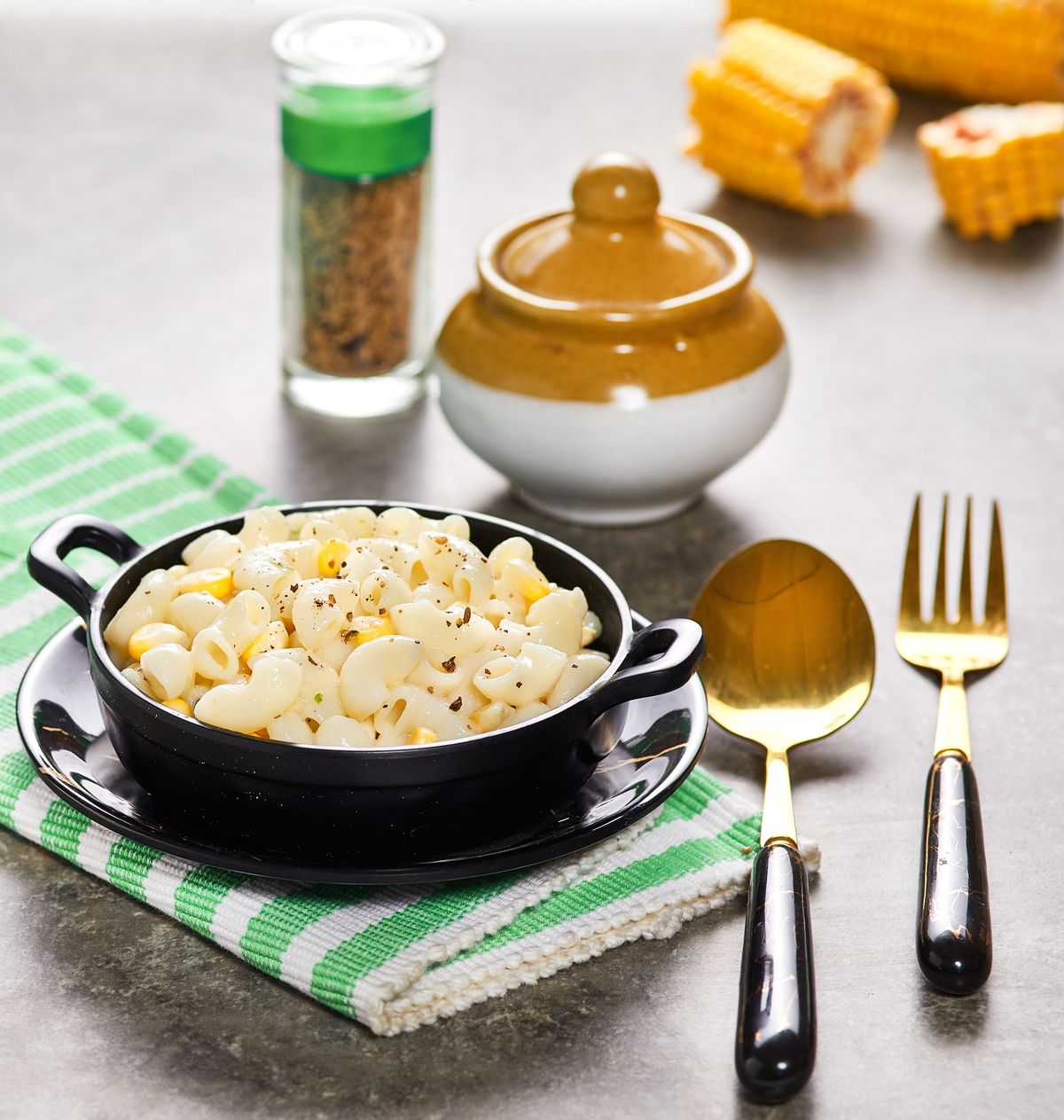
The central move in creamy corn pasta is blending cooked corn with pasta water. That creates a naturally thick, velvety sauce without relying entirely on heavy cream. The starch in the pasta water helps the sauce emulsify and cling to the noodles, while the corn brings sweetness, body, and a sunny yellow color that makes the dish feel special before the first bite.
Mary Berg’s creamy corn pasta uses six ears of corn, shell pasta, butter, shallot, garlic, Parmigiano Reggiano, fresh herbs, and red pepper flakes. In her method, she cooks half the sautéed corn with a cup of pasta cooking liquid until smooth, then blends in Parmigiano Reggiano before returning the purée to the pan with the remaining corn and cooked pasta.
The technique leaves room for the corn to remain the star. You get a sauce that tastes distinctly like corn rather than a standard cream sauce with vegetables folded in at the end. The whole kernels keep their shape and provide a sweet, juicy contrast, while the blended portion creates a rich, silky sauce without requiring a carton of cream.
Delish uses a closely related method, but also uses the “corn milk” left behind after kernels are cut from the cob. The recipe directs cooks to scrape the stripped cobs over a bowl with the back of a knife, collecting the milky liquid. Simmer two cups of corn kernels, the corn milk, and pasta water together, then blend until smooth. It is a small technique with a big payoff, because it captures more of the flavor and natural starch that fresh corn has to offer.
The small details that make it taste restaurant-worthy
First, reserve pasta water before draining the noodles. It is not just hot water, it contains starch released from the pasta, which helps loosen the blended corn while helping the sauce coat the noodles. Berg’s recipe calls for reserving two cups of pasta water, while Delish reserves one cup.
Pasta shape matters, too. Shells, orecchiette, fusilli, and other shapes with curves or grooves are especially good matches because they trap the sauce and catch pieces of corn. Berg uses shell pasta, while Delish uses rigatoni. Long noodles can work, but a textured, scoopable shape makes every forkful more satisfying.
Build flavor before blending. Berg begins by melting butter and softening a finely diced shallot for two minutes, then adds the corn and cooks it for another five minutes, until cooked through and lightly golden. Add the garlic only for the final 30 seconds before blending. That timing is important: shallots need time to soften and sweeten, corn benefits from brief browning, and garlic can become bitter if cooked too long.
Food & Wine’s creamy corn miso pasta follows a similar flavor-building process, sautéing corn in butter with onions and garlic until tender before puréeing it. Its version adds white miso and Parmigiano-Reggiano, using the fermented paste to add savory depth to the naturally sweet corn sauce. A spoonful of miso is optional, but it is an effective way to make the sauce taste deeper and saltier without losing the corn’s fresh character.
Related: What Food Should You Stock Up on for an Emergency? Start With These Essentials
How to make the meal your own
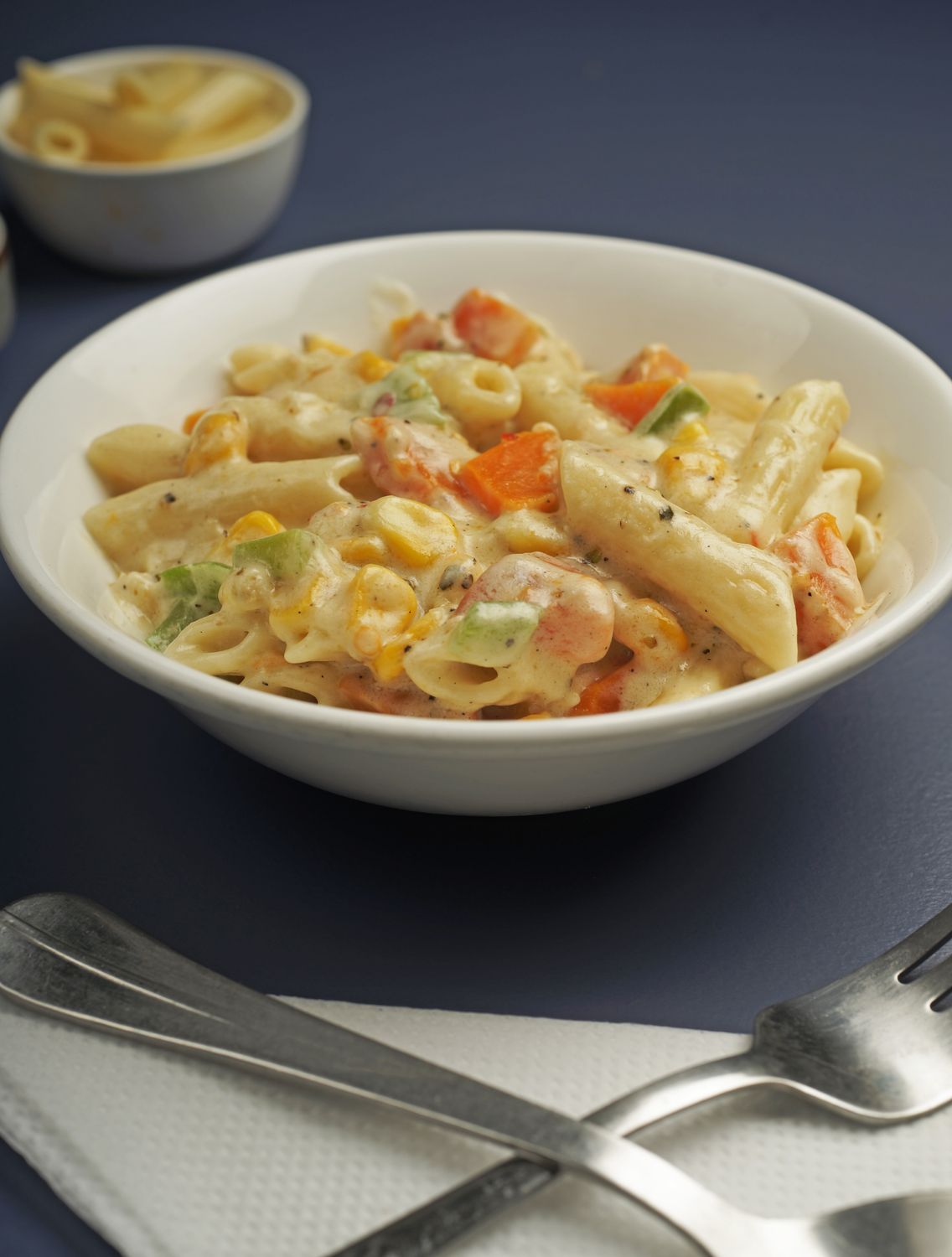
The basic formula is flexible enough to adapt to what is in the refrigerator. Start with corn, an allium like shallot, onion, or garlic, pasta water, and a hard, salty cheese. Then decide what you want the finished bowl to feel like: light and herby, spicy and savory, or loaded with vegetables.
For a classic version, finish the pasta with grated Parmesan, basil or chives, black pepper and a pinch of red pepper flakes. Berg’s recipe calls for chives, parsley or basil, plus a pinch of crushed red pepper flakes. Those ingredients add freshness and heat without distracting from the corn.
For extra texture, brown some corn in butter and hold it back until the end. Delish melts butter in the skillet, adds red pepper flakes and the remaining corn kernels, and cooks them until the butter begins to brown. The blended corn sauce, pasta, Parmesan, and basil are then tossed with those kernels, then finished with lemon juice. Browning the butter and corn adds nuttiness, while lemon cuts through the sweetness and cheese.
Andrew Zimmern’s creamy corn pasta with crispy shallots makes a strong case for contrast. He combines sweet corn, chile flakes, black pepper, fresh tomatoes, and pecorino Romano, then tops the finished pasta with crunchy fried shallots. Zimmern wrote that “all great recipes have contrasting textures and complementary flavors,” a principle his recipe puts to work with creamy sauce, crisp shallots, bright tomatoes and salty cheese.
Vegetables can also join the party. How Sweet Eats adds zucchini, basil pesto, Parmesan and garlic to a creamy corn pasta, using cream and pasta water to make the sauce. The recipe comes together in under 30 minutes, according to the site. Cherry tomatoes, spinach, roasted peppers, or green beans could work too, but don’t overload the skillet. The dish is at its best when the corn remains unmistakably central.
Fresh corn is ideal when it is available, especially because you can collect the corn milk from the cob. But frozen corn is a practical alternative for any season. The main step is to cook it long enough to drive off excess moisture and develop a little color before blending. Canned corn can also work in a pinch, but drain it well before sautéing.
The result is the kind of dinner that changes the way you think about corn. It is not just the side dish beside grilled chicken or the ingredient folded into a salad. With a skillet, a blender, and some pasta water, creamy corn pasta turns it into the sauce, the texture, and the reason dinner feels exciting.