8 Catastrophic Mistakes Hitler Made That Helped Destroy Nazi Germany
Nazi Germany did not collapse because of one bad decision, one failed battle, or one unlucky winter. It collapsed because Adolf Hitler built a war machine on brutality, arrogance, racial fantasy, and strategic blindness. At first, Germany shocked Europe with speed, aggression, and military coordination, but the same reckless instincts that fueled its early victories later dragged it into disaster.
Hitler wanted conquest without limits, loyalty without truth, and victory without compromise. That made Nazi Germany dangerous but also brittle. As the war expanded, his mistakes multiplied. He ignored expert advice, underestimated enemies, wasted resources, and turned military decisions into ideological crusades. By the end, Germany was fighting too many enemies, on too many fronts, with too little fuel, too few allies, and a leader who refused to face reality.
Invading the Soviet Union Before Finishing the War in the West
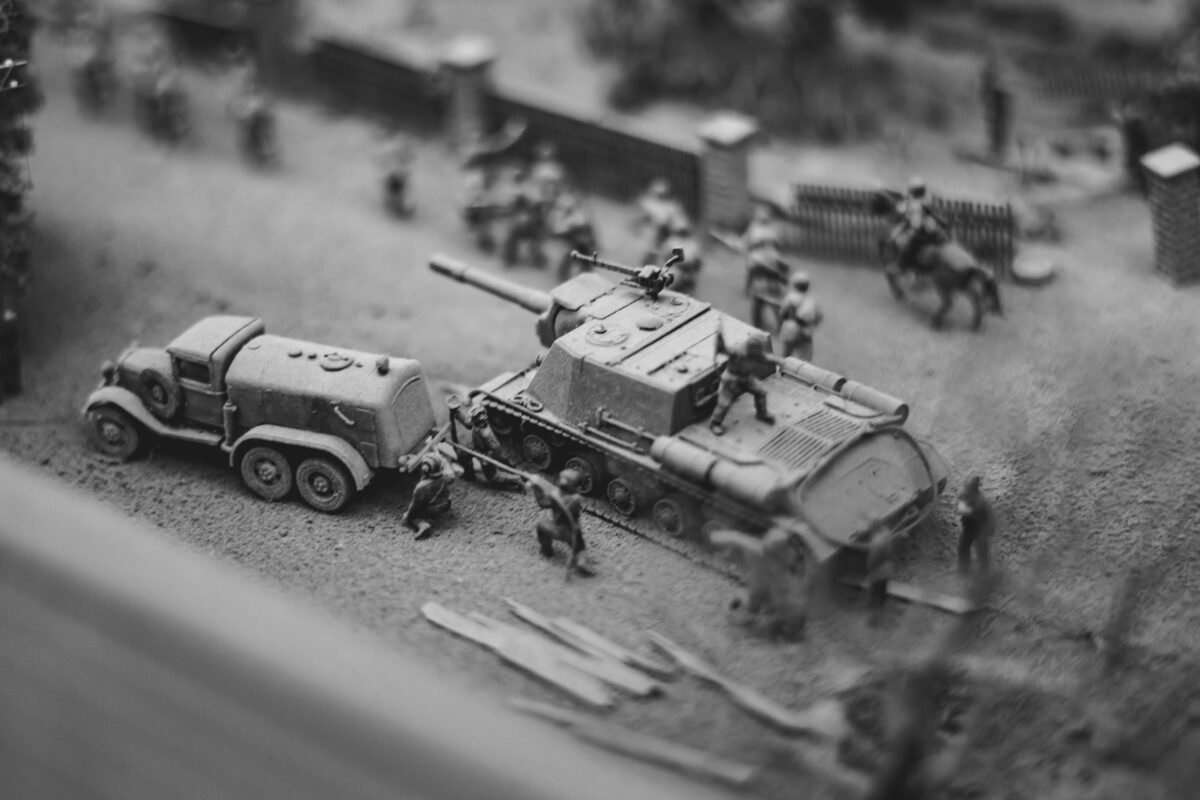
Hitler’s decision to invade the Soviet Union in June 1941 was one of the greatest strategic disasters of the war. Germany had already failed to defeat Britain, yet Hitler opened a massive eastern front against one of the largest countries on earth. He believed the Soviet Union would collapse quickly, but that confidence rested more on ideology than military reality.
Operation Barbarossa began with stunning German advances, but the campaign soon became a nightmare. German forces were stretched across vast distances, supply lines broke down, and Soviet resistance hardened. The war in the east became a brutal war of survival that drained German manpower, tanks, ammunition, and morale. Instead of securing victory, Hitler trapped Germany in a grinding conflict it could not afford.
Underestimating Soviet Strength and Resilience
Hitler’s hatred of communism and racist views toward Slavic peoples made him badly misjudge the Soviet Union. He assumed Soviet forces were weak, disorganized, and close to collapse. That arrogance blinded him to the country’s industrial depth, huge population, and ability to absorb terrifying losses.
The Soviet Union moved factories east, rebuilt armies, and kept fighting even after catastrophic early defeats. Germany destroyed millions of Soviet troops, but new armies kept appearing. Hitler did not understand that the Soviet state could trade space for time, then strike back with growing force. His failure to respect Soviet resilience turned his eastern campaign from a planned quick victory into a long war that Germany could not win.
Declaring War on the United States
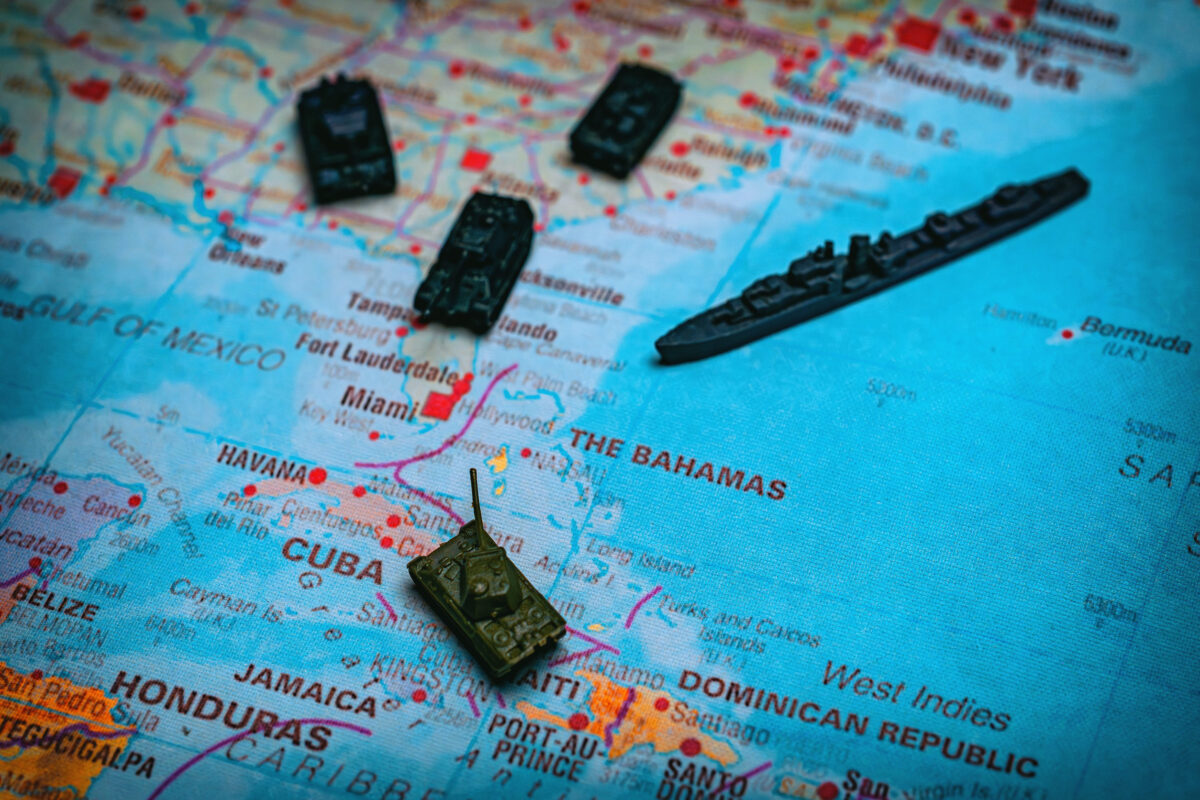
After Japan attacked Pearl Harbor in December 1941, Hitler made another disastrous move by declaring war on the United States. Germany was already fighting Britain and the Soviet Union. Adding America gave the Allies an industrial giant with enormous manpower, money, ships, planes, and production power.
The United States did not immediately flood Europe with troops, but its factories changed the balance of the war. American industry supplied weapons, vehicles, aircraft, food, and fuel to Allied forces on a massive scale. Hitler treated America as soft and divided, but he badly misread its capacity to mobilize. Once the U.S. fully entered the conflict, Germany faced an enemy coalition with resources far beyond its own.
Refusing to Let Commanders Retreat
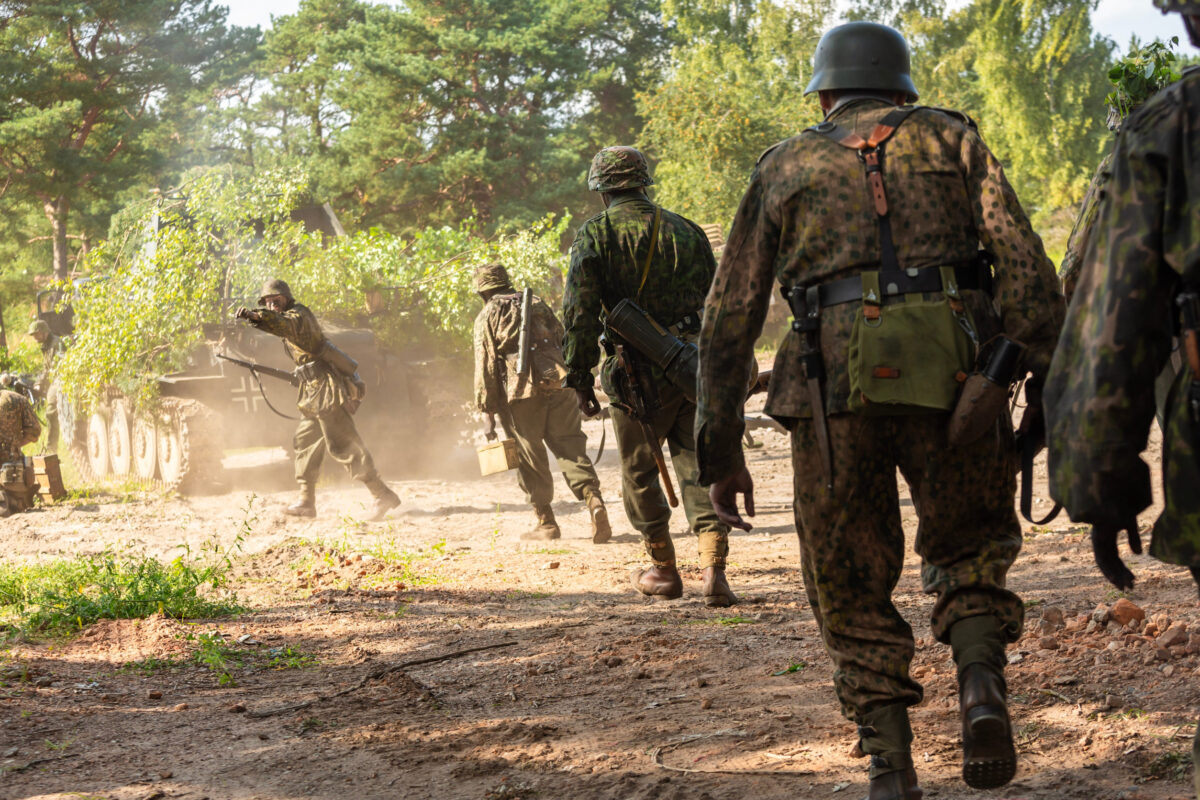
Hitler’s obsession with holding ground became deadly. Again and again, he ordered German armies to stand firm even when retreat could have saved troops and equipment. He treated withdrawal as cowardice rather than a normal part of military strategy. This turned dangerous situations into disasters.
Stalingrad became the clearest example. German forces were surrounded, freezing, starving, and running out of ammunition, yet Hitler refused to allow a breakout when there was still a chance. The result was the destruction of an entire German army and a huge psychological blow to Nazi Germany. His “no retreat” orders lacked strength. They wasted trained soldiers that Germany could not replace.
Diverting Resources Into Ideological War and Genocide
Nazi Germany’s war effort was poisoned by its own ideology. Hitler’s regime poured manpower, trains, guards, administrative energy, and resources into persecution, deportation, slave labor, and genocide. These crimes were not separate from the war. They were central to the Nazi project, and they helped weaken the state from within.
The Holocaust remains one of history’s greatest crimes, and it also showed how deeply Nazi policy was driven by hate rather than practical survival. Instead of using resources rationally, the regime used them to murder civilians and terrorize occupied populations. That brutality strengthened resistance movements, hardened Allied resolve, and made compromise impossible. Nazi Germany’s cruelty did not create lasting control. It created enemies everywhere.
Failing to Defeat Britain Early
After France fell in 1940, Britain stood alone in Western Europe. Hitler needed to force Britain out of the war before turning east, but he failed. The Luftwaffe could not win the Battle of Britain, and Germany never gained the air control needed for an invasion. Britain survived, and that changed everything.
Britain became a base for Allied bombing, intelligence operations, resistance support, and eventually the D-Day invasion. Hitler’s failure to knock Britain out meant Germany always had an enemy on its western flank. Even when German armies pushed deep into the Soviet Union, Britain remained in the fight, waiting for the moment when American power could join the struggle in full force.
Mismanaging Germany’s Economy and War Production
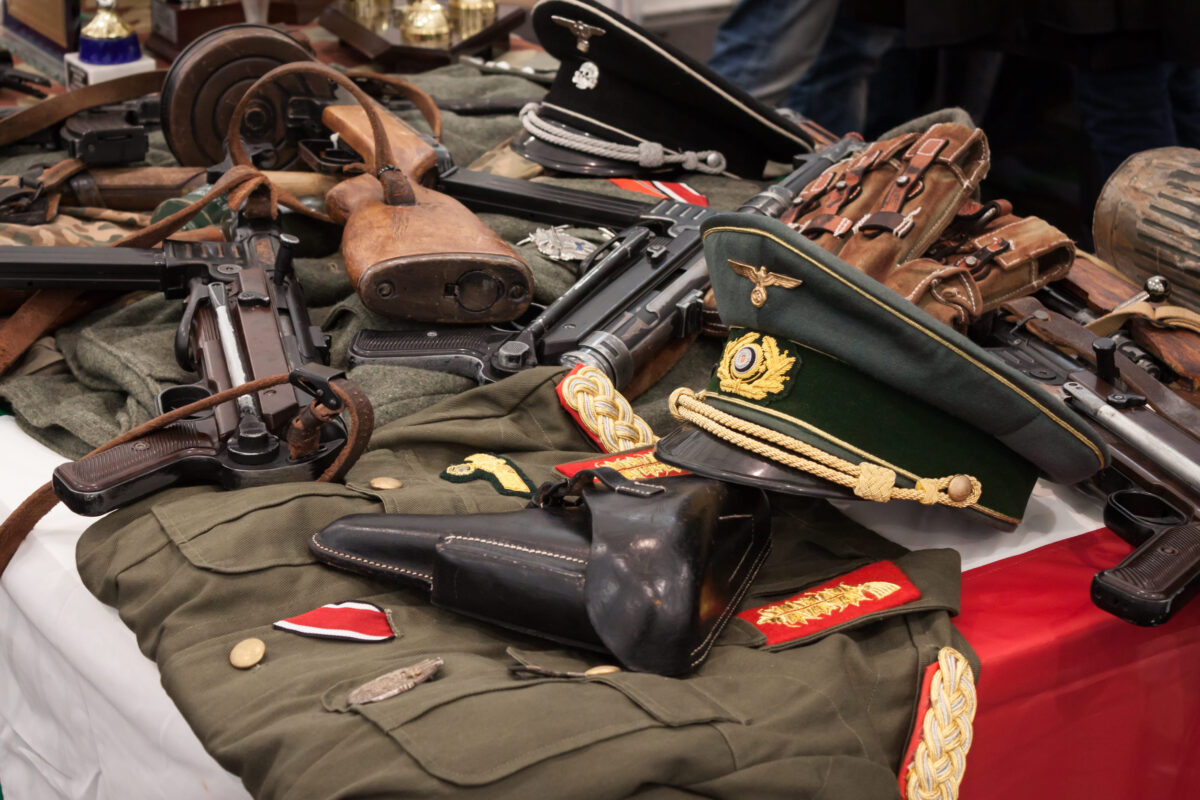
Nazi Germany entered the war with powerful weapons and skilled engineers, but Hitler’s economic decisions were often wasteful and chaotic. The regime chased too many miracle weapons, favored complex designs, and struggled to produce enough reliable equipment at scale. Germany built impressive tanks and aircraft, but many were expensive, difficult to repair, and slow to manufacture.
The Allies won partly because they could produce more of what mattered. The Soviet Union built huge numbers of tanks and artillery. The United States produced ships, trucks, planes, and supplies at astonishing speed. Germany, meanwhile, faced fuel shortages, bombing raids, labor problems, and competing military priorities. Hitler wanted dramatic weapons and symbolic victories, but modern war rewarded production, logistics, and endurance.
Interfering With Military Strategy Too Much
Hitler increasingly acted as his own supreme military genius, even when reality proved otherwise. Early victories led him to believe his instincts were better than those of trained commanders. As the war turned against Germany, he became more controlling, suspicious, and unrealistic.
This interference damaged German decision-making. Generals who disagreed risked being ignored, removed, or worse. Hitler often focused on maps, symbols, and political fantasies rather than on battlefield conditions. He demanded impossible attacks, delayed necessary withdrawals, and treated every setback as a failure of will. By the final years of the war, Germany’s military leadership was trapped under a dictator who confused stubbornness with strategy.
Conclusion
Hitler’s biggest mistakes were not random accidents. They flowed from the same forces that defined Nazism itself: arrogance, hatred, fantasy, and contempt for human life. He started wars he could not finish, underestimated enemies he despised, and sacrificed millions of lives rather than admit failure. His regime could win battles through speed and violence, but it could not build a stable path to victory.
Nazi Germany lost because it made enemies faster than it could defeat them. It fought Britain, the Soviet Union, and the United States at the same time, then wasted its strength through cruelty, bad planning, and delusional leadership. Hitler wanted domination, but his own decisions helped bring ruin to the country he claimed he would make powerful. In the end, the war exposed a brutal truth: a regime built on hatred may destroy many lives, but it also carries the seeds of its own collapse.