8 Kitchen Rules Grandma Lived By That Would Save Families Money Today
Grandma never used a budgeting app. She did not follow money-saving influencers or clip digital coupons on her phone. Yet somehow, she managed to feed a large family on a small income, and she rarely wasted a single crumb.
Her secret was a set of simple kitchen rules that she followed every day. Many grandmothers learned these habits during the Great Depression and World War II, when food was scarce and every penny counted. Those lessons stayed with them for the rest of their lives.
With grocery prices still stretching many family budgets, Grandma’s rules are more relevant than ever. Here are eight kitchen rules Grandma lived by that could save families real money today.
1. Plan Your Meals Before You Shop
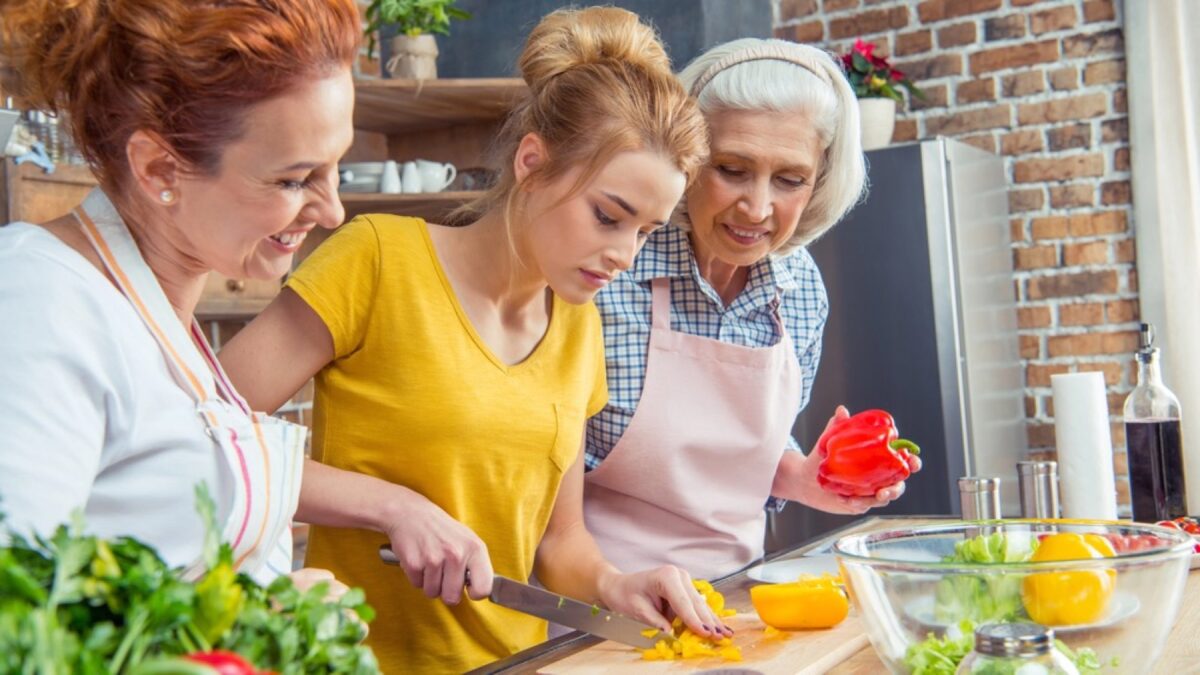
Grandma rarely walked into the grocery store without a plan. She knew what meals she would make for the week and bought only what she needed. Her list was often written on the back of an envelope.

Meal planning helps prevent impulse purchases and reduces food waste. When you know exactly what you need, you are less likely to buy things that end up spoiling in the refrigerator. It is one of the simplest ways to cut a grocery bill.
2. Use Leftovers Creatively
In Grandma’s kitchen, leftovers were never boring. Sunday’s roast became Monday’s sandwiches and Tuesday’s hash. Leftover vegetables went into soup, and stale bread became bread pudding or stuffing.
Many families today throw away large amounts of food. According to the USDA, food loss and waste at the retail and consumer levels is estimated at 30 to 40 percent of the food supply. Using leftovers creatively, the way Grandma did, can save a family a significant amount of money every month.
3. Cook From Scratch
Grandma made most of her meals from scratch. She baked bread, made her own sauces, and cooked soups from bones and vegetable scraps. Packaged and convenience foods were considered a luxury.
Cooking from scratch is usually much cheaper than buying prepared foods. A homemade pot of soup or a loaf of bread costs a fraction of the store-bought version. It also gives you more control over what goes into your food.
4. Buy in Season
Grandma bought fruits and vegetables when they were in season and plentiful. She made strawberry jam in June, canned tomatoes in August, and baked apple pies in the fall. Out-of-season produce was expensive, so she simply went without it.
Buying produce in season is still one of the best ways to save money. Seasonal fruits and vegetables are usually cheaper, fresher, and more flavorful. Freezing or canning extra produce helps it last for months.
5. Waste Nothing
Grandma believed that wasting food was almost a sin. She saved bacon grease, used vegetable peels for broth, and turned overripe bananas into banana bread. Even chicken bones were simmered into stock.
This rule is one of the most powerful money savers in the kitchen. Finding a use for scraps and leftovers can dramatically reduce your grocery spending. It also helps reduce the amount of food that ends up in landfills.
6. Stretch the Meat
Meat was expensive, so Grandma found ways to make a little go a long way. She added bread crumbs or oatmeal to meatloaf, mixed ground beef with beans in chili, and served smaller portions of meat with plenty of vegetables and starches.
Stretching meat is a smart strategy today, especially with beef prices so high. Adding beans, lentils, rice, or vegetables to meat dishes makes them more filling and affordable. Many families find they do not even miss the extra meat.
7. Keep a Well-Stocked Pantry
Grandma’s pantry was always full of staples like flour, sugar, rice, dried beans, canned goods, and spices. With these basics on hand, she could make a meal even when money was tight or the weather kept her at home.
A well-stocked pantry allows you to take advantage of sales and avoid last-minute trips to the store. Buying staples in bulk when they are on sale can save money over time. It also means you are always ready to cook a simple meal.
8. Never Shop Hungry
Grandma had a saying that many families still repeat: never go grocery shopping on an empty stomach. When you are hungry, everything looks good, and you are more likely to buy snacks and treats you do not need.
This simple rule can help keep your grocery bill under control. Eating before you shop helps you stick to your list and avoid impulse purchases. It is a small habit that can make a big difference.
Putting Grandma’s Rules to Work
The easiest way to start is to pick one rule and practice it for a month. Planning meals for the week, for example, can quickly cut down on wasted food and extra trips to the store. Once that becomes a habit, adding another rule, such as cooking from scratch two nights a week, feels much easier.
It also helps to involve the whole family. Children can help plan meals, write the shopping list, and come up with creative ways to use leftovers. These lessons teach kids the value of money and food, just as Grandma taught her own children.
Tracking your grocery spending before and after can be motivating, too. Many families are surprised by how much they save once they start using leftovers, buying in season, and avoiding impulse purchases. Grandma knew how to make every dollar do double duty, and her approach still works today. Pair her rules with a few modern cheap hacks for flavor, and you may find that eating well on a budget is easier than you thought.
Grandma Knew Best
Grandma’s kitchen rules were born out of necessity, but they are just as useful today. They help families save money, reduce waste, and eat healthier, home-cooked meals. Many of these habits are making a comeback among younger generations who are discovering their value.
Pick one of Grandma’s rules to try this week, then add another next month. Her habits fed families through hard times, and they can stretch your budget too.