Why Pittsburgh’s Primanti-Style Sandwiches Put French Fries Right Inside the Bread
In Pittsburgh, ordering a sandwich can mean getting the side dishes tucked between the bread. At Primanti Bros., French fries and coleslaw join the meat, cheese, and tomato rather than waiting politely beside them. The restaurant traces that arrangement to its early customers in the Strip District, where truck drivers and shift workers needed something substantial and portable. But the familiar explanation has a wrinkle: the story about rushed steelworkers isn’t the best-supported version of how it began.
The answer to why the fries go inside is partly a restaurant origin story and partly a practical explanation that developed around it. According to Primanti Bros., a batch of potatoes prompted customers to request them on their sandwiches, and the combination caught on. Keeping the fries and slaw between the bread also made the meal an all-in-one package. What cannot be pinned down with the same confidence is every detail of that first potato delivery, or the image of someone steering a truck while eating the result.
The Sandwich Started in a Working Neighborhood, Not a Test Kitchen
Primanti Bros. traces its beginnings to Joe Primanti’s small sandwich cart during the Great Depression. Strong sales allowed him to open a storefront in 1933 in Pittsburgh’s Strip District, a neighborhood bustling with commercial activity. The business fed truck drivers and shift workers on schedules that fit their hours, rather than limiting itself to a conventional lunchtime crowd. That setting matters because the sandwich’s story is closely connected to the people moving goods through the neighborhood.
When Saveur writer Allie Wist investigated the sandwich’s origins, Primanti Bros. representative Ryan Wilkinson pointed her toward the produce trade, not the steel mills. “It was actually for the guys working the produce terminals and the docks down in the strip when it was a bustling area back in the early part of the last century,” he said. Wist reported that the original restaurant stood beside produce warehouses and primarily served truck drivers arriving with deliveries. That is a more specific explanation than the broad label “a steelworkers’ lunch.”
The timing also complicates the familiar lunch-break legend. Saveur reported that the early restaurant operated from 11 p.m. to 11 a.m., making it a stop for overnight and early-morning workers. That does not mean a steelworker never ate there; it means the evidence presented in that reporting does not support identifying mill workers as the sandwich’s original intended audience. Pittsburgh’s industrial identity helps explain why the alternative story sounds plausible, but plausibility is not the same as documentation.
A Load of Potatoes Became the Most Famous Part of the Meal
The restaurant’s own account credits Joe Primanti’s nephew, John DiPriter, with the potato experiment. “One winter someone drove up with a load of potatoes,” DiPriter recalled, according to the company’s history. “He brought them over to the restaurant to see if they were frozen.” DiPriter said he fried the potatoes on the grill, customers asked for them, and he put them on the sandwich, an unusually modest explanation for a combination that became a city signature.
A useful distinction separates that recollection from the larger legend built around it. The company says the sandwich’s popularity let drivers eat with one hand while driving with the other, but that is its origin narrative, not independently verified proof that customers routinely ate that way. In a 2024 Pittsburgh City Paper feature, the restaurant and then-CEO Adam Golomb could not confirm every circulating version. The potato anecdote deserves attribution, not embellishment with an invented date, named delivery driver or dramatic first bite.
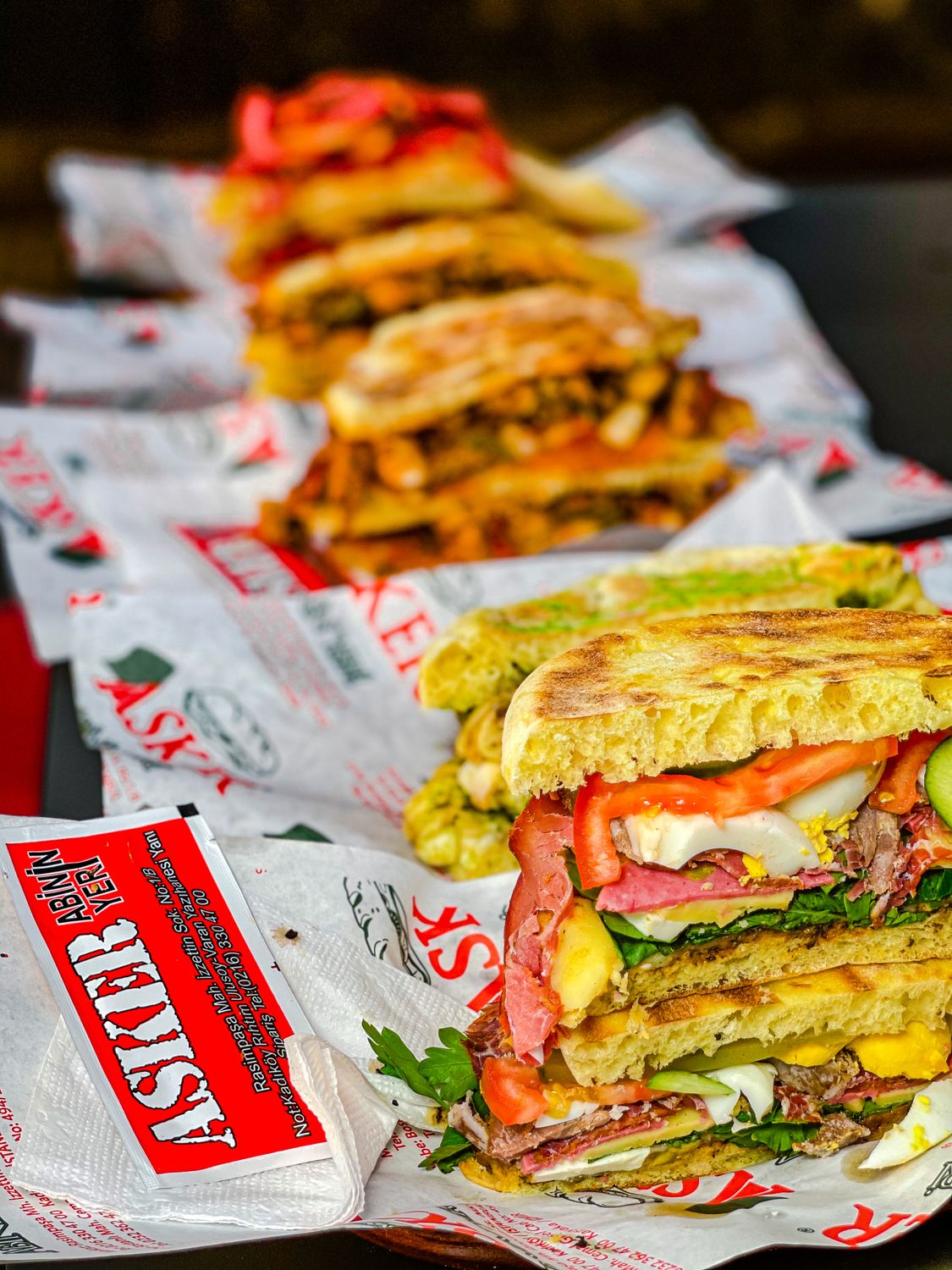
What is clear is the sandwich’s construction. Smithsonian describes grilled meat and tomato stacked with French fries and coleslaw between slices of Italian bread, while Saveur also identifies provolone and vinegar-based slaw as defining components. The fries aren’t an optional decorative handful scattered across the plate; they sit in the same stack as the other fillings. The difference is structural: ingredients that elsewhere might arrive as separate sides become part of each bite.
That also explains why “Primanti-style” describes more than putting potatoes into any sandwich. The recognizable combination includes thick Italian bread, meat and cheese, fries, and tangy slaw, not just fries. Saveur notes that other regional restaurants also make Pittsburgh sandwiches with fries and coleslaw. The name has therefore come to signal a particular arrangement of familiar ingredients, even when the sandwich is not being served at a Primanti Bros. counter.
Related; 10 Weird Sandwiches From History, Ranked By How Much You Want To Try Them
How an All-in-One Sandwich Became a Pittsburgh Calling Card
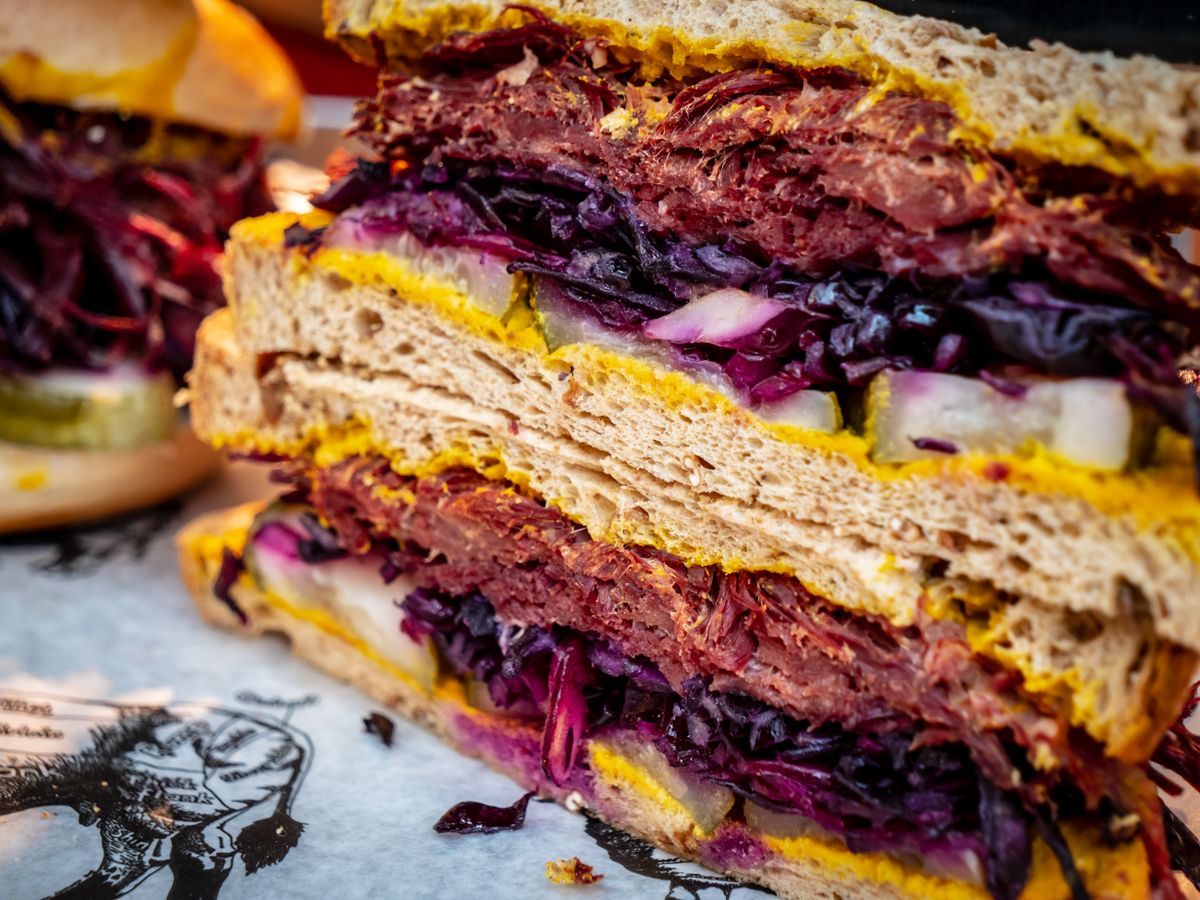
The sandwich’s reputation eventually traveled well beyond the produce warehouses. Saveur documented national exposure through the Travel Channel and Food Network’s Man v. Food, while Pittsburgh City Paper described the ritual of taking visiting friends and relatives to the original restaurant. Its recognizable stack made it easy to present as a local experience: this was not merely somewhere to eat, but something a visitor was expected to try. For Pittsburghers, that visibility also attached the sandwich more firmly to the city’s identity.
That attachment does not mean every resident considers it untouchable. Pittsburgh City Paper’s feature openly explored both affection for Primanti’s and criticism that it is overrated, while Golomb defended the brand’s broad appeal. “We’ve hosted presidents and kings and we’ve hosted the everyday man,” he told the publication. He wasn’t saying everyone orders the same filling, but that the restaurant appeals to different kinds of customers a claim consistent with its role as both a neighborhood institution and a destination for visitors.
Golomb also described the challenge of explaining the sandwich in unfamiliar markets, where customers sometimes requested everything on the side. That response gets to the heart of what makes Primanti-style sandwiches distinctive: separating the fries and slaw changes the very arrangement that made them recognizable. Pittsburgh didn’t just add a bigger side order; it put the side order into the sandwich. The documented history points back to the Strip District’s working customers, while the potato-delivery story remains the restaurant’s account of how that signature move began.
Other Post You Might Also Like
.7 Foods You Should Never Store in the Fridge Door, According to Food Safety Experts
.You’re Probably Not Refrigerating These 10 Foods, and It Could Cost You Your Health