9 Rude Behaviors That Can Completely Ruin a Potluck
Potlucks are meant to be joyous, community-driven occasions where friends, family, and even strangers gather to share food, stories, and laughter. The idea behind a potluck is simple yet profound: everyone contributes something to the feast, making it a communal effort that emphasizes sharing and inclusivity. However, despite their seemingly innocent nature, potlucks are often fraught with potential social faux pas and awkward moments. Rude behavior at potlucks can cast a shadow over what should otherwise be a pleasant experience for all involved.
While most people understand basic social rules, the unique, informal nature of potlucks can lead to behavior that ranges from inconsiderate to downright disrespectful. So, what are some of the rude behaviors that can spoil a potluck, and how can we avoid them? Let’s dive into the common missteps that can easily sour the mood of a perfectly good potluck gathering.
Overlooking RSVP and Contribution Expectations

RSVPing for a potluck is essential to the event. When you’re invited to a potluck, you’re essentially being asked to contribute to the meal. Failing to respond to the RSVP or showing up without the promised dish is one of the most disrespectful actions you can take. It puts the host in an uncomfortable situation where they may need to scramble to fill in gaps in the meal, leaving others to go without. It’s important to remember that potlucks thrive on the idea of balance and cooperation. When someone fails to show up with their dish, the communal spirit of the gathering is undermined.
Moreover, bringing something out of place or that doesn’t fit the event’s theme can be problematic. For example, if the host is asking for salads and sides, showing up with dessert or a dish that requires extensive preparation can throw off the dynamics. It’s always polite to double-check with the host to see what kind of contribution is expected and plan accordingly. At the very least, communicate any issues that might prevent you from fulfilling your promise to bring a dish.
Taking More Than Your Fair Share

Potluck events rely on a sense of fairness, where everyone contributes and gets their share. One of the most glaring examples of rude behavior at a potluck is taking more than your fair share of food. It might seem harmless at first glance, but when a few guests take more than others, it leaves fewer options for those who are last in line.
Sometimes, this behavior happens inadvertently, especially if the dishes are incredibly tempting, but it can also be a conscious decision to “take advantage” of the situation. This is especially disrespectful when it comes to special dishes or homemade meals that the host or other attendees have spent considerable time and effort preparing. To avoid this, practice moderation and consider others when serving yourself. Remember, potlucks are meant to be communal, and sharing means everyone gets a taste of each dish.
Showing Up Late Without Notice
Timing is crucial in any event, and a potluck is no exception. Arriving late without informing the host is another form of rude behavior that can cause significant disruption. Potluck events often have an unwritten schedule; people want to eat while the food is still fresh and hot. If you show up after the food has already been served, you may disrupt the meal by making others wait for you to start, or by potentially running out of the best dishes.
If you know you’ll be late, it’s always courteous to inform the host in advance. If the event is at a friend’s house, consider bringing your dish even if it’s not the optimal time to eat—this ensures that everyone can enjoy it and no food goes to waste.
Criticizing the Food
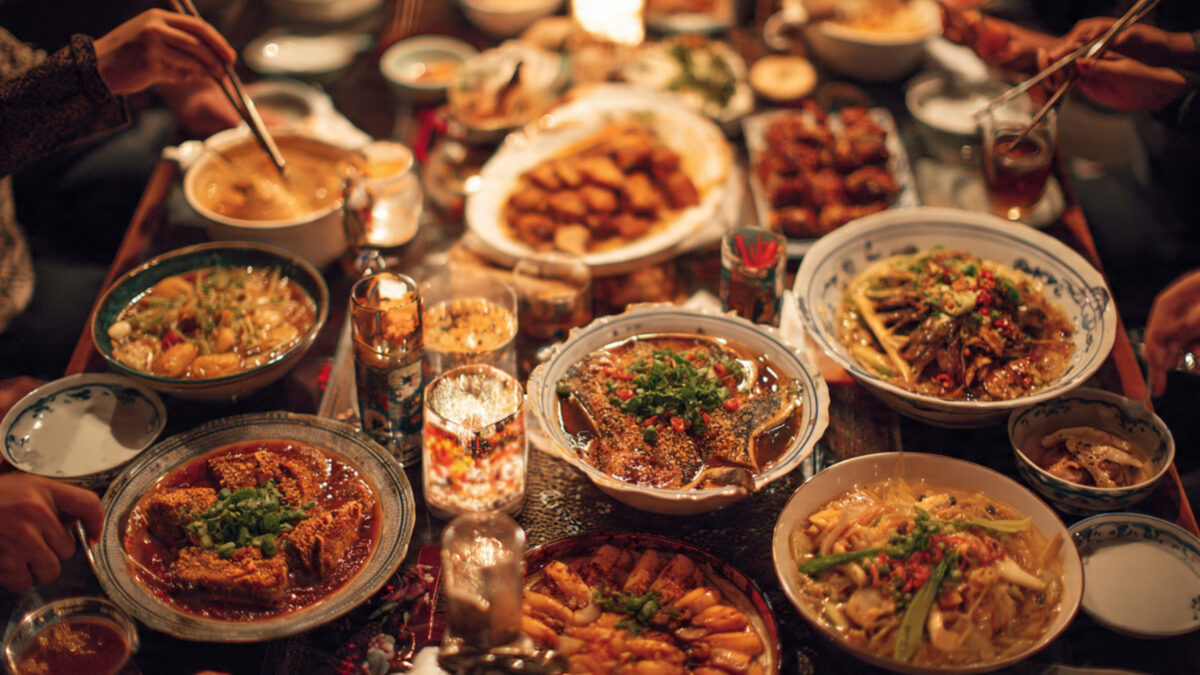
A potluck is a collaborative effort, and the diverse dishes can be a source of enjoyment for everyone involved. However, criticizing the food at a potluck is unwelcome and can sour the mood. Even if you don’t enjoy a dish, it’s essential to be respectful and tactful in your responses. No one wants to feel like their effort in preparing and sharing a dish was wasted or unappreciated.
Constructive feedback can be given privately, but publicly criticizing someone’s cooking in front of others can be hurtful and embarrassing. The goal of a potluck is to celebrate the effort everyone put in and not to nitpick over small details. Acknowledge that different people have different tastes, and refrain from negative commentary.
Not Helping with Cleanup
The communal spirit that defines potlucks doesn’t end when the last plate is served. Cleaning up after the meal is another essential part of the event, but unfortunately, some attendees slip away without offering to help. Even if you’re not the host, it’s polite to offer to help clean up the space, especially if you have a dish to take home. Leaving the host to handle everything alone can be seen as inconsiderate.
If you can, pitch in by clearing plates, wiping down counters, or even helping with the dishwashing. A simple offer to help can go a long way in showing your appreciation for the event and the people who made it happen.
Disregarding Dietary Restrictions
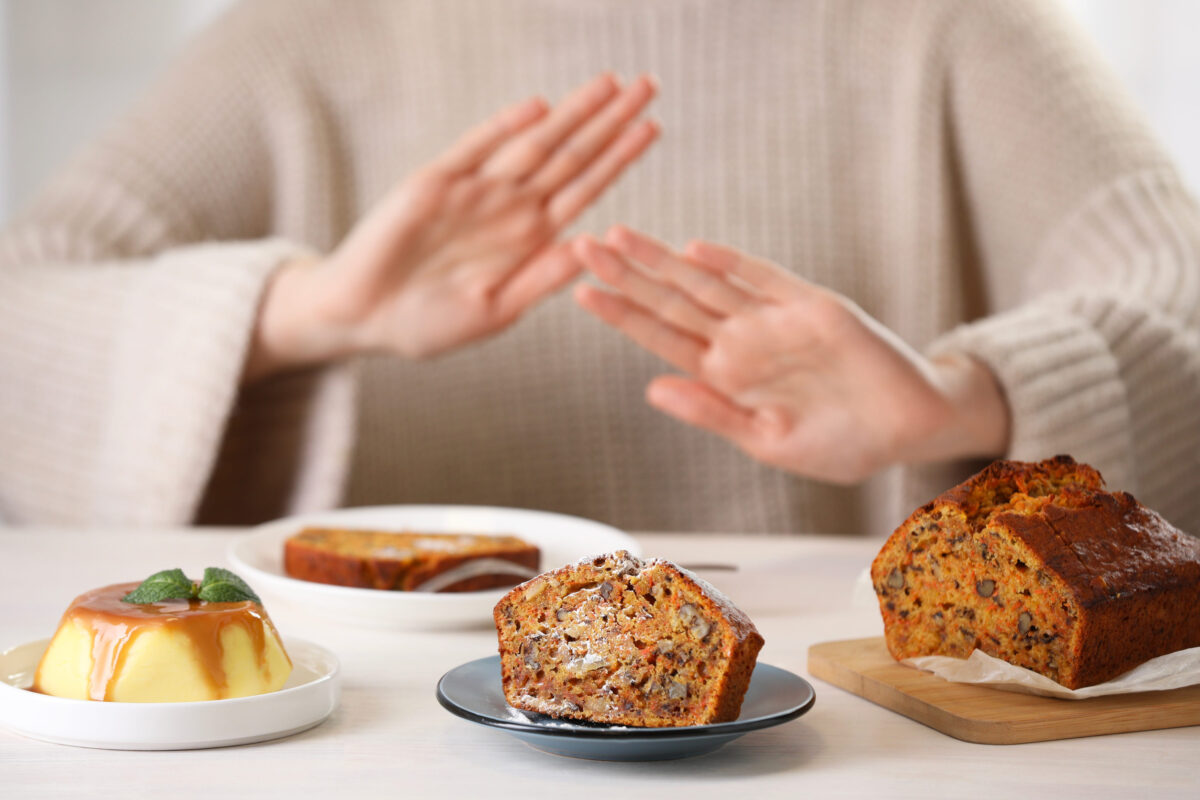
When attending a potluck, it’s important to consider others’ dietary restrictions and preferences. Whether it’s allergies, gluten sensitivities, vegan diets, or religious dietary laws, ignoring these needs can be seen as a selfish and inconsiderate move. It’s crucial to ask the host or other guests about dietary needs beforehand and ensure that your dish is safe for everyone to eat.
Bringing a dish that’s filled with common allergens or ingredients others can’t eat might unintentionally make someone feel excluded or even get them sick. If you’re unsure about what others can or cannot eat, err on the side of caution by choosing neutral options or clearly labeling your dish so that everyone can make an informed choice.
Bringing Store-Bought Instead of Homemade
While potlucks are meant to celebrate homemade cooking and creativity, some guests opt for the easy route and bring store-bought food. This isn’t necessarily a deal-breaker if it’s a last-minute situation, but consistently bringing store-bought items when everyone else has put in the effort to cook can come off as lazy or thoughtless.
Potluck gatherings are about community and contribution. While it’s perfectly okay to occasionally bring store-bought items, it’s a good idea to make the effort to prepare something homemade when possible. If you must bring something pre-made, consider adding a personal touch, like toppings or creative dressing, so it feels more like your contribution.
Talking Too Much About Diets and Restrictions
While it’s important to be mindful of dietary preferences, it’s equally important to avoid dominating conversations about personal dietary choices. Constantly discussing your specific diet, whether it’s low-carb, keto, paleo, or gluten-free, can make others feel uncomfortable or alienated. Not everyone at the potluck is interested in hearing about the latest diet trend, and constantly talking about it can take away from the communal nature of the gathering.
While it’s polite to mention dietary restrictions if asked, don’t go overboard with explaining or promoting them. Let others enjoy the food without feeling pressured by dietary judgment. Potlucks should be about coming together, not about competing over who has the healthiest lifestyle.
Not Bringing Enough for Everyone
Another key aspect of potlucks is ensuring that there’s enough food for everyone. It’s frustrating when one person brings a small dish that barely serves anyone or underestimates the number of guests, leaving others hungry. Potluck dishes should be large enough to provide a good portion for everyone attending. It’s always better to overestimate the amount you need than to bring too little.
If you’re unsure, ask the host for an estimate of how many people will be attending and adjust accordingly. A general rule of thumb is to make enough to feed the expected number of guests, plus a little extra in case more people show up. No one should feel like they’re missing out on a meal because someone else didn’t prepare enough food.
Conclusion
A potluck should be a fun, inclusive experience where everyone feels appreciated and welcomed. While rude behavior can certainly disrupt the flow of the event, the good news is that it’s easily avoidable by keeping a few simple etiquette guidelines in mind. Respecting the host’s time, bringing a thoughtful dish that aligns with the event, sharing the food fairly, and helping with cleanup will ensure the potluck is a success for all involved.
By keeping the focus on kindness, generosity, and shared enjoyment, potlucks can remain the heartwarming, fun-filled gatherings they’re meant to be. It’s a celebration of food, community, and the joy that comes from coming together to share both.