8 Animals That Killed Some of History’s Most Famous Figures
Power doesn’t make you untouchable; it just makes your downfall more shocking. Throughout history, kings, emperors, and presidents have commanded vast armies and bent nations to their will. Yet, some of the most powerful figures ever to live weren’t undone by rival armies or political conspiracies, but by animals.
From tiny creatures to towering beasts, these unexpected encounters didn’t just wound egos; they altered the course of history. In moments both bizarre and tragic, instinct triumphed over authority, reminding the world that power has limits. These are the astonishing stories of when nature refused to bow, and powerful leaders paid the price.
Deer

King Christian V of Denmark was known for his passion for par force hunting, a dangerous sport that often involved chasing and killing deer. In November 1698, Christian, eager to prove his dominance, dismounted from his horse to deliver the final blow to a red deer.
However, the deer was not yet fully exhausted. As he approached the animal, it violently kicked him, causing severe injuries. The king died a year later from the wounds. His death marked the end of a dangerous era of royal hunting, and par force hunting was banned in Denmark in the 18th century as a result.
Sparrow
In 1958, Chinese leader Mao Zedong initiated the “Four Pests Campaign,” which sought to eliminate pests that Mao believed were harming agricultural production. Sparrows were targeted for their role in eating grain, and citizens were encouraged to kill as many as possible. Over the course of the campaign, an estimated two billion sparrows were killed.
However, without sparrows to control insects, locust and rice borer populations exploded, resulting in widespread crop destruction. The unintended ecological disaster led to a devastating famine, and the campaign became one of the most disastrous decisions in Chinese history.
Monkey
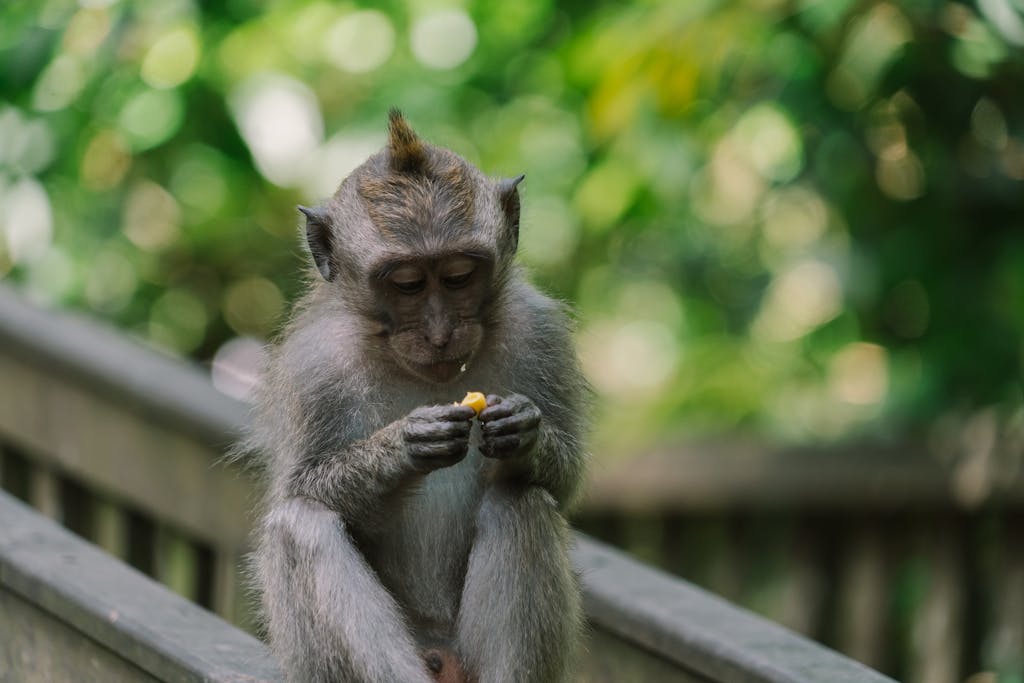
In a tragic twist of fate, King Alexander of Greece met his end due to a monkey bite. While walking with his dog near the royal palace in October 1920, a Barbary macaque attacked the dog. In trying to break up the fight, the king was bitten by the monkey. The bites became infected, and despite medical intervention, Alexander died three weeks later.
His sudden death destabilized Greece and threw the nation into political turmoil. What began as an innocent moment with a palace pet ended with one of the most bizarre royal deaths in history.
Swarm of Rabbits
Napoleon Bonaparte, a name synonymous with military genius and battlefield victories, faced an unexpected adversary: domesticated rabbits. In 1807, after France’s victory over Russia, Napoleon organized a massive rabbit hunt to celebrate the occasion. Thousands of rabbits were released, but instead of scattering in fear, they charged towards Napoleon and his guests.
These were tame rabbits, used to being fed by humans, and they mistook the gathering for another feast. In a rare moment of vulnerability, Napoleon was forced to retreat to his carriage as the rabbits relentlessly swarmed him, proving that even the great emperor could be overwhelmed by the most unlikely of foes.
Whale
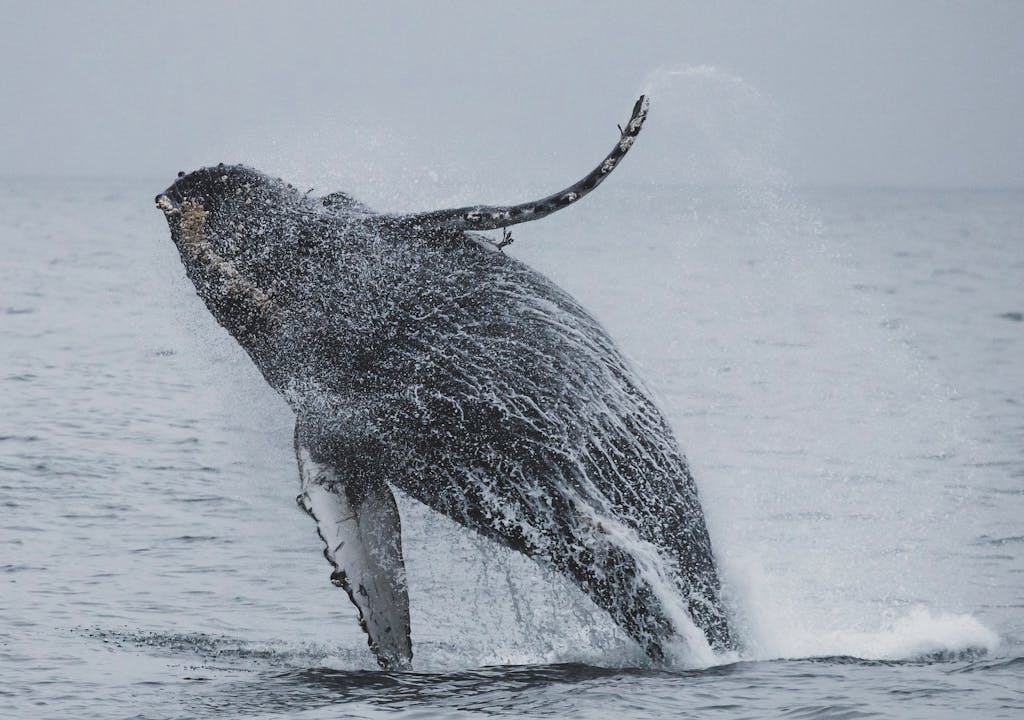
Emperor Justinian I, known for his grand reforms and the construction of the Hagia Sophia, faced an unexpected nemesis in the form of a whale. A massive creature named Porphyrius terrorized the Bosporus Strait for years, disrupting trade and capsizing ships.
Despite numerous failed attempts to capture or kill the whale, Justinian’s empire was powerless against the unstoppable force of nature. The whale’s reign of terror only ended when it beached itself and died, but it had already become a symbol of Justinian’s inability to control everything within his reach.
Pig
On October 1, 1131, Prince Philippe, heir to the French throne, met a tragic end in a bizarre accident involving a pig. While riding through the narrow streets of Paris, Philippe startled a pig, which ran directly into his horse’s path.
The startled horse threw him to the ground, causing the prince’s head to strike a stone. The injuries were fatal, and Philippe died from the blow. The tragedy led to strict regulations in Paris, banning pigs from the streets and catalyzing urban reform in the city.
Dog

President Franklin D. Roosevelt’s German Shepherd, Major, became infamous for his biting incidents. During a visit in 1933 from British Prime Minister Ramsay MacDonald, Major suddenly lunged and bit the prime minister’s trousers. While the Prime Minister was unharmed, the incident was a public embarrassment.
Major’s aggressive behavior was well known, and his biting spree had already led to several other incidents. After the attack, Major was relocated to Roosevelt’s estate, far from the White House. Major’s poor behavior became a symbol of political tensions between the United States and Germany at the time.
Elephant
Pope Leo X was gifted an albino elephant named Hanno by King Manuel I of Portugal in 1514. The animal quickly became a sensation in Rome, drawing crowds and inspiring artworks. However, Hanno also became a symbol of the Catholic Church’s lavishness and excesses, particularly amid growing criticism from Protestant reformers.
The elephant’s presence at the Vatican fueled the criticisms of Martin Luther and other dissenters, contributing to the Reformation. Hanno’s premature death, caused by a gold-infused medicine intended to treat his illness, cemented his role in history as a symbol of the Church’s excesses.
Conclusion
These strange and often unsettling stories reveal a simple truth: no amount of power can shield anyone from the unpredictability of life. Whether it was a monkey’s bite, a swarm of rabbits, or a miscalculated campaign against sparrows, each incident exposed the fragile humanity behind positions of immense authority.
In many cases, these encounters didn’t just embarrass leaders; they reshaped policies, destabilized nations, and left lasting marks on history. In the end, these moments serve as a humbling reminder that control is often an illusion. Even at the height of power, the smallest forces, or the most unexpected ones, can change everything.