The 6 Worst Foods to Eat If You Have a Sensitive Stomach
Having a sensitive stomach can turn even the most enjoyable meals into uncomfortable experiences. Bloating, indigestion, heartburn, and general discomfort can quickly sour a delightful dinner.
Whether it’s from food intolerance, acid reflux, or just an overly sensitive digestive system, the struggle is real. For those with a sensitive stomach, it’s essential to know which foods to avoid to maintain comfort and well-being. If you’re tired of enduring the discomfort after meals, here are six of the worst foods you should steer clear of.
Spicy Foods
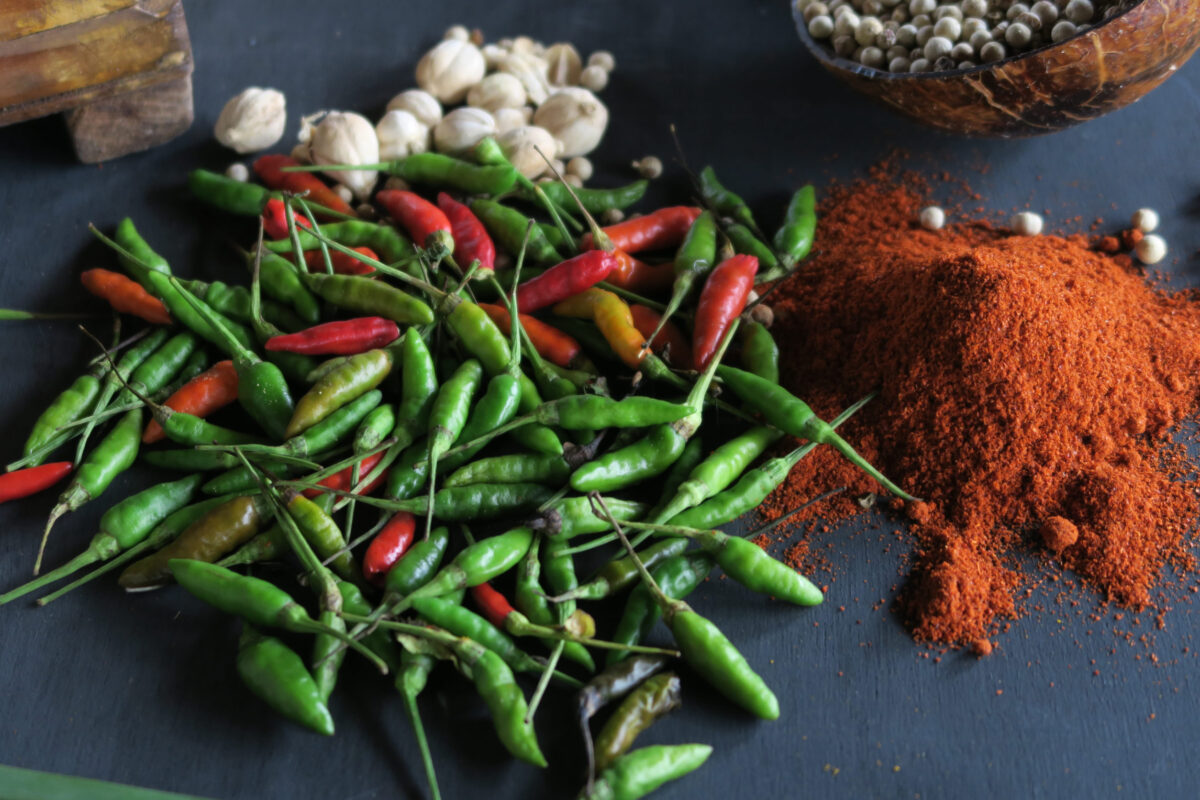
Spicy foods can be exhilarating for the taste buds, but they can wreak havoc on a sensitive stomach. Hot peppers, spicy sauces, and dishes that are packed with chili can stimulate the production of stomach acid. For people with conditions like acid reflux, this can exacerbate symptoms such as heartburn, regurgitation, and chest discomfort. Even for those without acid reflux, the capsaicin in spicy foods can irritate the stomach lining, leading to cramping and bloating.
If you love a bit of heat, consider milder alternatives, such as herbs like basil or oregano. These provide flavor without triggering the digestive system. It’s best to enjoy spicy foods in moderation or avoid them altogether if you are prone to stomach issues.
Dairy Products
Dairy can be a major culprit for those with a sensitive stomach, particularly for those who are lactose intolerant. Even if you don’t have full-blown lactose intolerance, consuming dairy can cause discomfort in the form of bloating, cramps, and diarrhea. Milk, cheese, yogurt, and cream can all be hard to digest for some individuals because they contain lactose, a sugar that requires an enzyme (lactase) to break it down.
If dairy causes discomfort, consider lactose-free options, plant-based milk (such as almond, soy, or oat milk), or dairy alternatives like vegan cheeses. These substitutes can provide the creamy texture and taste you’re used to without causing digestive distress.
Fried and Fatty Foods

Fried foods are a significant trigger for those with a sensitive stomach, and for good reason. These foods tend to be high in fat, which can slow down digestion. The slower the digestive process, the longer food sits in the stomach, increasing the risk of bloating, gas, and indigestion. In addition, fatty foods can stimulate bile secretion, which can irritate the stomach lining and trigger acid reflux symptoms.
If you have an upset stomach, it’s better to choose grilled, baked, or steamed foods. For example, grilled chicken or roasted vegetables are easier on the stomach than their fried counterparts. Fatty cuts of meat, such as bacon or fatty steaks, should also be limited or avoided.
Citrus Fruits
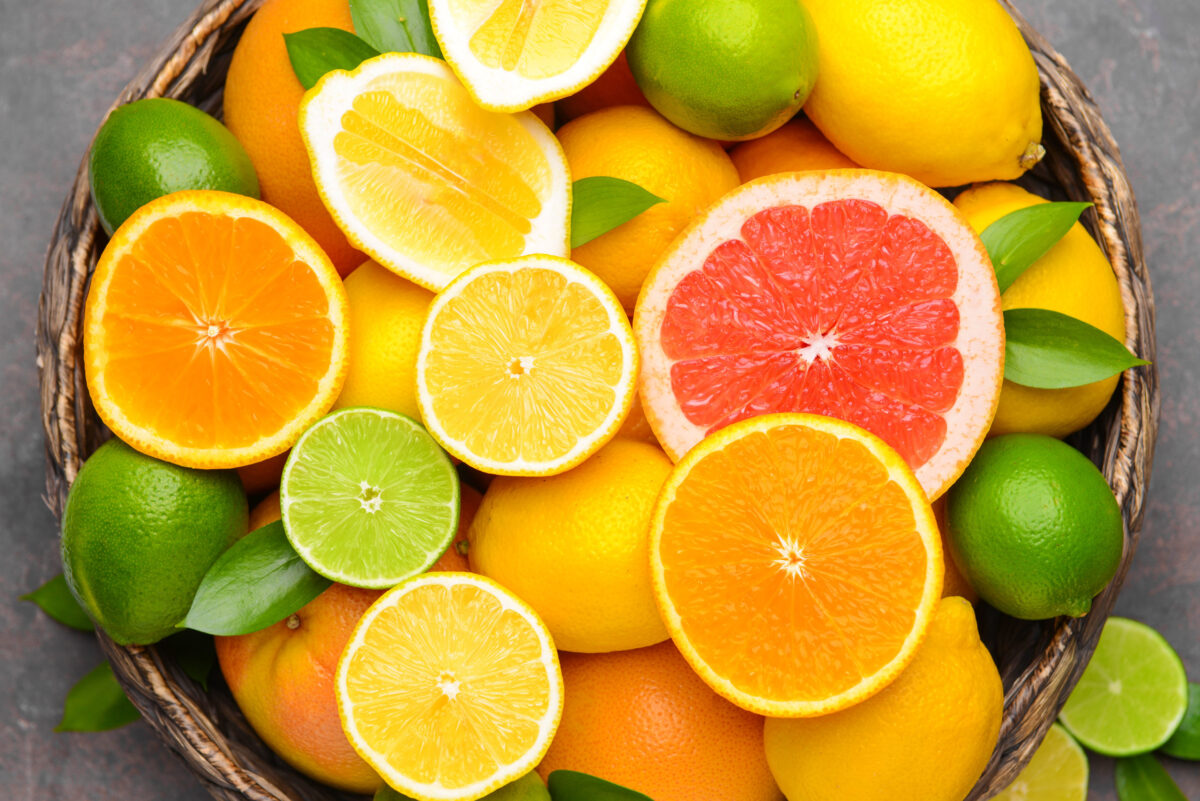
Citrus fruits like oranges, lemons, grapefruits, and limes are packed with vitamin C, but they’re also high in acidity. This acidity can be problematic for individuals with a sensitive stomach, as it can irritate the esophagus and stomach lining. For those with acid reflux or gastritis, citrus fruits can trigger heartburn, indigestion, and an uncomfortable burning sensation in the chest.
If you’re craving something tangy, try low-acid fruits like bananas, melons, or apples. These alternatives provide vitamins and minerals without the acidity that can trigger discomfort.
Carbonated Beverages

While soda, sparkling water, and other carbonated beverages may seem refreshing, they can create a series of issues for individuals with a sensitive stomach. The carbon dioxide in these drinks can cause bloating, gas, and stomach distention. The bubbles in carbonated drinks can also contribute to gas buildup in the digestive tract, leading to discomfort and a greater feeling of fullness.
Sodas and sparkling drinks are also often high in sugar and artificial sweeteners, which can further irritate the digestive system and cause an upset stomach. If you want to stay hydrated without discomfort, try drinking flat water or herbal teas like ginger or peppermint, both known for their stomach-soothing properties.
Processed and Packaged Foods
Processed foods, such as fast food, ready-to-eat meals, and packaged snacks, can be a significant strain on a sensitive stomach. These foods are often loaded with artificial preservatives, added sugars, unhealthy fats, and excess sodium,all of which can be difficult for your digestive system to handle. Preservatives like monosodium glutamate (MSG) and artificial sweeteners may also cause bloating, cramping, and diarrhea.
These foods tend to be low in fiber, which is essential for promoting healthy digestion. Instead of turning to processed meals, opt for whole foods like vegetables, lean proteins, whole grains, and legumes, which provide necessary nutrients without overloading the digestive system. Cooking meals from scratch also lets you control the ingredients and make dishes that are easier on the stomach.
Conclusion
If you suffer from a sensitive stomach, being mindful of what you eat is crucial to maintaining comfort and overall well-being. Spicy foods, dairy, fried items, citrus fruits, carbonated beverages, and processed foods are some of the worst offenders that can trigger discomfort and exacerbate stomach issues. However, with a bit of planning and awareness, it’s possible to find alternatives that are both nourishing and gentle on the digestive system.
While it may take time to discover what works best for your body, focusing on whole, natural foods like vegetables, lean proteins, and non-acidic fruits can go a long way in alleviating symptoms. And remember, staying hydrated with water and herbal teas can also help soothe the stomach. By eliminating or limiting these trigger foods, you can help restore balance to your digestive system and enjoy a more comfortable, pain-free life.