9 Ordinary Things With Shockingly Different Legal Status Around the World
Some of the most ordinary things in daily life can become legal traps the moment we cross a border. A snack that feels harmless in one country can be banned in another. A drink sold casually at a farm can be heavily restricted somewhere else. A plastic bag, a vape pen, a baby name, or even a face covering can move from normal to punishable depending on the law of the land.
That is what makes global law so fascinating and sometimes unsettling. We often assume that ordinary items carry the same meaning everywhere, but governments see them through different lenses. Some countries focus on public order. Others prioritize safety, religion, health, national identity, environmental protection, or consumer rules. The result is a world where common objects can have surprisingly different legal status.
For travelers, parents, business owners, students, and curious readers, these differences are more than legal trivia. They show how culture, politics, history, and public safety shape everyday life. We may think we are carrying something simple, but local law may see it differently.
Chewing Gum Can Be Restricted in Singapore

Chewing gum may feel like one of the most harmless products in a handbag or pocket, but Singapore treats it very differently from many countries. The country is famous for strict cleanliness rules, and chewing gum became part of that story because of concerns about public nuisance, littering, and damage to public spaces.
In many places, gum is sold freely near supermarket counters. In Singapore, importing and selling most chewing gum is heavily restricted. The law does not mean that every person who chews gum will automatically be treated like a criminal. The major restrictions focus on importation, sale, and distribution, with limited exceptions for certain therapeutic, dental, and nicotine gums. Still, the legal status of gum in Singapore is a perfect example of how an ordinary product can become a public order issue.
Something that is casual in New York, London, Nairobi, or Toronto can become tightly controlled in a city that prioritizes cleanliness and civic discipline. This difference matters because travelers often misunderstand it. They may assume the ban is a myth or an exaggerated internet joke. It is not. Singapore’s rules on chewing gum show how a government can regulate even small, everyday habits when it believes they affect shared public space.
Kinder Surprise Eggs Can Be a Problem in the United States
A chocolate egg with a tiny toy inside sounds like childhood magic, but the United States has treated some versions of this treat as a safety concern. Traditional Kinder Surprise eggs contain a non-edible object inside the chocolate shell, and U.S. food safety law has long restricted confectionery products that fully enclose non-nutritive objects.
The concern is simple: a small toy inside food can create a choking hazard, especially for children. In many countries, Kinder Surprise eggs are ordinary sweets found in shops and airports. Families buy them casually, and children enjoy the surprise toy as part of the treat. In the United States, however, the same product has faced import restrictions. This has led to stories of travelers losing them at customs or being warned not to bring them into the country.
The legal contrast is striking because the product itself is neither exotic nor dangerous in appearance nor difficult to understand. It is just chocolate and a toy. Yet the U.S. legal system sees the combination differently from many other countries. That shows how consumer protection laws can turn a popular international snack into a restricted item.
Raw Milk Is Legal, Restricted, or Banned Depending on Location

Raw milk is another ordinary product with wildly different legal treatment. Some people view it as natural, traditional, and closer to farm life. Others see it as a public health risk because it has not been pasteurized to kill harmful bacteria. That divide has created a worldwide legal patchwork.
In the United States, federal law prohibits the sale of raw milk across state lines, but individual states decide whether and how it can be sold within their borders. Some states allow retail sales. Others allow farm sales. Some permit herd share arrangements. Others ban consumer sales altogether. That means a bottle of raw milk can be legal in one state and illegal to sell in another.
Canada takes a much stricter approach by prohibiting the sale of raw milk for human consumption. In parts of the United Kingdom, the rules also vary. England, Wales, and Northern Ireland allow limited sales under specific conditions, while Scotland bans the sale of raw drinking milk. This makes raw milk one of the clearest examples of how food law varies with public health priorities.
Vaping Can Be Legal in One Country and Banned in Another
Vaping shows how quickly a modern habit can become a legal battleground. In some countries, vape products are sold in shops with age limits, packaging rules, flavor restrictions, and advertising controls. In others, they are treated as a serious public health problem and banned outright.
Singapore has one of the strictest approaches. The purchase, possession, use, importation, sale, and distribution of e-cigarettes and vaporizers are prohibited. That means a vape pen that may be legally sold in parts of Europe or the United States can run afoul of the law in Singapore. The country has also increased enforcement as concerns grow around drug-laced vaping products and youth use.
This contrast shows how governments respond differently to the same technology. Some treat vaping as a harm reduction tool for smokers. Others see it as a gateway product, a youth addiction risk, or a public health threat. For travelers, the lesson is clear: a vape device should never be assumed legal just because it is common at home.
Plastic Bags Can Bring Harsh Penalties in Kenya

A plastic shopping bag may seem forgettable, but in Kenya it can carry serious legal consequences. Kenya introduced one of the world’s toughest plastic bag bans to fight pollution, protect livestock, reduce environmental damage, and clean up public spaces. The law targets the manufacture, importation, sale, and use of many plastic carrier bags.
The penalties are what made the law internationally famous. Violators can face large fines and possible jail time, especially those involved in manufacturing, importing, or distributing banned plastic bags. This is a sharp contrast with countries where plastic bags remain common or where shoppers simply pay a small fee at checkout.
Kenya’s law shows how environmental policy can transform an everyday convenience into a controlled product. The plastic bag moved from a simple shopping tool to a symbol of pollution, enforcement, and national environmental reform. It also reminds us that climate and waste laws can be far stricter in some places than visitors expect.
Baby Names Can Be Rejected in New Zealand
In some countries, parents have broad freedom to name their children almost anything they want. In others, the state places clear limits on names that may harm the child, offend public standards, include official titles, or create confusion. New Zealand is one of the best-known examples of a country with formal rules around baby name registration.
New Zealand does not simply maintain a dramatic list of forbidden names for entertainment. Its system allows creativity but rejects names that are offensive, unreasonably long, include symbols or numbers, or resemble official titles and ranks without adequate justification. Names connected to titles such as King, Prince, Justice, or Judge have often drawn scrutiny.
This can surprise people from countries with looser naming systems. A name that sounds stylish, royal, humorous, or bold to one parent may look legally inappropriate to a registrar. New Zealand’s approach treats a child’s name as more than a parental expression. It also considers dignity, social consequences, and official clarity.
Fireworks Are Festive in Some Places and Strictly Controlled in Others
Fireworks are common symbols of celebration in many countries, but their legal status can vary widely by location and season. In the United Kingdom, consumer fireworks are legal under specific rules, including age limits and restrictions on when they may be set off. It is against the law to set off fireworks in streets or public places, and nighttime use is restricted except on certain occasions.
In other countries, fireworks are even more tightly controlled. Some allow them only around the New Year celebrations. Some limit private use to certain categories. Others reserve more powerful fireworks for licensed professionals. The reason is clear: fireworks can injure people, frighten animals, start fires, and create public disturbance.
The legal lesson is that celebration does not erase regulation. A box of fireworks may look like a party supply, but the law may treat it as a controlled explosive product. What feels festive in one place can become illegal, dangerous, or expensive in another.
Public Drinking Can Be Normal or Punishable
Alcohol laws create some of the most surprising cultural differences in the world. In some countries, drinking a beer in a park or at a public festival may be socially accepted. In others, carrying an open container of alcohol in public can lead to fines, confiscation, or arrest. Even within one country, rules may change by state, city, beach, park, or transport system.
The United States is a strong example of varied open container laws. Many states and local jurisdictions restrict open containers in vehicles and public spaces, though details differ. Some cities allow public drinking in entertainment districts or during specific events, while others enforce strict bans.
Japan is often viewed differently because public drinking is generally more socially and legally tolerated, especially during seasonal gatherings such as cherry blossom viewing. The contrast shows how law and culture work together. A public drink can mean leisure in one society and disorder in another. Travelers should never assume that casual drinking rules travel with them.
Face Coverings Can Be Protected, Restricted, or Banned
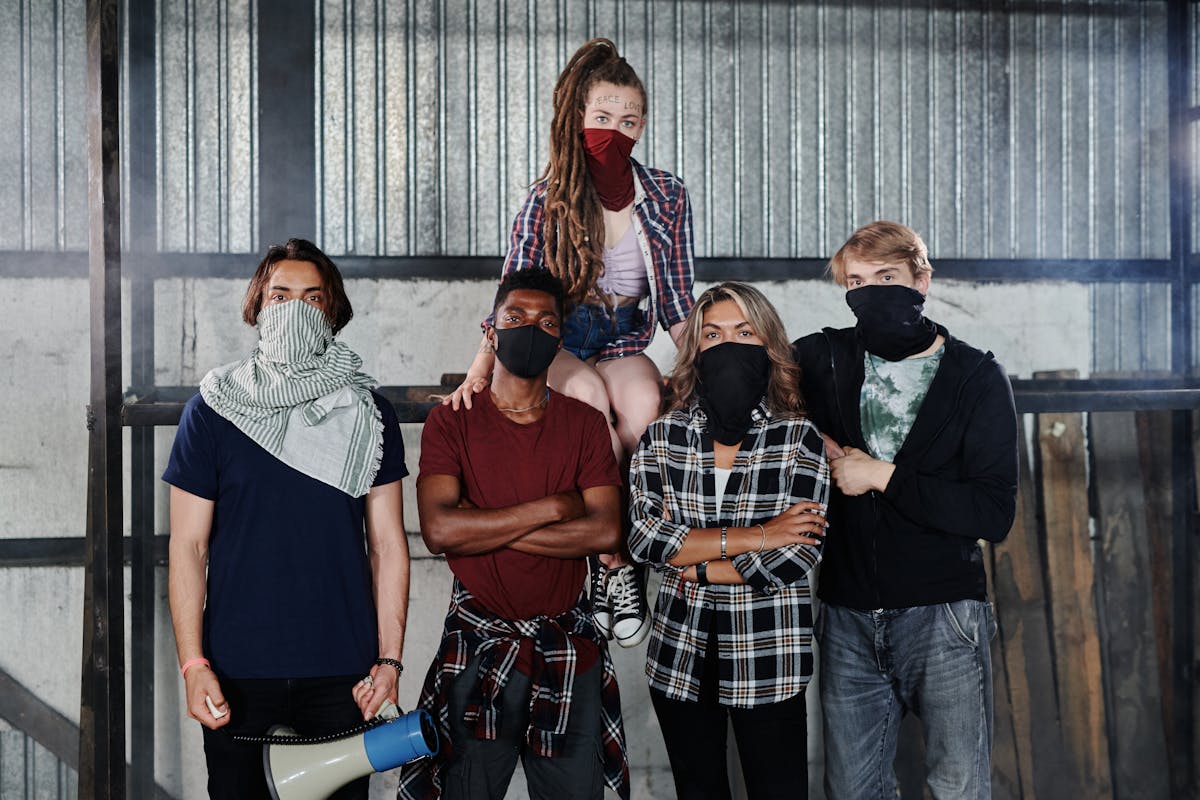
Face coverings show how ordinary clothing can become legally and politically charged. In many places, masks, veils, helmets, scarves, and religious coverings are treated as personal clothing choices. In other countries, full-face coverings are restricted in public spaces due to security, secularism, identity verification, or public order concerns.
France is one of the most widely discussed examples. The law prohibits face-covering clothing in public spaces, with specific exceptions. The rule affects items such as full-face veils, but it also addresses the broader legal question of whether a person’s face must remain visible in public.
This issue is more sensitive than many others on this list because it touches on religion, gender, identity, public safety, and human rights. A face covering can be a medical item, a religious garment, a political symbol, a weather-protection tool, or a security concern, depending on the context. That makes its legal status deeply different around the world.
Conclusion
Ordinary things can carry extraordinary legal differences around the world. Chewing gum, chocolate eggs, raw milk, vapes, plastic bags, baby names, fireworks, public alcohol, and face coverings may look simple at first glance, but each one reveals how differently countries regulate daily life.
The bigger lesson is that law is never just about objects. It is about what societies choose to protect, prevent, punish, or preserve. What feels normal in one country can be restricted in another because governments weigh safety, culture, environment, identity, and public order differently.
Before traveling, shipping products, naming a child abroad, carrying food, using a vape, lighting fireworks, or drinking in public, local rules matter. The smallest everyday item can become a serious legal issue when it crosses the wrong border.