10 Foods Husbands Expected on the Table Every Night in the 1950s
In the 1950s, dinner ran on a schedule. The husband walked through the door at the same time each evening, hung up his hat, and expected a hot meal to be waiting. For most wives, getting that meal on the table was the central task of the day.
Magazines, cookbooks, and home economics classes all taught the same lesson. A good wife planned her menus, kept to a budget, and served a proper dinner with every part in its place. There was little room for surprises.
That meant certain foods showed up night after night. These ten were expected on the dinner table in the 1950s, and a meal without them hardly counted as supper at all.

1. Meat at the Center of the Plate
Dinner began with meat. It might be pot roast, pork chops, meatloaf, fried chicken, or ham, but something had to anchor the plate. A meal without meat was thought to be incomplete, and many husbands would have asked where the rest of it was.
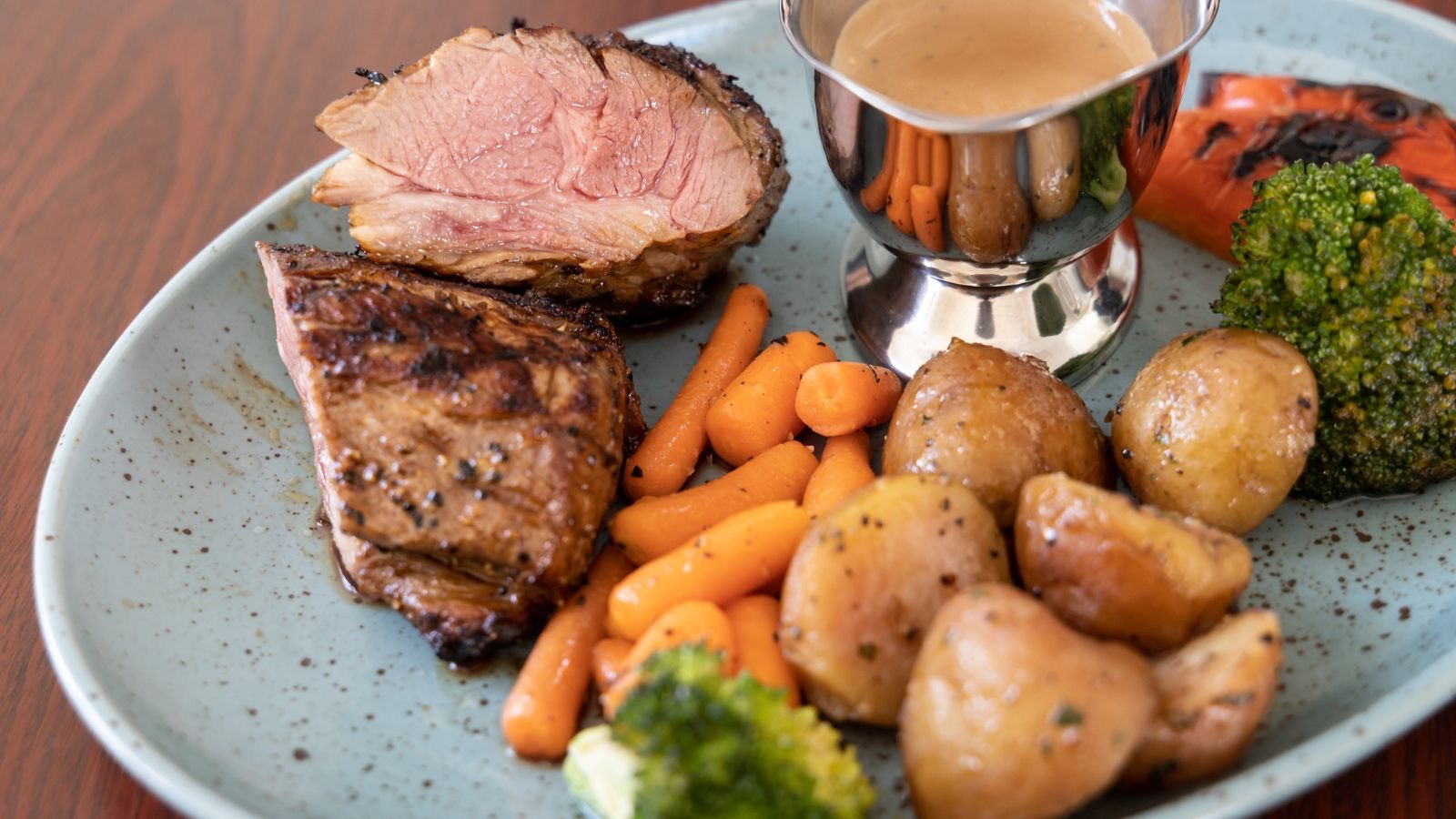
Meat was a sign that the family was doing well. After years of Depression and wartime rationing, being able to serve it every night meant a great deal. Wives stretched cheaper cuts with gravy and long cooking so there was always enough.
2. Potatoes
Potatoes appeared at nearly every dinner. They were mashed, boiled, baked, fried, or scalloped, and they filled the largest space on the plate. Many husbands of that era did not consider rice or pasta a proper substitute.
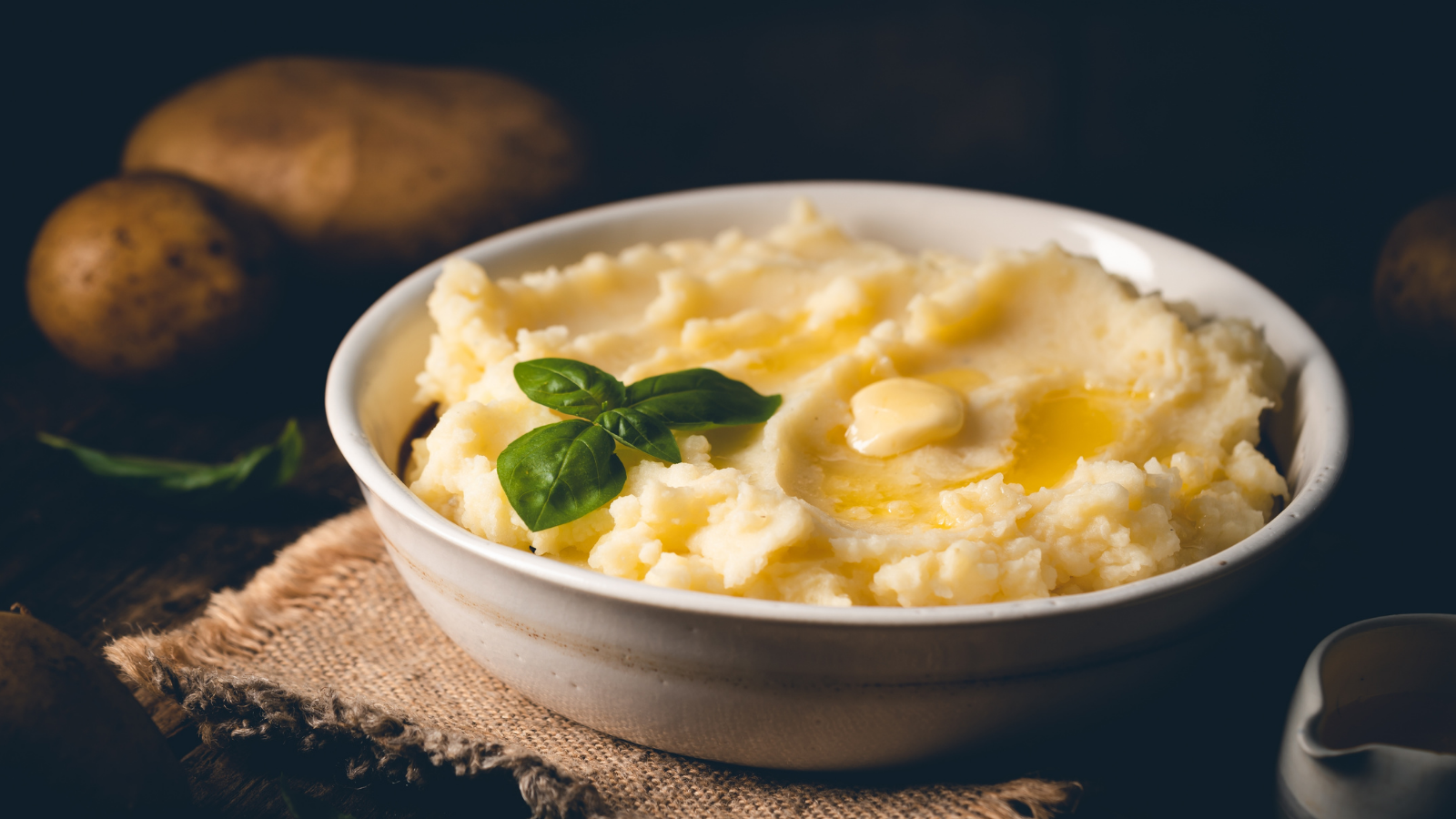
Potatoes were cheap and kept well in the cellar. A ten-pound bag could feed a family for a week. Peeling them was a daily chore, often handed to the oldest daughter.
3. Gravy
Where there was meat and potatoes, there was gravy. A good wife was expected to make it smooth and rich from the pan drippings. Lumpy gravy was a small embarrassment, and a husband might mention it.
Gravy tied the whole plate together. It made dry meat tender and plain potatoes delicious. Many women learned to make it by watching their mothers, with no measuring at all.
4. Bread and Butter
A plate of sliced bread or a basket of rolls sat on every table. In many homes, the bread plate was passed before anything else. It was used to push food onto the fork and to wipe the plate clean.
White bread was the standard, and butter or margarine was always beside it. Southern tables had biscuits or cornbread instead. A dinner without bread felt unfinished to a man raised in the 1920s and 1930s.
5. A Cooked Vegetable
Every dinner needed a vegetable, and it was nearly always cooked until soft. Canned green beans, peas, corn, and carrots were the most common. They were heated in a saucepan with a pat of butter and a pinch of salt.
Fresh vegetables were used in summer, when gardens were producing. The rest of the year, the can opener did the work. Frozen vegetables were just beginning to appear in home freezers.
6. A Salad on the Side
A small salad came before or alongside the main course. It might be a wedge of iceberg lettuce with bottled dressing or a dish of coleslaw. Just as often, it was a molded gelatin salad on a lettuce leaf.
Gelatin salads were the height of fashion in the 1950s. They showed that a wife was up to date and had put in some effort. They are among the bizarre food trends that many people are happy to leave in the past.
7. Coffee
Coffee was served with dinner or right after it. The percolator bubbled on the stove, and the wife poured her husband’s cup. Many men drank it black and strong, at every meal of the day.
A dinner that ended without coffee was unusual in most homes. It was a signal that the meal was complete and that it was time to relax. Children, of course, got milk.
8. Dessert
Dinner was not over until dessert was served. It did not have to be elaborate, and often it was canned fruit, pudding, or a slice of cake left from the weekend. Pie was the favorite, and a wife known for her pie crust was admired.
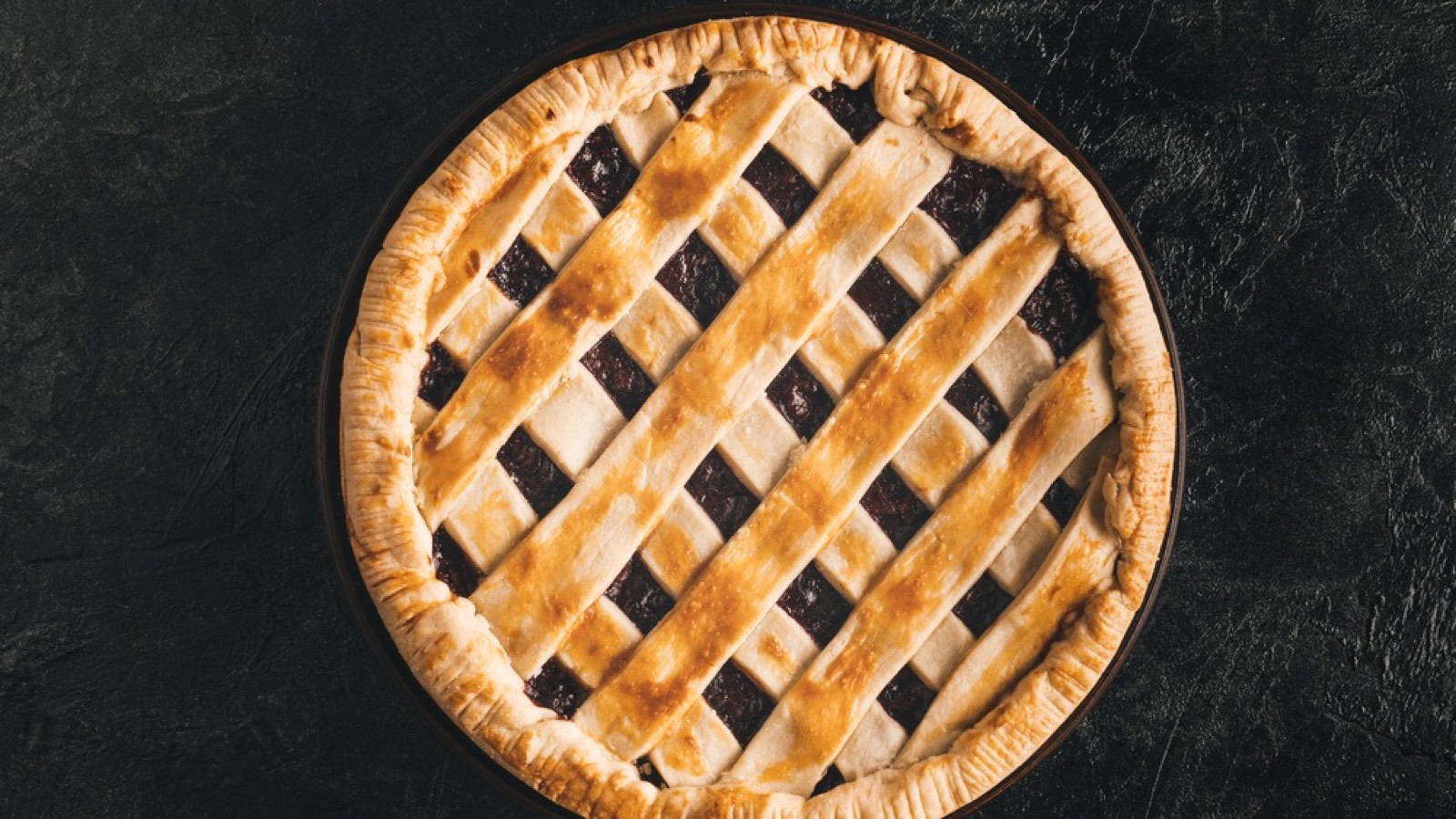
Something sweet at the end of the meal was simply expected. Many husbands felt cheated without it. Baking was a regular part of the weekly routine for that reason.
9. Milk for the Children, and Often for Dad
A pitcher or bottle of milk stood on most dinner tables. Children drank it with every meal, and many men did as well. The milkman left fresh bottles on the doorstep several times a week.
Milk was seen as the foundation of good health. Schools, doctors, and advertisers all promoted it. Home delivery, as Food Dive has noted, was once the normal way American families got their milk.
10. A Hot Meal, Served on Time
The most important thing was not a food at all. Dinner had to be hot, and it had to be ready when the husband got home. Six o’clock sharp was the rule in countless households.
A cold supper or sandwiches might be acceptable on a summer Sunday. On a weeknight, it suggested that something was wrong. Wives timed their whole afternoon around that one moment.
Why Expectations Were So Rigid
The 1950s family was built around clear roles. The husband earned the paycheck, and the wife ran the home. Cooking was considered her profession, and the dinner table was where her work was judged.
Popular culture reinforced the idea constantly. Advertisements showed smiling wives in aprons presenting a roast to a pleased husband. Advice columns warned that a poorly fed man might be an unhappy one.
Marriage came early as well. Couples wed younger in that decade than at any time on record, and the median bride was barely 20 years old. Many young women went straight from their mother’s kitchen to their own.
How Much Has Changed
Today’s dinner table looks very different. In most families, both partners work, and cooking is more likely to be shared. A meal may be takeout, a slow-cooker dish, or something each person fixes for themselves.
Many wives of that generation later said the daily pressure was exhausting. They planned, shopped, cooked, served, and washed up, seven days a week, with little thanks. It is easy to see why younger women pushed for a different arrangement.
Still, some couples look back with fondness. The nightly dinner gave the family a fixed time to be together, and many studies have linked regular family meals with benefits for children. Those are the kinds of unspoken rules of marriage that long-married couples still talk about.
What Was on Your Table?
For those who grew up in the 1950s, these foods are the taste of home. They remember their father at the head of the table and their mother carrying in the last dish. They remember being told to sit up straight and clean their plates.
Whether you see those dinners as a lovely tradition or an unfair burden may depend on which side of the stove you stood on. Did your mother serve meat, potatoes, and dessert every night, and what did your father say if she did not?