10 Shocking Realities Nobody Tells You About Working in a Morgue
Working in a morgue is a career that’s as fascinating as it is unsettling. Popular imagination paints it as a silent, cold space filled with body bags, but the reality is far more complex. It’s a field where science meets empathy, precision meets emotional resilience, and each day offers lessons that textbooks rarely cover. For those drawn to forensic science, medical investigation, or a deeper understanding of mortality, morgue work is both a challenge and a calling. Behind the doors of the cold storage units, professionals navigate experiences that most people could hardly imagine.
Entering this profession requires preparation beyond the technical. From handling delicate tasks like autopsies and specimen collection to assisting grieving families, the morgue staff balances meticulous skill with emotional intelligence. Every day offers unexpected encounters, from tragic cases involving young victims to complex investigative puzzles. These ten realities shed light on what no one really talks about about life and death behind the morgue walls.
The Work Is Physically Demanding
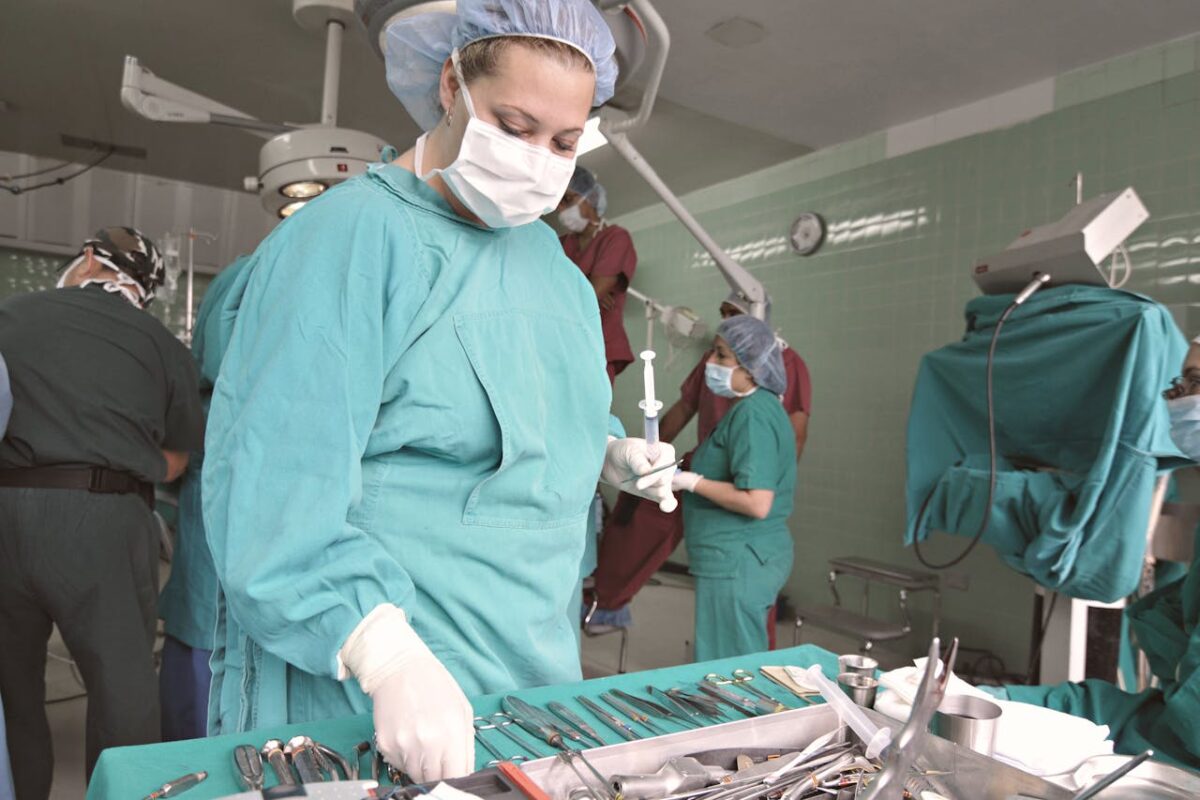
Morgue work is far from sedentary. Staff constantly lift and move bodies, maneuver heavy equipment, and perform detailed tasks in cold, sterile environments. Even seemingly simple duties, like transferring a body from a stretcher to an examination table, require precise technique to prevent injury. Protective gear adds weight and can make movements cumbersome. Long hours standing, bending, and lifting create physical strain that newcomers often underestimate.
Temperature control amplifies these challenges. Morgues are kept near freezing to preserve bodies, which can cause stiffness and fatigue during long shifts. Layered clothing and gloves, though necessary, add bulk, making intricate tasks harder. Workers quickly learn to pace themselves, strengthening muscles and building stamina to meet the job’s relentless demands. Physical resilience is essential for both safety and efficiency.
Exposure to Death Brings Emotional Complexity
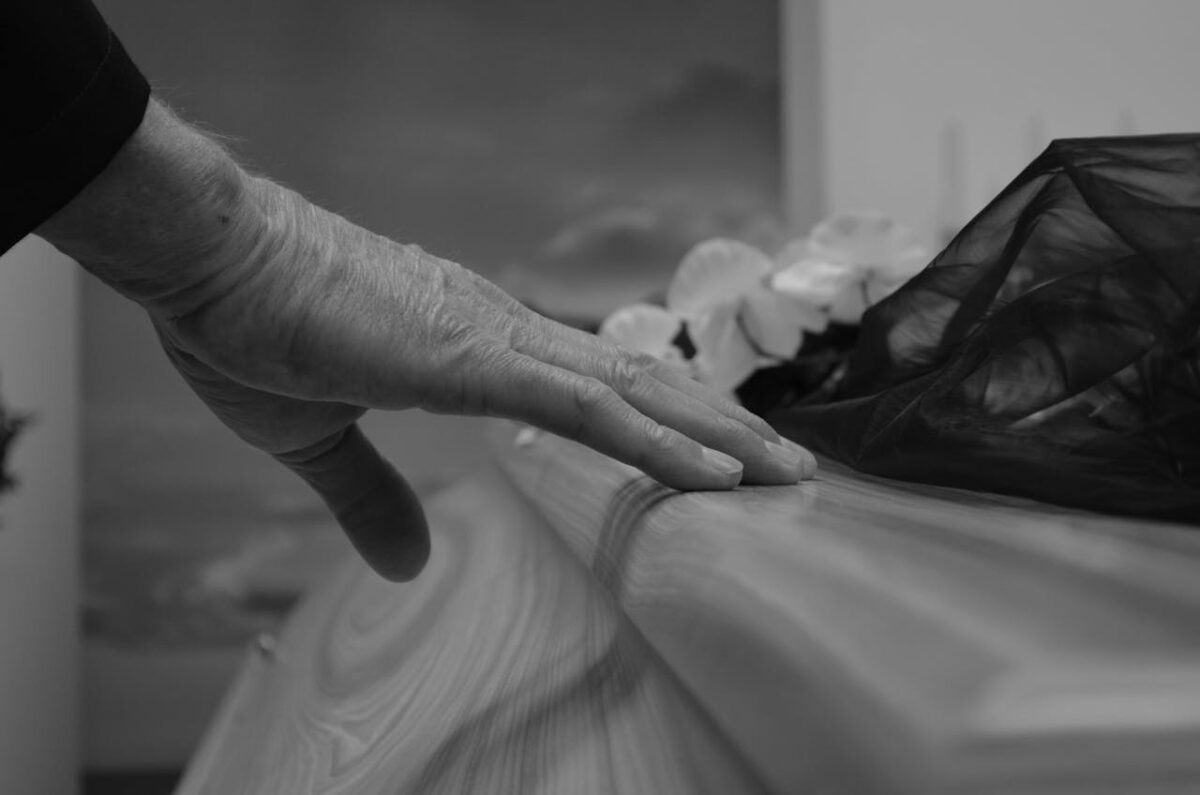
Contrary to popular belief, morgue staff do not become numb to death. Each case represents a human life and often a family in mourning. Some deaths are particularly tragic, involving violence or young victims, leaving a lingering emotional impact. Staff must compartmentalize emotions while maintaining empathy, a delicate balance that requires constant awareness.
Professional support systems are essential. Counseling, peer discussions, and debriefing sessions help manage stress and prevent burnout. Acknowledging the emotional toll is crucial, as prolonged exposure without coping strategies can desensitize or overwhelm even the most seasoned employees. Developing emotional resilience is as critical as technical proficiency in this field.
The Smell Is Inescapable

Few outsiders realize how strong morgue odors can be. Chemicals like formaldehyde used in preservation create a pungent scent, while decomposition can introduce organic odors. Initial exposure can be shocking, though staff eventually acclimate. Protective masks, strict hygiene, and ventilation help, but the smell never fully disappears.
Even seasoned workers note the constant reminder of the environment’s nature. Smell management becomes second nature, guiding when to use extra protective gear and how to maintain personal hygiene. It’s an unavoidable aspect of daily life in the morgue, shaping routines and habits in subtle but persistent ways.
Hygiene and Safety Are Paramount
Working in a morgue involves exposure to pathogens and biohazards. Gloves, masks, gowns, and sterilization protocols are mandatory. Staff must continuously disinfect tools, surfaces, and their hands to prevent contamination. Accidental exposure to bodily fluids requires immediate action and strict adherence to protocol.
Chemical hazards also demand attention. Preservatives, cleaning agents, and disinfectants are necessary but potentially toxic. Proper storage, handling, and disposal are daily routines. Safety measures protect staff, families, and the integrity of investigations, making hygiene a cornerstone of morgue culture.
Anatomy Knowledge Is Unmatched
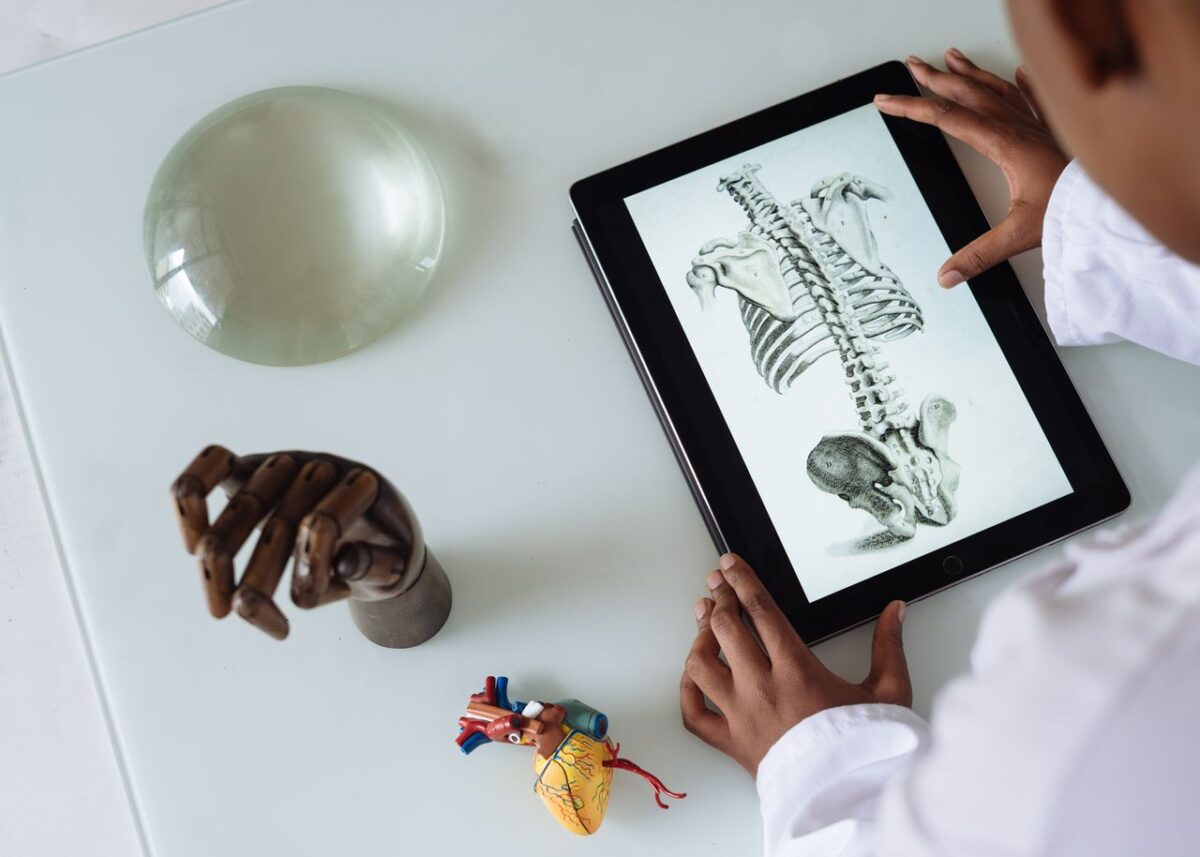
Morgue work provides unparalleled exposure to human anatomy. Observing organs, skeletal structures, and tissue responses offers insights impossible to replicate in classrooms. Staff witness disease, trauma, and the effects of time on the body firsthand, deepening their understanding of human biology.
Exposure to rare conditions and unusual cases enhances diagnostic and investigative skills. Staff gain experience in ways that textbooks cannot provide, creating expertise valuable in forensic, medical, and pathology-related careers. The depth of learning transforms perspectives on life and the human body.
Families May Interact With You
Morgue staff sometimes engage directly with grieving families, explaining procedures or assisting with paperwork. This requires tact, professionalism, and empathy. Balancing compassion with objectivity is essential when communicating difficult information.
These interactions teach communication skills rarely developed elsewhere. Staff learn to convey complex, emotionally charged topics calmly, providing closure for families while maintaining professional boundaries. The experience fosters human-centered skills that extend beyond the morgue.
Hours Are Unpredictable
Morgues operate 24/7, and cases often arrive at odd hours. Shifts can include nights, weekends, and holidays, requiring flexibility. Sudden autopsies or emergency calls are common, meaning staff must be ready at any time.
Flexibility goes beyond timing. Workers must adjust quickly, stay focused under pressure, and manage fatigue. Anticipating unpredictable schedules helps staff maintain balance and ensures tasks are executed with care, even under unexpected circumstances.
Attention to Detail Is Critical
Morgue work leaves no room for error. Accurate documentation, specimen labeling, and body handling are essential, as mistakes can have legal or medical consequences. Precision in every step is non-negotiable, from autopsy procedures to chain-of-custody records.
Meticulous habits develop over time, creating consistency in high-pressure situations. Workers learn to be vigilant without hesitation, cultivating analytical skills, organization, and attention to detail that benefit both professional and personal contexts.
Coping Mechanisms Are Essential
Exposure to death and trauma necessitates coping strategies. Humor, peer support, mental health resources, and personal hobbies help staff manage stress. Establishing routines to separate work and home life prevents emotional carryover and burnout.
Morgue professionals also develop rituals to mentally transition between environments, ensuring long-term emotional resilience. Recognizing limits and seeking support are critical, unspoken parts of thriving in the field.
Respect for Life and Death Deepens
Perhaps the most profound aspect of morgue work is the heightened respect for life. Constant exposure to death fosters humility, ethical awareness, and a deep appreciation for the fragility of existence. Staff gain a perspective that shapes personal and professional choices.
This respect influences interactions, ethical decision-making, and approach to cases. Many find that working in a morgue changes their perception of mortality, giving a unique understanding of life’s impermanence and the dignity owed to every human being.
Conclusion
Working in a morgue is a rare and demanding career that blends physical labor, emotional resilience, and meticulous science. From enduring strong odors and unpredictable hours to navigating grief, exposure to death, and complex anatomy, morgue professionals face realities that are rarely discussed. While the job can be emotionally and physically challenging, it provides unmatched learning opportunities, ethical grounding, and a deep appreciation for life. For those who embrace it, morgue work offers a perspective few other careers can provide, revealing both the fragility and dignity inherent in the human experience