Dollar General Brings Back the $1 Deal as Shoppers Hunt for Relief From Rising Grocery Bills.
Dollar General is leaning hard into the one price point that still makes tired shoppers stop, look twice, and toss something into the basket: $1.
At a time when many Americans feel like every quick store run has turned into a $40 surprise, Dollar General is pushing thousands of items at $1 or less, giving budget-conscious shoppers a reason to check its aisles before heading to Dollar Tree, Walmart, Target, or the local grocery store. The move is not just a cute discount-store gimmick. It is a carefully timed value play aimed at households that are counting every dollar, watching gas prices, trimming grocery lists, and searching for small wins wherever they can find them.
We are seeing Dollar General make a clear bet: shoppers still love the psychology of the $1 deal. Even when the package is smaller, even when the item is simple, and even when the savings are only on certain categories, that price point still feels powerful. It is easy to understand, easy to compare, and easy to build a quick basket around.
The company’s “Dollar Deals” section includes several everyday categories, from food and candy to health, cleaning, beauty, pet, party supplies, school items, toys, and household products. That matters because shoppers are not only hunting for cheap snacks. They are trying to stretch money across the entire week. A $1 cleaner, a $1 pack of paper goods, a $1 snack, or a $1 pantry item may not solve inflation, but it can soften the sting of a basket that keeps getting more expensive.
Dollar General’s $1 Deals Put Fresh Pressure on Dollar Tree.
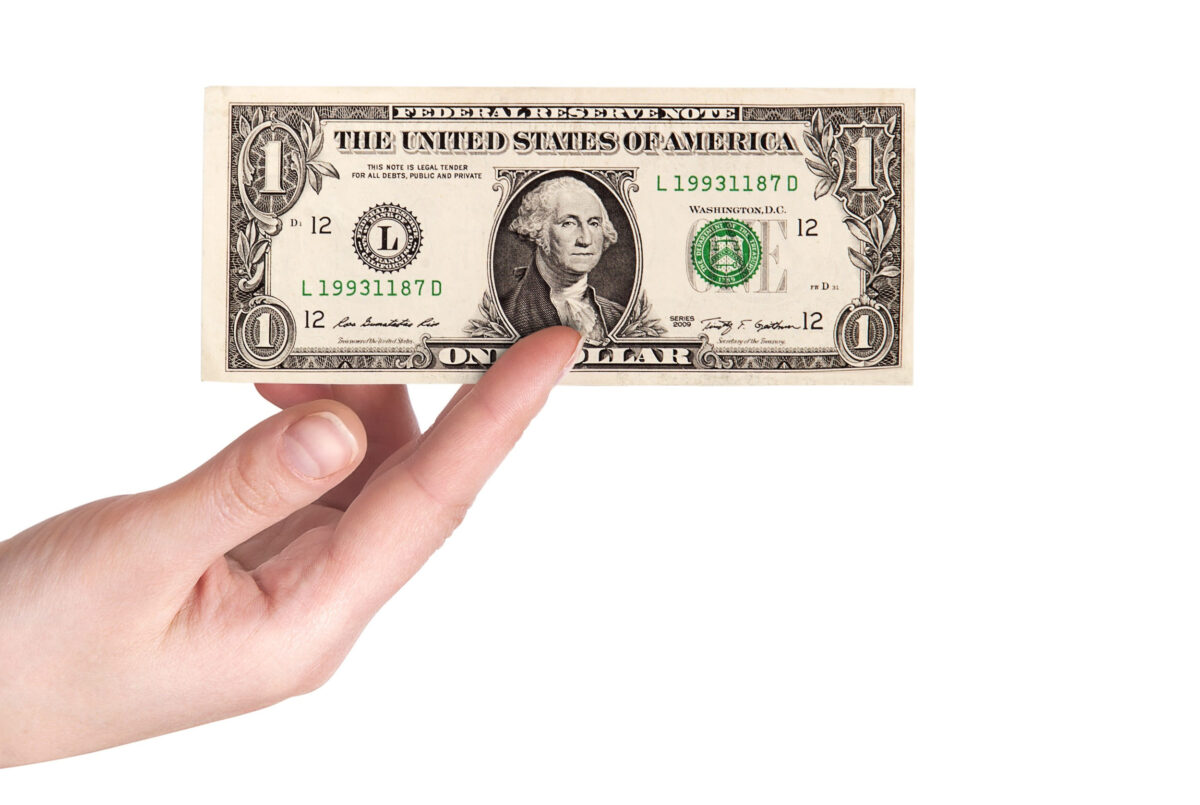
The dollar-store world has changed. For years, Dollar Tree has owned the simple promise that nearly everything costs $1. Then prices moved higher. The chain shifted to $1.25 and expanded deeper into multi-price products, with many stores now carrying items above the old single-price model. That strategy has helped Dollar Tree offer more variety, bigger packs, and higher-margin merchandise, but it also weakened the emotional pull of the word “dollar.”
Dollar General is now using that opening.
The company has never been a strict everything-for-one-dollar store, but that may be exactly why this move works. Dollar General can sell a mix of ultra-cheap items, regularly priced essentials, national brands, private-label goods, frozen foods, seasonal products, and household supplies without being boxed into a single price promise. The $1 section becomes the hook, not the whole business model.
That is the clever part. A shopper may walk in for a $1 snack or a $1 cleaning item, then add milk, paper towels, pet food, detergent, medicine, or a ready-to-heat dinner. The $1 deal gets the trip started. The rest of the basket builds the sale.
Dollar Tree, meanwhile, is also doing well by its own numbers. CEO Mike Creedon said the company’s results show its position as a “preferred destination for value, convenience, and discovery.” That is a strong retail message, and Dollar Tree’s multi-price stores give it more flexibility. Still, Dollar General’s decision to shout louder about $1 products brings back a simpler kind of value story. Shoppers may not understand every pricing strategy. They do understand a buck.
Why the $1 Price Point Feels Bigger in 2026
The timing is not random. Grocery prices are still a sore spot for American households. Even when inflation slows, shoppers do not always feel relief because prices rarely return to their previous levels. A family that paid less for cereal, coffee, produce, snacks, or cleaning supplies a few years ago still sees today’s shelf tags and feels squeezed.
That is why the $1 price point has emotional power. It gives shoppers a sense of control.
Dollar General CEO Todd Vasos has tied the company’s performance to value-seeking behavior, customer traffic, and a difficult spending environment. In the company’s first-quarter release, he pointed to “positive customer traffic” and “balanced category growth,” while also noting that strong margin performance helped offset severe winter weather and higher fuel costs.
Those comments matter because they show Dollar General is not simply cutting prices to be generous. This is a traffic strategy. It is a basket-building strategy. It is also a loyalty strategy for shoppers who may be visiting more stores before deciding where to spend.
When gas prices rise, the neighborhood discount store becomes more attractive. Dollar General’s large footprint gives it an advantage in smaller towns, rural communities, and suburban areas where shoppers may not want to drive farther for a big-box trip. If a nearby Dollar General can cover snacks, pantry basics, quick household needs, and a few frozen items, the store becomes more than a dollar stop. It becomes a weekly budget tool.
We should also look at the psychology of small baskets. A $1 item does not feel risky. A shopper can test a private-label product, grab a backup item, or fill a lunchbox without committing to a large pack. That is especially useful when households are trying to avoid waste. Sometimes the cheapest item is not the biggest package. Sometimes it is the one that gets used before it expires.
What Shoppers Can Actually Find in Dollar General’s Dollar Deals

Dollar General’s dollar-priced selection is broad enough to attract more than one kind of shopper. Food and snack buyers may look for quick pantry fillers, candy, popcorn, chips, sauces, small breakfast items, canned goods, or convenience foods. Parents may look for school supplies, party items, travel-size hygiene products, or small toys. Pet owners may scan for cheap treats or basic pet items. Households may hunt for cleaners, dish soap, paper goods, air fresheners, trash bags, or seasonal items.
The appeal is not that every product is life-changing. The appeal is that the store gives shoppers a low-friction way to patch holes in the week.
A shopper planning a low-cost dinner might grab tomato sauce, beans, pasta, seasoning, or a small frozen side if available locally. Someone preparing for a backyard gathering might pick up plates, napkins, candy, snack bags, or grill tools. A college student might focus on travel-size toiletries, cleaning supplies, and quick snacks. A parent might use the section to stretch lunchbox treats without buying a large multipack.
That variety is what makes the $1 section useful. It is not only about one aisle. It is about creating a feeling that the whole store has hidden savings.
Still, shoppers should stay sharp. A $1 price tag does not automatically mean the best deal. Unit price matters. A small $1 bottle of dish soap may be useful for a tight budget today, but a larger bottle on sale elsewhere could be cheaper per ounce. A $1 snack may be convenient, but a family-size pack at a grocery store could stretch further. Dollar General’s strongest value will likely depend on the item, size, brand, coupon, and the shopper’s immediate need.
That is where smart shoppers win. They use the $1 section for flexibility, not blindly.
Dollar General’s Private Labels Give the Chain More Room to Compete
Private-label goods are one of Dollar General’s biggest weapons. The company can offer store brands across food, household, beauty, health, and other departments, often at lower prices than national brands. Clover Valley, for example, gives the chain a way to compete in grocery stores without relying only on name-brand discounts.
Private labels are important because they give retailers more control over price, packaging, and margins. When a national brand becomes too expensive, a store brand can keep the category affordable. When a shopper wants the cheapest acceptable version of a pantry staple, a private-label option may be enough. And when a retailer wants to build loyalty, a trusted store brand can turn a one-time bargain hunter into a repeat customer.
For Dollar General, this is especially useful. The company can mix well-known brands with cheaper house brands so shoppers feel they have choices. That makes the store more flexible than a simple closeout shop. It can serve the shopper who wants the familiar brand and the shopper who just wants the lowest price.
We are also seeing discount retailers benefit from “trade-down” behavior. That happens when middle-income and higher-income shoppers start visiting cheaper stores because they want relief from rising costs. Dollar General has said it is attracting customers across income groups, including higher-income shoppers who are taking value more seriously. That detail is important because it shows bargain shopping is no longer only a low-income story. It has become a mainstream habit.
The Strategy Behind Dollar General’s Bigger $1 Push
Dollar General’s $1 push works because it centers on three retail goals: traffic, trust, and basket size.
First, it brings people into the store. A clear $1 message is simple enough to cut through the noise. Shoppers do not need a spreadsheet to understand it.
Second, it rebuilds trust with customers who feel dollar stores have become less “dollar” than before. When prices creep up everywhere, a visible $1 section signals to shoppers that the retailer still cares about entry-level affordability.
Third, it creates basket growth. A shopper who comes in for three $1 items may leave with ten items. That is the real business play. The cheapest products may bring the customer through the door, while the full basket creates the bigger sale.
The company’s latest quarterly performance gives the move extra weight. Dollar General reported higher net sales, same-store sales growth, increased customer traffic, and stronger operating profit in its first quarter. That means the $1 strategy is not happening in a vacuum. It is part of a broader effort to keep the chain relevant while shoppers remain cautious.