7 Foods That Can Lose Their Appeal Long Before Their Expiration Date
That expiration date on your favorite pantry staple might be giving you a false sense of confidence. You open a box of cereal expecting a satisfying crunch, only to discover soft, lifeless flakes.
The U.S. Department of Agriculture estimates that 30% to 40% of the U.S. food supply goes uneaten each year, equating to roughly 120 to 133 billion pounds of food.
Air, heat, moisture, and poor storage habits can affect freshness long before that date arrives. Understanding these changes can help you protect your groceries and avoid disappointing meals. Here are familiar foods that deserve a little extra attention.
Breakfast cereal can lose its crunch
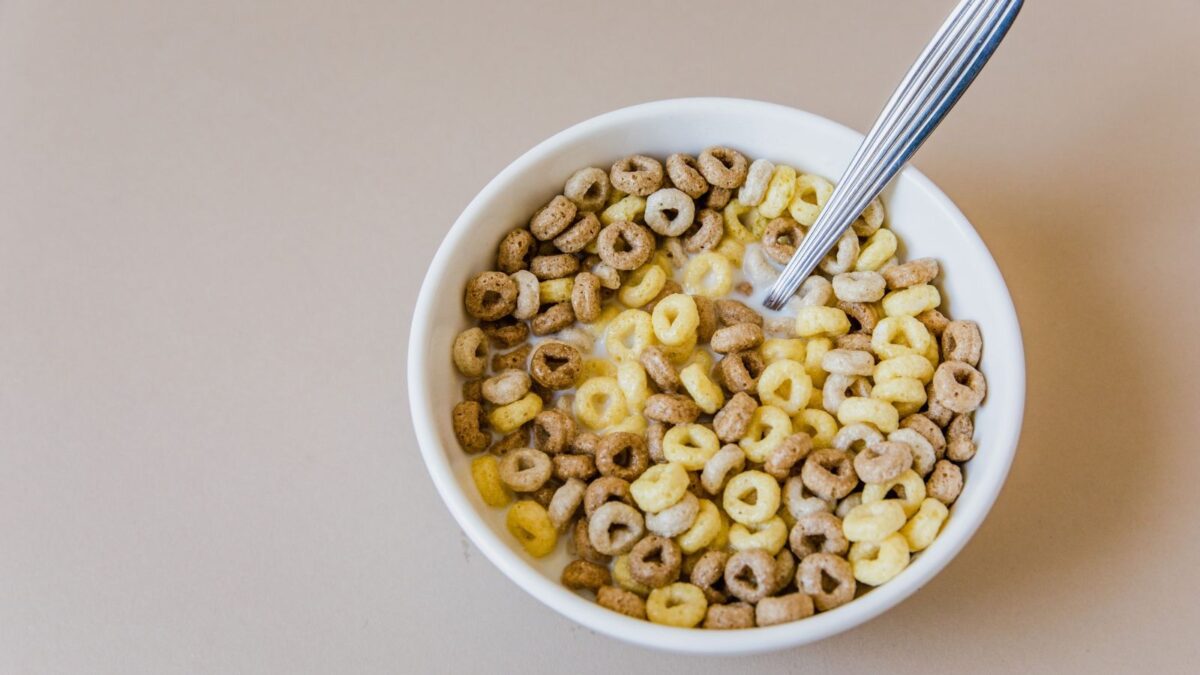
Few breakfast disappointments compare to pouring milk over cereal that already tastes stale. The flakes might look perfectly ordinary, and the package date might still sit comfortably in the future. Yet air and humidity can steal the crisp texture that makes cereal enjoyable.
The trouble often begins when someone opens the inner bag and casually folds it back into the cardboard box. That loose fold allows humid air to reach the contents, especially in a warm kitchen. Secure the bag with a clip or transfer the cereal into an airtight container.
Keep it in a dry cupboard away from direct sunlight and cooking heat. Nestlé’s guidance comes from its U.K. cereal website, but the basic storage advice offers a practical lesson for everyday American kitchens.
Relatable: 13 Healthy Best Breakfast Cereals For Weight Loss in 2026
Ground coffee loses its magic after opening
Nothing ruins a promising morning quite like a disappointing cup of coffee. You might expect that large container of grounds to stay flavorful until the printed date, but exposure to air and heat can quickly change the experience. According to Folgers ground coffee typically retains its best freshness for 1 to 3 weeks after opening.
Every time you open the container, fresh air reaches the grounds and gradually weakens their aroma. Keep your coffee tightly sealed in a cool, dark cupboard, preferably away from the stove.
Buying a manageable quantity may prove more satisfying than watching an oversized container slowly lose its character.
Olive oil can turn unpleasant in the cupboard
That attractive bottle of olive oil beside your stove might look like a professional kitchen accessory. Unfortunately, the convenient location can work against the oil’s delicate flavor. Heat, light, and oxygen encourage oxidation, which can eventually produce unpleasant aromas and tastes.
Frequent cooking creates another problem when you leave the bottle uncapped near a hot burner. Each opening introduces more oxygen, while nearby heat adds another challenge.
Store the bottle in a cool, dark cabinet and tighten the cap immediately after pouring. Those simple changes can help preserve the flavor you originally paid for.
Nuts can develop an unpleasant flavor
A generous bag of nuts seems like a sensible pantry purchase, especially when you enjoy keeping snacks and baking ingredients within reach.
However, nuts contain oils that can gradually turn rancid during storage. Warm cupboards can speed that deterioration and leave the nuts with an unpleasant taste. The University of California Division of Agriculture and Natural Resources, shows you can store most nuts in moisture-free, airtight containers in the refrigerator for up to one year, or freeze them for one to three years depending on the variety.
That advice becomes especially useful for households that purchase larger quantities. Instead of leaving the entire supply in a warm pantry, keep a smaller portion available for immediate use. Move the remainder into properly sealed cold storage.
Relatable: How To Avoid Food Poisoning From Rice
Whole-wheat flour needs better storage
Your baking project can go wrong before you even begin mixing ingredients. Whole-wheat flour contains oils from the grain’s germ, and those oils make it more vulnerable to oxidation than ordinary white flour.
Whole-grain flour can develop unpleasant flavors when storage conditions encourage deterioration. A warm cabinet near the oven offers a less favorable environment, particularly when you rarely bake. Transfer your flour into an airtight container and choose a cool, dark location.
If your freezer has enough room, use it for longer storage. The refrigerator provides another option, although the freezer generally protects quality better. Check the flour before adding it to a recipe, and discard any that smells obviously rancid or shows signs of insects.
Dried herbs and spices gradually lose their punch
Your favorite recipe might suddenly taste ordinary, even though you followed every familiar step. Sometimes the problem sits inside the spice cabinet rather than the cooking instructions. Dried herbs and ground spices gradually lose their aroma and intensity as heat, light, moisture, and air affect them.McCormick advises that home cooks should keep seasoning containers tightly capped and away from stoves, dishwashers, sinks, and sunny windows
That decorative spice rack above the range might look charming, but steam and cooking heat create unfavorable conditions. Moisture can also encourage clumping and make seasonings harder to measure. Choose a dry cabinet away from the busiest cooking areas instead.
Always use a dry spoon, and avoid shaking containers directly over steaming pots. Although fading flavor does not automatically make spices unusable, it can leave your carefully prepared meals tasting surprisingly flat.
Bread can become stale faster in the refrigerator
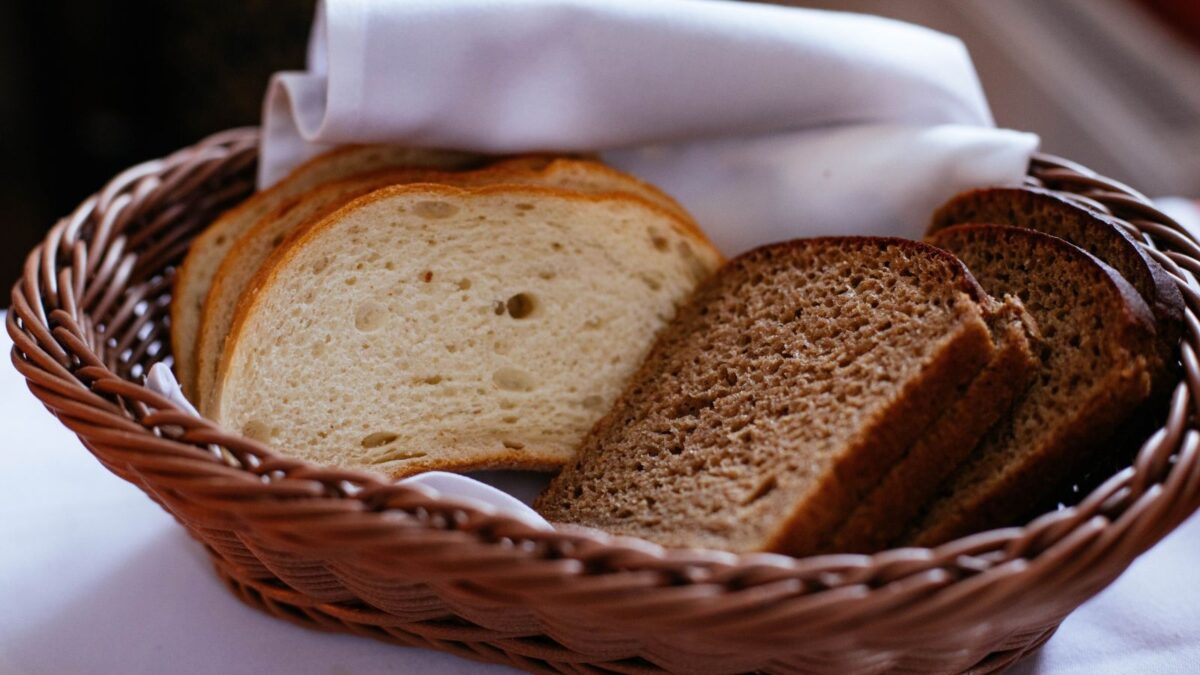
Refrigerating bread might seem like the obvious solution when you want a loaf to last longer. Unfortunately, cold refrigerator temperatures can accelerate staling and leave the slices less appealing.
For extra portions, the freezer offers a more practical solution than the refrigerator. Wrap the bread carefully to protect its texture and remove only what you need. This approach works especially well when you cannot finish an entire loaf quickly. Rather than letting slices turn disappointingly firm, plan around how much bread your household actually uses.
The date on a package offers useful guidance, but smart storage habits and a little attention to freshness can make the difference between groceries you enjoy and groceries you regret buying.