Only People Who Grew Up in the 1950s Will Remember These 10 Dinner Table Staples
Dinner in the 1950s followed a rhythm that millions of Americans still remember. Dad came home from work, Mom had supper ready, and the whole family sat down together at the same time every evening. Television was new and exciting, but in most homes, it was turned off during the meal.
The food itself reflected the times. Families were enjoying postwar prosperity, new kitchen appliances, and a grocery store full of canned and packaged convenience foods. At the same time, many mothers still cooked the hearty, practical dishes they had learned from their own mothers during the Depression and the war years.
If you grew up in that decade, these ten dinner table staples will probably bring back a flood of memories. If you didn’t, ask an older relative about them, and get ready for some wonderful stories.
1. A Relish Tray
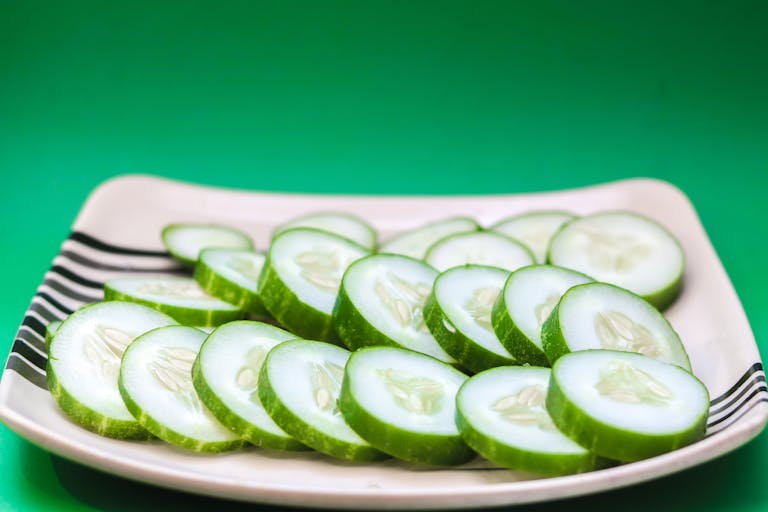
In many 1950s homes, dinner started with a relish tray in the middle of the table. It held carrot and celery sticks, radishes, green onions, pickles, and olives, often arranged in a divided glass dish. Some families added stuffed celery filled with cream cheese or pimento cheese.
The relish tray made even an ordinary weeknight meal feel a little special. Children often fought over the black olives, which they placed on their fingertips before eating. Today, relish trays are mostly seen at holidays, but they were once an everyday sight.
2. Meatloaf
Meatloaf was one of the most popular dinners of the decade. It was affordable, filling, and easy to stretch with bread crumbs or oatmeal. Most mothers topped it with ketchup or a sweet tomato glaze and served it with mashed potatoes.
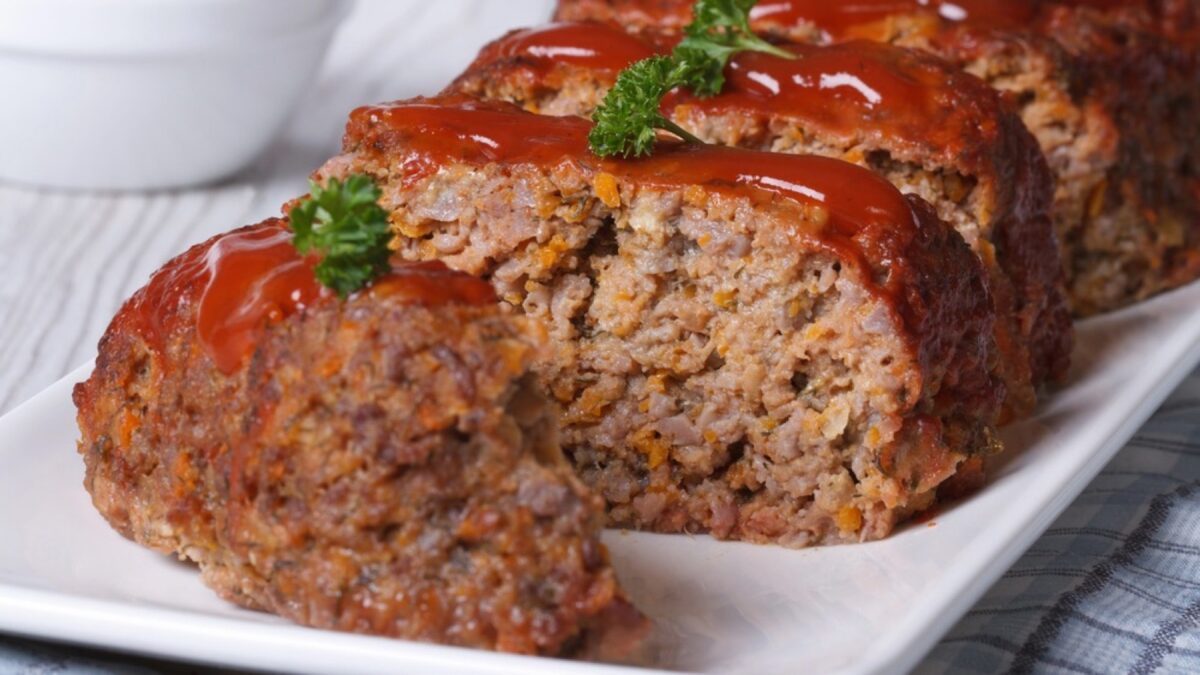
The leftovers were just as beloved. Cold meatloaf sandwiches showed up in lunch pails and school lunches the next day. For many people who grew up in the 1950s, meatloaf still tastes like home.
3. Tuna Noodle Casserole
Casseroles were everywhere in the 1950s, and tuna noodle casserole was one of the most common. It combined egg noodles, canned tuna, and canned cream of mushroom soup, often topped with crushed potato chips or bread crumbs. Peas were sometimes added for color.
Campbell’s condensed soups made casseroles like this easy to throw together, and the company printed recipes on its labels and in magazines. Tuna noodle casserole was a frequent Friday night dinner in Catholic homes, where meat was avoided on Fridays. Many people still make it today out of pure nostalgia.
4. Pot Roast With Vegetables
Pot roast was the classic Sunday dinner of the 1950s. A tough cut of beef was browned and cooked slowly with potatoes, carrots, and onions until it was tender. The house smelled wonderful for hours.
Many families put the roast in the oven before church so it would be ready when they came home. The gravy made from the drippings was poured over everything on the plate. Leftover pot roast often became hash or sandwiches later in the week.
5. Jell-O Salad
No 1950s dinner table was complete without a Jell-O salad. These colorful molded dishes came in every flavor imaginable and often contained fruit, vegetables, nuts, or cottage cheese. Some were sweet, while others were surprisingly savory.
Jell-O salads were a way for homemakers to show off their creativity. Fancy molds, layered colors, and whipped toppings made them look impressive. Today, they are often the subject of jokes, but many people still have fond memories of their mother’s lime Jell-O with pineapple.
6. Iceberg Lettuce Wedge
Salad in the 1950s usually meant iceberg lettuce. A crisp wedge of iceberg, topped with thick dressing like Thousand Island, French, or blue cheese, was a common side dish. It was cool, crunchy, and easy to prepare.
Iceberg lettuce was popular because it shipped well and lasted longer than other greens. Many people did not know about romaine, spinach, or arugula until much later. The classic wedge salad has made a comeback in steakhouses, but it was once an everyday dish.
7. Canned Vegetables
Frozen and fresh vegetables were not always easy to find in the 1950s, especially in winter. Many families relied on canned green beans, peas, corn, and carrots. Mothers heated them on the stove with a pat of butter and a sprinkle of salt.
Canned creamed corn and canned peas were especially popular with kids. Some families also had home-canned vegetables from their own gardens. Today, many people prefer fresh or frozen vegetables, but canned ones were a dinner staple for decades.
8. Fried Chicken
Fried chicken was a favorite dinner in many 1950s homes, especially on Sundays. The chicken was dredged in seasoned flour and fried in a heavy skillet, often in lard or shortening. Mashed potatoes, gravy, and biscuits usually came along for the ride.
Frying chicken took time and attention, so it was often reserved for weekends or special occasions. Many grown children remember their mothers standing at the stove, carefully turning each piece. Few store-bought versions have ever matched those memories.
9. Parker House Rolls and White Bread
Bread was on the table at almost every meal in the 1950s. Some families served soft, buttery Parker House rolls, while others simply set out slices of white bread with butter. Bread was used to mop up gravy and fill hungry stomachs.
Store-bought sliced white bread was considered modern and convenient. Brands like Wonder Bread were household names. Many people who grew up in the 1950s still remember the taste of buttered white bread alongside their dinner.
10. Pie or Pudding for Dessert
Dessert was an expected part of dinner in many 1950s homes. Mothers often baked pies, such as apple, cherry, or lemon meringue, or made simple puddings from boxed mixes. Jell-O, cake, and fruit cobblers were also common.
Children were often told they had to finish their dinner before they could have dessert. That rule was taken seriously, and many people still remember sitting at the table, staring at their vegetables. For more on desserts from that era, check out these forgotten desserts from grandma’s kitchen.
Why the 1950s Table Looked the Way It Did
Several big changes shaped how Americans ate in the 1950s. Refrigerators and freezers were becoming standard in American homes, and grocery stores were filling with canned and packaged foods that promised to save time. Companies marketed these products directly to homemakers through magazines and television advertisements.
The decade also saw the rise of the TV dinner. According to the Smithsonian, Swanson’s frozen dinners became a sensation after their introduction in the early 1950s, giving families a new way to eat in front of the television. Even so, most families still sat down to a home-cooked meal at the table on most nights.
Many of these dishes came from mothers who had learned to cook during the Depression and World War II. They valued meals that were filling, affordable, and easy to stretch. That practical mindset is still visible in many of the household items and habits from that era that families remember today.
A Taste of Simpler Times
The dinner table of the 1950s was about more than food. It was a time when families came together, talked about their day, and shared a meal before the evening’s television shows. For many people, those memories are as comforting as the food itself.
If any of these dishes bring back memories, try cooking one this week. It might be the start of a new family tradition built on an old one.